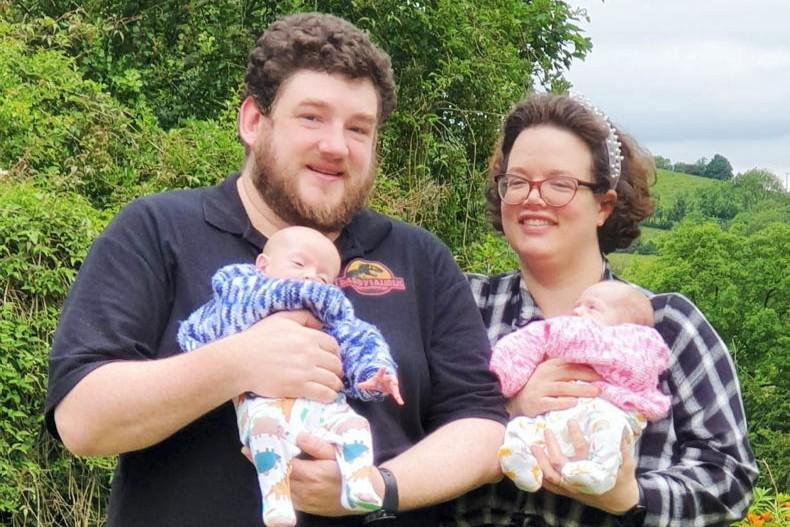
Lieke’s Sepsis Story: From Unimaginable Loss to Life-Saving Awareness

On January 4, 2026, our lives changed forever.

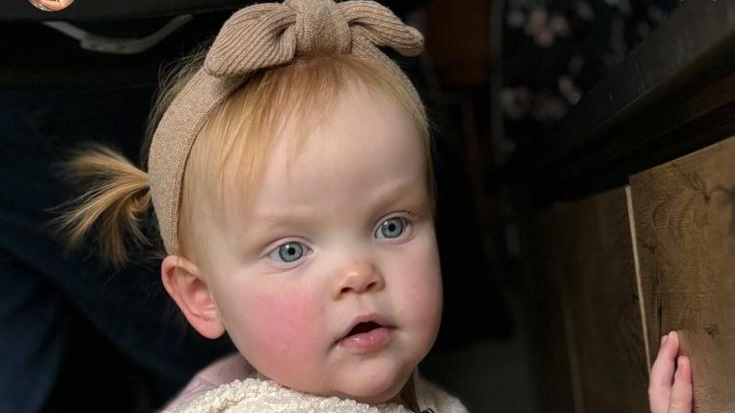
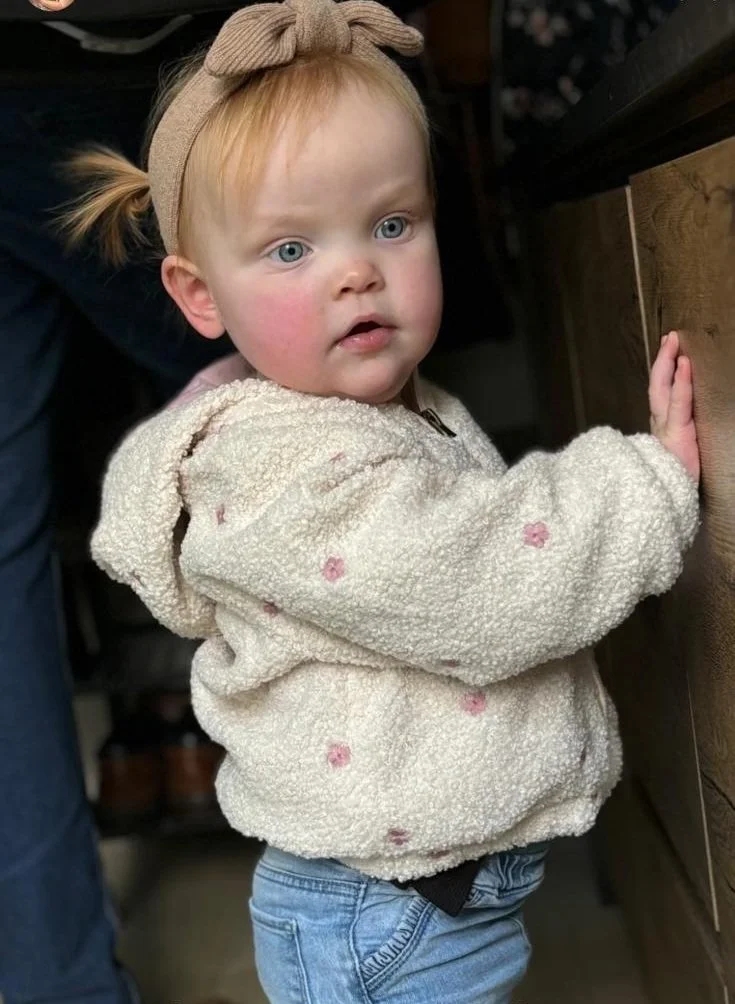
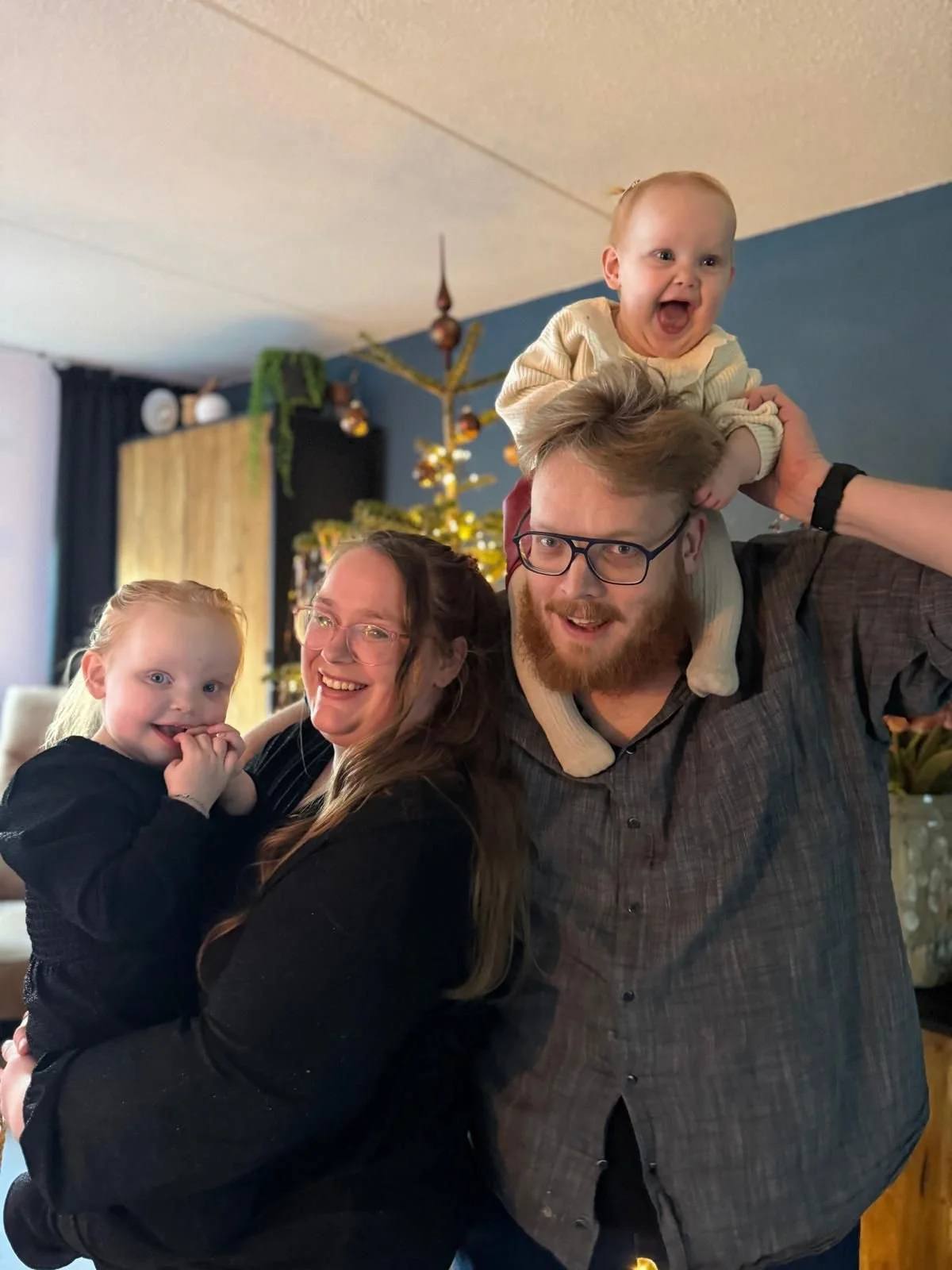
Our daughter, Lieke, died from sepsis. She was only two years old.

Lieke was a cheerful, loving, and curious little girl. She loved dancing, cuddling, playing outside, and discovering the world around her. She found joy in the smallest things and had a smile that could light up any room. To us, she was our greatest happiness.

Like every parent, we believed that if our daughter ever became seriously ill, modern healthcare would be able to help her. 

We never imagined that we would lose her within just a few days.

On New Year's Eve, December 31, 2025, Lieke became ill. At first, it seemed like the flu or a common viral infection—something many young children experience during the winter months.

But something didn't feel right.

On January 1, we sought medical attention. We returned to the general practitioner again on January 2, and once more on January 3. Every day we saw that Lieke was not getting better. Every day, as parents, we felt that something was wrong. 

As a parent, you know your child.

You notice when their smile disappears.

You notice when they no longer behave like themselves.

And sometimes you simply can't explain it—you just know, deep down, that something is seriously wrong.

Unfortunately, the early symptoms of sepsis are often difficult to recognize. They closely resemble those of the flu or a common viral infection. That is exactly why sepsis is still diagnosed far too late, when every minute counts.

On January 4, we knew we had to seek help once again.

For the fourth time, we took Lieke to our general practitioner.

That was the moment everything changed.

Within minutes, it became clear how critically ill she was.

Less than two hours later, we had to say goodbye to our daughter.
She died from sepsis.

She was only two years old.

Less than a week earlier, we had celebrated Christmas together.

Less than five days earlier, we had welcomed the New Year as a family.

No parent ever expects life to change so completely in such a short period of time.

Until that day, we had never even heard of sepsis.

We didn't know how quickly it could become life-threatening.

We didn't know that every hour matters.

And we didn't know that sepsis affects millions of people worldwide every year and remains one of the leading causes of death across the globe.

Since losing Lieke, one question has stayed with us every single day. 

What if we had known about sepsis sooner?

We will never know the answer.

But we do know one thing.

If we had known what sepsis was before January 4, we would have done everything in our power to make sure other families had that knowledge. 

That is why we decided that Lieke's story could not end on the day she died.

On March 10, 2026, we founded the Voor Lieke Foundation.

Not because we had left our grief behind.

We never will.

But because we believed that Lieke's story could save lives.

Our mission is simple:

To make sure everyone knows what sepsis is.

Because recognizing sepsis saves lives.

Every day, we work to raise awareness among parents, healthcare professionals, schools, sports clubs, childcare organizations, businesses, and communities.

We provide education, develop awareness materials, organize campaigns, collaborate with healthcare organizations, and actively engage with the media.

Not because we want to keep telling our own story.

But because every family deserves to know the warning signs of sepsis before it is too late.

Our foundation was not created out of anger.

It was created out of love.

Love for our daughter.

 And from the belief that no family should have to experience the unimaginable pain of losing a child because sepsis was not recognized in time.

We cannot bring Lieke back.

But perhaps her story can help save another child.

Perhaps her story will give a parent the confidence to trust their instincts.

Perhaps her story will encourage a healthcare professional to consider sepsis just a little earlier.

And perhaps her story will mean that another child is still alive tomorrow.
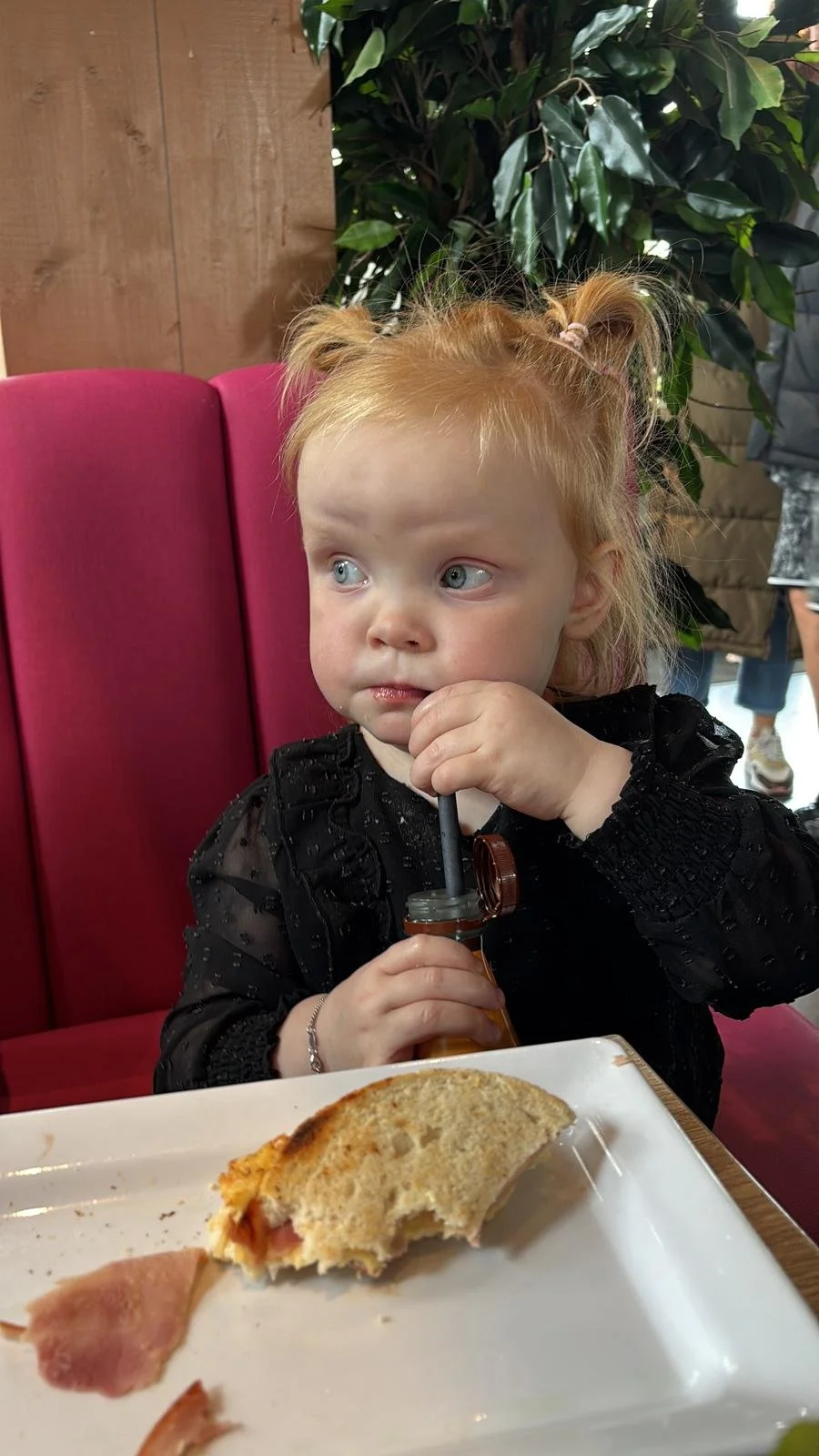
That is why we continue.

For Lieke.

For every parent. 

For every child.

For greater awareness.

For earlier recognition. 

For more lives.


Because recognizing sepsis saves lives.


The article above was written by Meran Bosgraaf, Lieke’s father, and is shared here with his explicit consent. The views in the article do not necessarily represent those of the Global Sepsis Alliance. They are not intended or implied to be a substitute for professional medical advice. The whole team here at the Global Sepsis Alliance and World Sepsis Day wishes to thank Meran and his wife for sharing Lieke’s story and for fighting to raise awareness for sepsis.
Marvin Zick
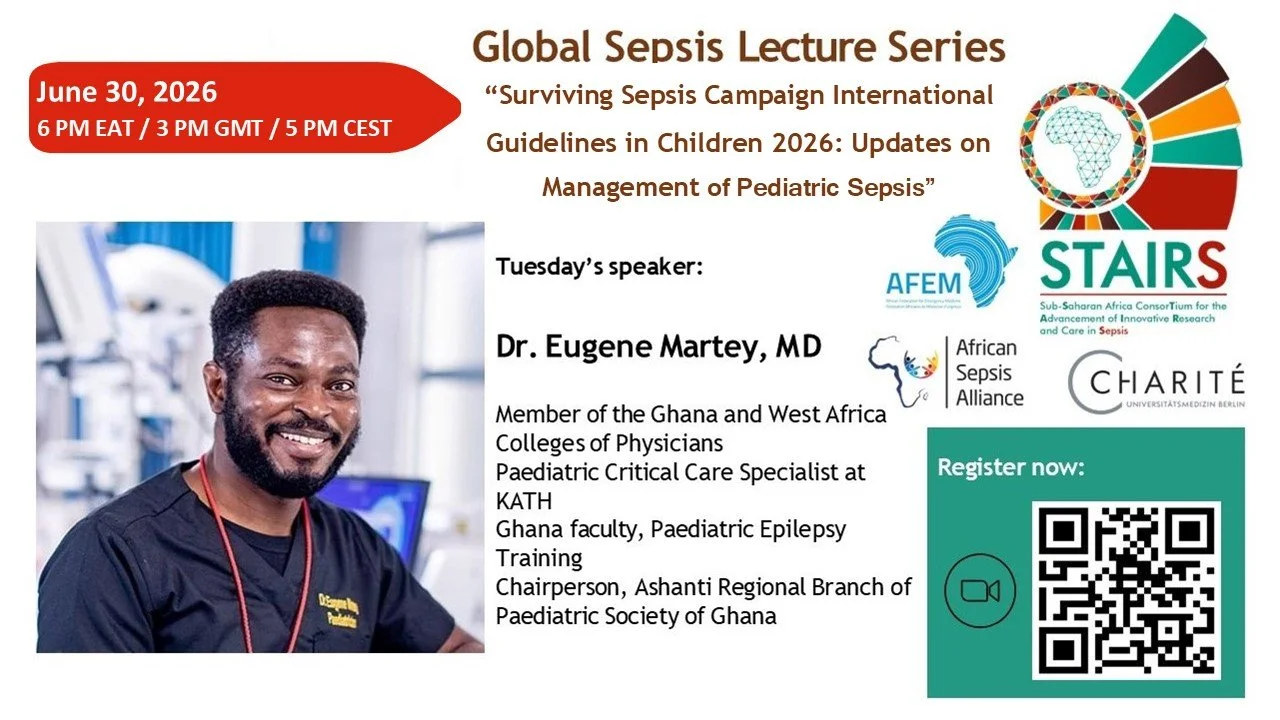
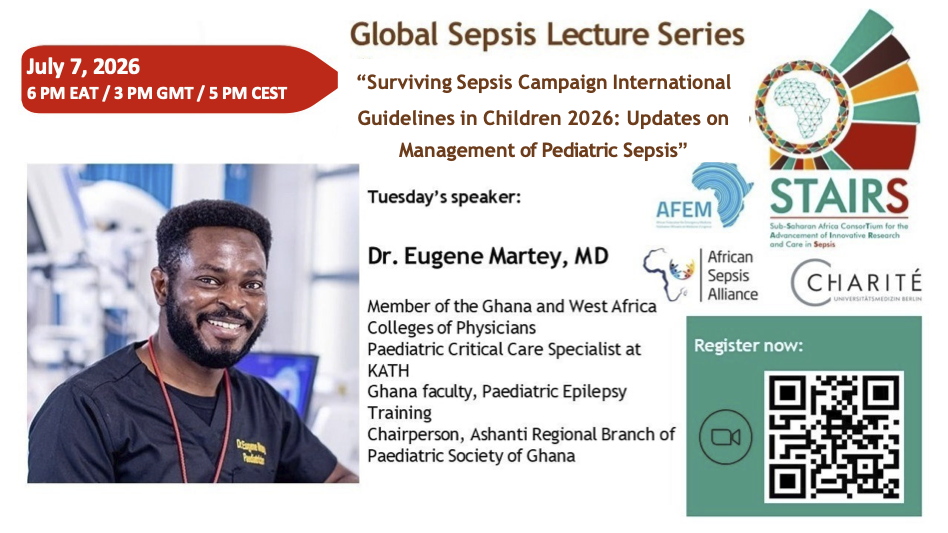
New Date, 7 July: STAIRS Global Sepsis Lecture on Surviving Sepsis Campaign International Guidelines (SSC) in Children 2026

The STAIRS Consortium will host the next lecture of the STAIRS Global Sepsis Lecture Series on Tuesday, July 7 at 6pm EAT / 3pm GMT / 5pm CEST.  Dr. Eugene Martey, MD, Pediatric Critical Care Specialist at Komfo Anokye Teaching Hospital in Kumasi, Ghana, will present the second part of a two-part series about the updated Surviving Sepsis Campaign International Guidelines (SSC) in Children 2026.

We look forward to an engaging and highly insightful session with Dr. Martey, offering valuable updates for all participants working in pediatric critical care and beyond.

We warmly encourage you to join us and to share this invitation widely within your network.

Registration

If you have not yet registered, please do so via the button below or with the QR- code above.

Missed a Live Session?

 Last session on the 2026 SSC Updates on the Definition and Diagnosis of Pediatric Sepsis, as well as recordings of all past sessions, have been made available on Learning-STAIRS and YouTube. We encourage you to use these resources and to visit the STAIRS website for additional content and the latest publications on sepsis in low- and middle-income settings

About the Series

The STAIRS Global Sepsis Lecture Series brings together leading experts from Africa and beyond to support capacity strengthening and knowledge exchange on all aspects of sepsis. With a focus on both adult and pediatric care, the series highlights clinical management from an interprofessional perspective and explores topics such as infection prevention, antimicrobial resistance, telemedicine, and quality improvement. 
Lectures are held bi-weekly over 24 months and are open to clinicians, nurses, students, and healthcare professionals across STAIRS partner countries—and beyond. Please feel free to share this invitation widely within your networks.

CPD Points and E-Certificates

We are working with various institutions to offer CPD accreditation. Participants affiliated with the Arsi University CPD Center (Ethiopia) are already eligible for CPD points. To register for CPD points via Arsi University, please complete the following form: CPD Registration Form. E-certificates will be issued for the attended lectures.


For any questions, please contact us at stairs-sepsis@charite.de.

Simone Mancini
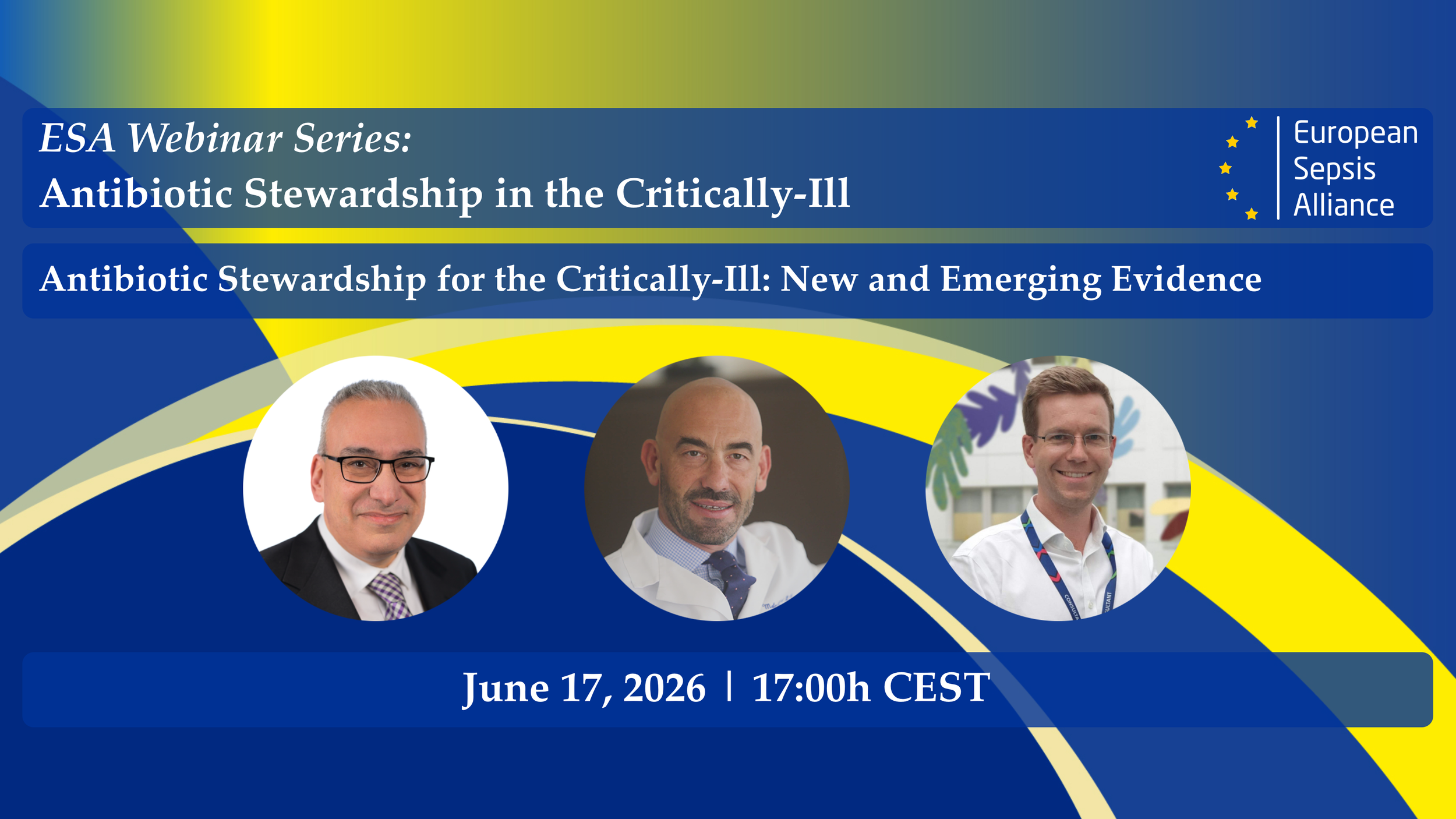
Watch the Recording: Antibiotic Stewardship for the Critically-Ill: New and Emerging Evidence

Update: The webinar is now available to rewatch above and on YouTube, including chapter markers, so you can jump right to the topic/speaker that interests you most.


Join us today for the second webinar in the European Sepsis Alliance’s series on Antibiotic Stewardship in the Critically-Ill.

This free webinar, featuring Prof. Matteo Bassetti and Dr. Luke Moore and moderated by ESA Chair Prof. Evangelos Giamarellos-Bourboulis, will prioritize new and emerging evidence, behavioral and organizational aspects of antibiotic stewardship, and gaps between evidence and real-world practice, with a discussion on how to improve adherence and optimize patient outcomes.

The event recording will be available at the same URL immediately after the livestream has concluded.


About This Webinar Series

The European Sepsis Alliance webinar series on antibiotic stewardship in critically-ill patients will bring together leading international experts to discuss the latest evidence, practical implementation strategies, and real-world clinical challenges in antimicrobial stewardship.

Across two live sessions on June 4 and June 17, participants will explore topics including biomarker-guided stewardship, bedside implementation, behavioral and human factors that influence protocol adherence, and emerging research that will shape future practice.

The webinars will feature expert presentations, case-based discussions, and interactive live Q&A sessions with internationally recognized specialists in intensive care, infectious diseases, and sepsis care.


Sponsored by Thermo Fisher Scientific

This webinar is kindly supported by Thermo Fisher Scientific, whom we sincerely thank for their continued support. Sponsors do not influence the choice of speakers or the content of the webinar in any way.


Marvin Zick
GSA Calls on Ireland to Include Sepsis in the EU Presidency Agenda, Supporting National Advocacy Efforts

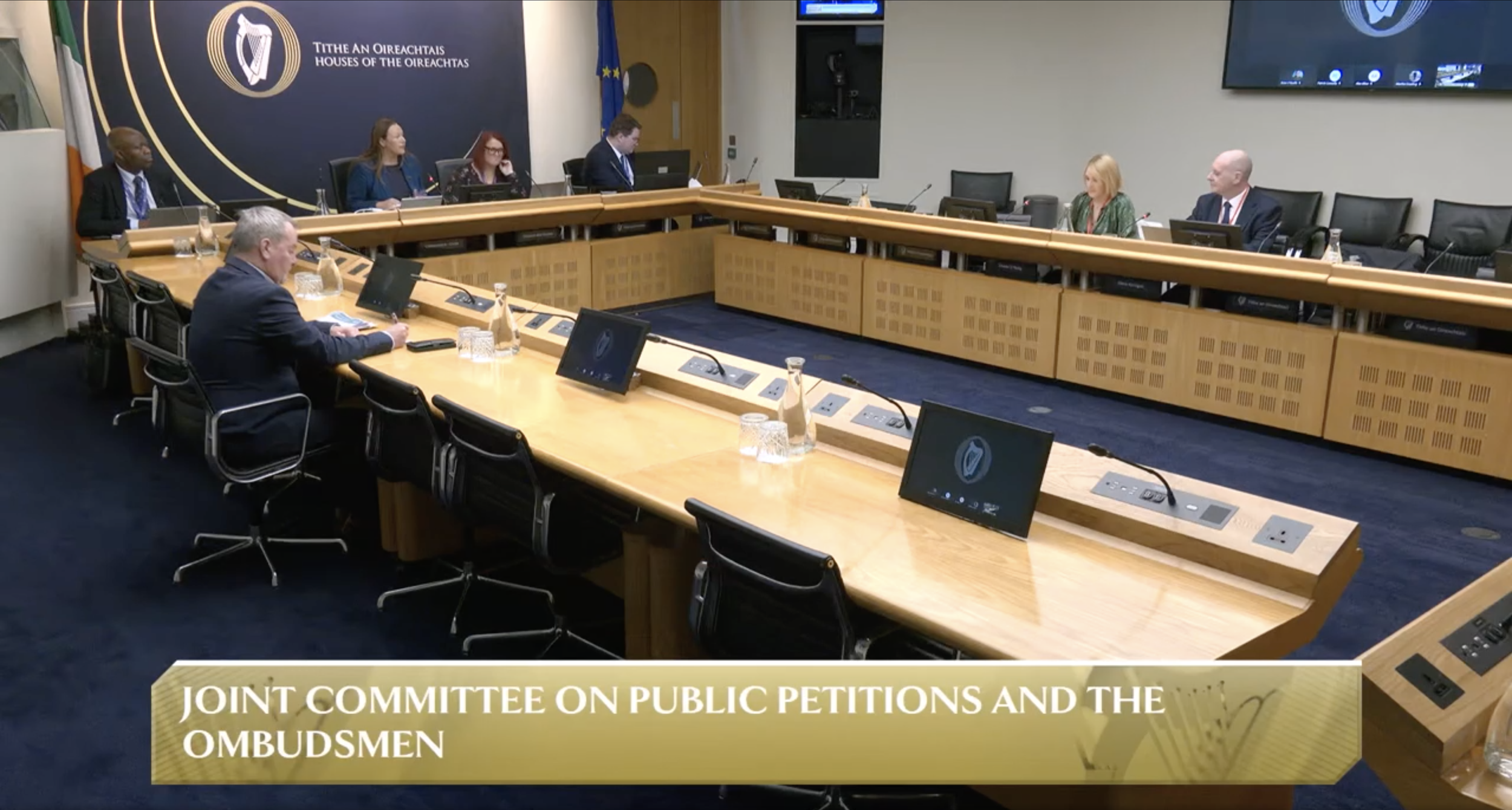
Sinéad O'Reilly and Prof. Steve Kerrigan at the Oireachtas Joint Committee on Public Petitions and the Ombundsmen

As Ireland prepares to assume the Presidency of the Council of the European Union on 1 July 2026, in a joint letter with European Sepsis Alliance (ESA), GSA has addressed Taoiseach Micheál Martin and Minister for Health Jennifer Carroll MacNeill urging them to seize this unique opportunity to place sepsis on Europe’s health policy agenda.

The letter follows months of sustained advocacy by Irish sepsis advocate Sinéad O’Reilly and Prof. Steve Kerrigan of the Royal College of Surgeons in Ireland (RCSI), who have appeared before the Oireachtas Joint Committee on Public Petitions and the Ombudsmen to make the case for coordinated European action on sepsis. At the heart of this effort lies the story of Sarah, a 34-year-old woman and mother of twins, who died of sepsis eleven weeks after being admitted to hospital.
Sarah’s story is also the story of hundreds of thousands of patients across Europe who continue to die because sepsis is not recognised and treated in time. The European Sepsis Care Survey has documented wide and persistent disparities among Member States in hospital infrastructure, workforce training, and standardised clinical protocols. The Irish Presidency offers a unique opportunity to begin closing these gaps.

The message from Sinéad O’Reilly, Prof. Kerrigan, ESA, WHO Europe, European policymakers, and the signatories of the ESA Call to Action is clear: use this moment to initiate a coordinated European response to sepsis.
Building Political Momentum in Ireland

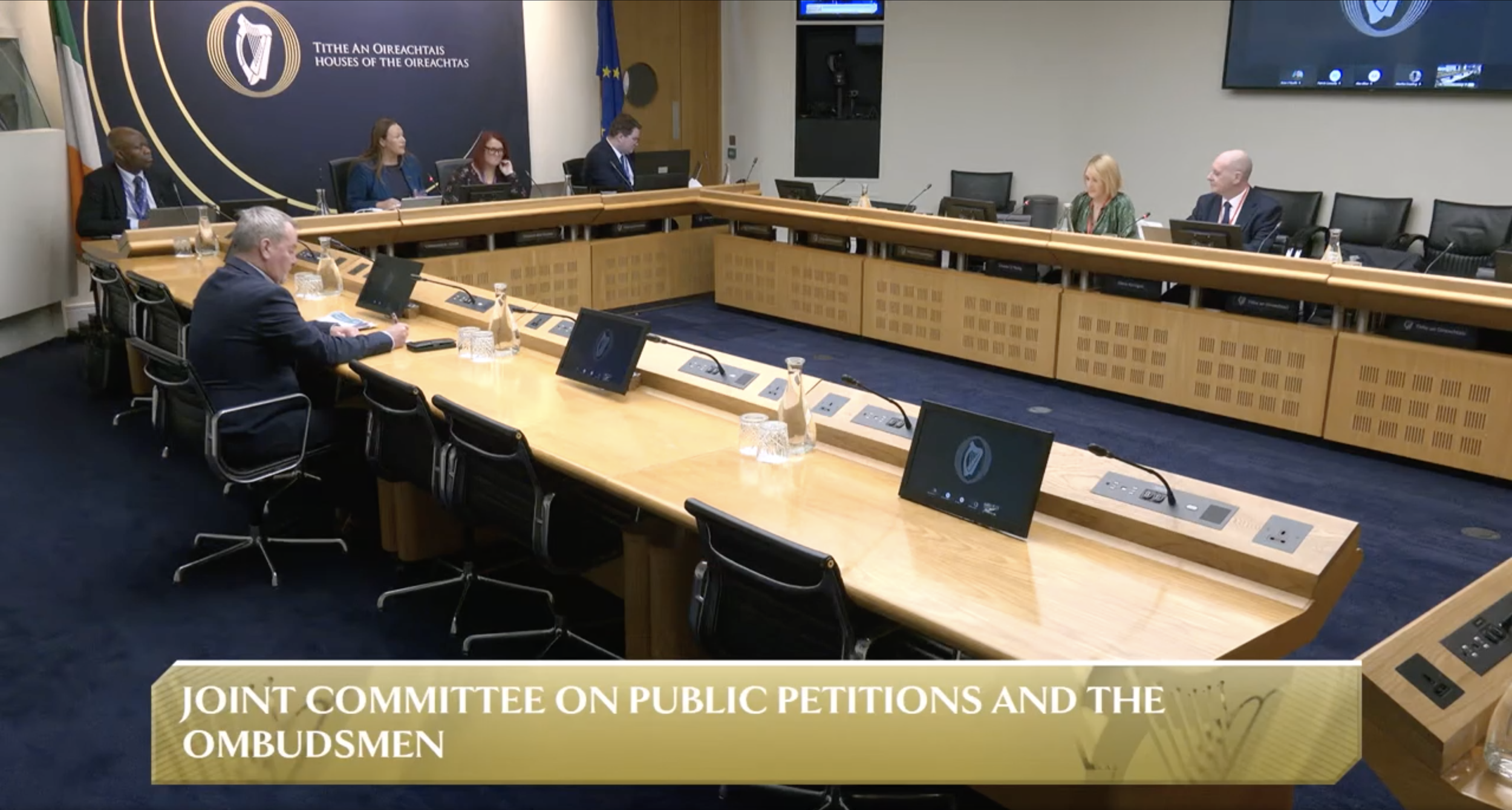
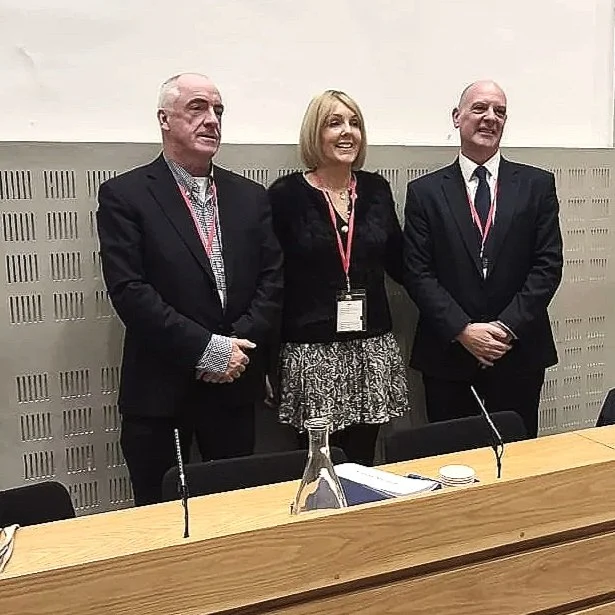
Ciaran Staunton, Sinéad O'Reilly and Prof. Steve Kerrigan at the second aution of the Oireachtas Joint Committee on Public Petitions and the Ombundsmen

On 17 February 2026, the Joint Oireachtas Committee on Public Petitions and the Ombudsmen convened to hear Petition No. P00070/25, which called on the Irish Government to place sepsis awareness and management on the agenda of its upcoming Presidency of the Council of the European Union.

Sinéad O’Reilly and Prof. Steve Kerrigan of RCSI University of Medicine and Health Sciences appeared before the Committee, chaired by Deputy Louise O’Reilly, to present the evidence and make the case for Irish leadership on sepsis.
The hearing prompted a strong response from Committee members, including Deputy Brendan Smith, Senator Páraic Brady, and Senator Aubrey McCarthy, and a commitment from Minister of State Niamh Smyth, who had previously met with Sinéad and other sepsis advocates.

Sinéad and Prof. Kerrigan returned before the Committee on 22 April 2026, alongside GSA Board Member Ciaran Staunton, to build on this momentum. As a result, Committee members have requested a meeting with Taoiseach Micheál Martin, which is currently being arranged.


Sarah’s story: a family tragedy transforming sepsis policy response in Ireland

Sarah was 34 years old when she died. She worked as a Vigilance Specialist for Baxter Healthcare and excelled in her profession. She enjoyed baking, arts and crafts, and professional photography, but languages were her true passion. Originally from Germany, she was fluent in German, French, and English, and after moving to Ireland, she had also begun mastering the Irish language.

Sarah moved to Ireland 13 years ago after meeting my brother Patrick. Following a three-year-long-distance relationship, they married and were overjoyed when they bought their first home together. However, Sarah’s greatest dream was to start a family and become a mother.

The journey was not straightforward. Sarah underwent arduous fertility treatment and IVF before becoming pregnant with their precious twins, Lilly and PJ, whom we all regarded as little miracles.

Eleven weeks after the twins were born, I received a call from Sarah one Saturday morning in August. She told me that she had been vomiting during the night and was experiencing severe pain in her right side.

At the time, I was working as a Tissue Viability Clinical Nurse Specialist. Based on Sarah’s symptoms, I suspected gallstones and advised her to attend the Emergency Department for assessment and further investigations. This was during the COVID-19 restrictions, when family members were not permitted to accompany loved ones to the hospital.

Sarah attended the Emergency Department that morning. We remained in regular contact throughout the day, and she told me, in her own words, “They don’t know what’s wrong with me.”

I became increasingly concerned when I spoke with her later that evening because she did not sound like herself.

I contacted the hospital and explained my concerns to a staff member. I asked about Sarah’s treatment plan and was informed that she had pancreatitis, was doing well, and was receiving stronger pain relief. I was reassured that there was no cause for concern and felt relieved to hear this. I trusted that Sarah was receiving safe and appropriate care in the hospital where I myself worked.

Later that night, at approximately 3:30 a.m., I received a call informing me that Sarah had been transferred to the Intensive Care Unit but was stable. As a nurse, I understood the seriousness of both pancreatitis and an ICU admission, and I asked whether I should come to the hospital. Once again, I was reassured that there was no need to attend until morning and that Sarah remained stable.

When I arrived at the ICU the following morning, I was shocked to learn that Sarah had been diagnosed with sepsis and was experiencing multiple organ failure.

I never thought to ask, “Could it be sepsis?”

As Sarah’s condition deteriorated, she required urgent transfer to a higher-level care facility. By then, 28 hours had passed since her admission.

Sarah spent the next eleven weeks intubated in intensive care, fighting the greatest battle of her life. She received exceptional care, and the staff went above and beyond to keep her babies at the centre of her recovery. It was clear that Sarah was fighting to stay alive for Lilly and PJ and to continue being the mother she had always dreamed of becoming.

Tragically, Sarah died eleven weeks after her hospital admission, at just 34 years of age. She left behind my brother Patrick, now a widower, and Lilly and PJ, who would grow up without their mother.

Only eight months earlier, they had moved into what they hoped would be their forever home.

Sarah had presented with many of the signs and symptoms of sepsis from the moment she arrived at the hospital. Yet sepsis was not recognised or diagnosed despite assessments by emergency, surgical, and nursing teams.

Never in a million years did we imagine that, when Sarah was transferred to Beaumont Hospital, it would be the last time we would ever hear her speak.

Today, all we have are photographs and videos for her children to remember her by.


The story above was written by Sinéad O’Reilly and is shared with her explicit consent. The views expressed are those of the author and do not necessarily reflect those of the European Sepsis Alliance. This story is not intended to provide, nor should it be interpreted as providing, medical advice.

Simone Mancini
Dr. Mariam Jashi Urges Parliamentarians to Invest in Global Health and Sepsis Agenda

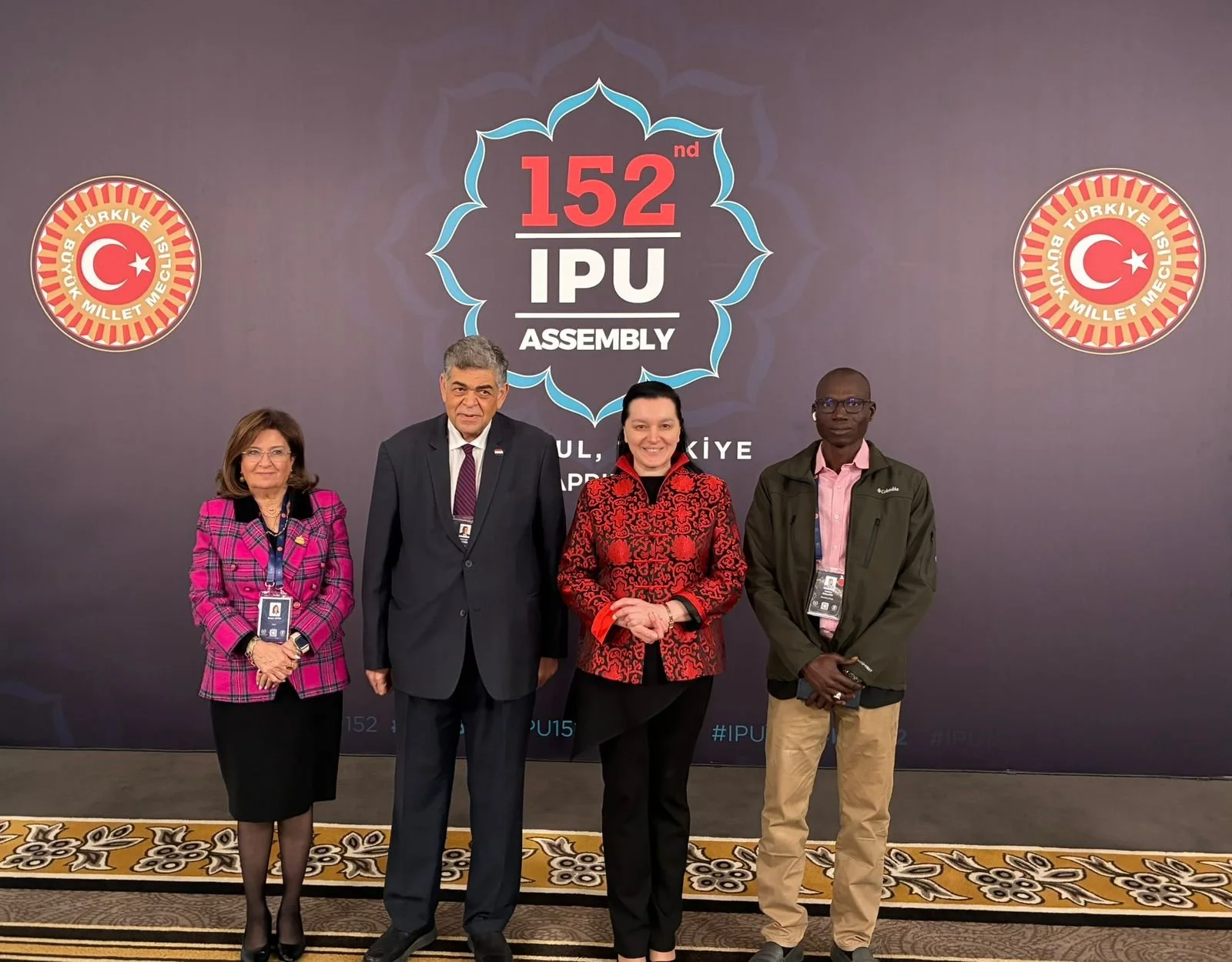
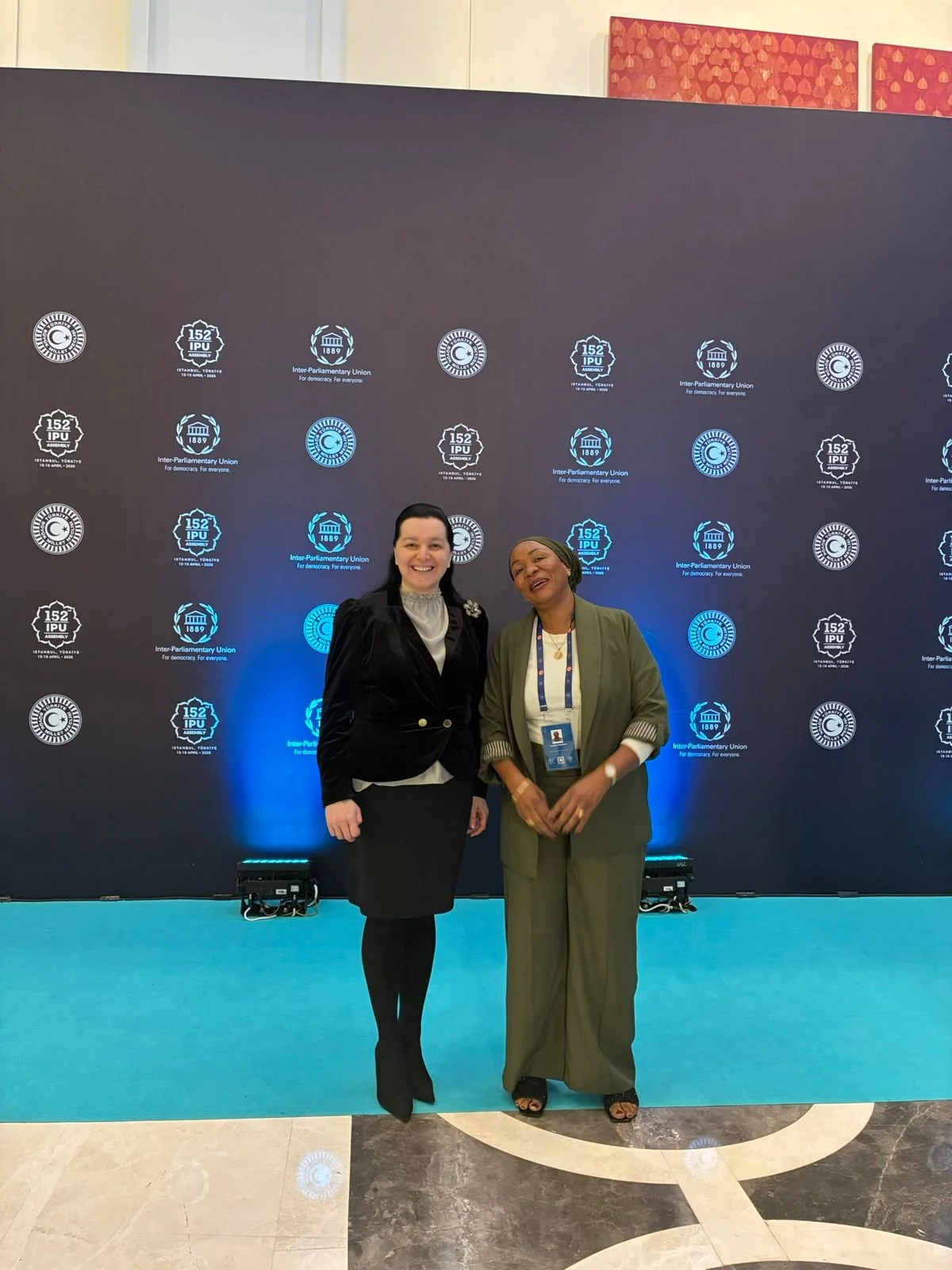
Istanbul, Türkiye / Belgrade, Serbia – 2026

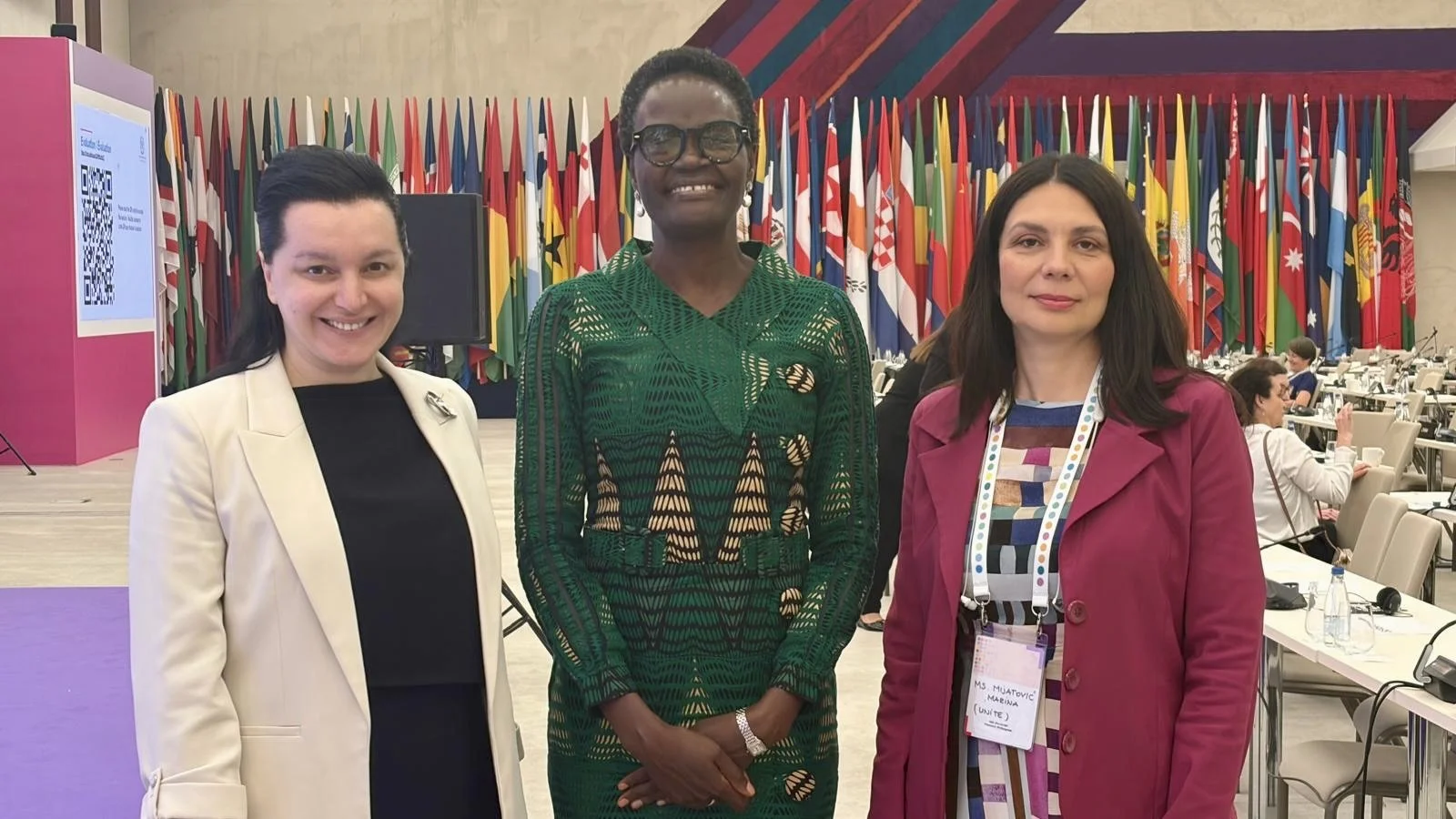
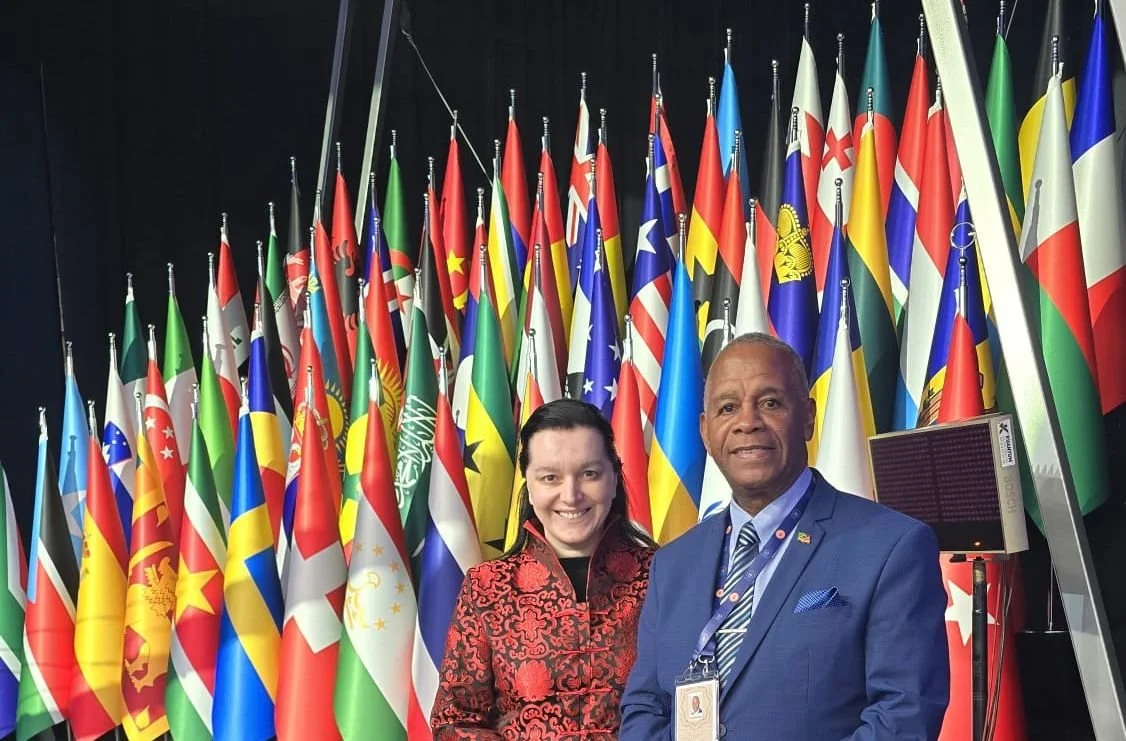
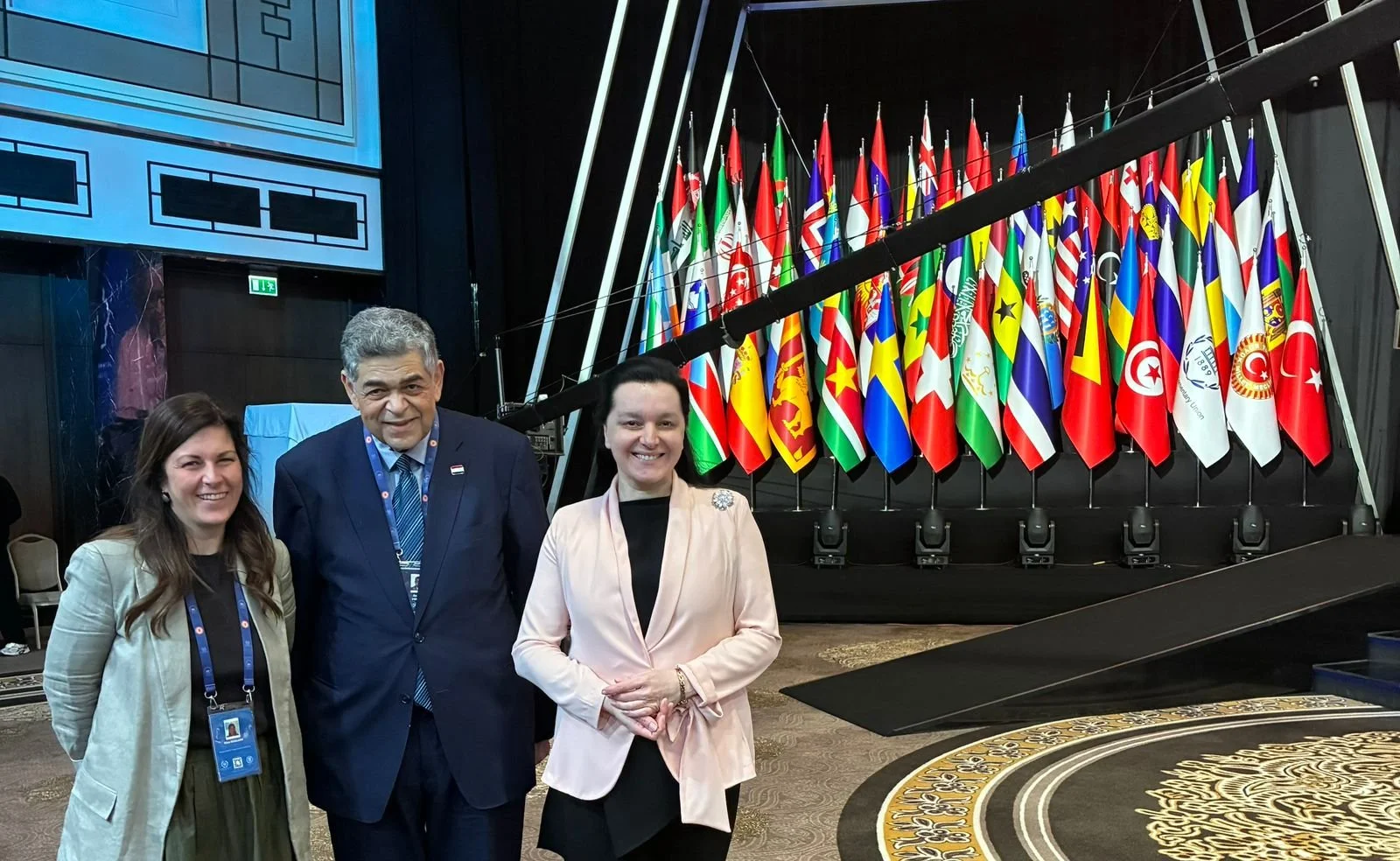
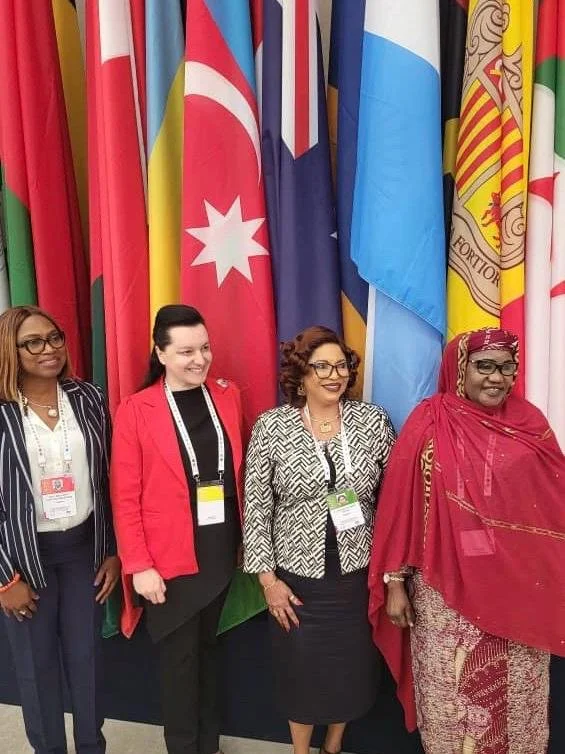
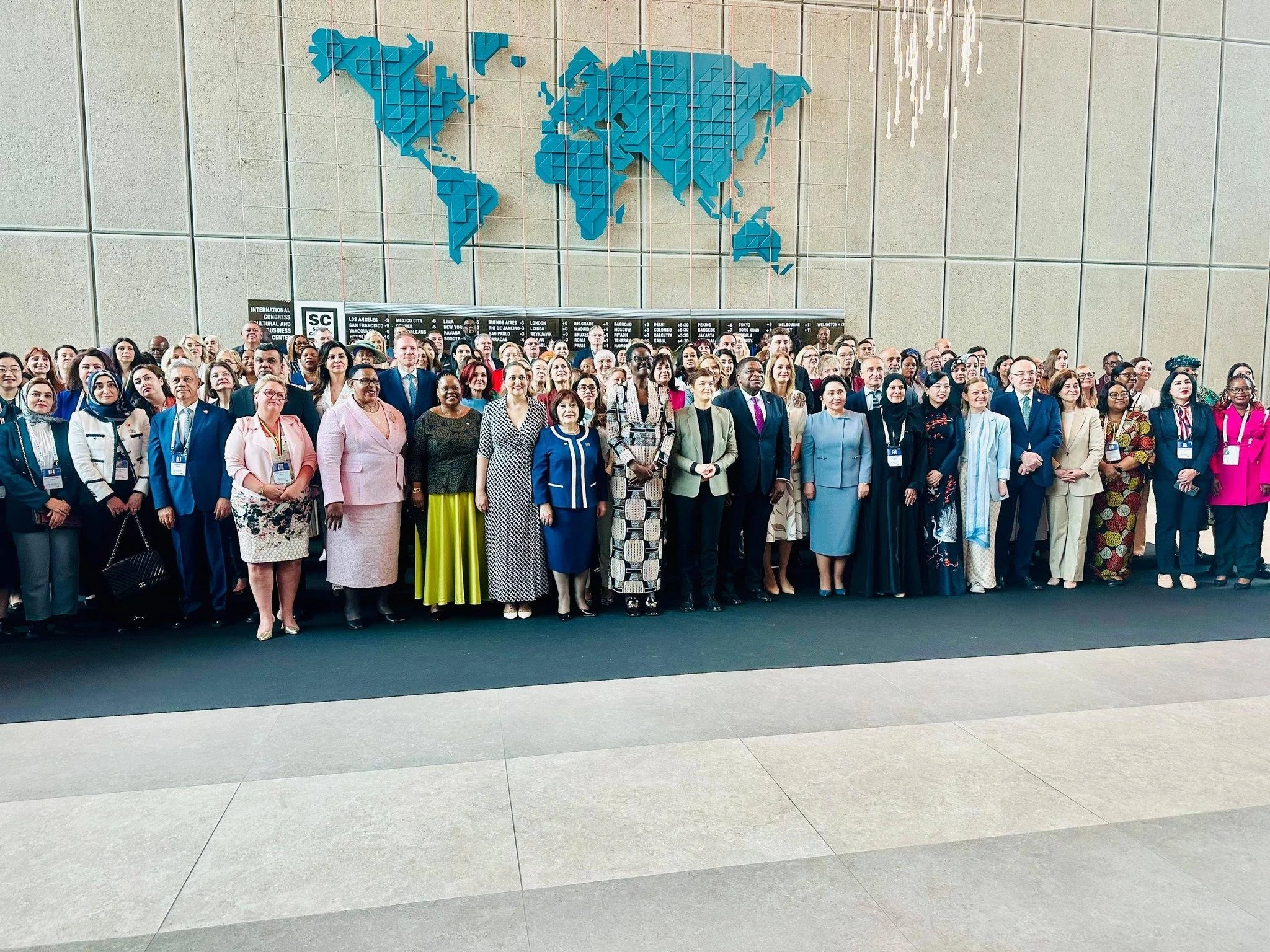
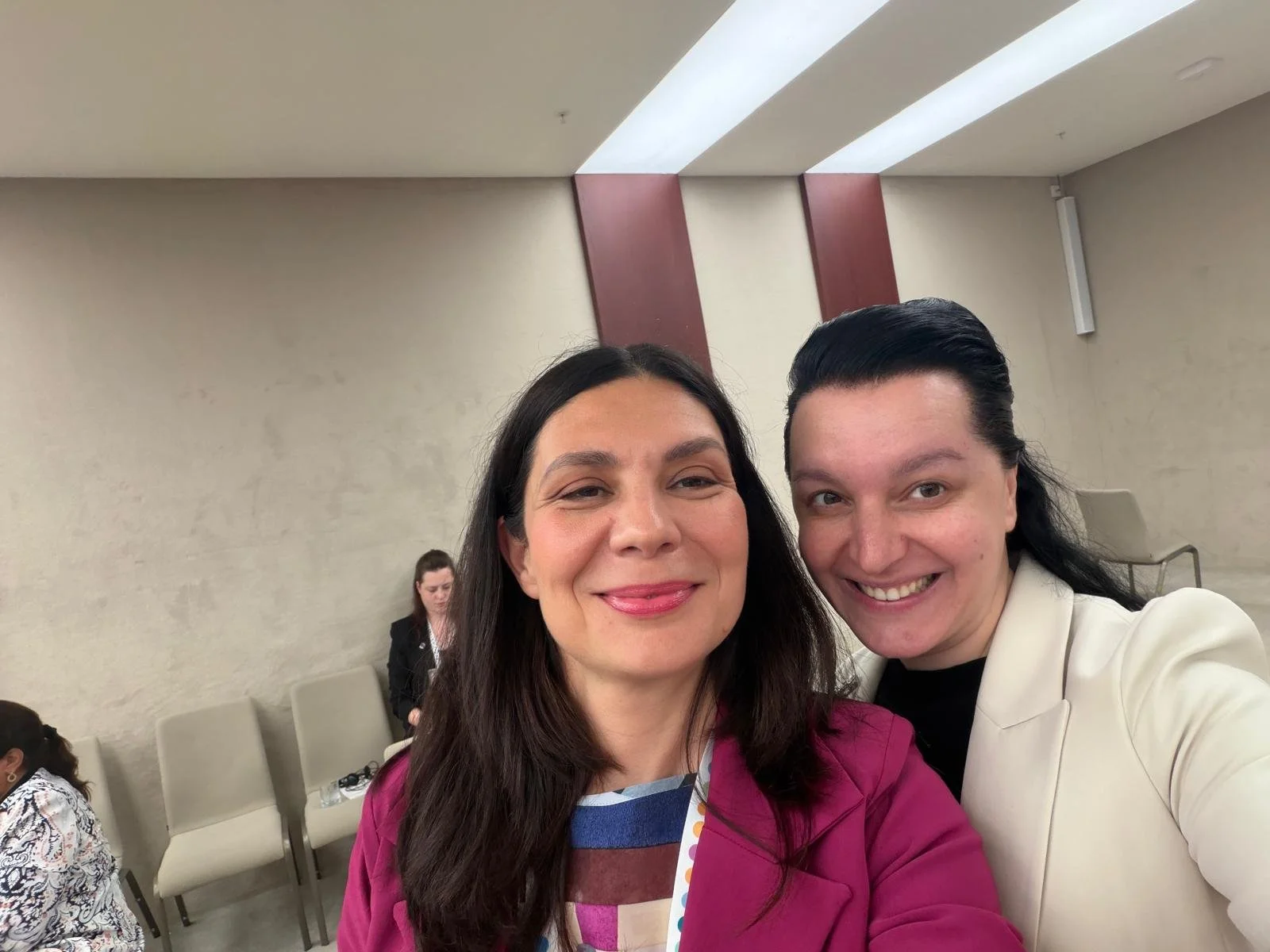
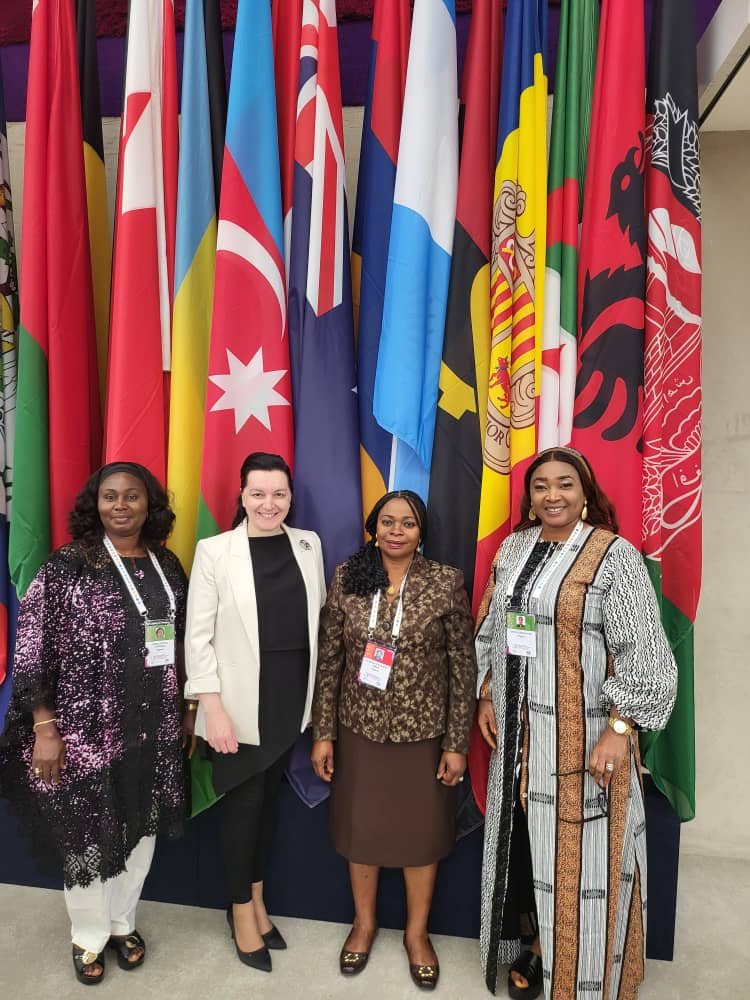
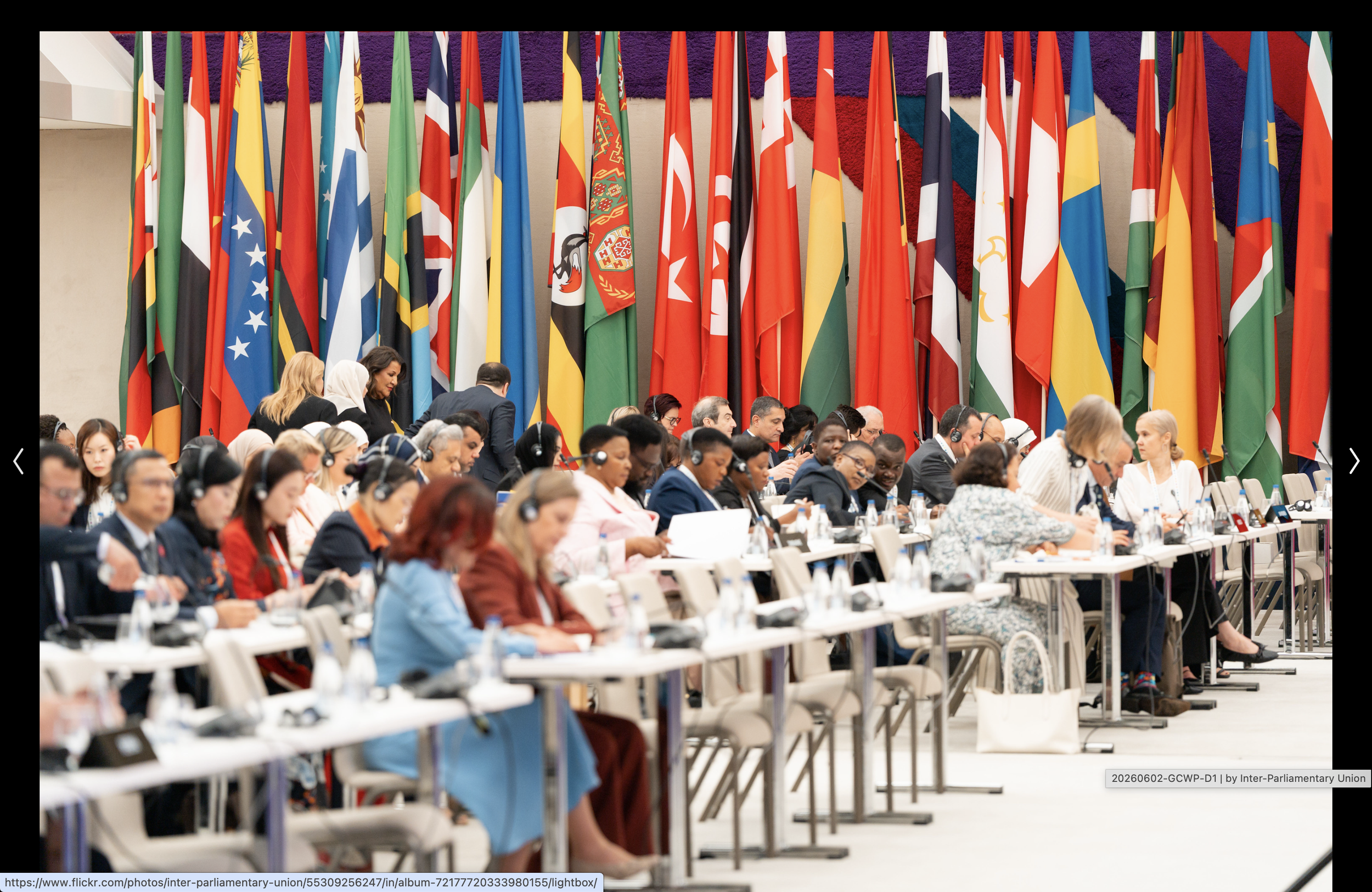
Dr. Mariam Jashi, CEO of the Global Sepsis Alliance and Board Member of the UNITE Parliamentarians Network for Global Health, delivered a strong call to action to legislators from around the world during two major parliamentary gatherings this year: the 152nd Assembly of the Inter-Parliamentary Union (IPU) in Istanbul and the IPU Global Women Parliamentarians Forum in Belgrade.

Representing UNITE Parliamentarians Network for Global Health, Dr. Jashi addressed delegates from more than 150 countries, emphasizing the urgent need for stronger political leadership to address global health challenges, protect sustainable health financing, advance women-centered policies, and elevate Sepsis on the global political agenda.

As Chair of the UNITE Delegation to both events, Dr. Jashi highlighted the critical role parliamentarians play in shaping laws, budgets, and policies that directly impact the health and wellbeing of populations worldwide.


Protecting Global Health Through Sustainable Financing

During the General Debate at the IPU Assembly in Istanbul, Dr. Jashi stressed that recent geopolitical tensions, growing fragmentation, and declining multilateral cooperation threaten decades of progress in global health.

“The COVID-19 pandemic reminded us that health challenges know no borders,” she told delegates. “Yet we are witnessing diminishing investments in global health at a time when international cooperation is more important than ever.”

She urged parliamentarians to prioritize health in national budgets and called on lawmakers in high-income countries to advocate for increased Official Development Assistance (ODA) for health, noting that global health financing has fallen to historically low levels despite rising needs.

Dr. Jashi emphasized that sustainable financing is essential not only for strengthening healthcare systems but also for improving preparedness against future health emergencies and pandemics.


Advancing a Women-Centered Agenda in Politics and Health

A central theme of Dr. Jashi’s interventions at both forums was the need to place women at the center of political and health decision-making.

Addressing the Global Women Parliamentarians Forum in Belgrade, she presented compelling evidence demonstrating the positive impact of women’s political participation on democratic governance, social development, and economic growth.

“More women in parliament means stronger democracies and more sustainable development,” she stated. “Yet women continue to hold only 27 percent of parliamentary seats globally.”

Dr. Jashi also highlighted persistent inequalities affecting women’s access to healthcare and opportunities:

  • Sixty-six percent of the world’s poorest women continue to face financial barriers to accessing healthcare.

  • One in five women with no formal education still requires permission to seek medical care.

  • More than 700 million women worldwide have experienced violence during their lifetime.

  • Declining global health investments risk further widening existing inequalities.

She called on legislators to use their political influence to dismantle these barriers and ensure that women’s health and wellbeing become a priority in national and international policymaking.


Bringing Sepsis to the Political Agenda

A key focus of Dr. Jashi’s addresses was the urgent need to recognize Sepsis as a major global health challenge.

Despite causing one in every five deaths worldwide, Sepsis remains largely absent from political discussions and public policy debates.

Dr. Jashi noted that every year, approximately 26 million women are affected by Sepsis, while globally the condition claims the lives of 11 million people annually, including women, men, and children.

“Sepsis is a global health emergency that continues to be overlooked,” she said. “We must bring this issue into our political forums and adopt policies that improve prevention, early diagnosis, and treatment.”

She highlighted examples of countries that have successfully advanced Sepsis policies and awareness, including Australia, the United Kingdom, Ireland, and Qatar, encouraging parliamentarians to learn from these experiences and adapt best practices within their own healthcare systems.


Learning from Global Success Stories

Dr. Jashi underscored the importance of international collaboration and knowledge sharing among legislators.

She pointed to successful health reforms in countries such as Egypt, particularly in scaling up Universal Health Coverage and advancing Hepatitis C elimination efforts. She also recognized the contributions of Professor Ashraf Hatem, former Minister of Health of Egypt, for his leadership in driving these transformative changes.

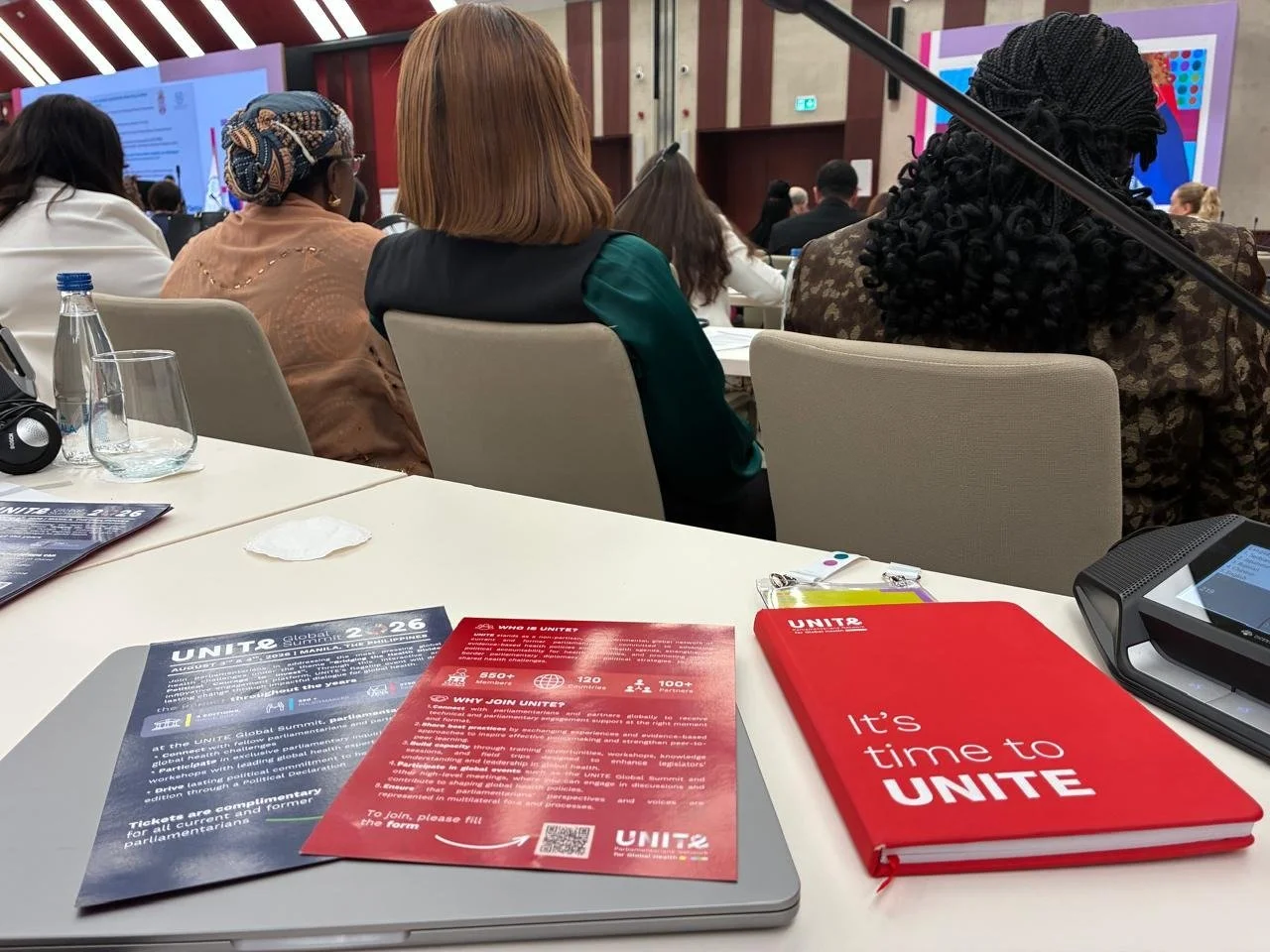
Through UNITE, parliamentarians can exchange experiences and gain access to evidence-based policy solutions on issues ranging from infectious diseases and Sepsis to health financing, pandemic preparedness, and emerging challenges such as artificial intelligence regulation in healthcare.

Dr. Jashi also highlighted UNITE’s ongoing support for the ratification and implementation of the Pandemic Agreement and other initiatives designed to strengthen global health security.


A Call for Political Courage

Throughout both engagements, Dr. Jashi emphasized that parliamentarians have a unique responsibility to improve public health through legislation, oversight, and budgetary decisions.

“We may not be doctors or public health experts,” she noted, “but as parliamentarians, we hold a unique power. We can save lives in times of peace – and especially in times of crisis – by adopting the right laws and budgets.”

She concluded by calling for greater political courage to invest in women’s health, strengthen healthcare systems, and ensure that global health remains a priority despite economic and geopolitical challenges.


Invitation to Join the Global Movement for Better Health

Dr. Jashi invited parliamentarians interested in advancing evidence-based health policies to join the UNITE Parliamentarians Network for Global Health, which currently brings together more than 550 legislators from 120 countries.

She also encouraged lawmakers from health and non-health committees alike to participate in the upcoming UNITE Global Summit, taking place in Manila, Philippines, on August 3–4, 2026, where parliamentarians will collaborate on solutions to some of the world's most pressing health challenges.

As global health systems face mounting pressures, Dr. Jashi’s message was clear: stronger political leadership, greater investment, and a firm commitment to women-centered health policies are essential to building healthier, more resilient societies for future generations.

Marvin Zick
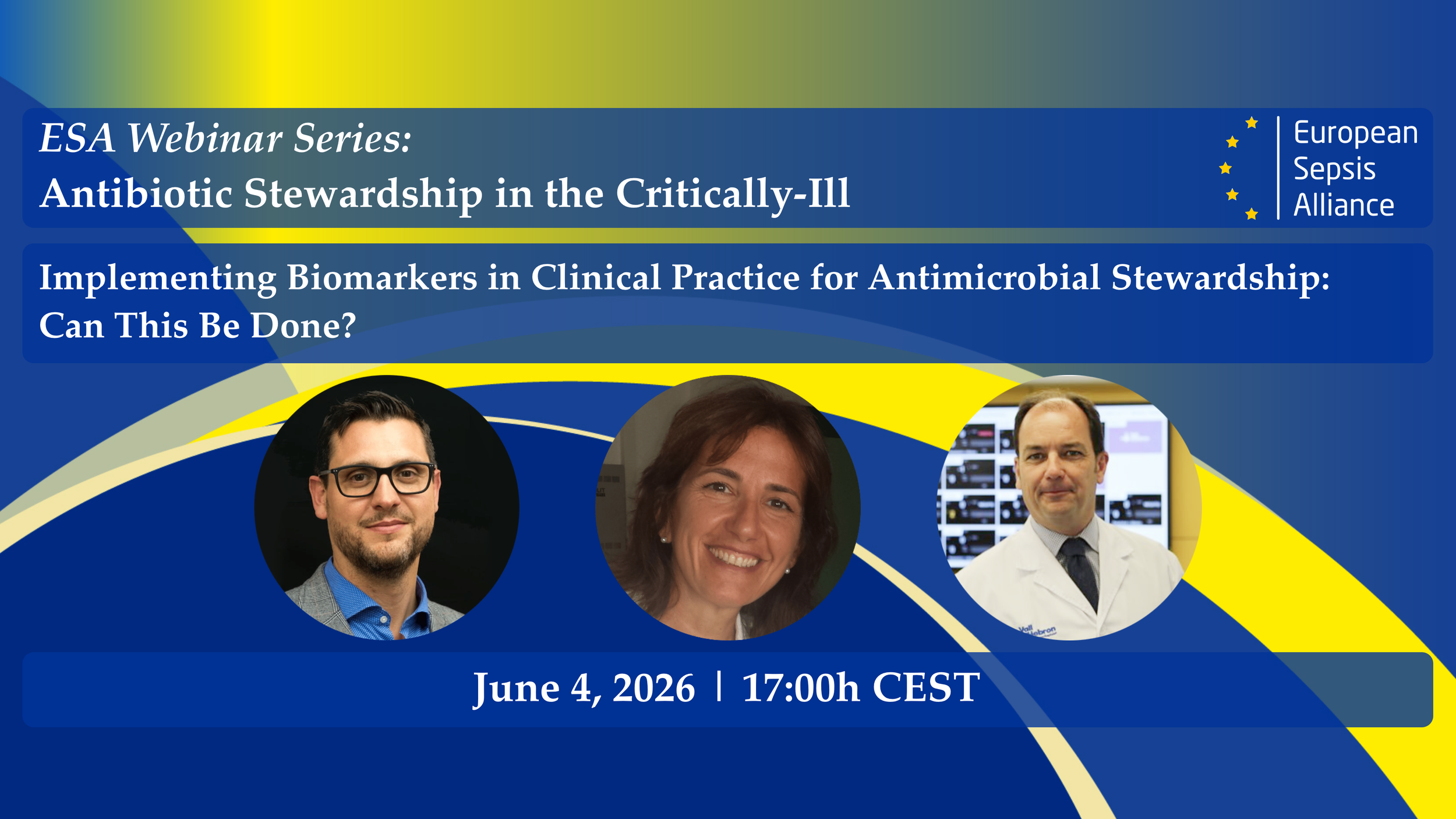
Watch the Recording: Implementing Biomarkers in Clinical Practice for Antimicrobial Stewardship: Can This Be Done?

Update: The webinar is now available to rewatch above and on YouTube, including chapter markers, so you can jump right to the topic/speaker that interests you most.


Join us now for the first webinar in the European Sepsis Alliance’s new series on Antibiotic Stewardship in the Critically-Ill. Moderated by Prof. Ignacio Martin-Loeches, the session will feature Dr. Rita Murri and Dr. Ricard Ferrer, who will discuss the fundamentals of antibiotic stewardship in critically-ill patients, practical strategies for implementation at the bedside, and the role of biomarkers in supporting clinical decision-making. Through expert presentations and a case-based discussion, participants will gain valuable insights into overcoming common challenges and improving antimicrobial stewardship in everyday practice.

The event recording will be available at the same URL immediately after the livestream has concluded.


About This Webinar Series

The European Sepsis Alliance webinar series on antibiotic stewardship in critically-ill patients will bring together leading international experts to discuss the latest evidence, practical implementation strategies, and real-world clinical challenges in antimicrobial stewardship.

Across two live sessions on June 4 and June 17, participants will explore topics including biomarker-guided stewardship, bedside implementation, behavioral and human factors that influence protocol adherence, and emerging research that will shape future practice.

The webinars will feature expert presentations, case-based discussions, and interactive live Q&A sessions with internationally recognized specialists in intensive care, infectious diseases, and sepsis care.


Sponsored by Thermo Fisher Scientific

This webinar is kindly supported by Thermo Fisher Scientific, whom we sincerely thank for their continued support. Sponsors do not influence the choice of speakers or the content of the webinar in any way.


Marvin Zick
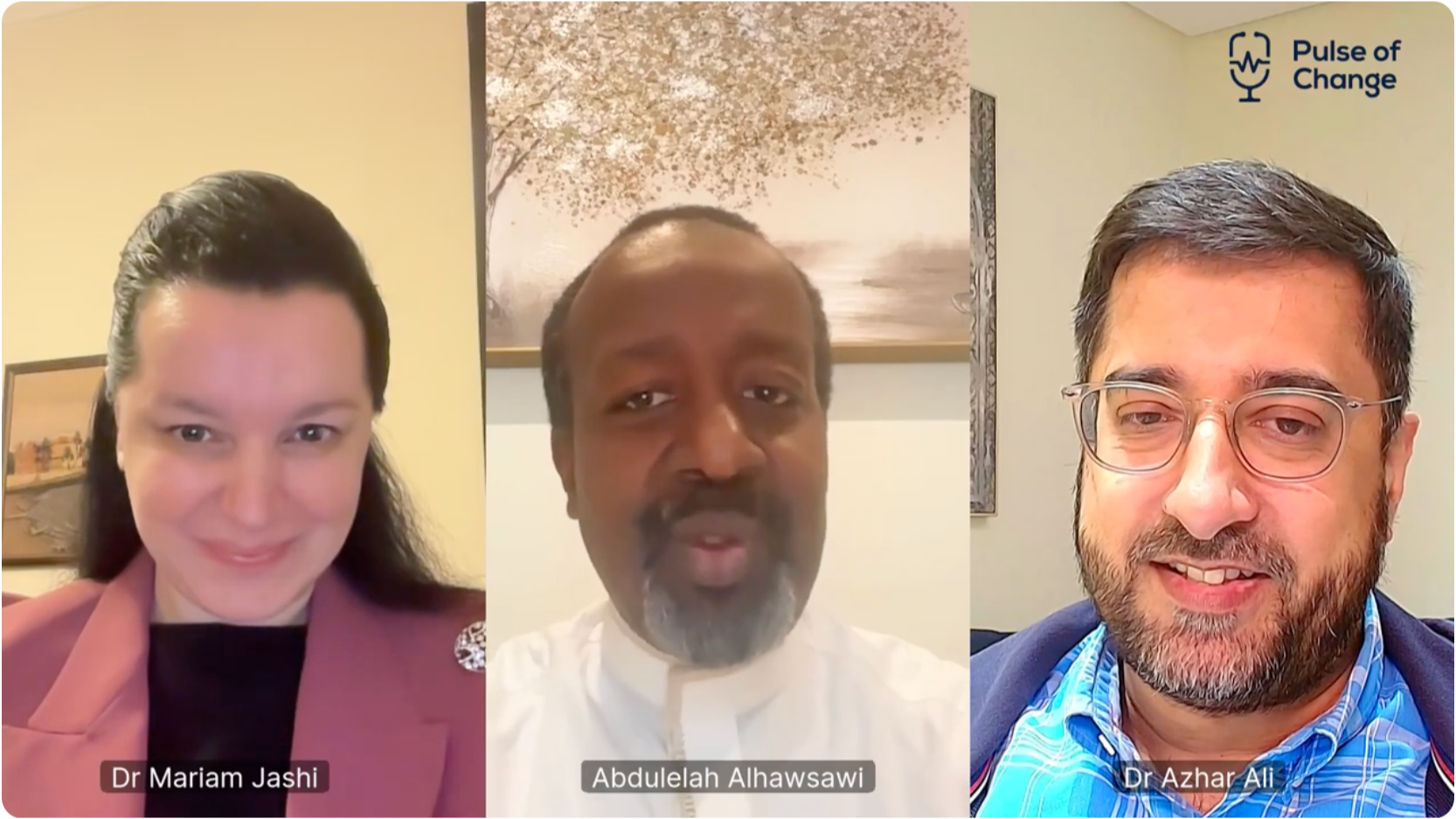
Dr. Mariam Jashi on "The Pulse of Change Podcast" Hosted by Dr. Abdulelah Alhawsawi

Dr. Mariam Jashi, CEO of the Global Sepsis Alliance, recently joined a podcast conversation hosted by Dr. Abdulelah Alhawsawi, President of the Eastern Mediterranean Sepsis Alliance.

In this wide-ranging discussion, Mariam reflects on her journey from medicine and public service to global health leadership and shares insights into the growing global movement to improve sepsis awareness, prevention, and care. The conversation also explores the importance of advocacy, health systems strengthening, patient engagement, and international collaboration in addressing some of the world's most pressing health challenges.

As CEO of the Global Sepsis Alliance, Mariam highlights the urgent need for greater recognition of sepsis as a global health priority and discusses opportunities to accelerate progress through partnerships, innovation, and policy action.

The episode offers valuable perspectives for healthcare professionals, students, policymakers, and advocates interested in global health, patient safety, and sepsis.
Watch the full conversation on YouTube, embedded above, or wherever you get your podcasts.

Marvin Zick
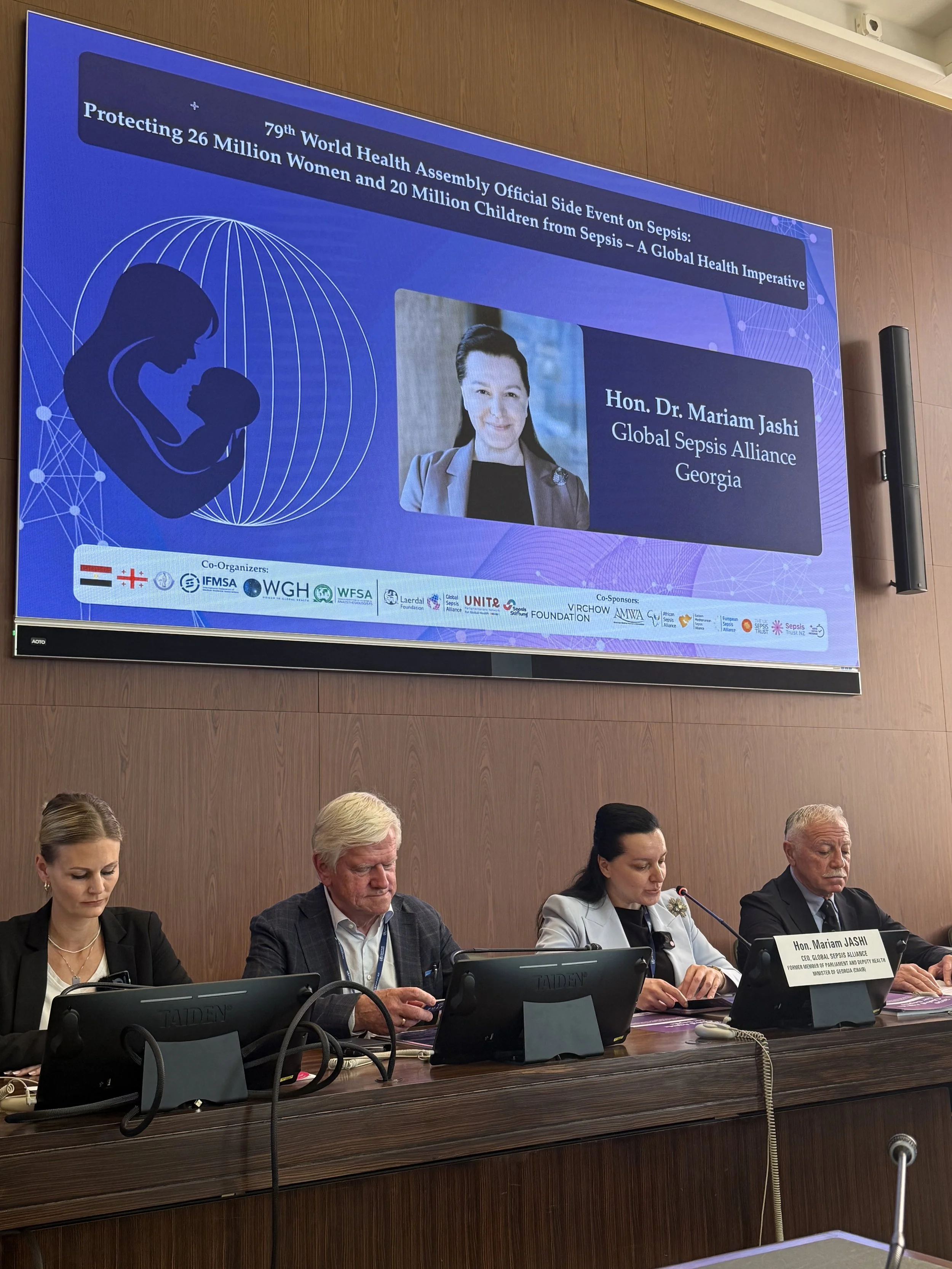
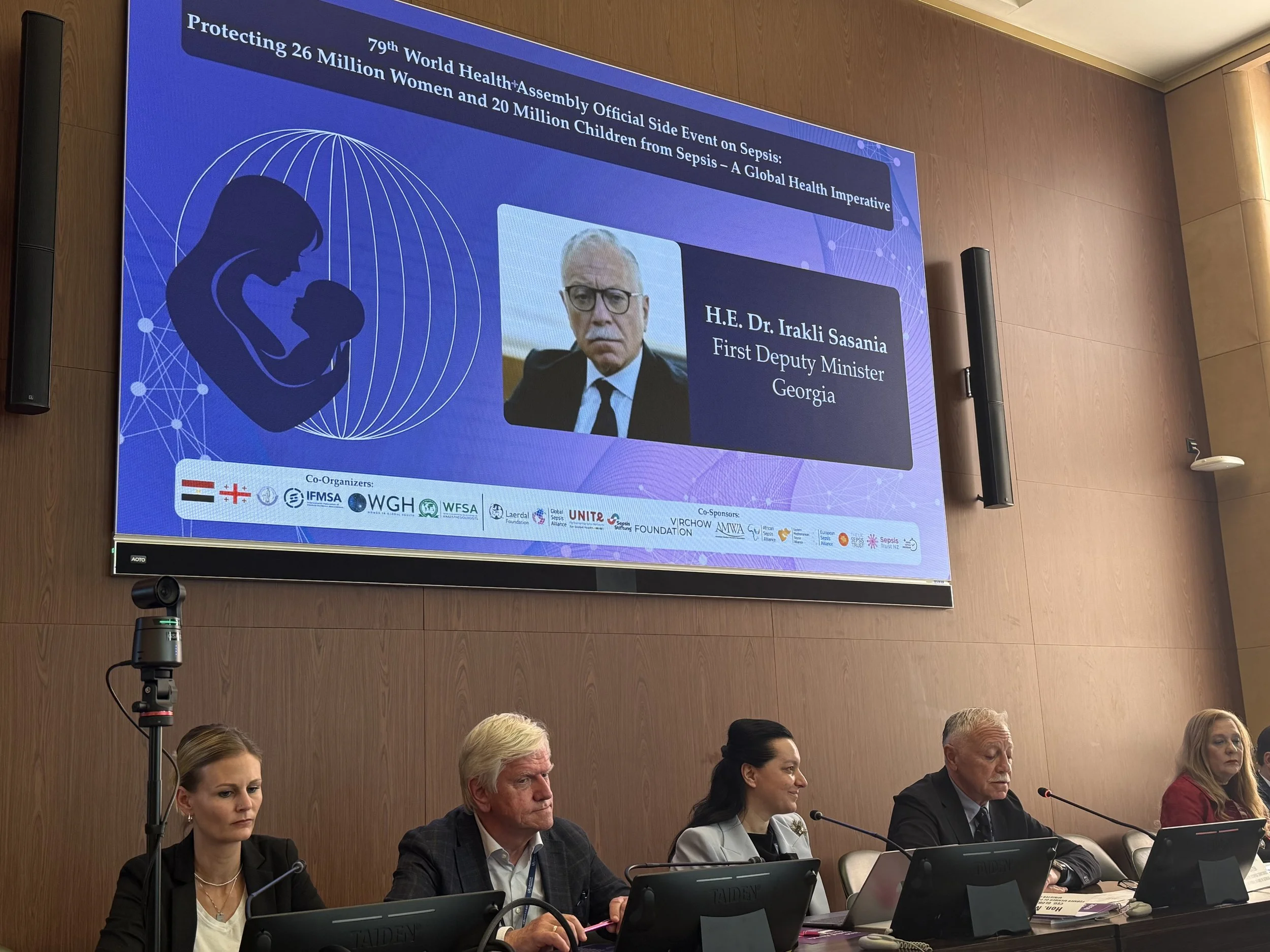
WHA79 Unites Global Health Leaders to Advance the Sepsis Agenda

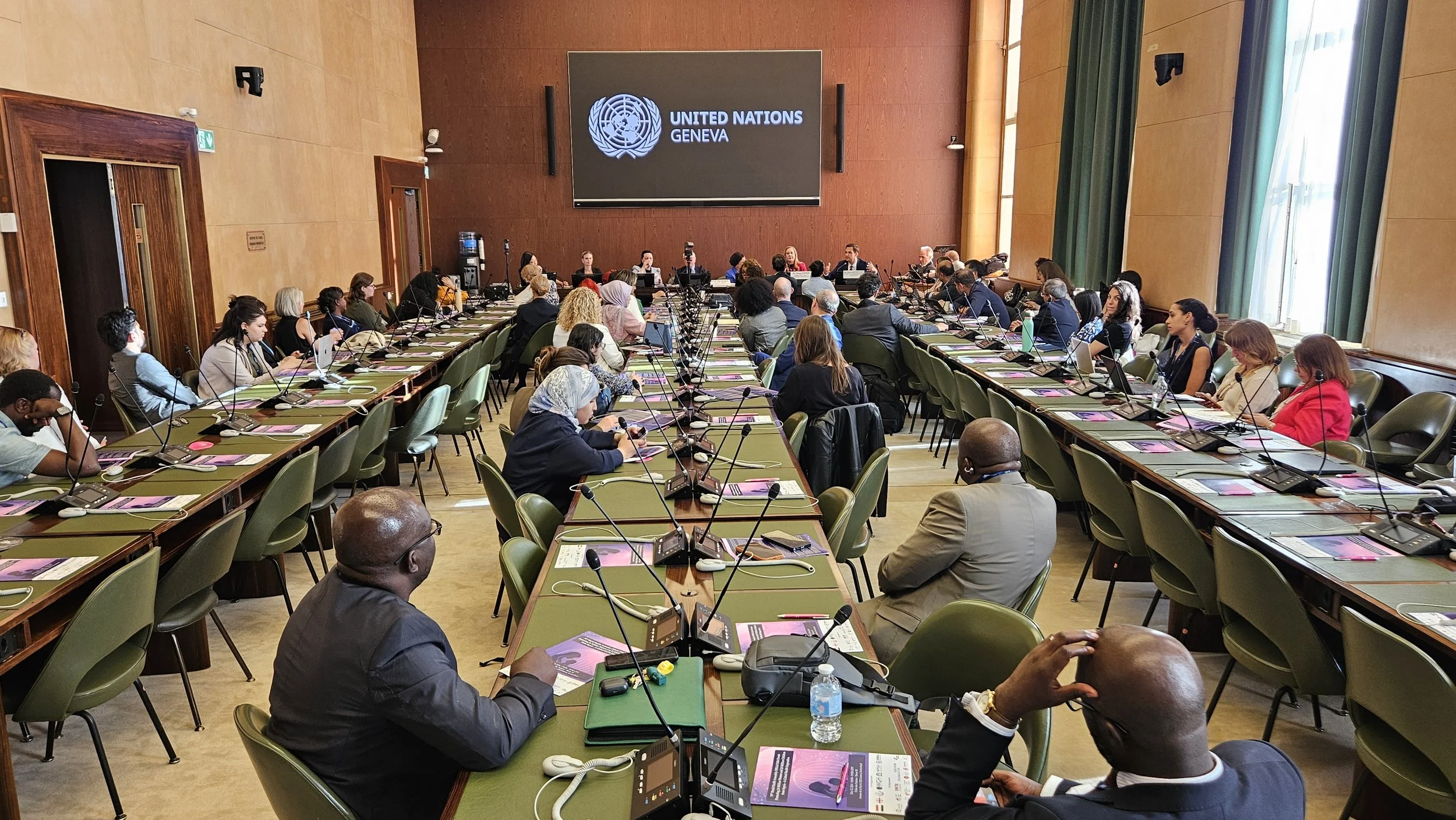
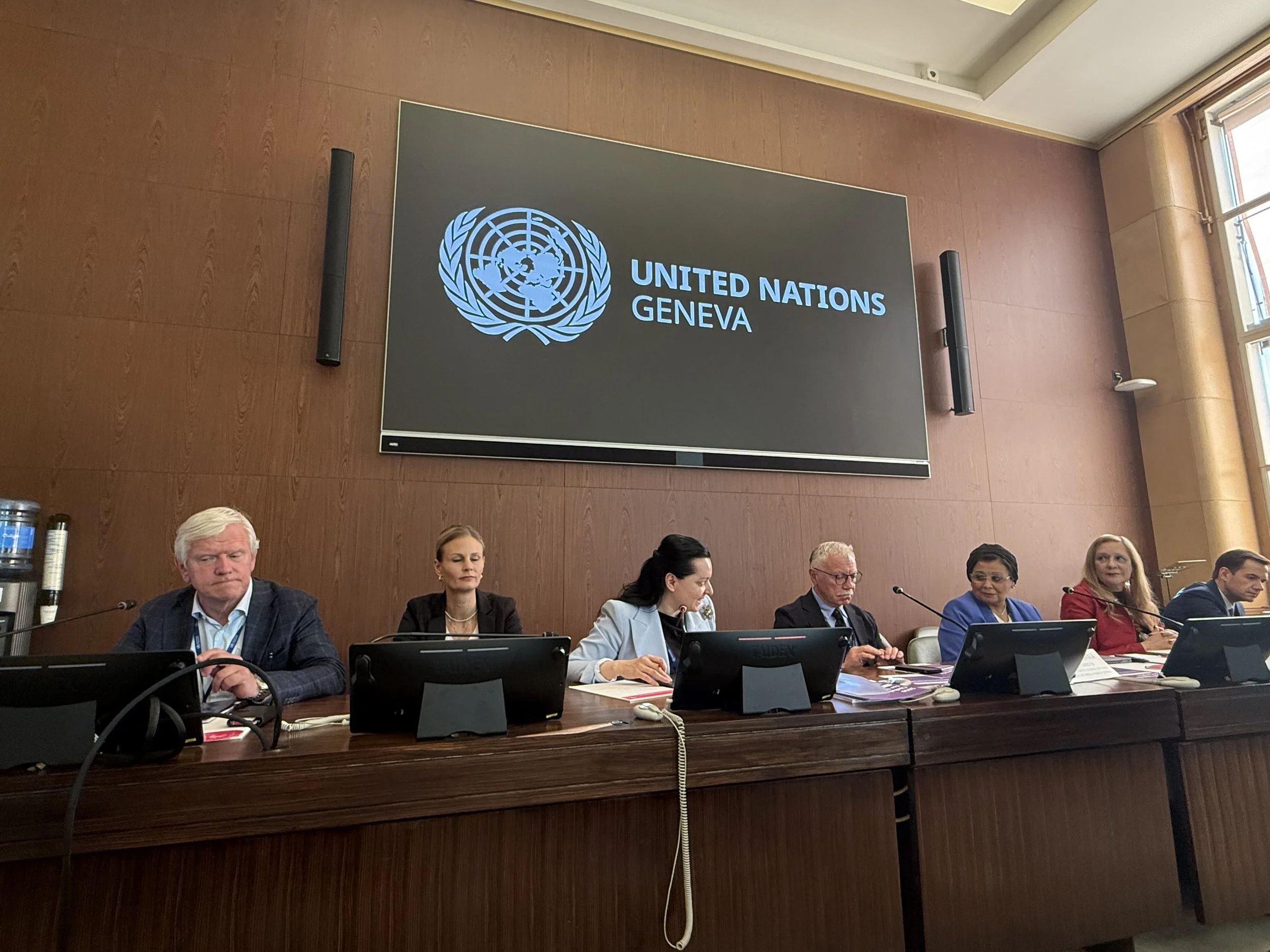
21 May 2026 | Palais des Nations, Geneva

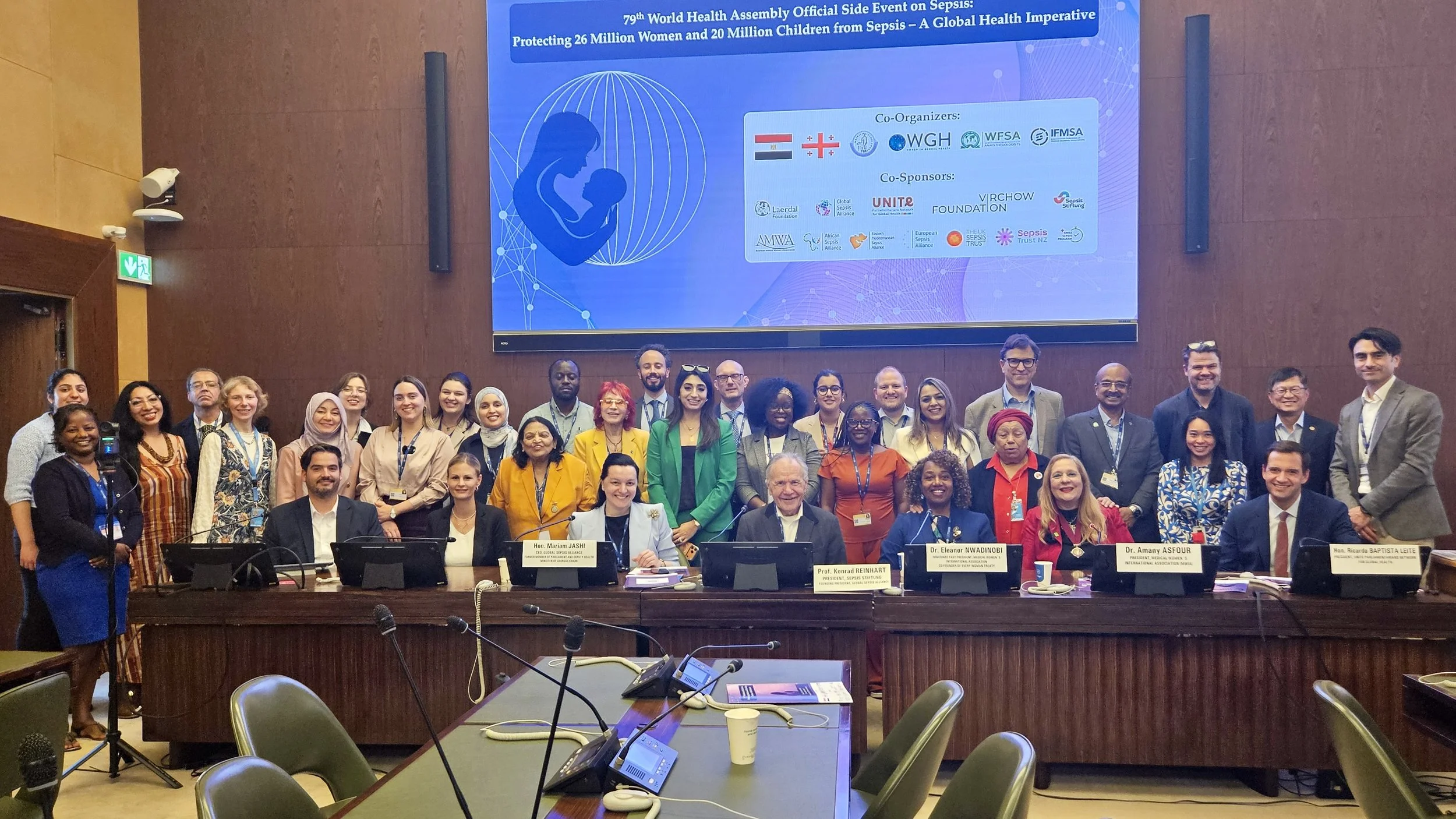
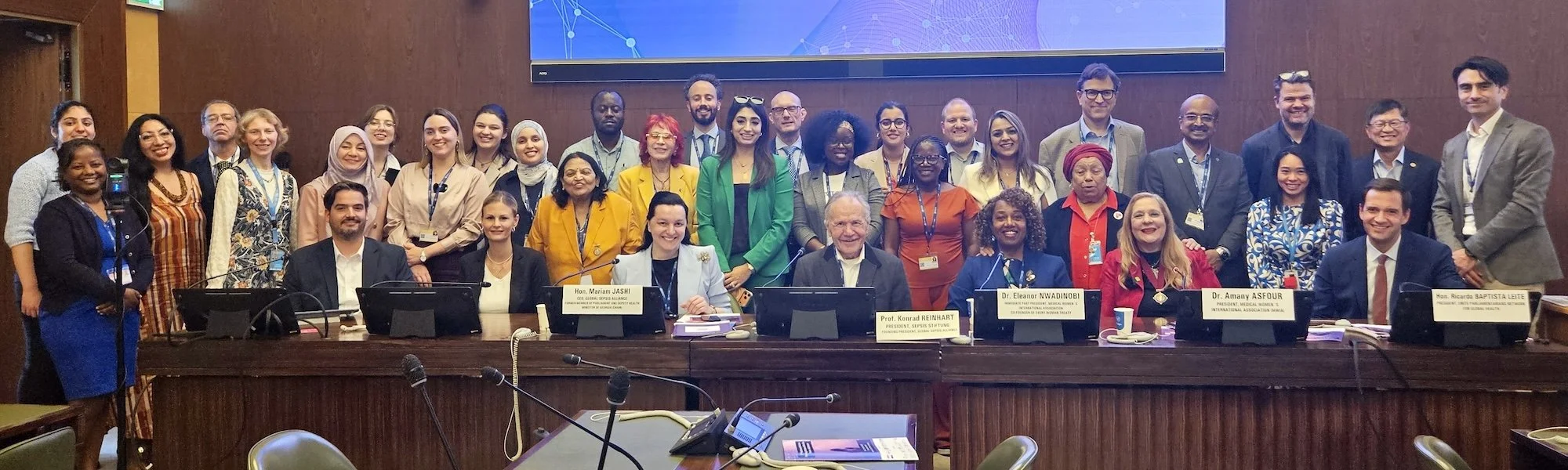
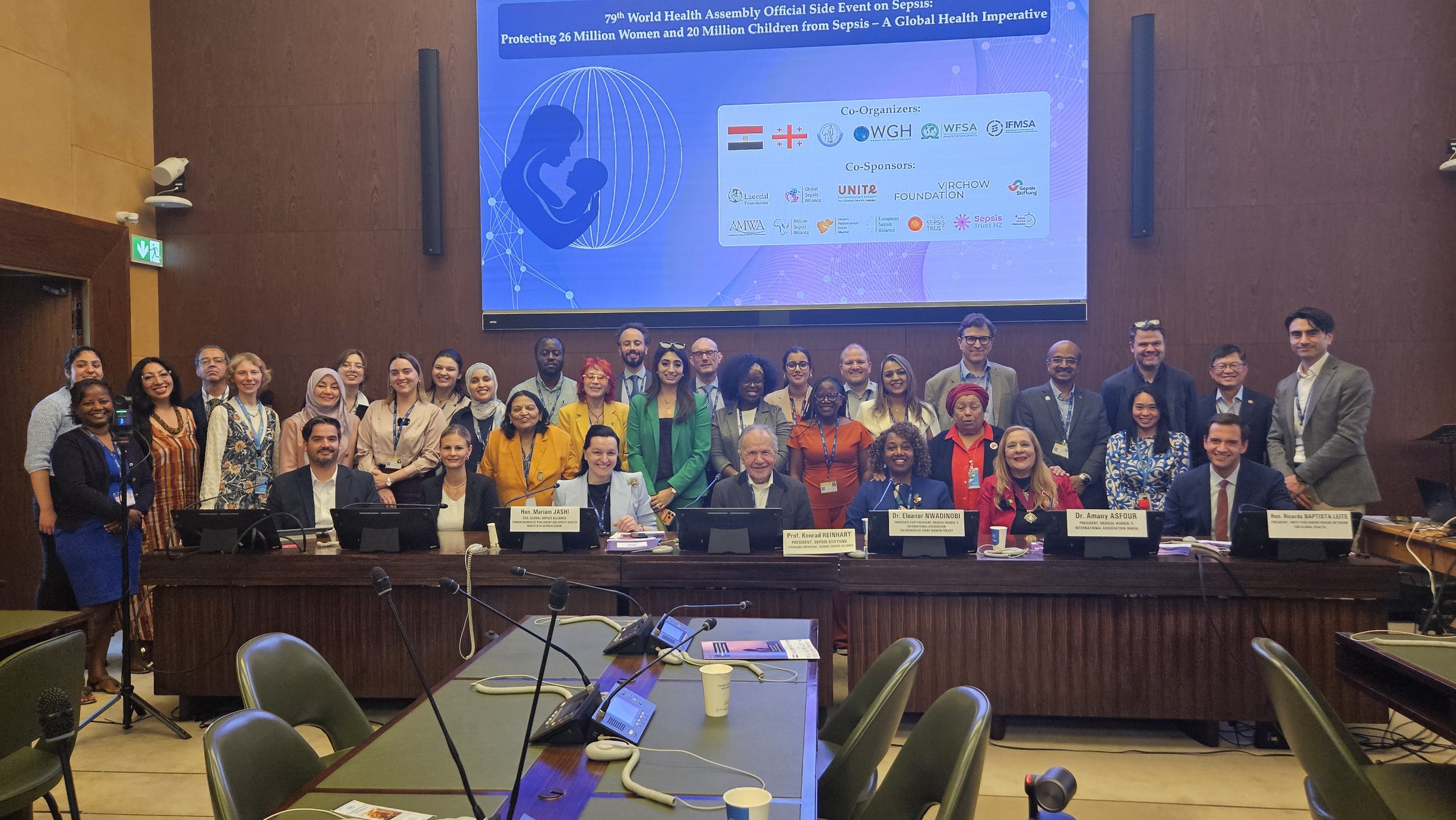
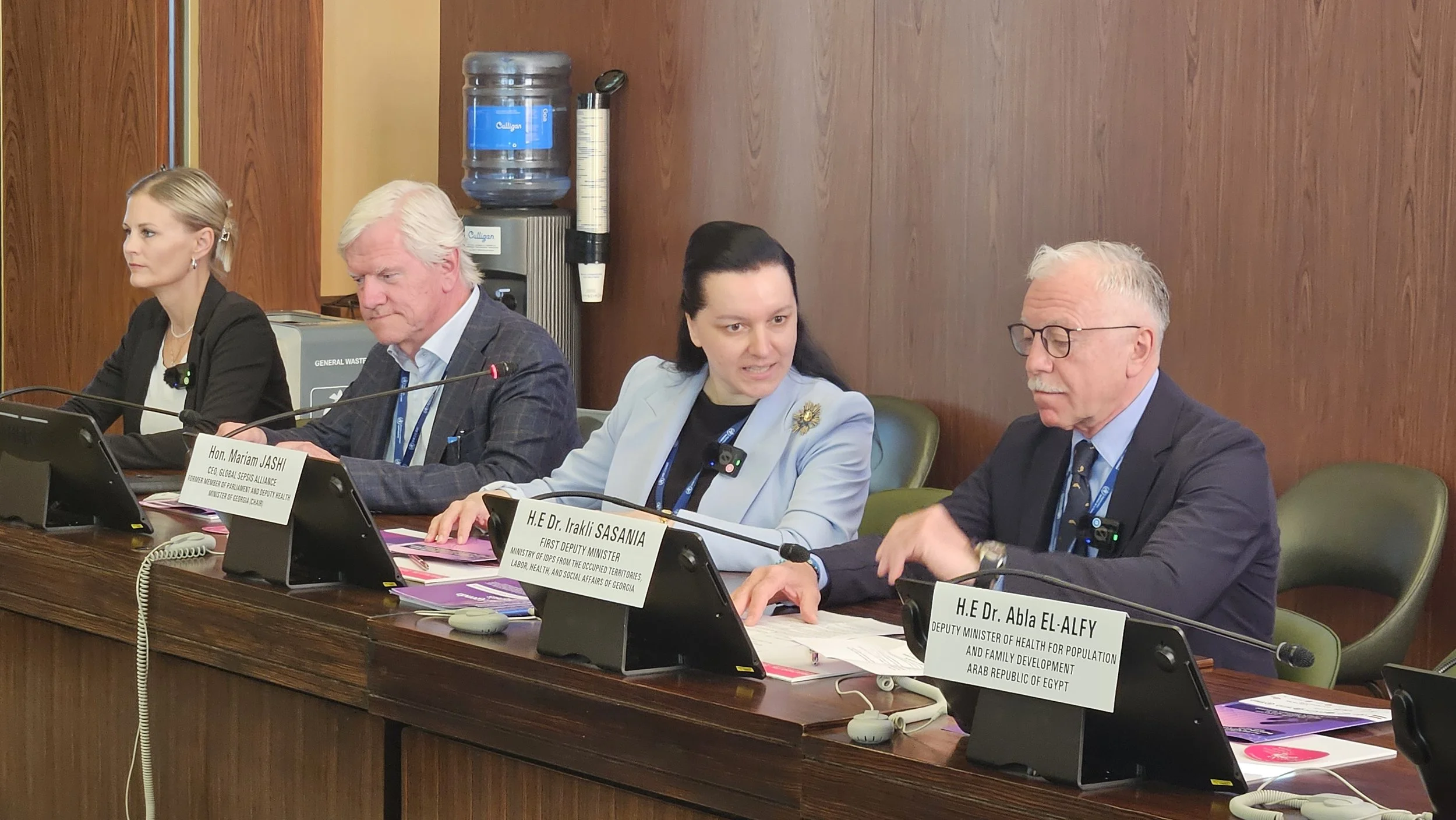
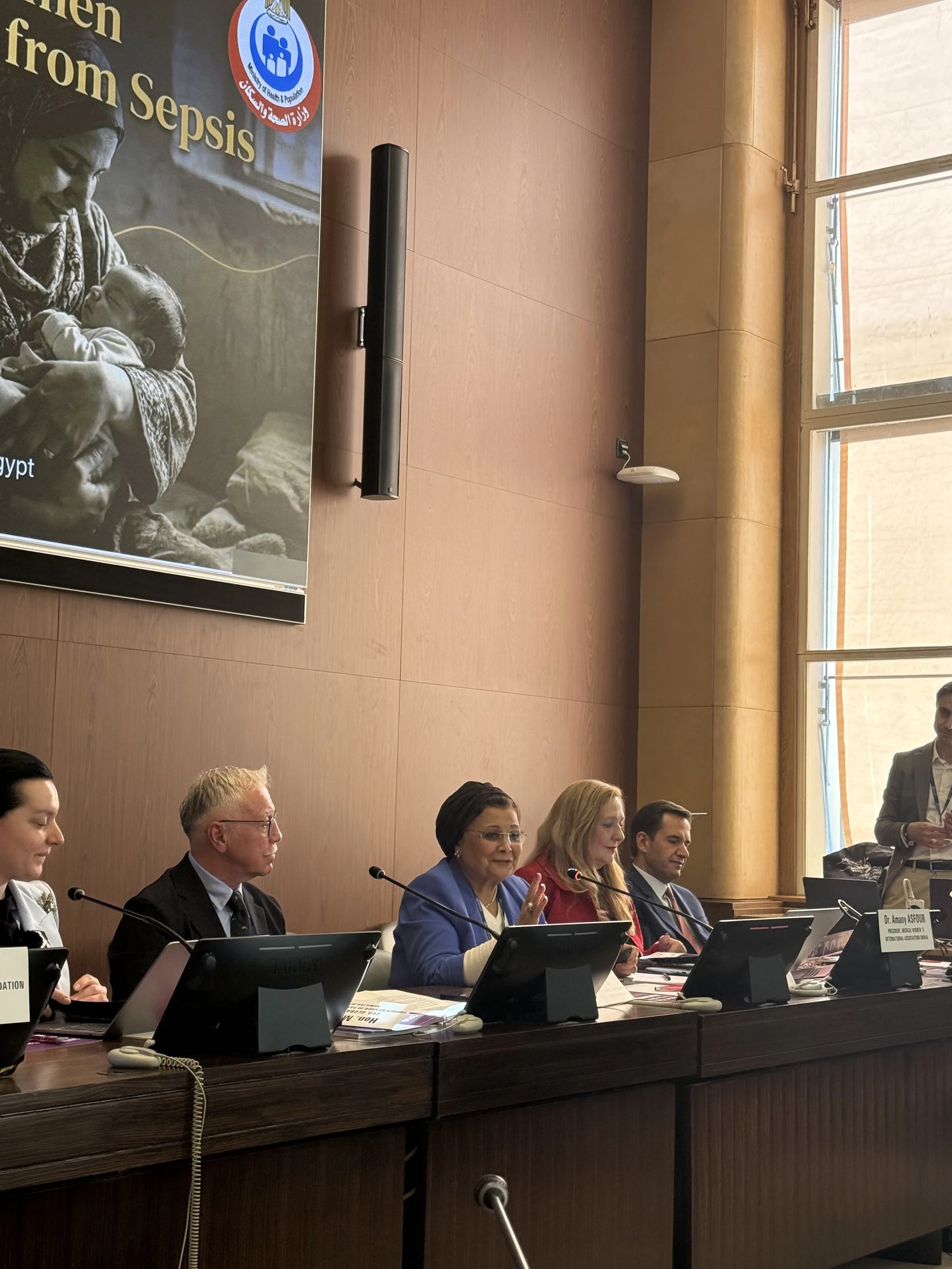
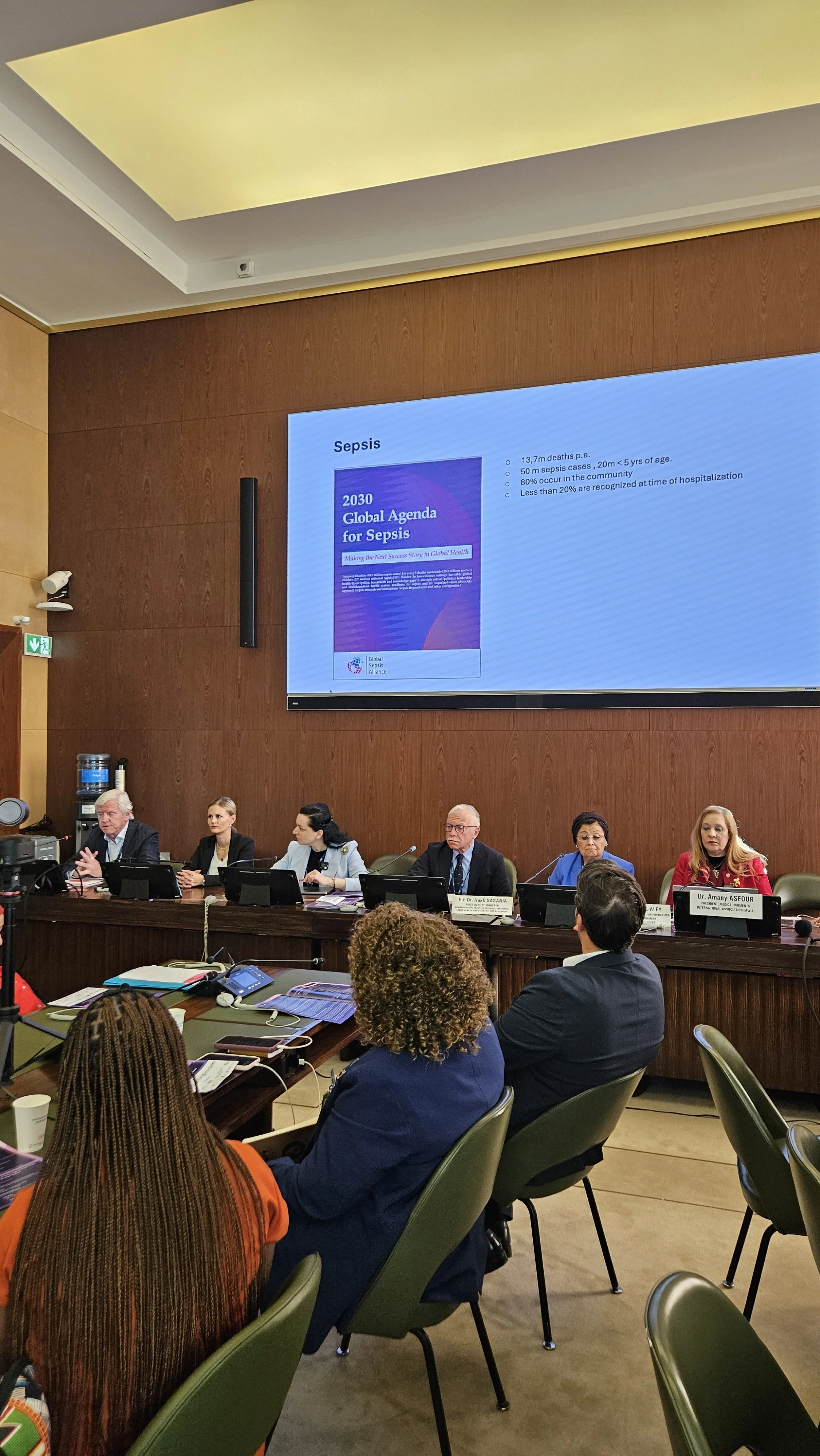
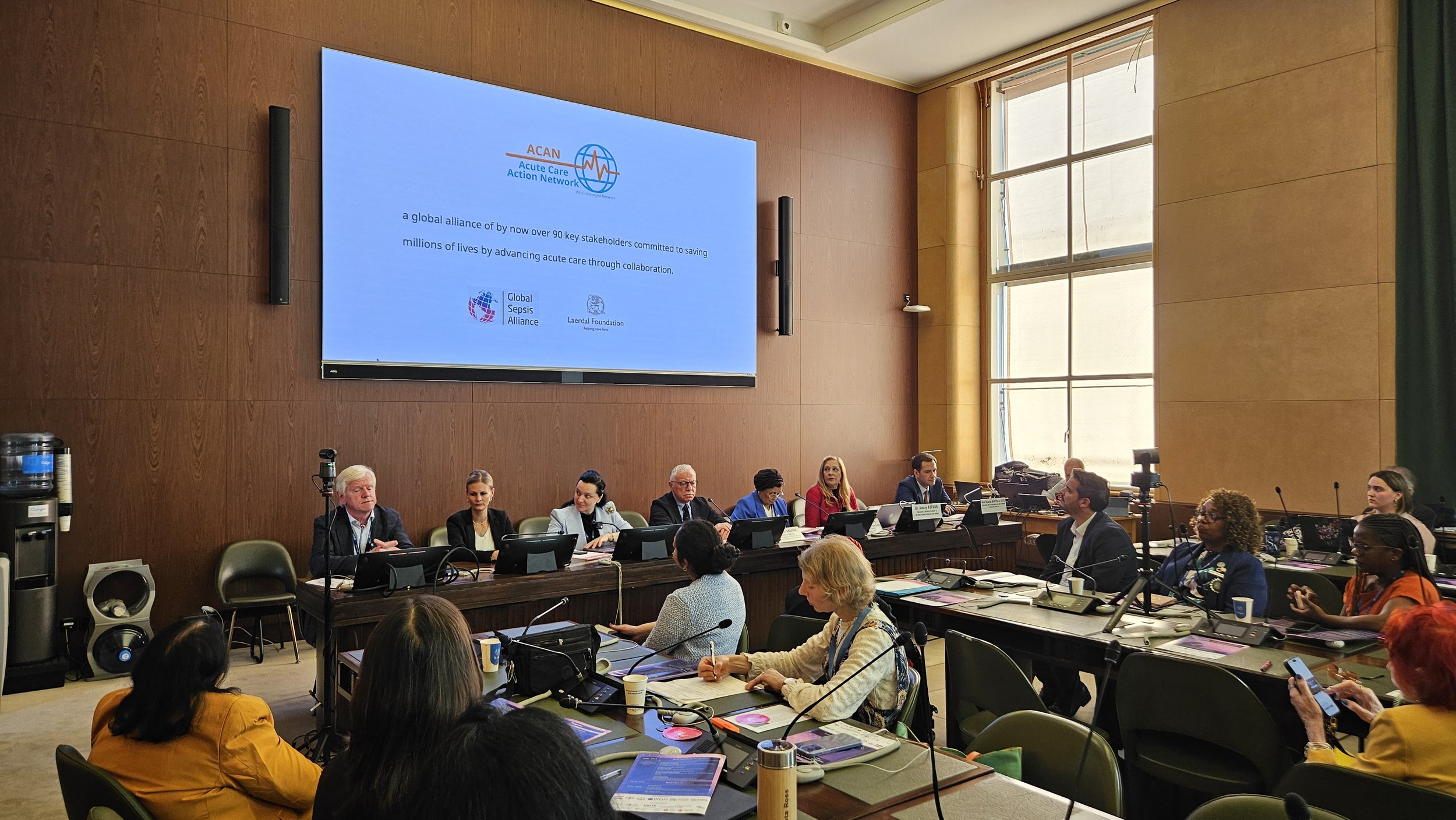
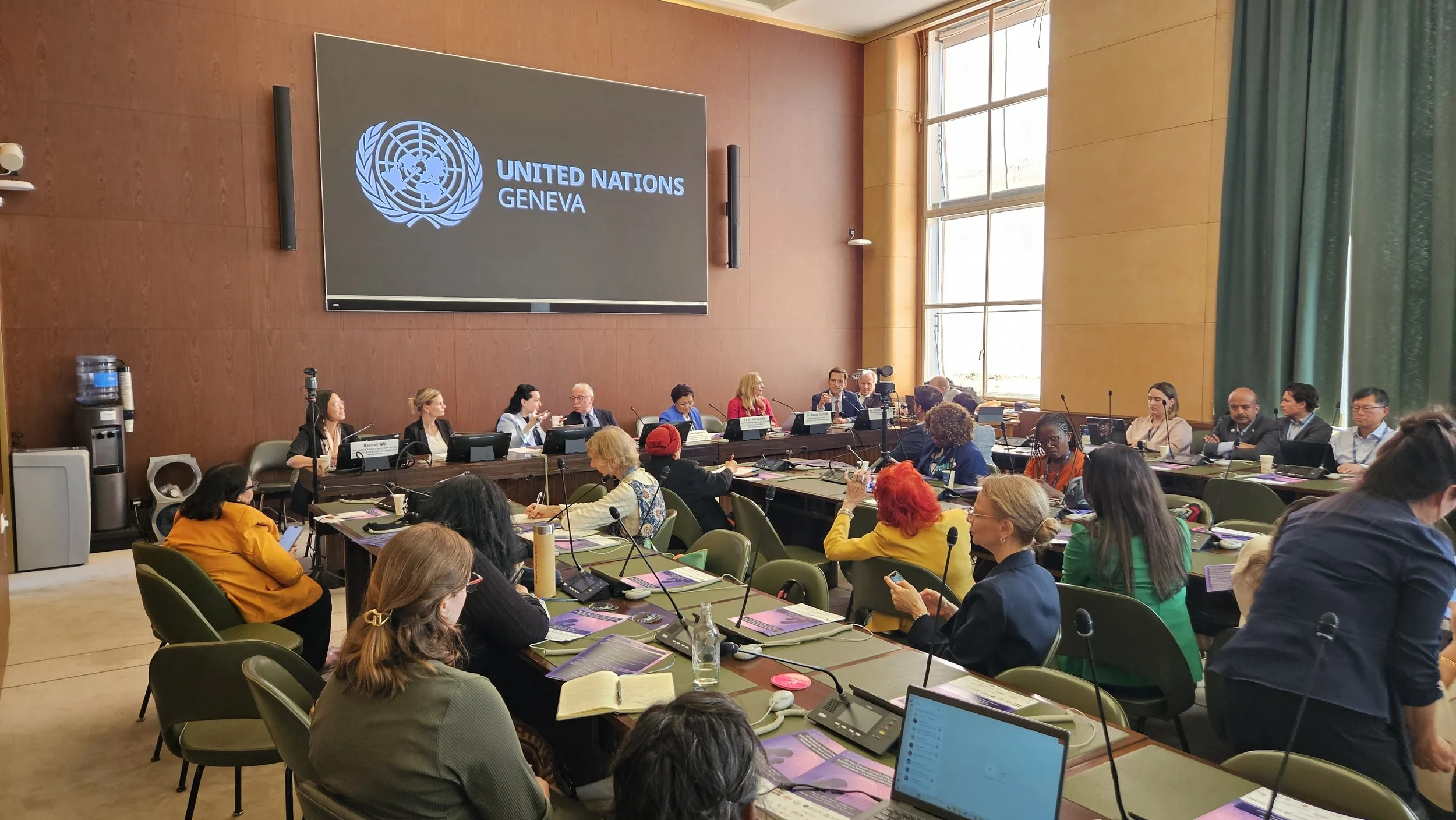
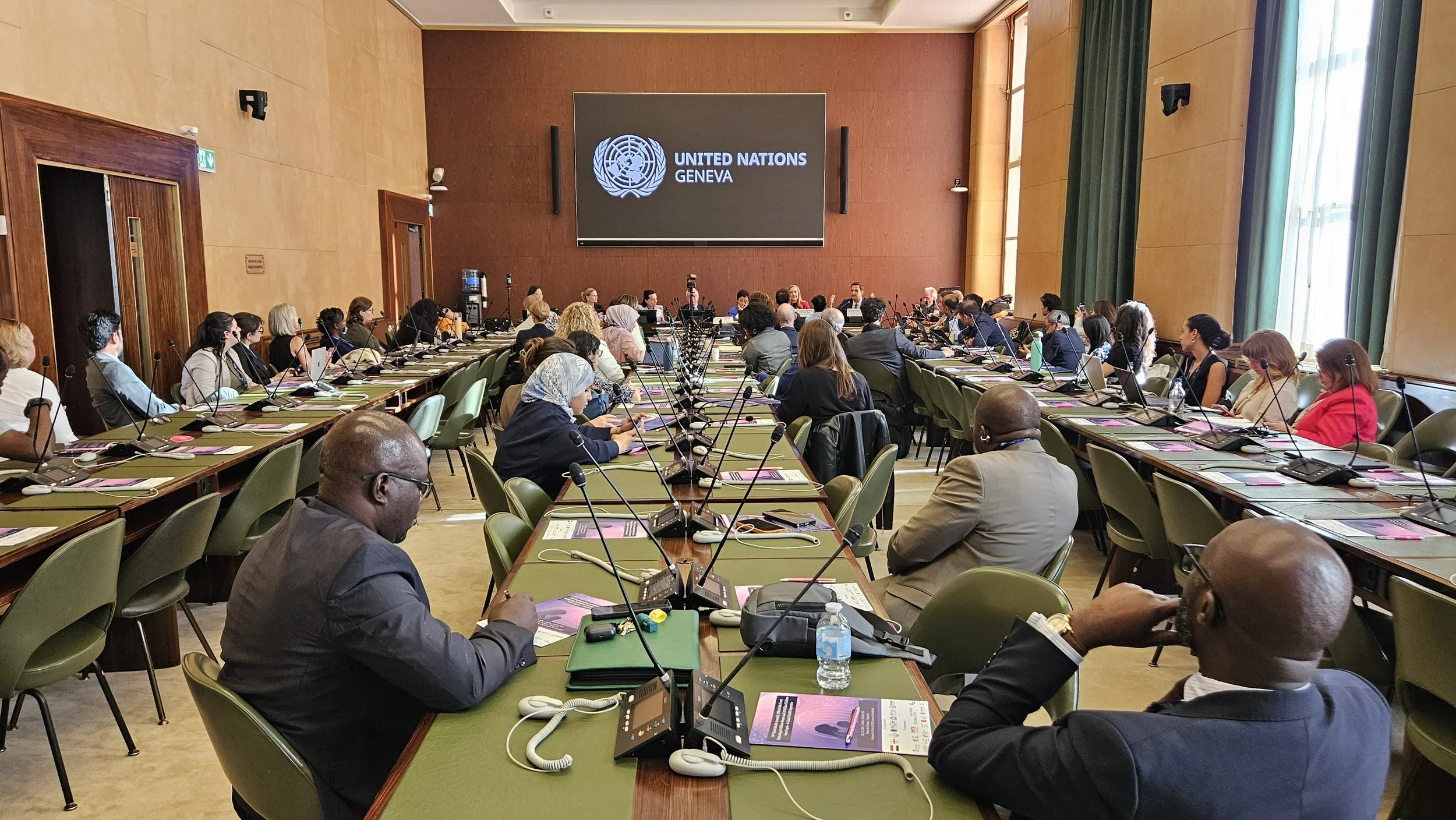
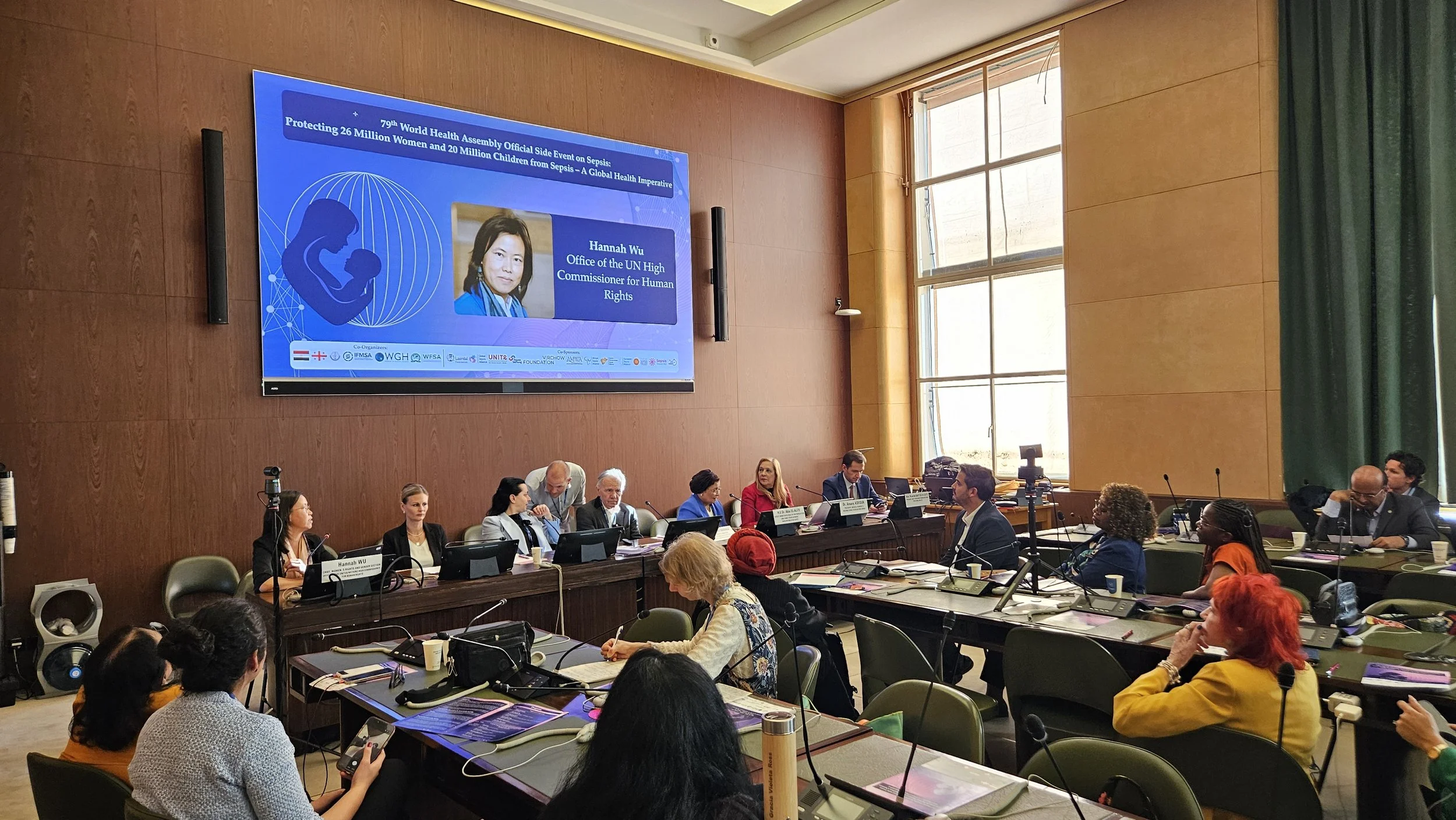
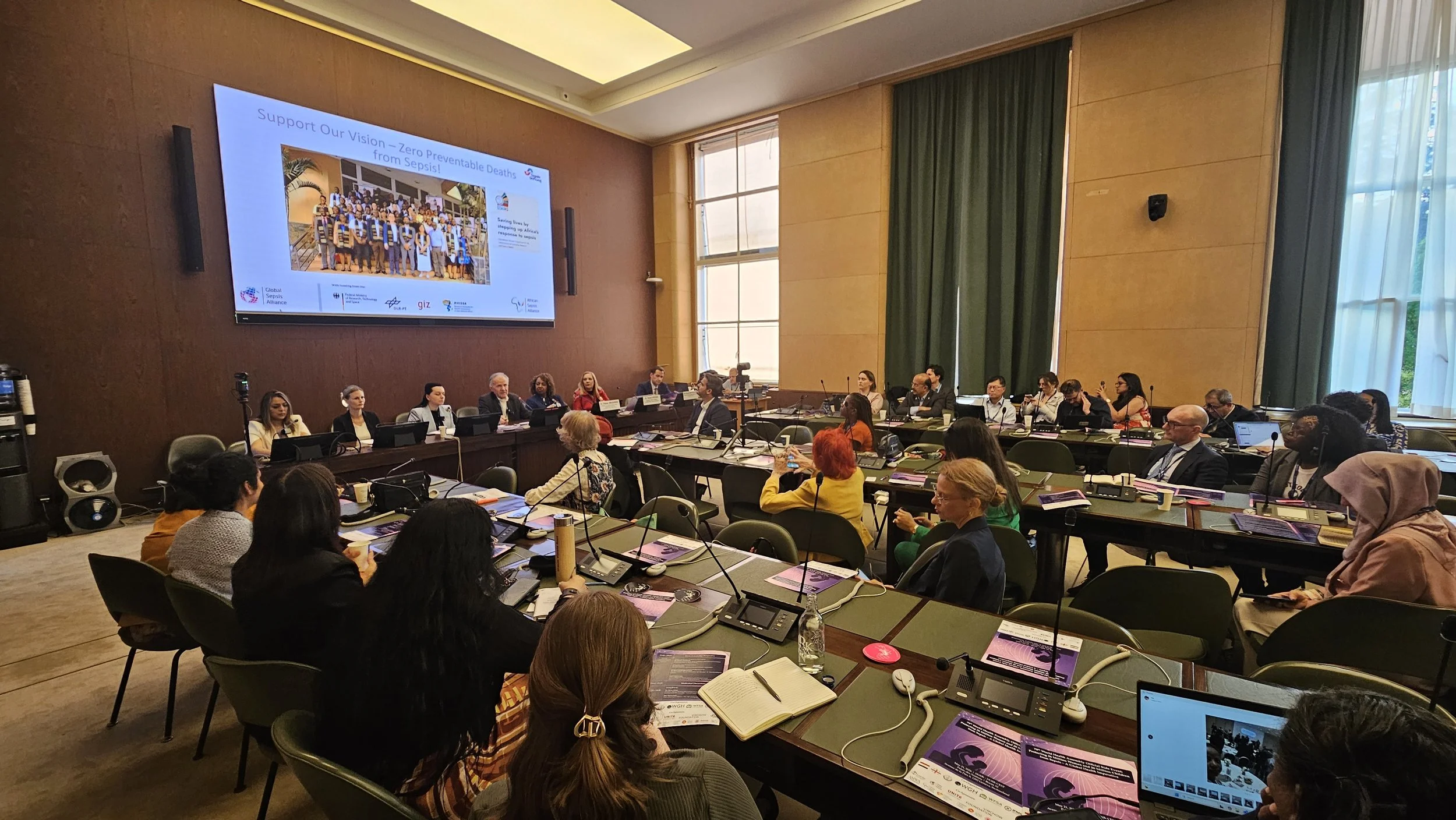
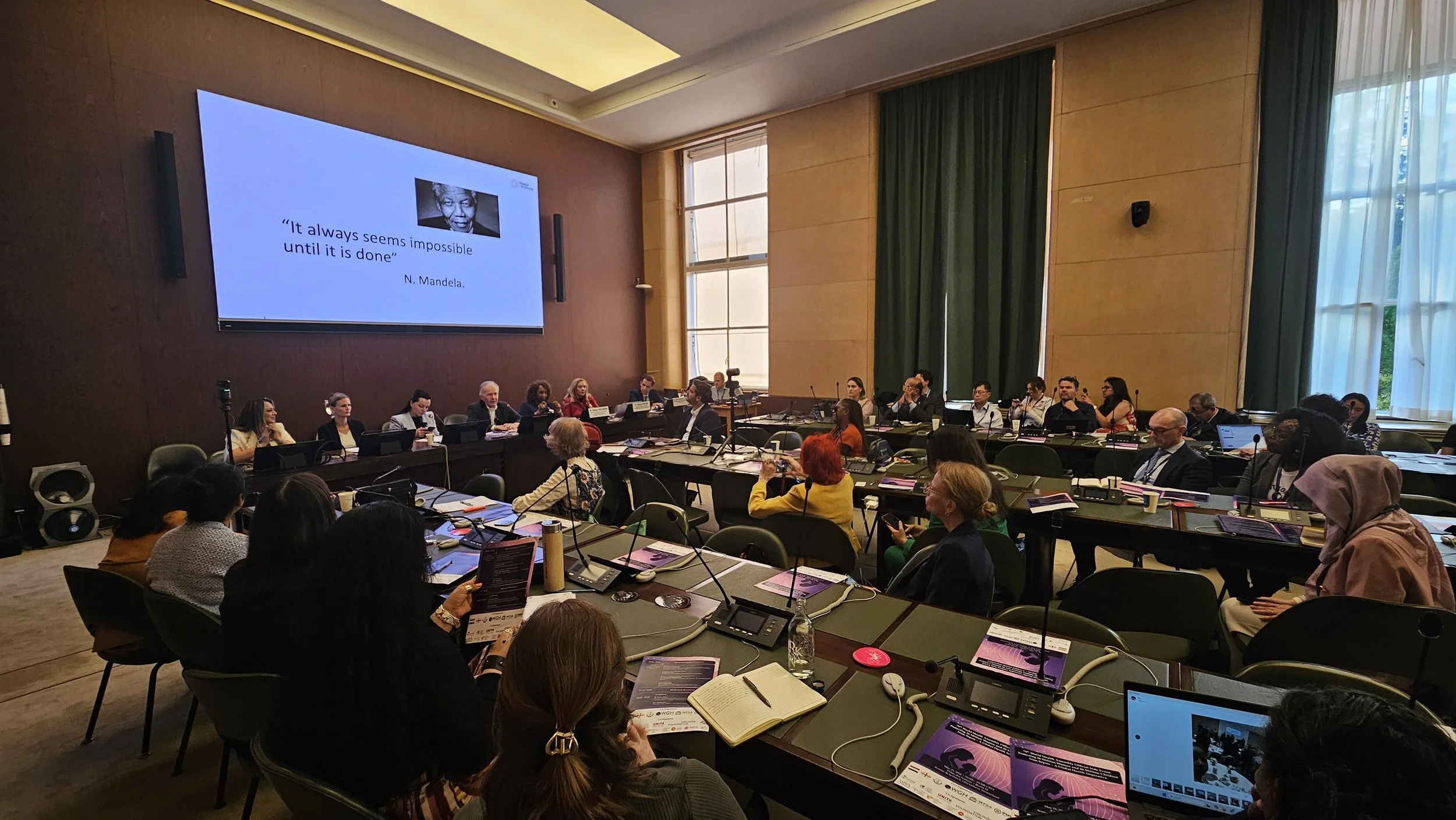
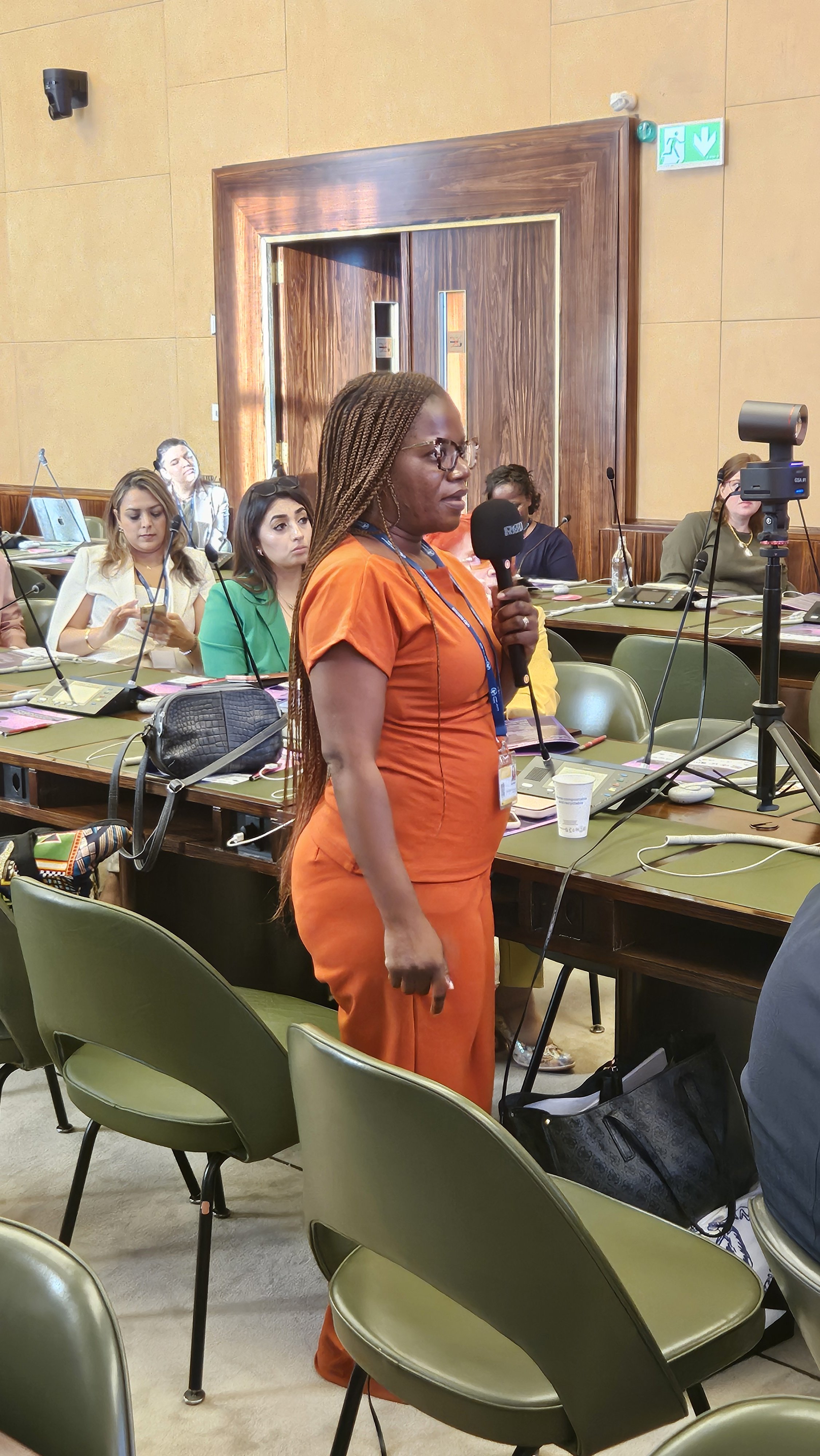
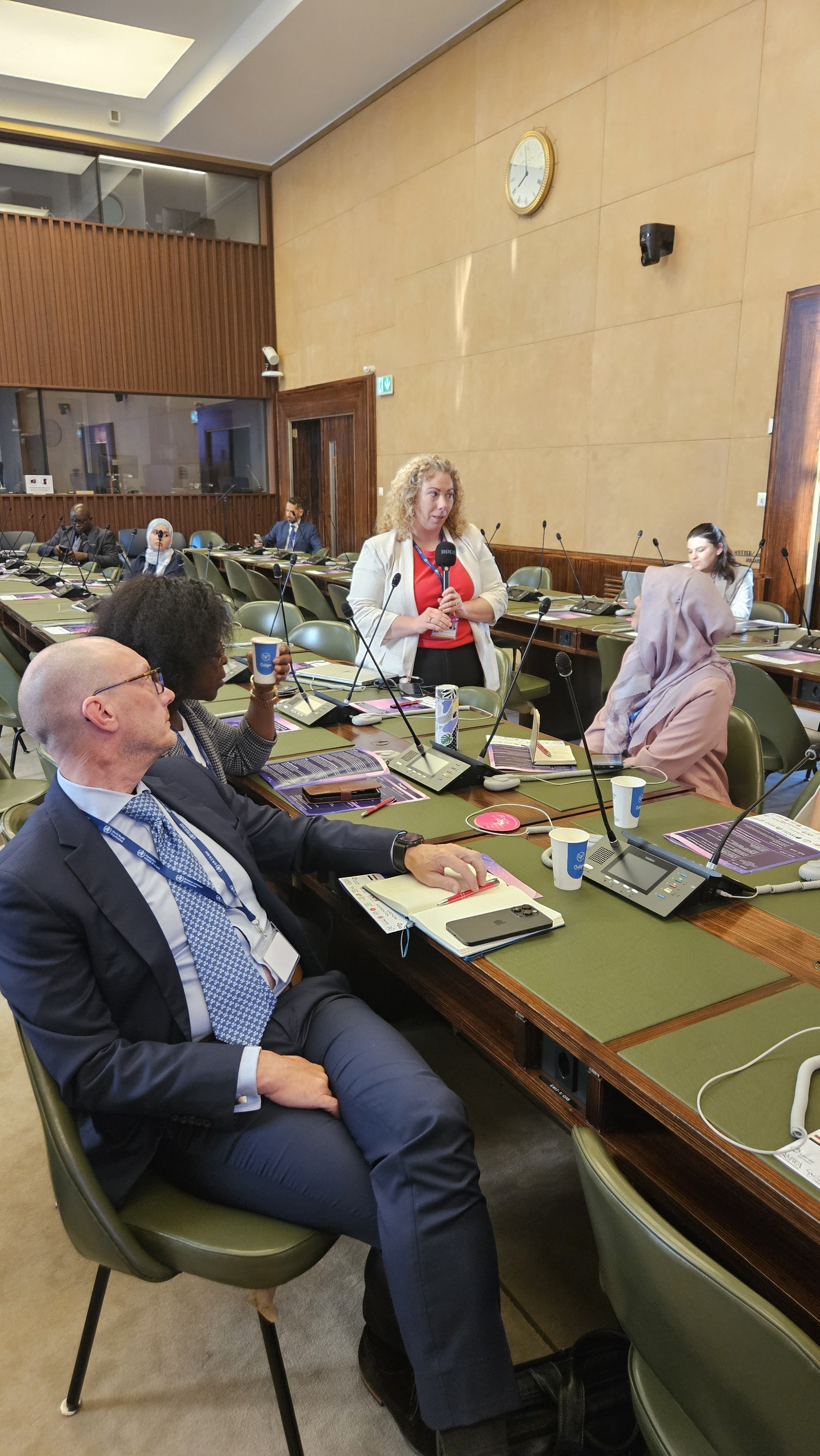
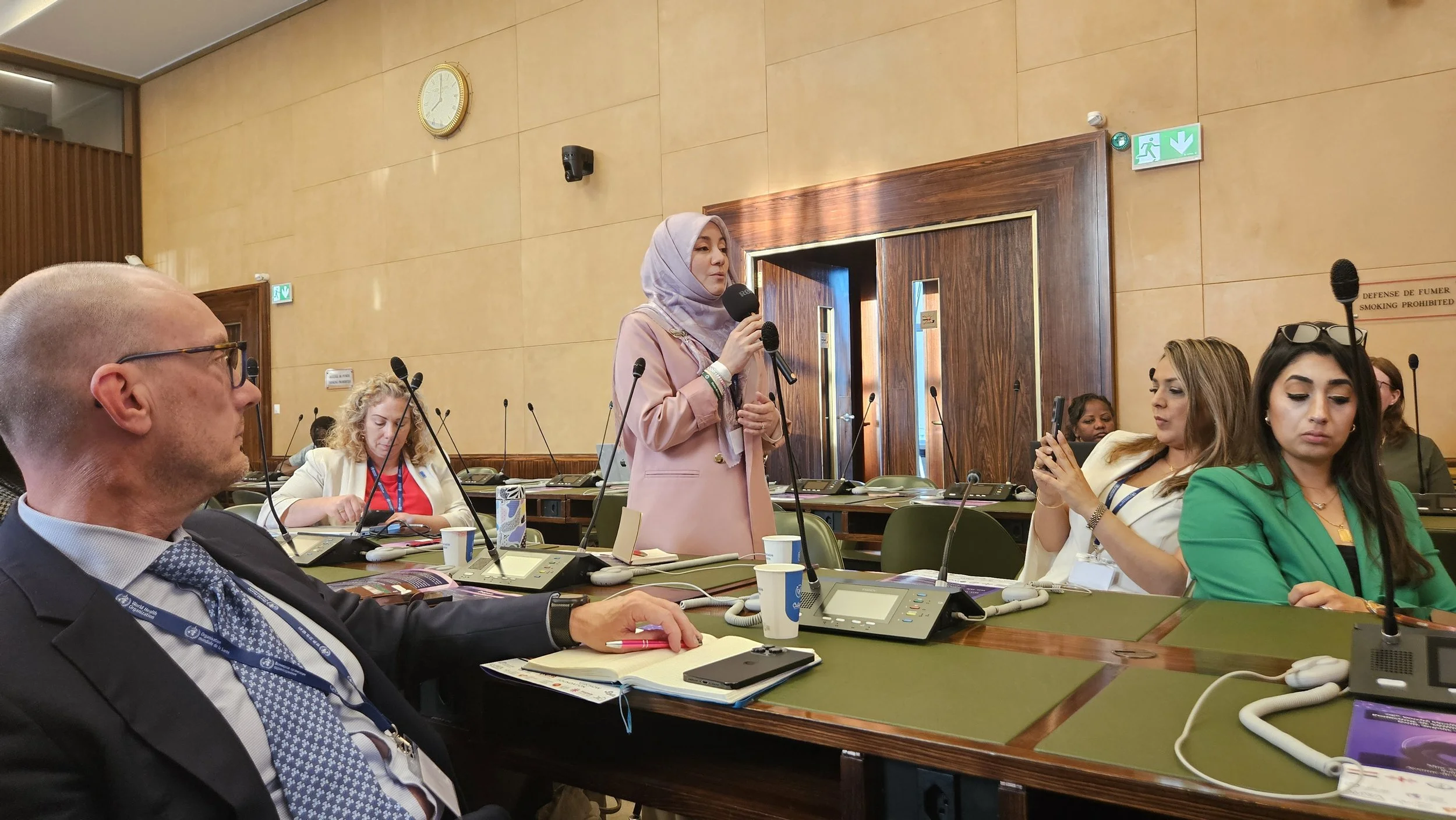
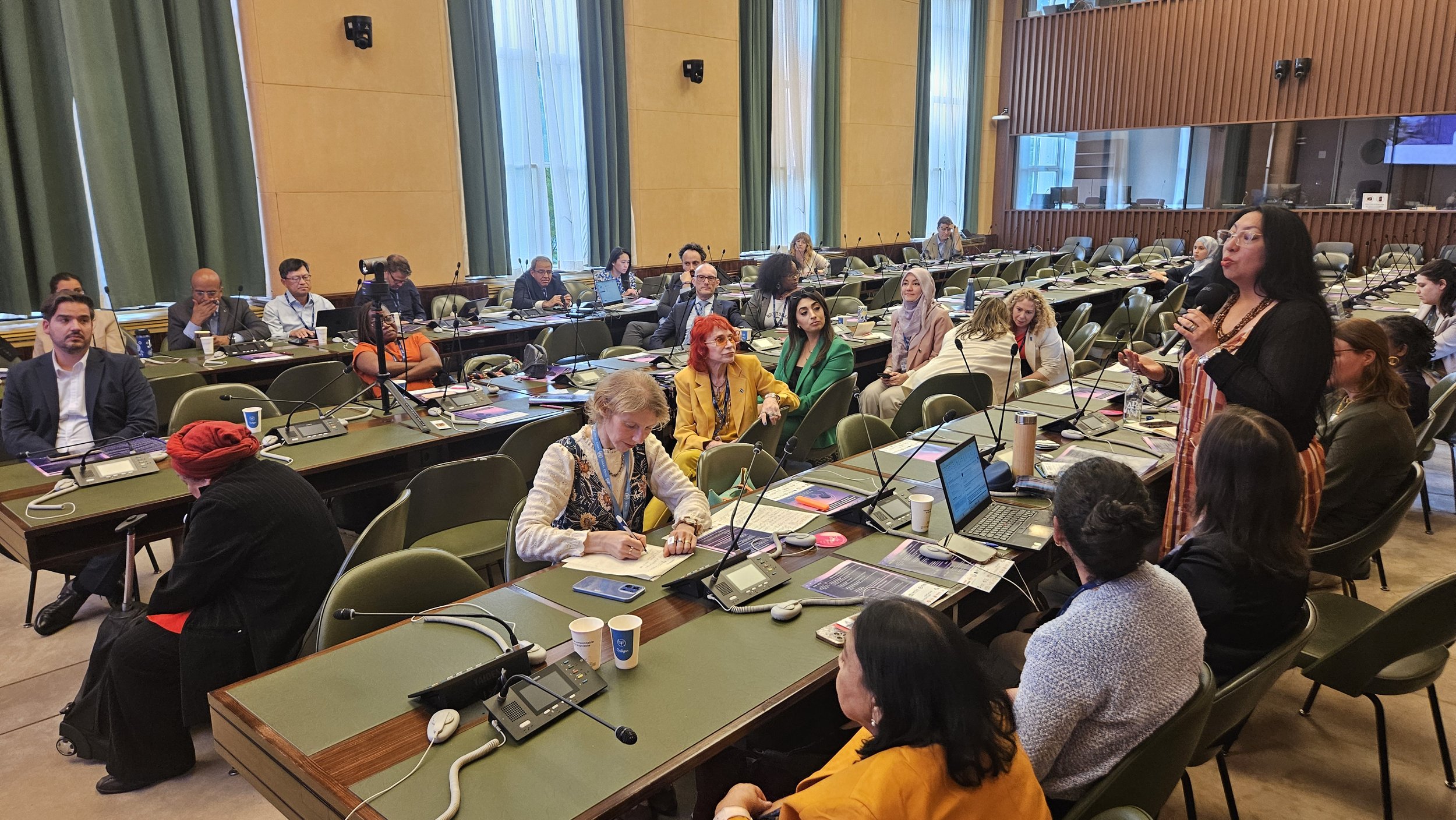
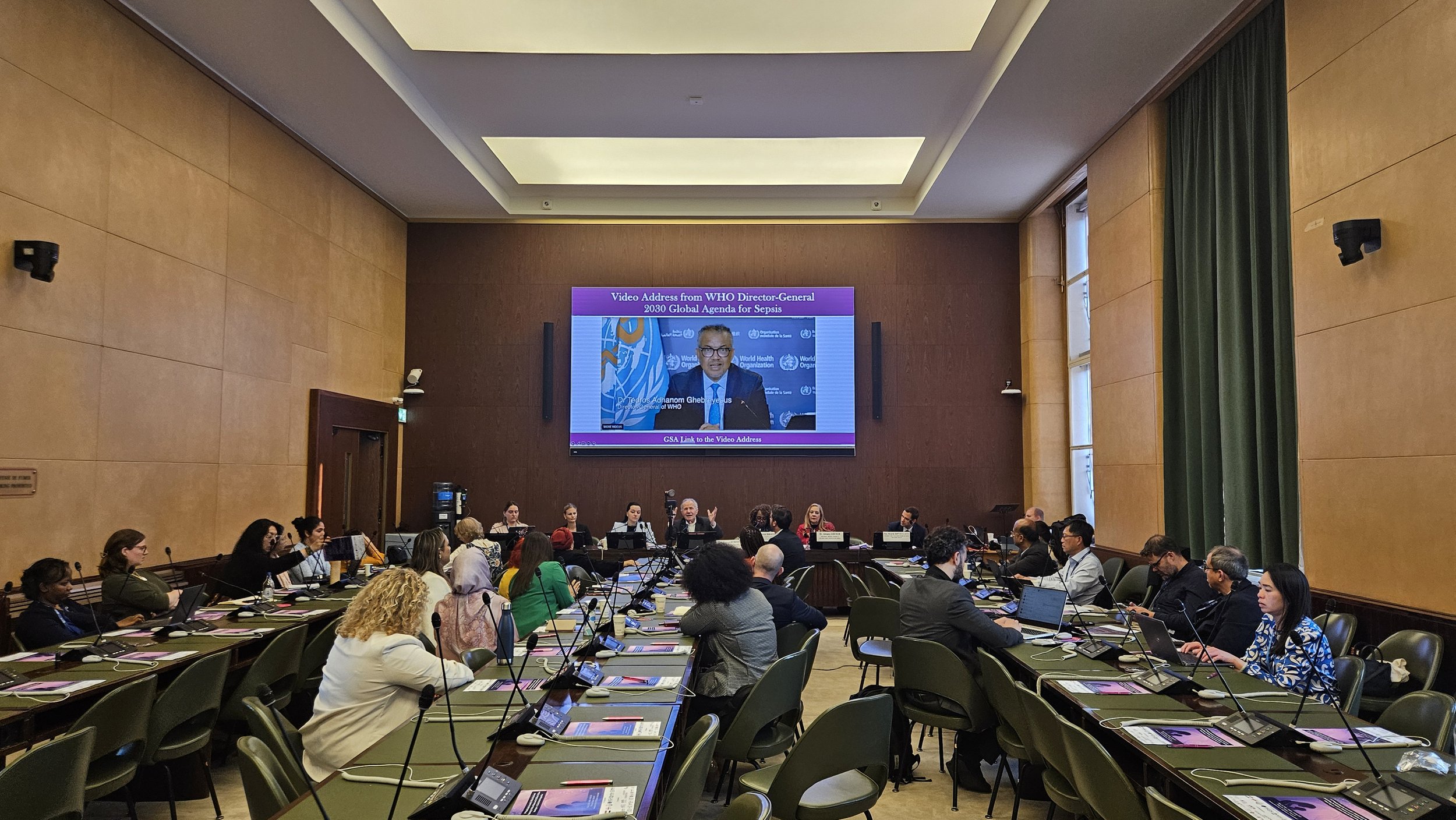
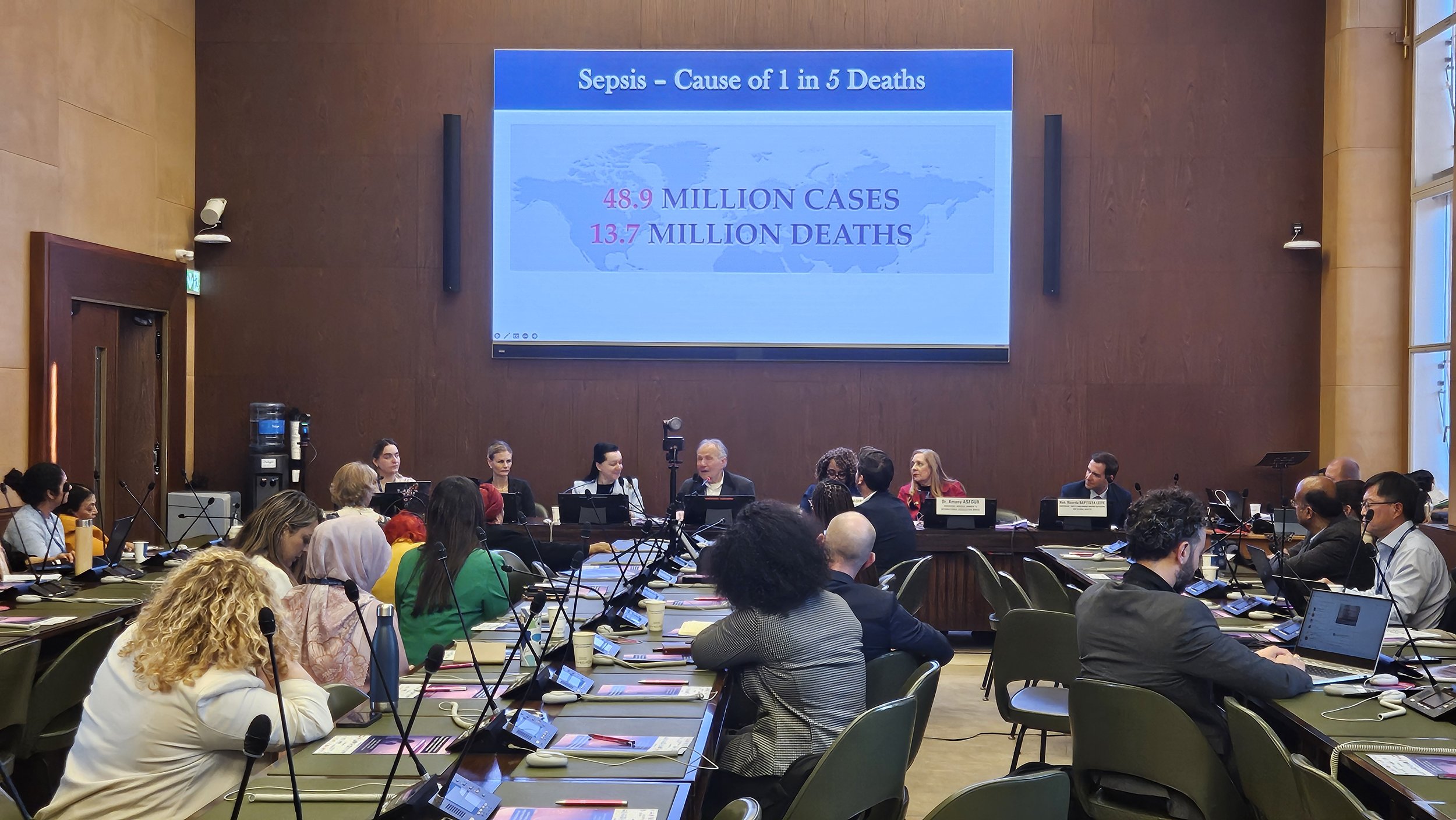
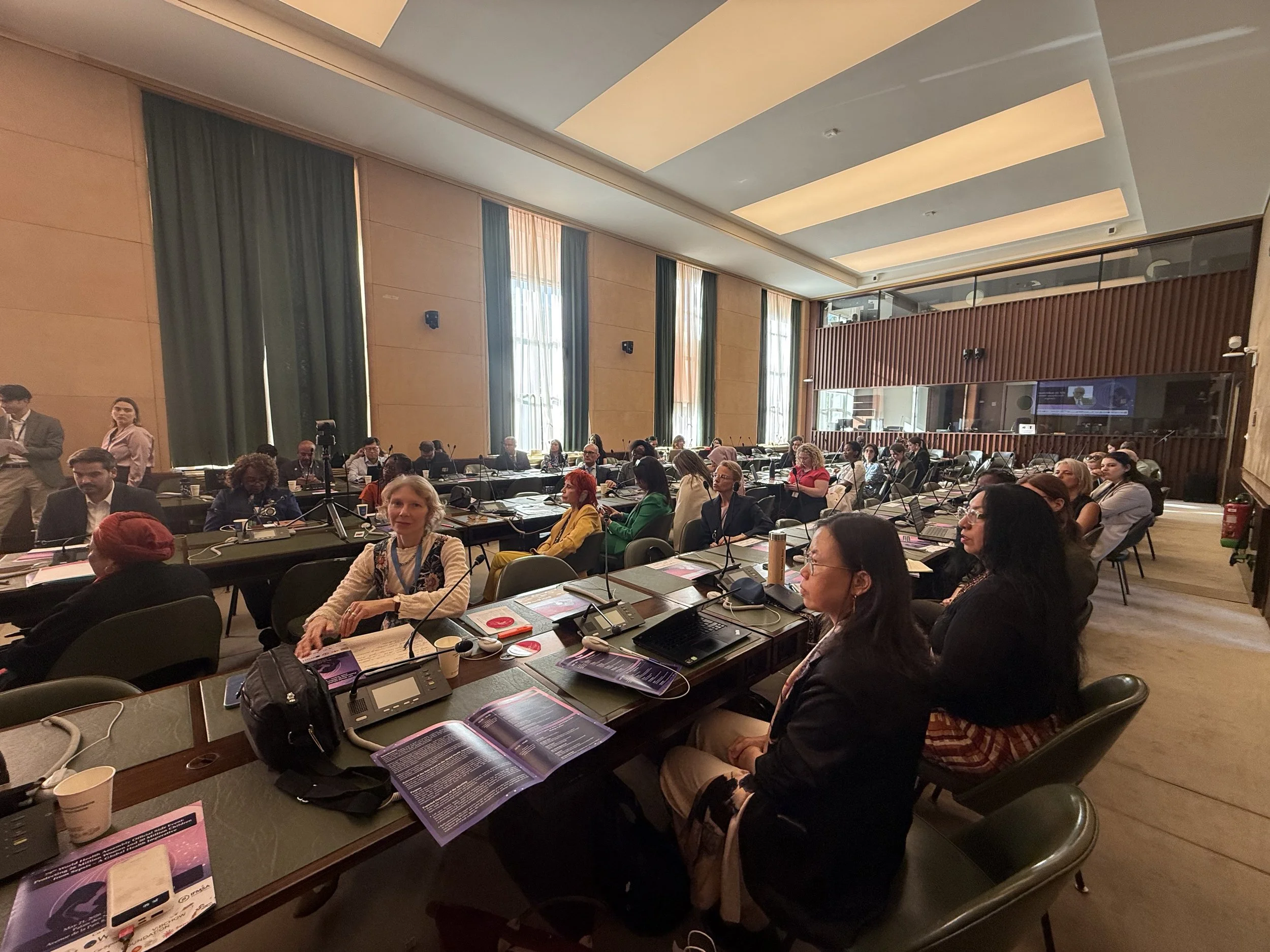
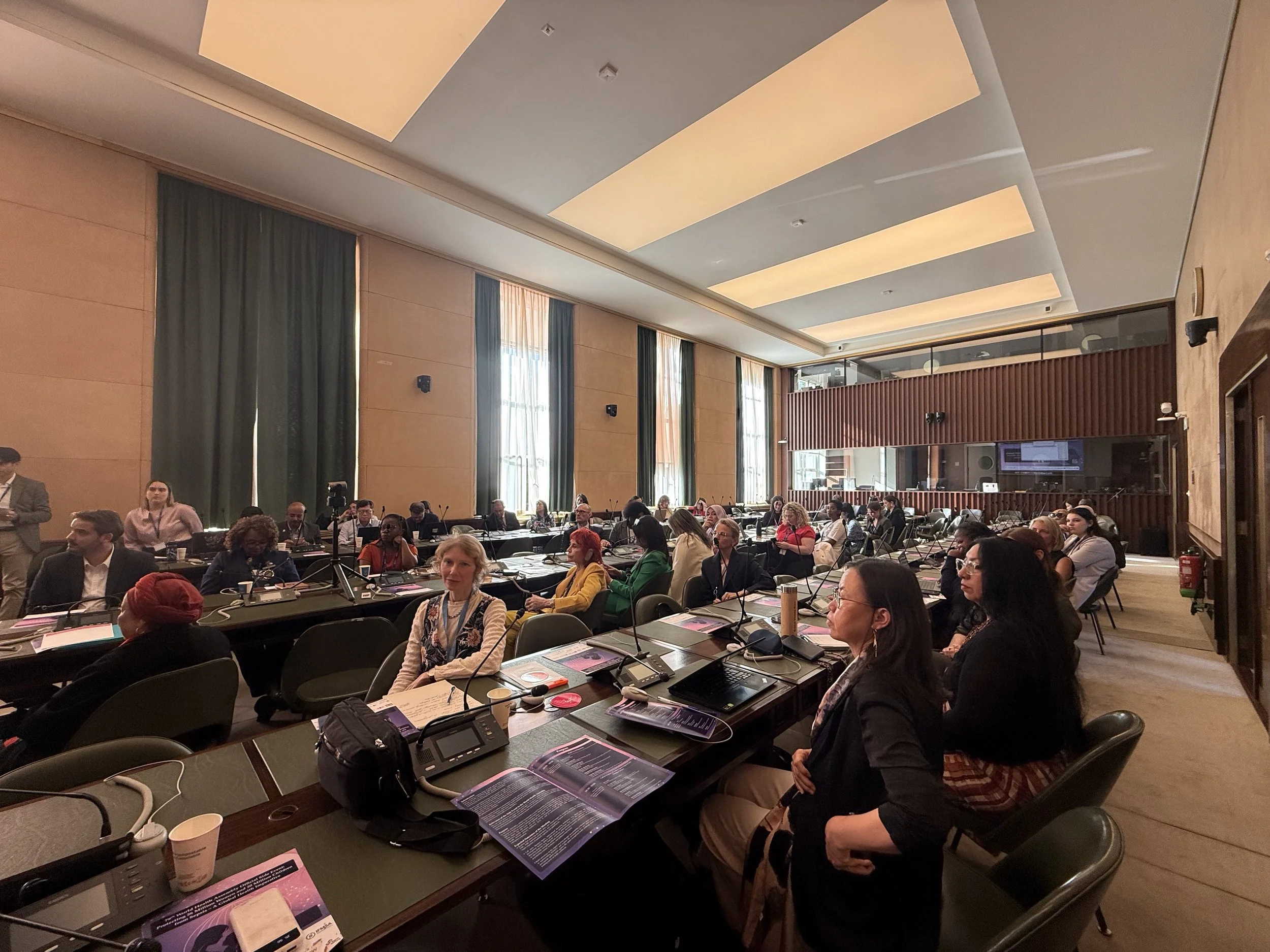
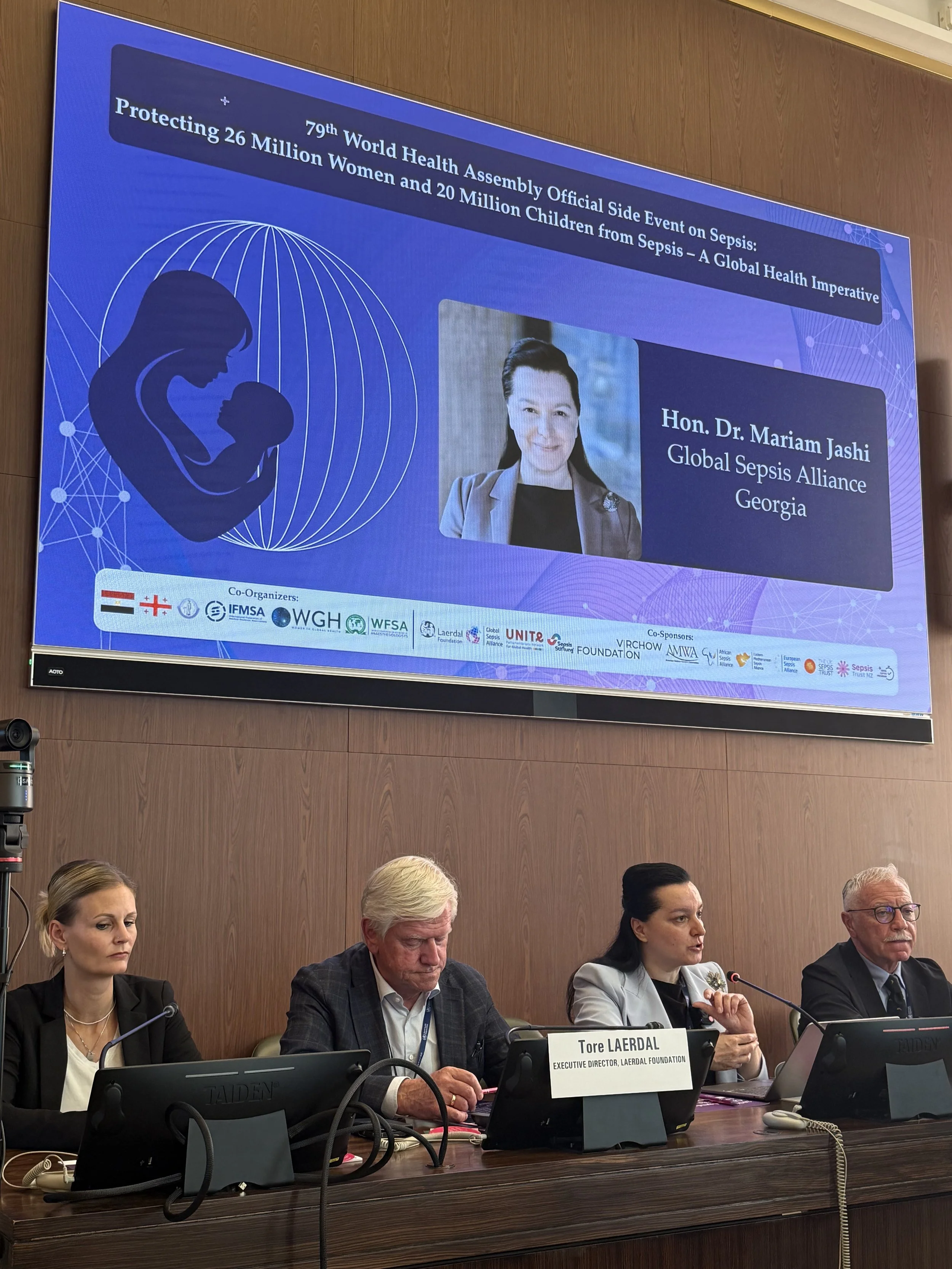
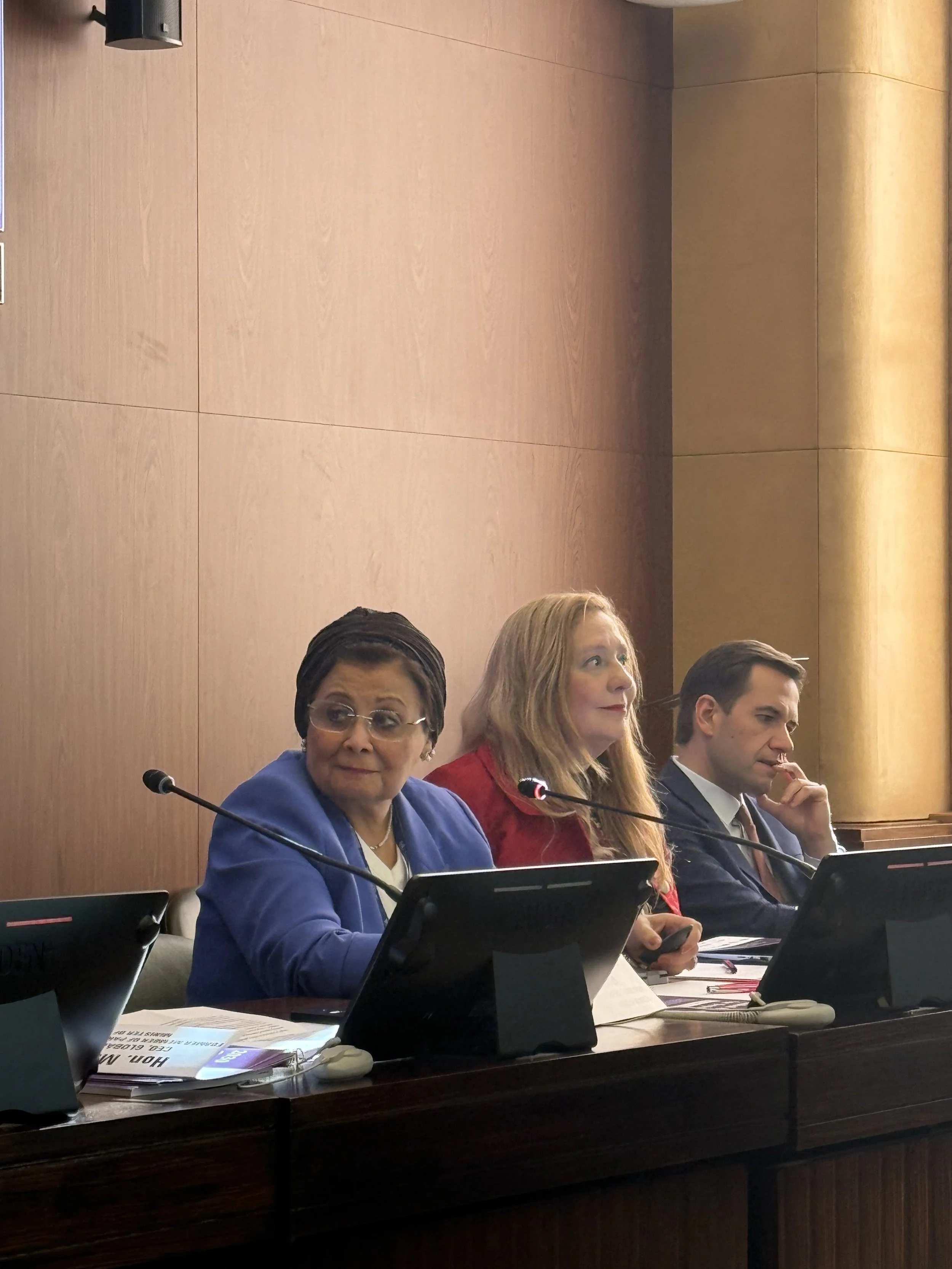
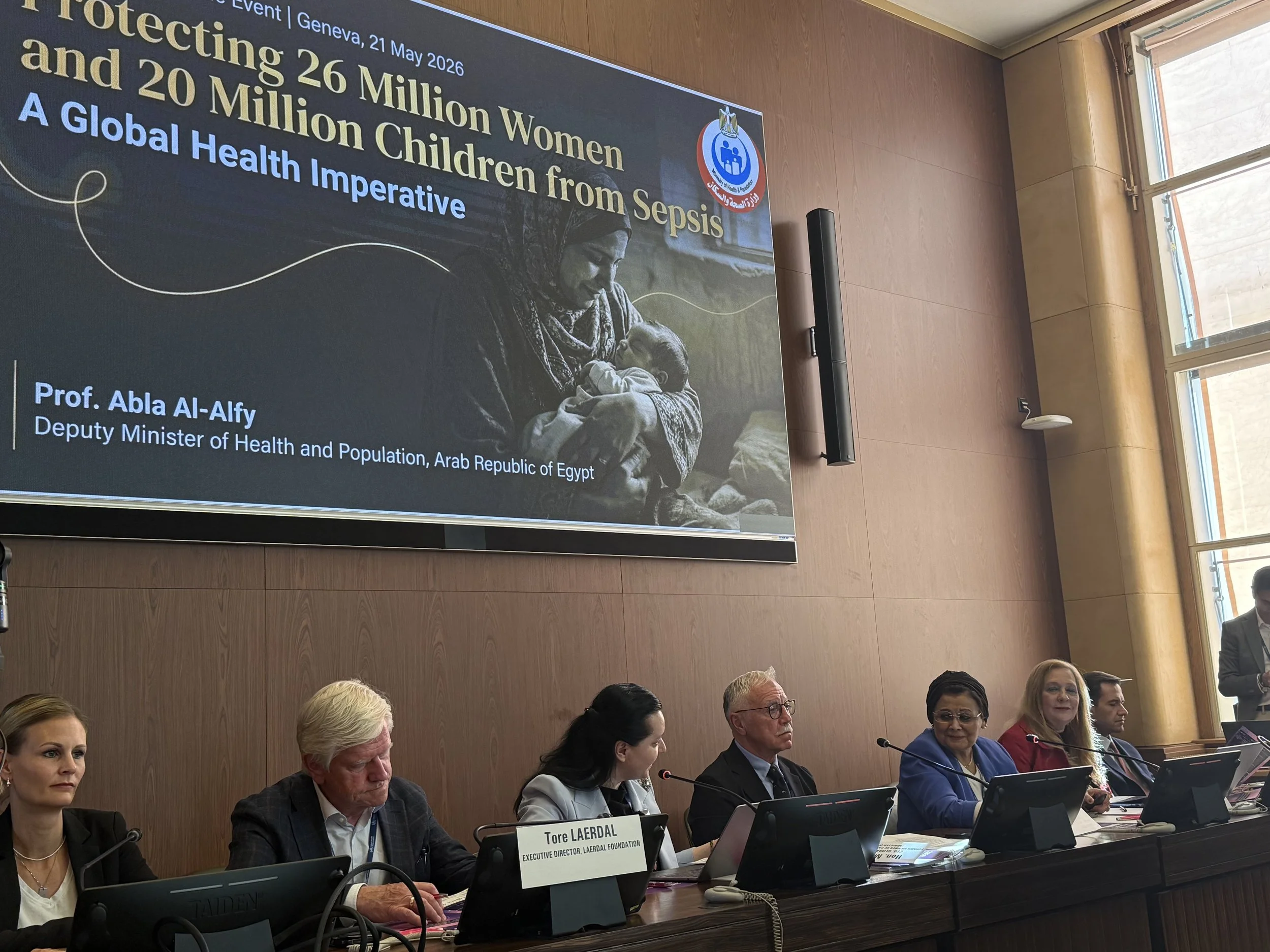
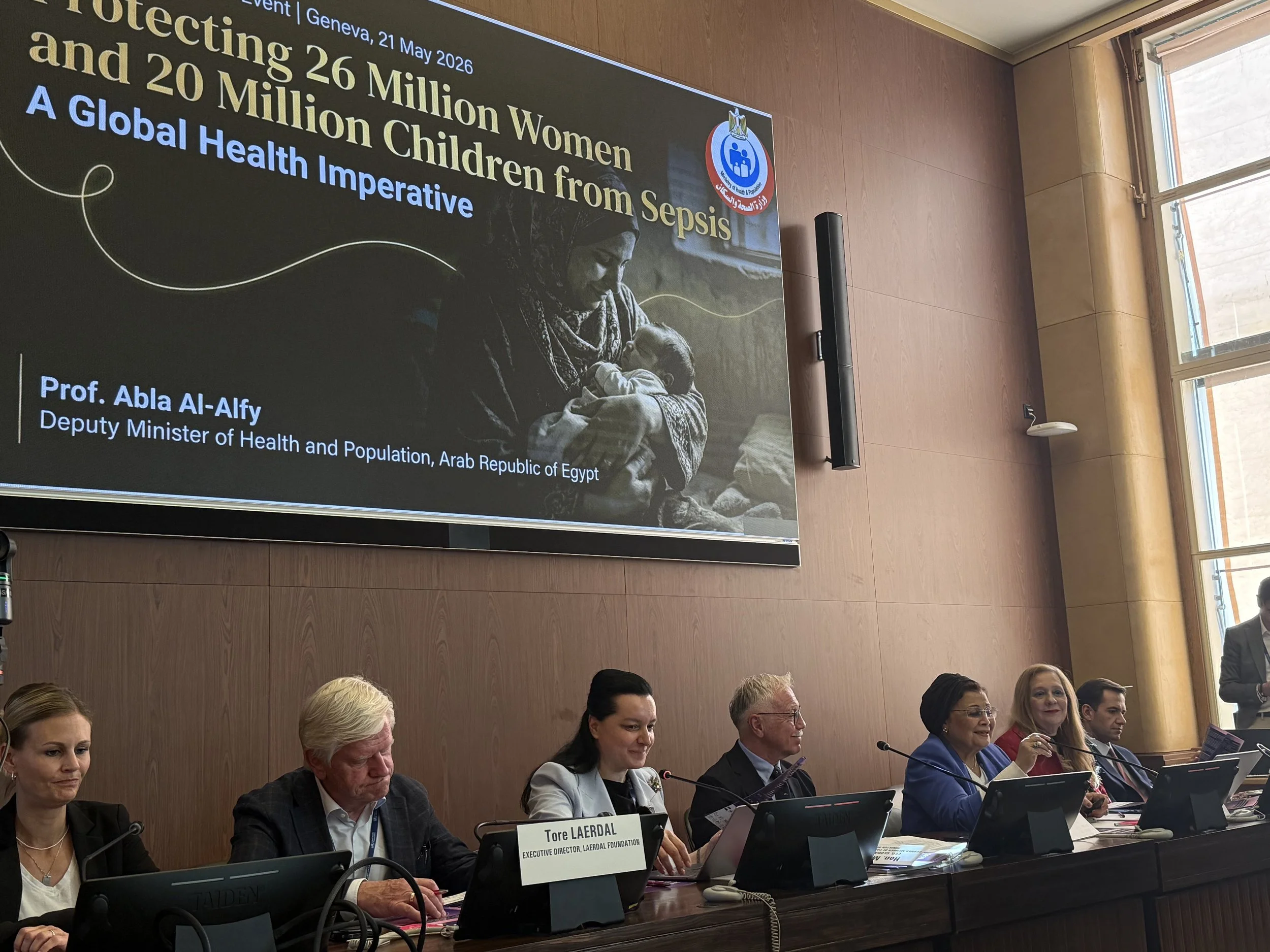
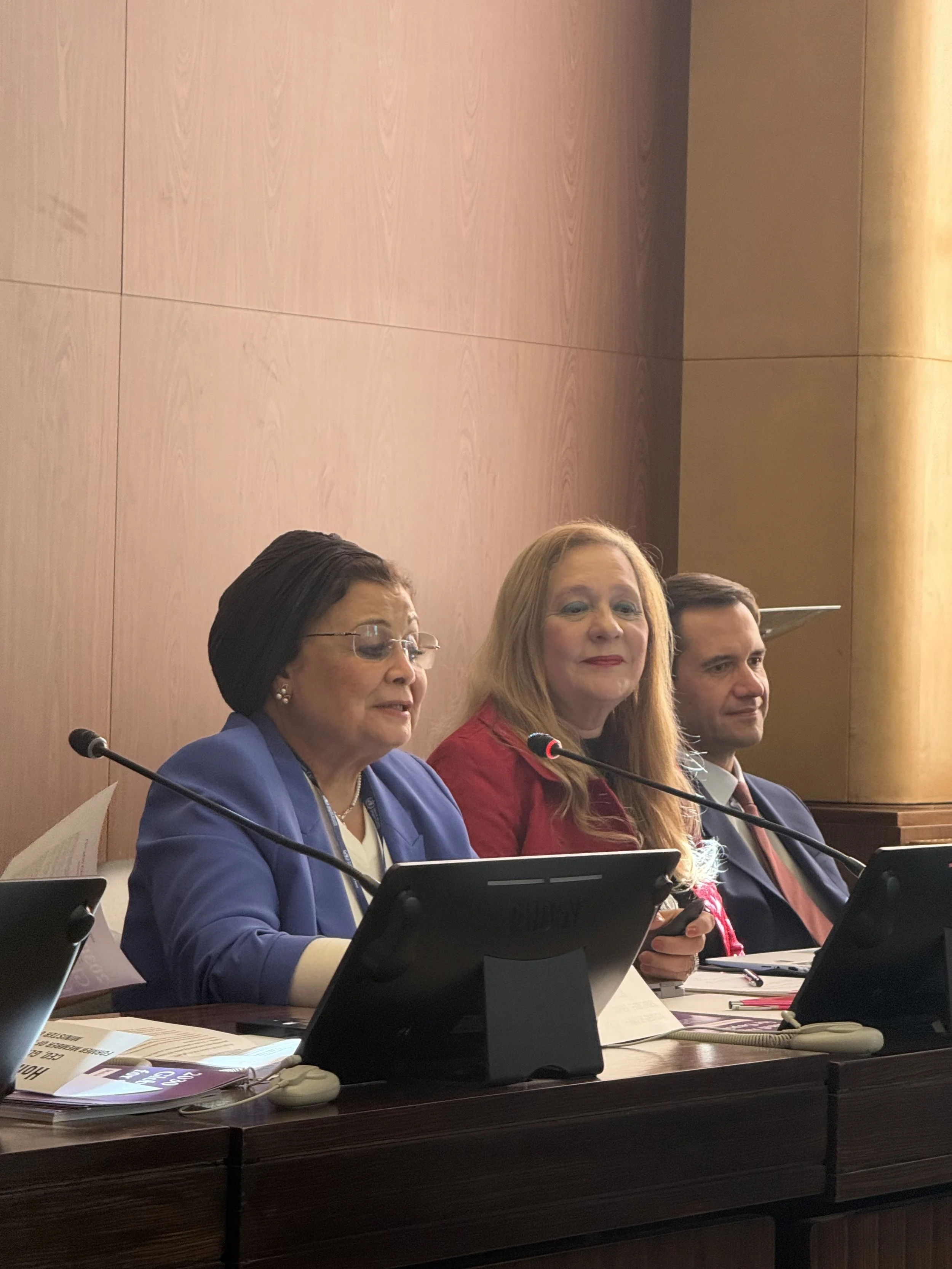
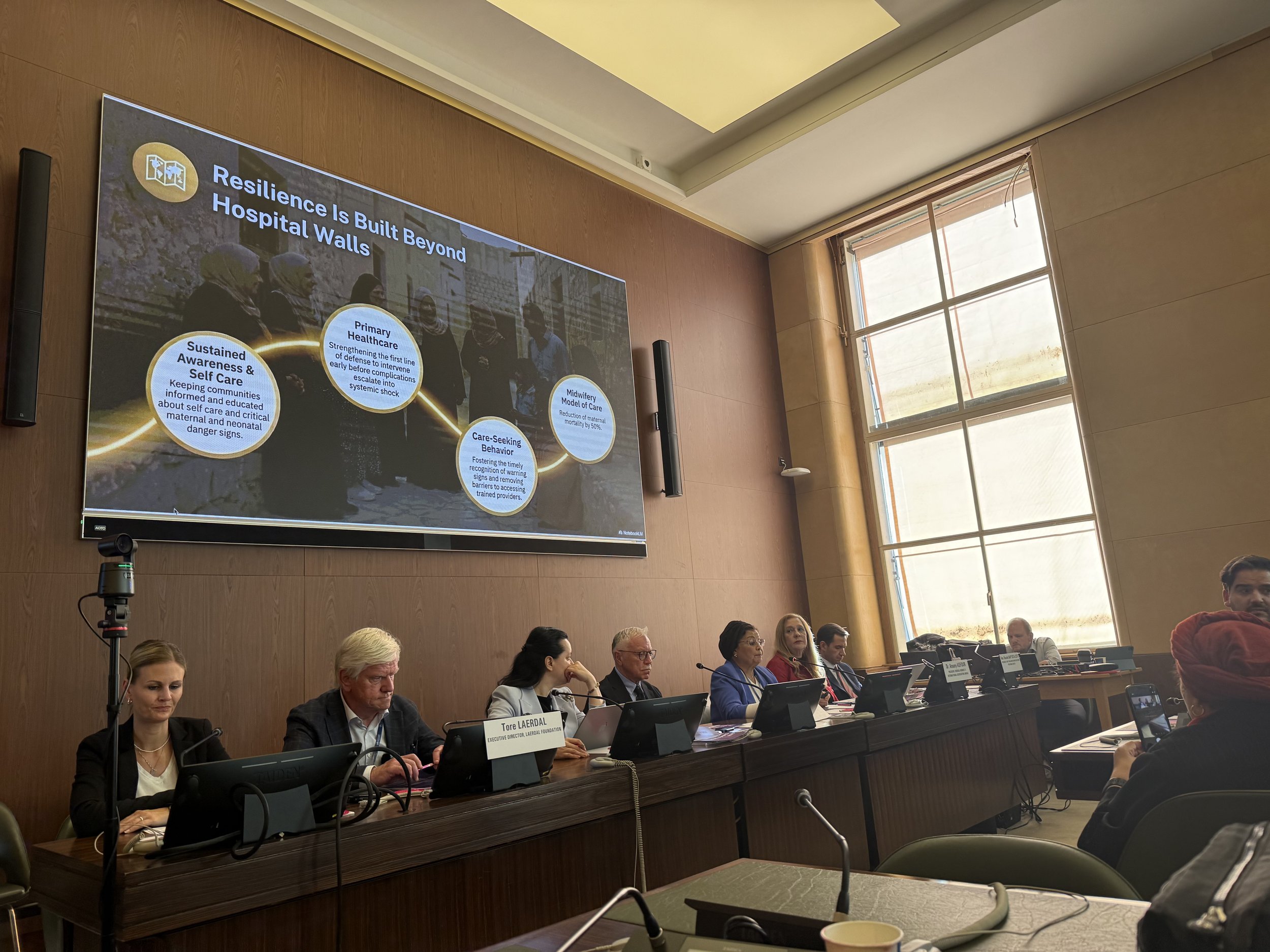
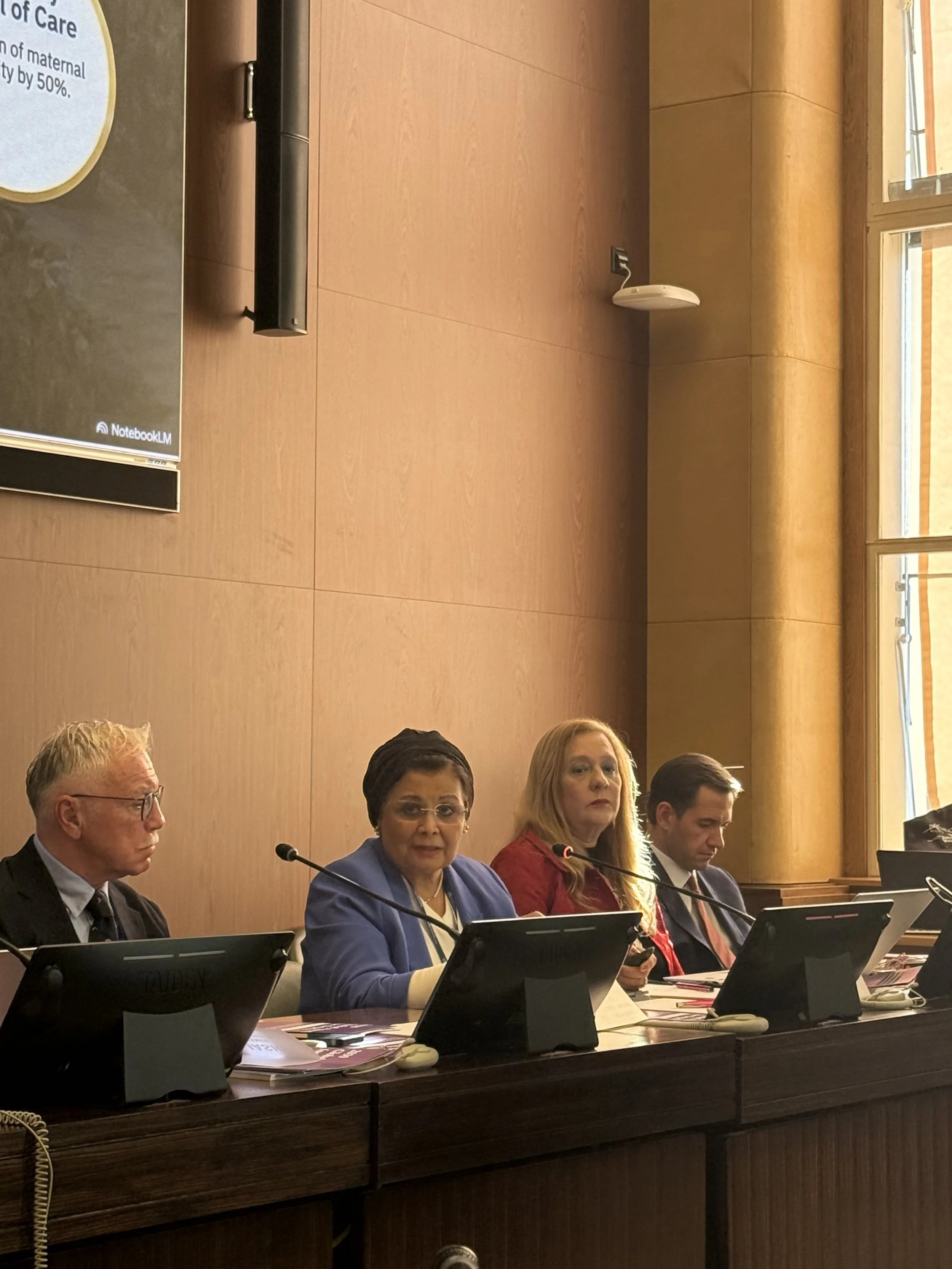
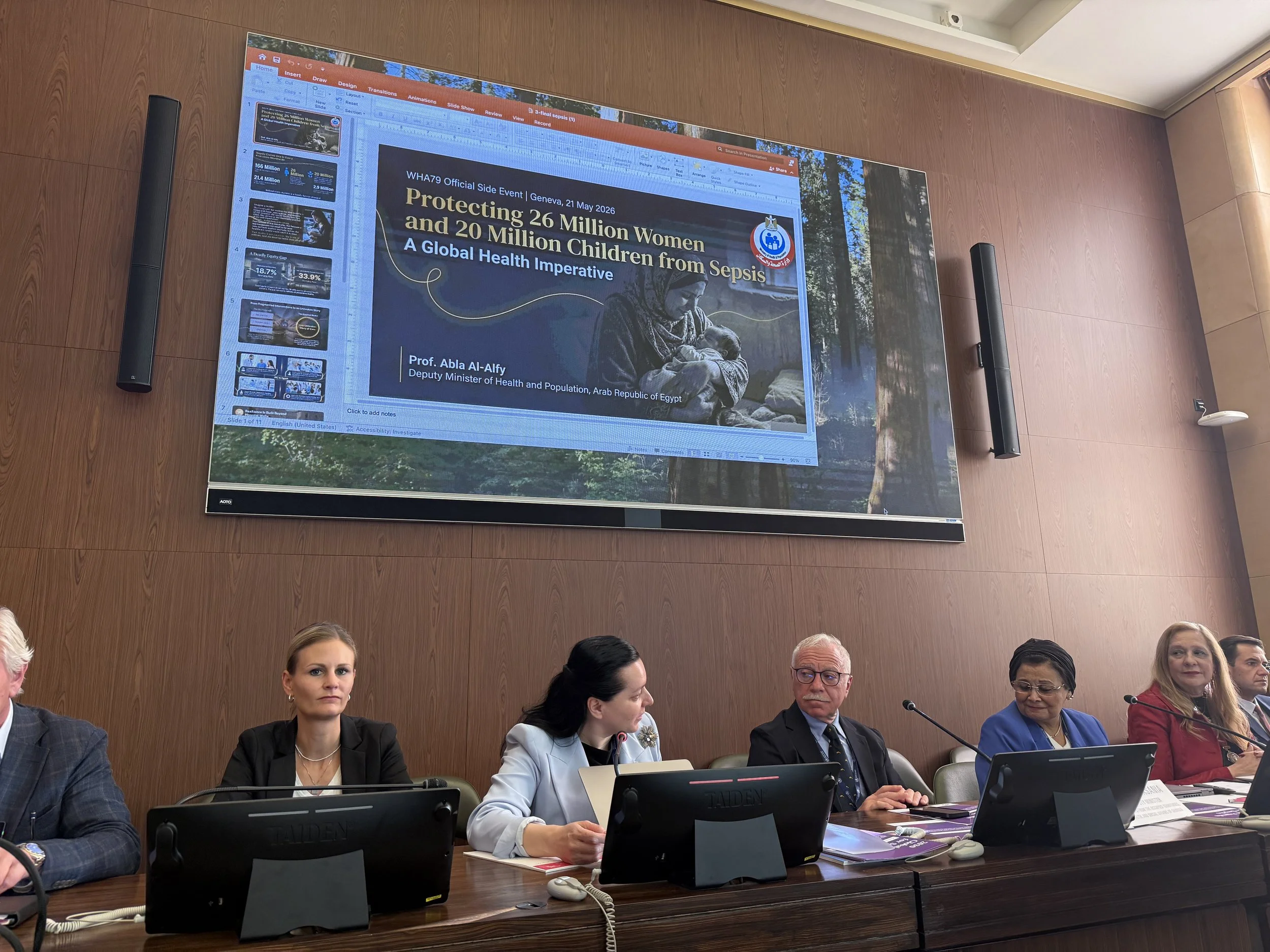
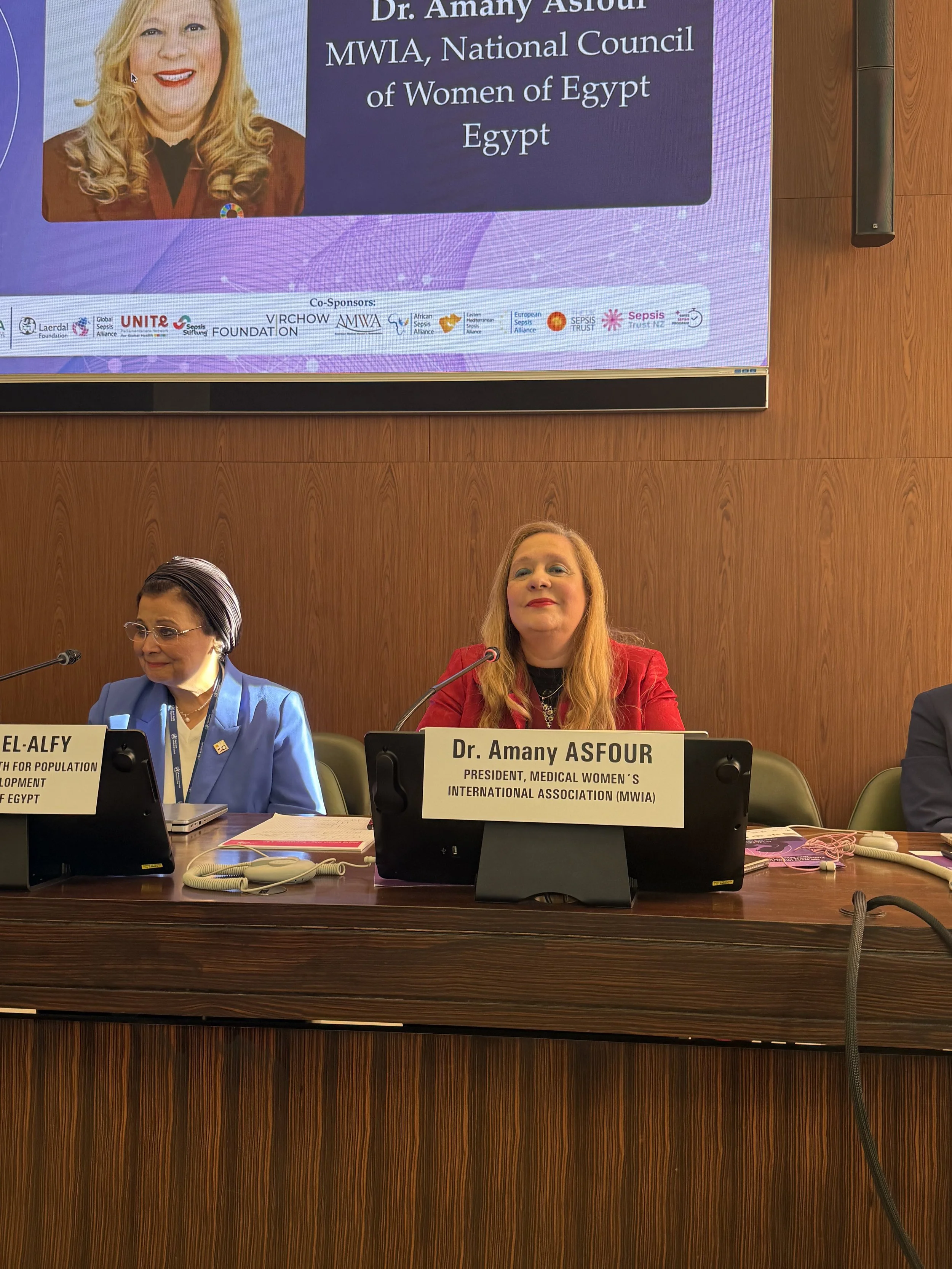
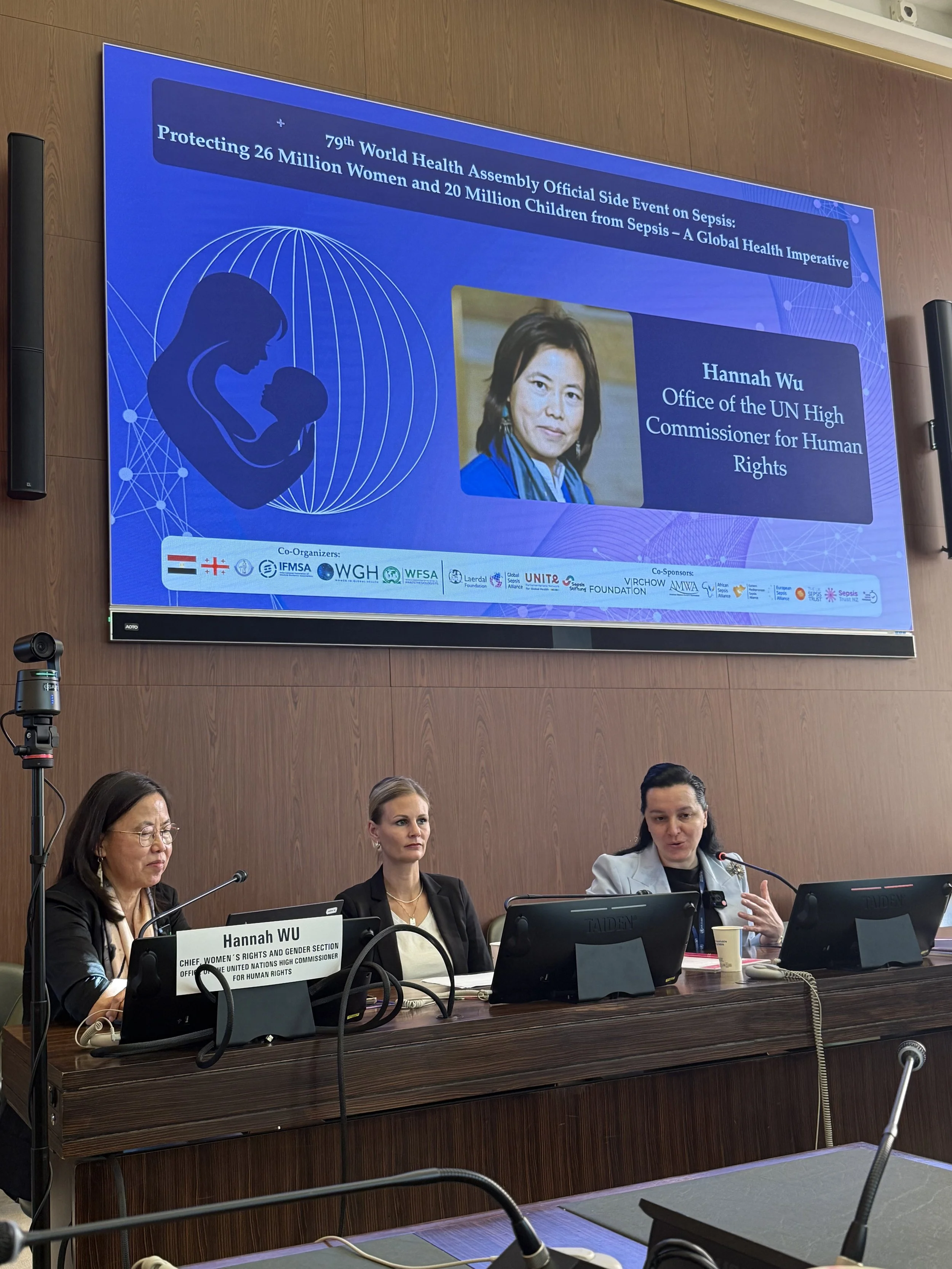
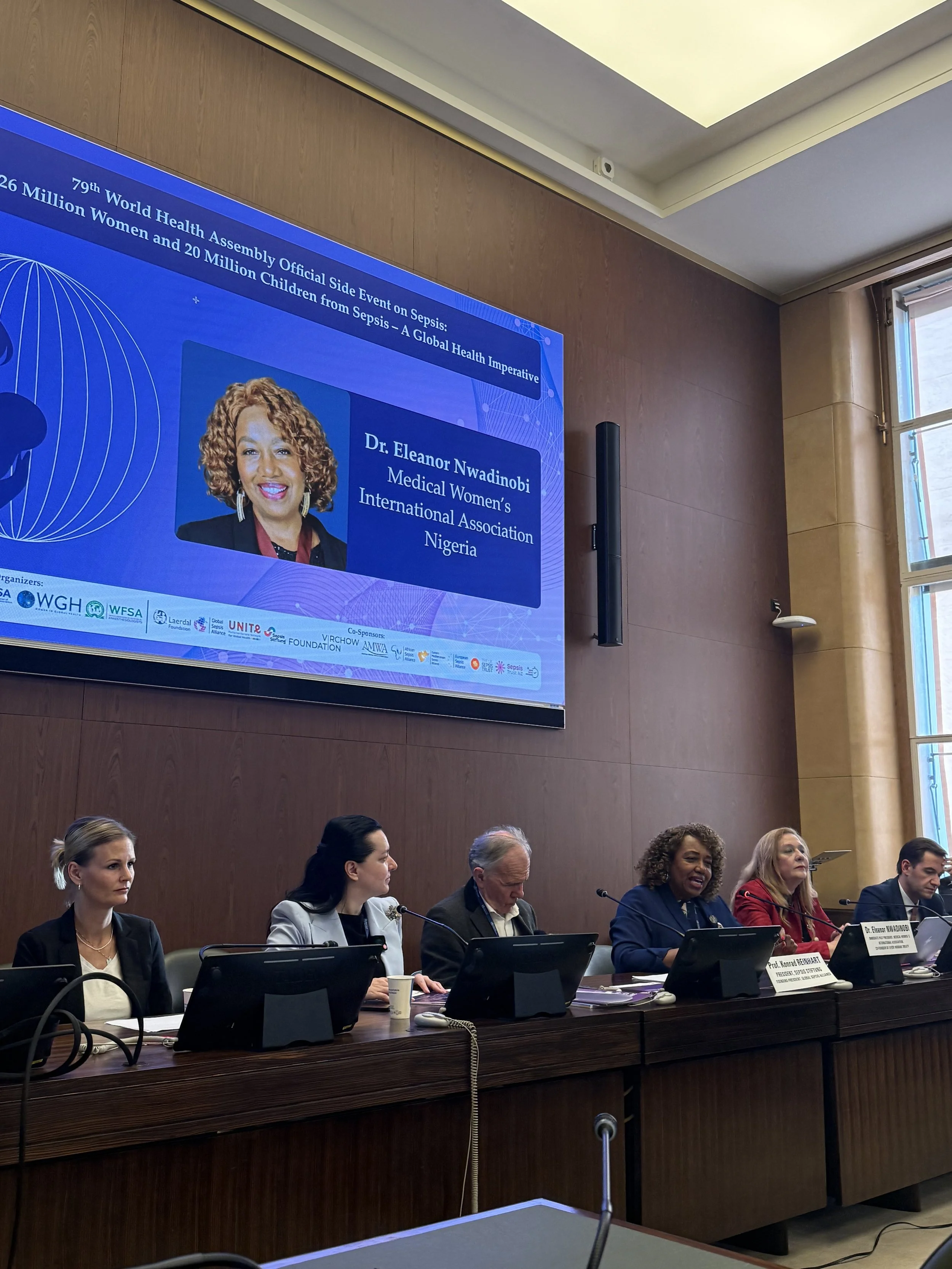
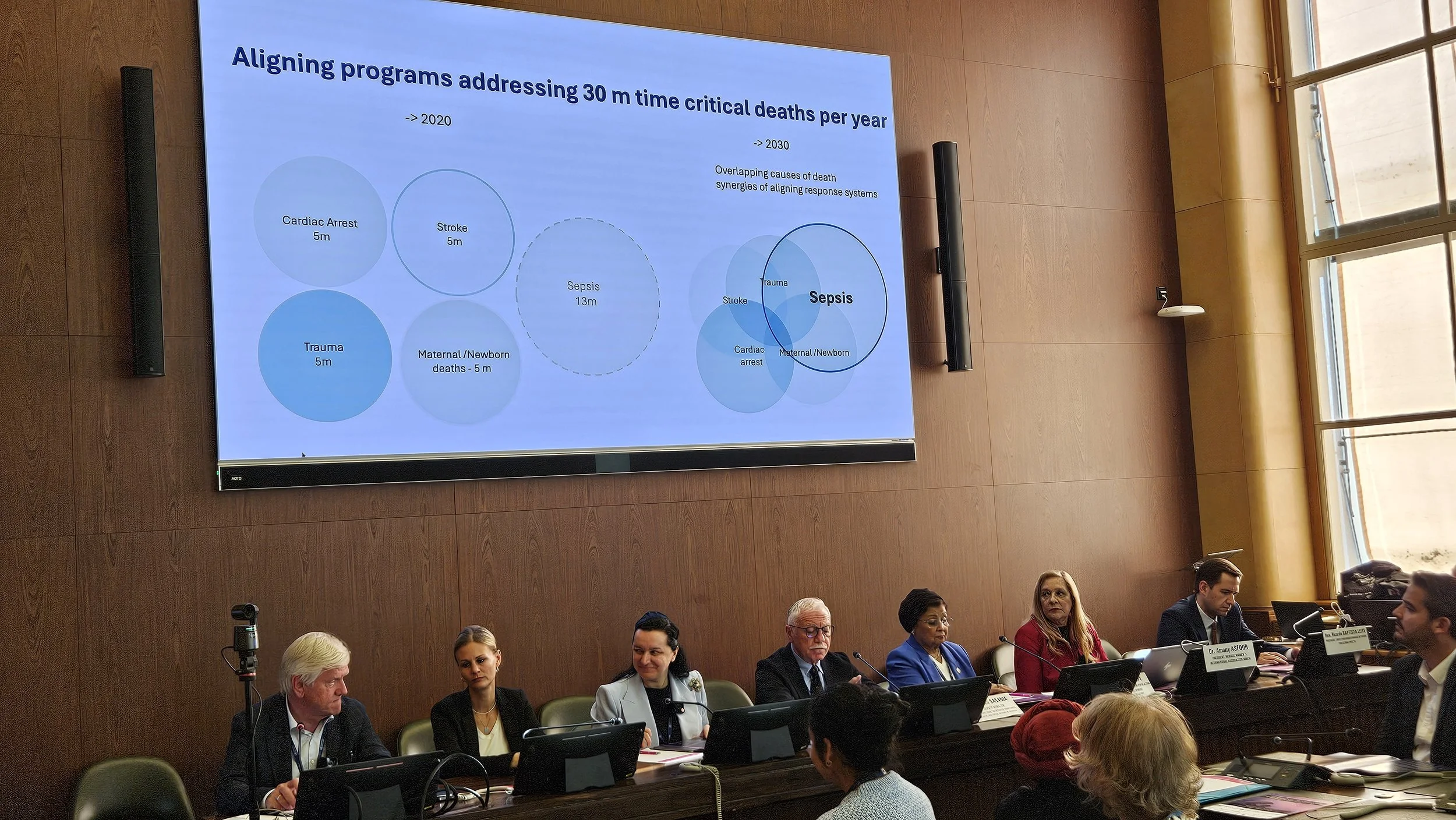
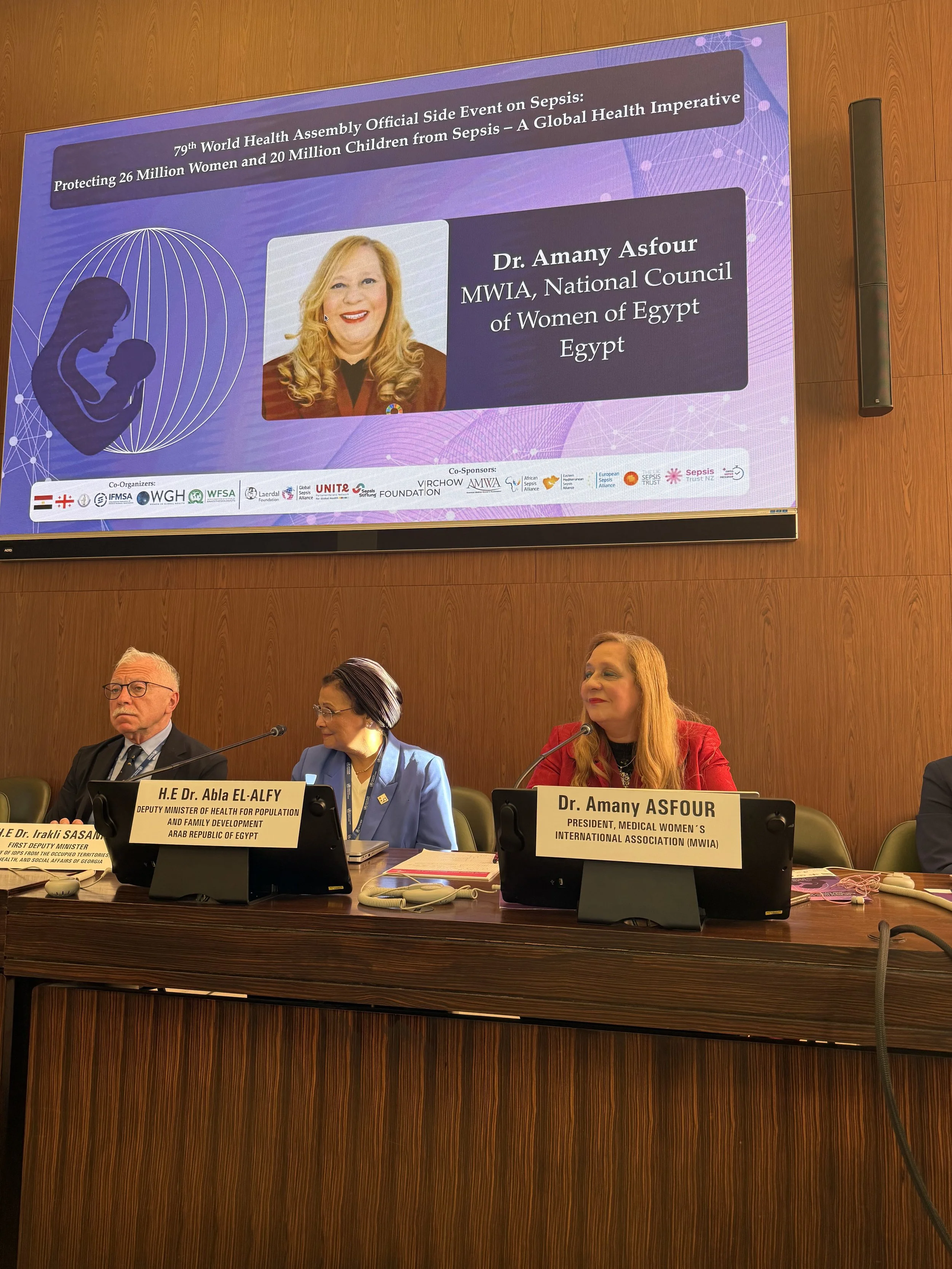
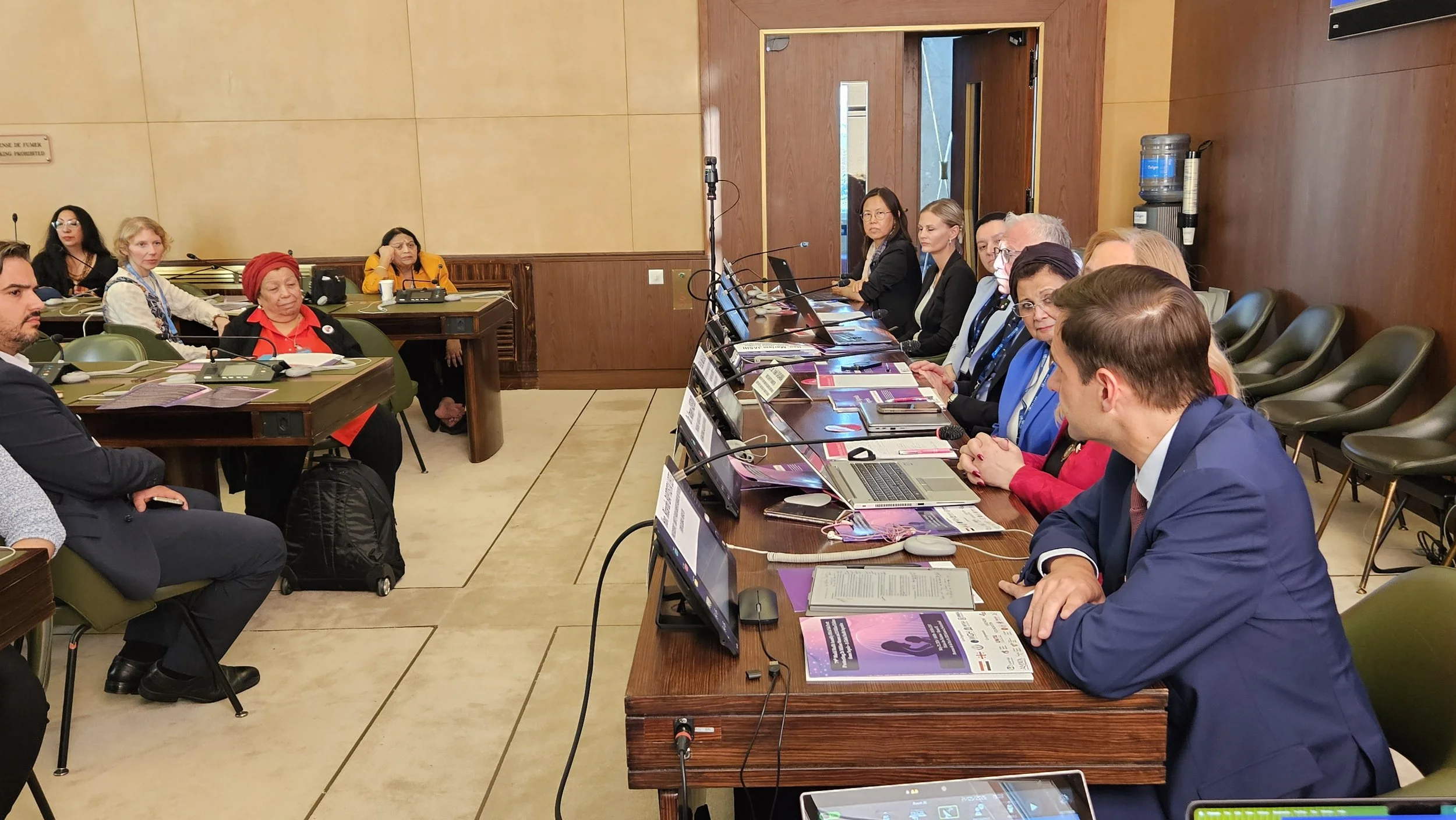
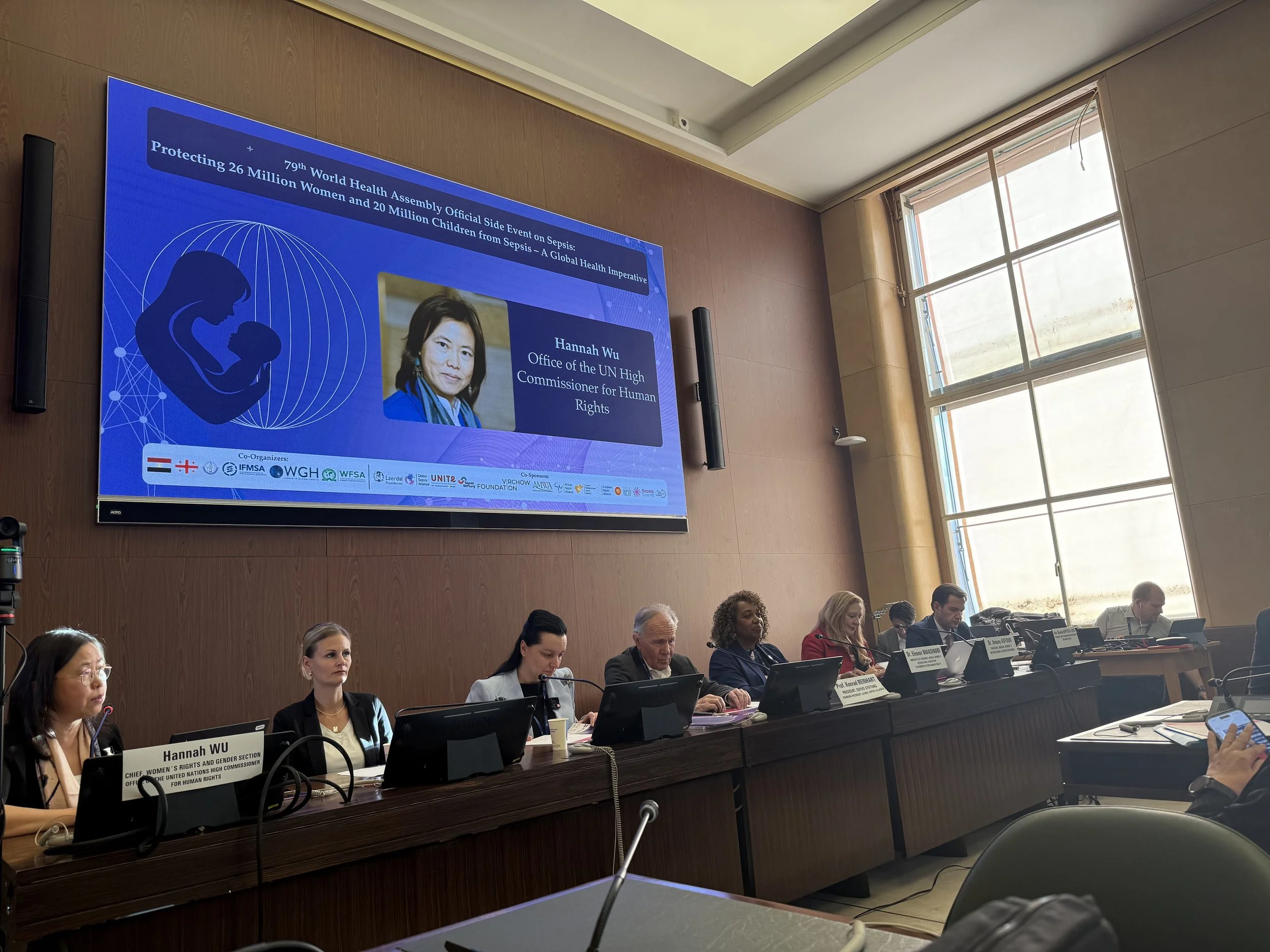
The Global Sepsis Alliance (GSA), together with its strategic partner Medical Women’s International Association (MWIA), convened a high-level Official Side Event on Sepsis at the 79th World Health Assembly (WHA79) Palais des Nations in Geneva for the second consecutive year.

Titled “Protecting 26 Million Women and 20 Million Children from Sepsis – A Global Health Imperative,” the event brought together high-level representatives of Member States, international organizations, youth representatives, professional associations, and Sepsis advocates to address the growing global burden of Sepsis and reinforce the importance of coordinated international action.

The event was co-organized by the governments of Egypt and Georgia together with four Non-State Actors in official relations with WHO, including Medical Women’s International Association, Women in Global Health, World Federation of Societies of Anesthesiologists, and International Federation of Medical Students’ Associations.

The event was further supported by leading global health partners, including the Laerdal Foundation, UNITE Parliamentarians Network for Global Health, Virchow Foundation, American Medical Women’s Association (AMWA), UK Sepsis Trust, Sepsis Trust New Zealand, Sepsis Stiftung, Swiss Sepsis Program and regional Sepsis alliances from Africa, Europe, and the Eastern Mediterranean.

Discussions emphasized the urgent global burden of Sepsis, which affects an estimated 48.9 million people annually, including 26 million women and 20 million children under five years of age. Participants highlighted that Sepsis accounts for one in five deaths globally, causing approximately 2.9 million child deaths annually and remaining the third leading cause of maternal mortality worldwide. Speakers stressed that women and children living in low-resource and humanitarian settings are disproportionately affected, while future pandemics and climate-related emergencies are likely to further increase the burden of Sepsis globally.

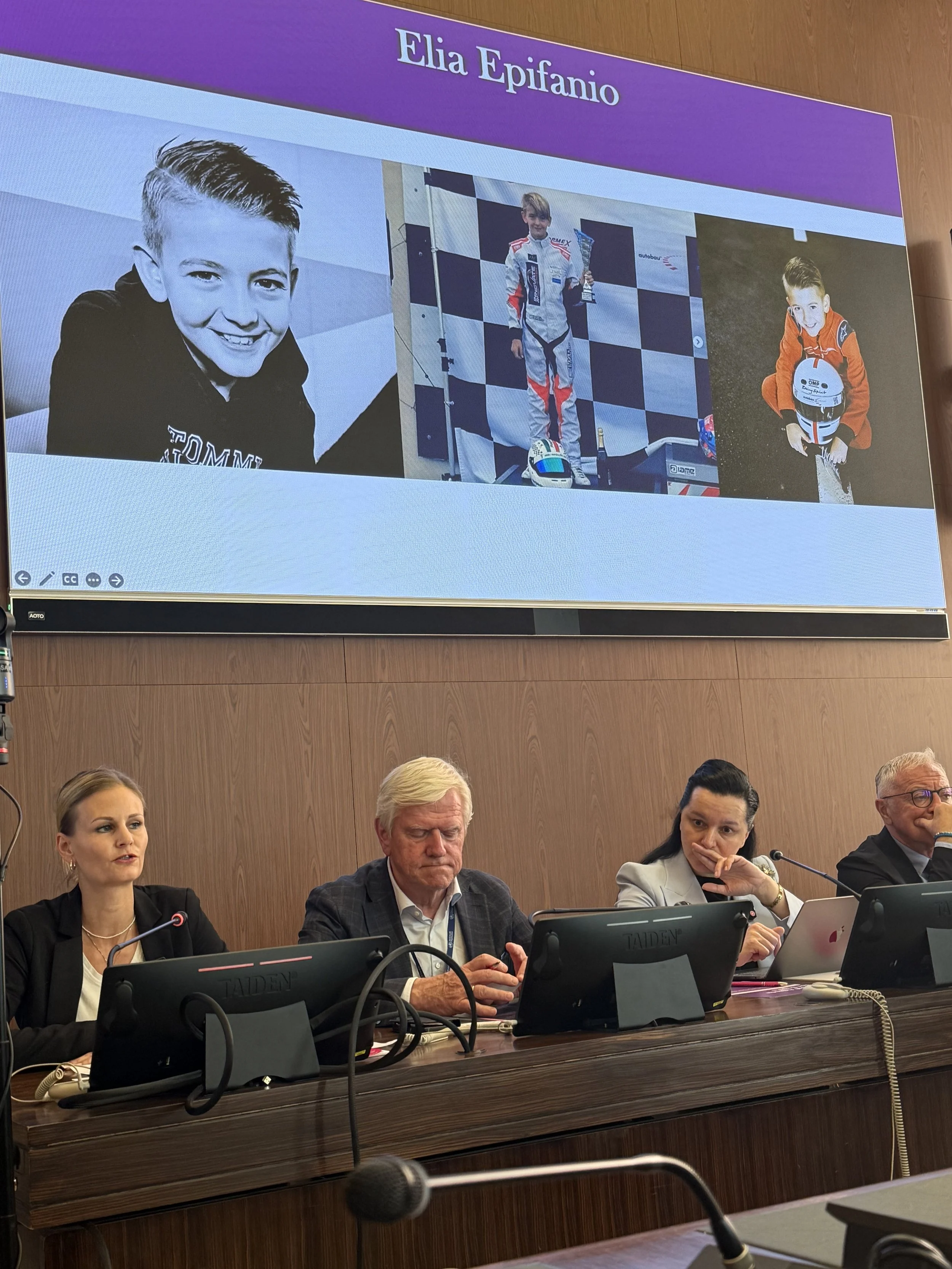
The meeting opened with remarks by Jennifer Epifanio, mother of 14-year-old Elia Epifanio, who died from septic shock in March 2023. Since then, Jennifer and Daniele Epifanio have become leading advocates for Sepsis awareness and prevention in Switzerland and internationally. Participants recognized the contribution of the Trofeo Elia Epifanio charity race in supporting the Zurich Children’s Hospital and raising awareness to help save lives from Sepsis.
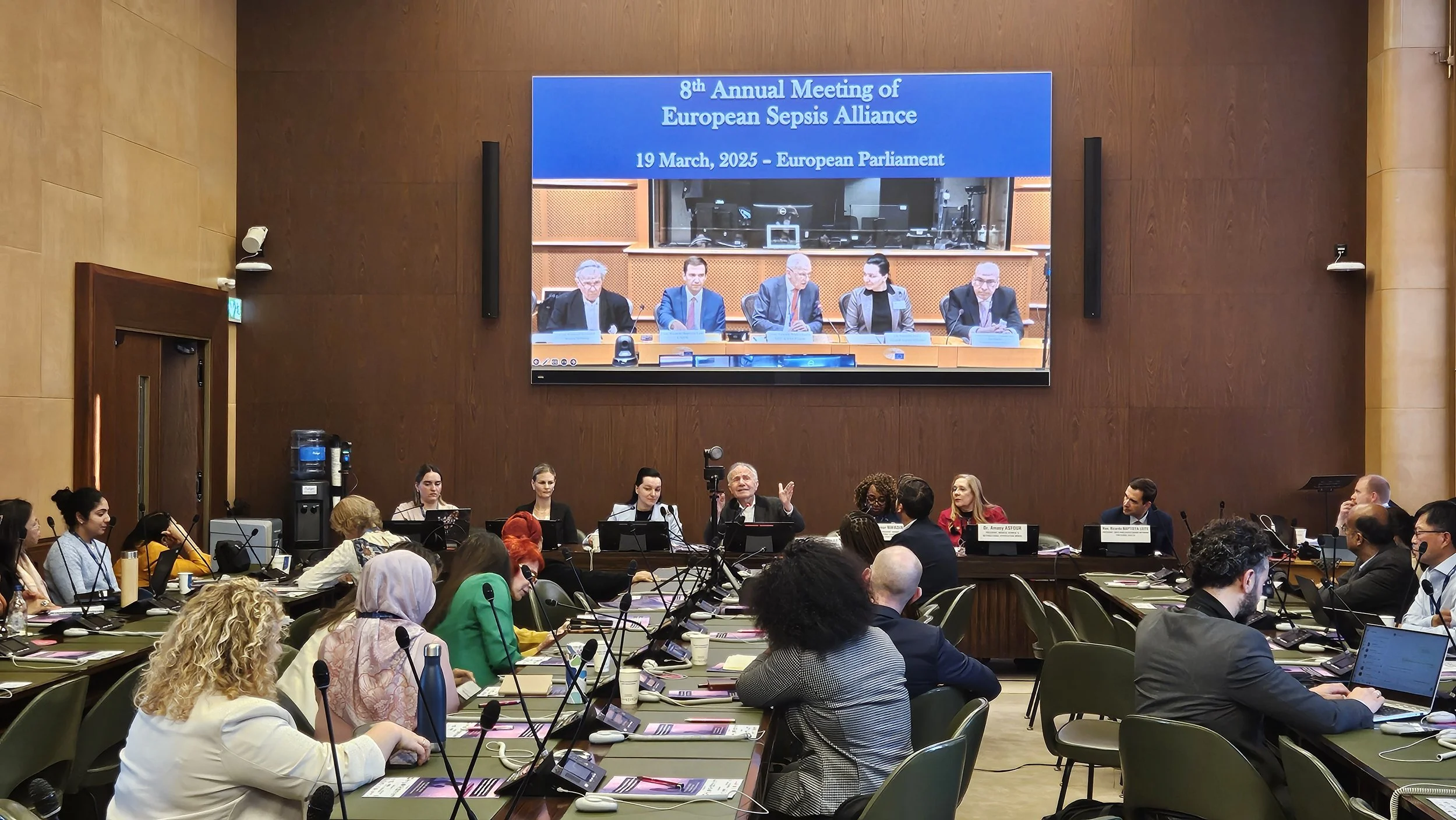
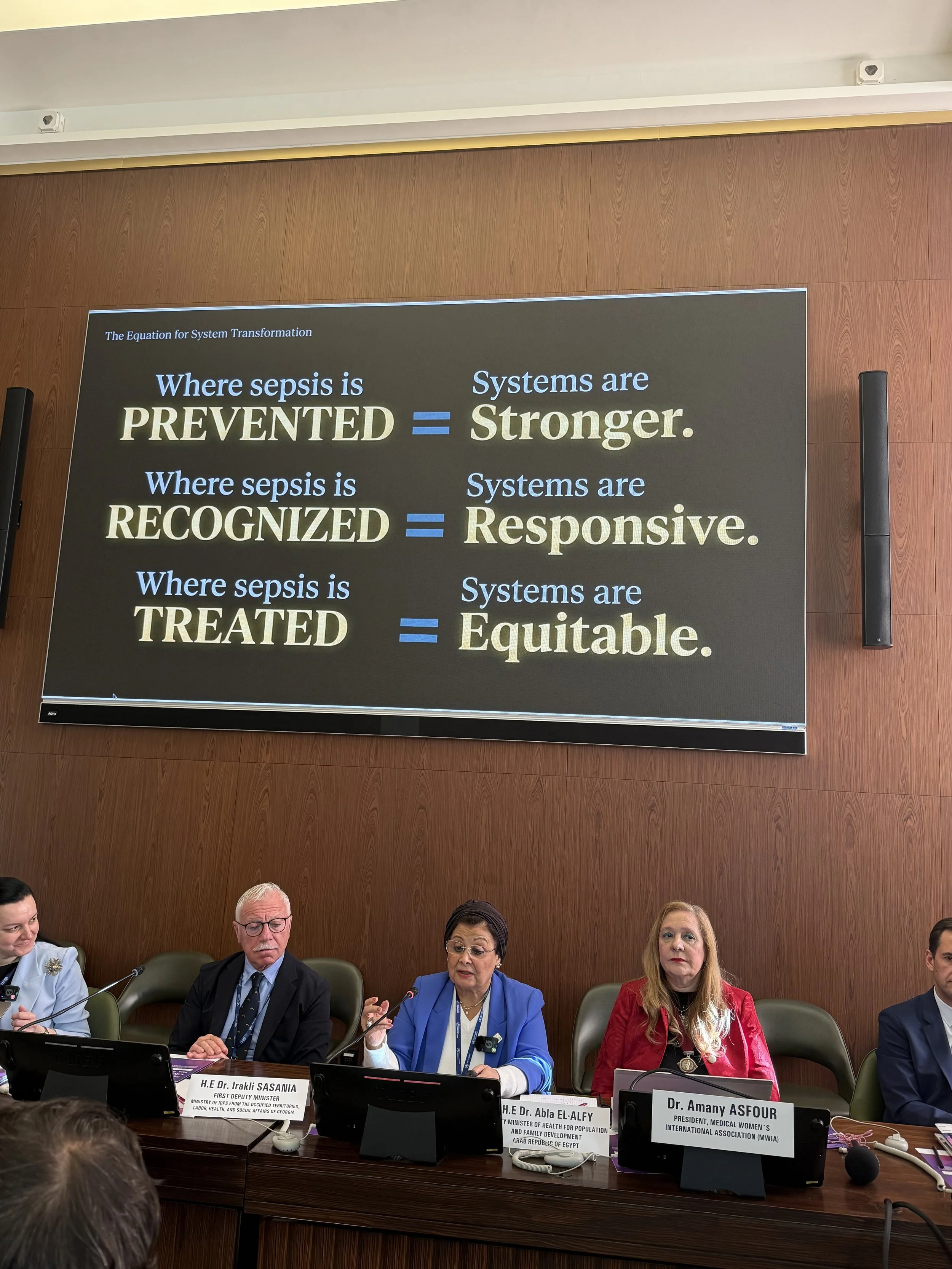
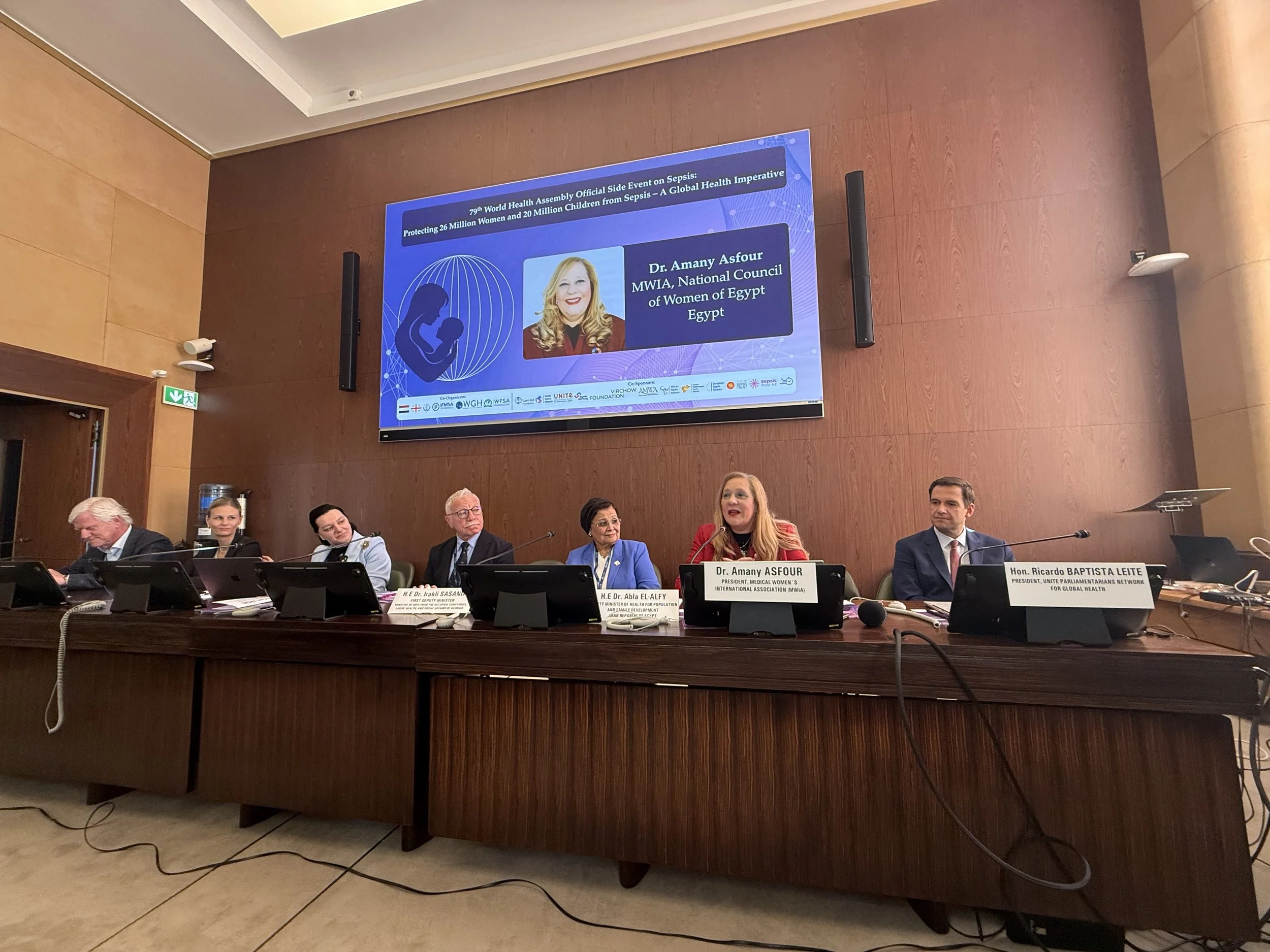
The program featured keynote remarks and high-level interventions from global policymakers and health leaders, including a video address by H.E. Dorothee Bär, Federal Minister of Science, Technology and Space of Germany; H.E. Dr. Irakli Sasania, First Deputy Minister of Health of Georgia; and H.E. Dr. Abla El-Alfy, Deputy Minister of Health for Population and Family Development of Egypt.

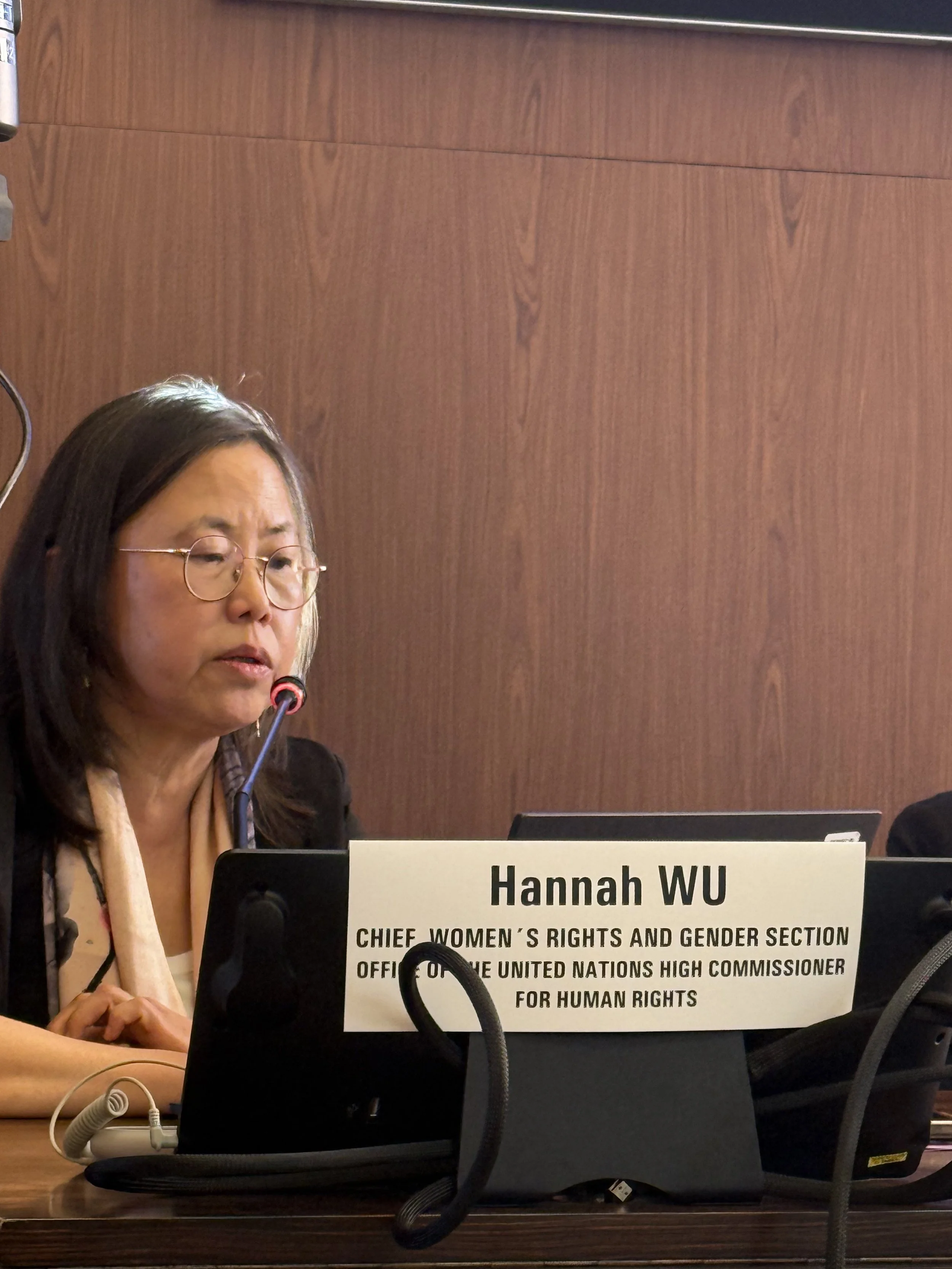
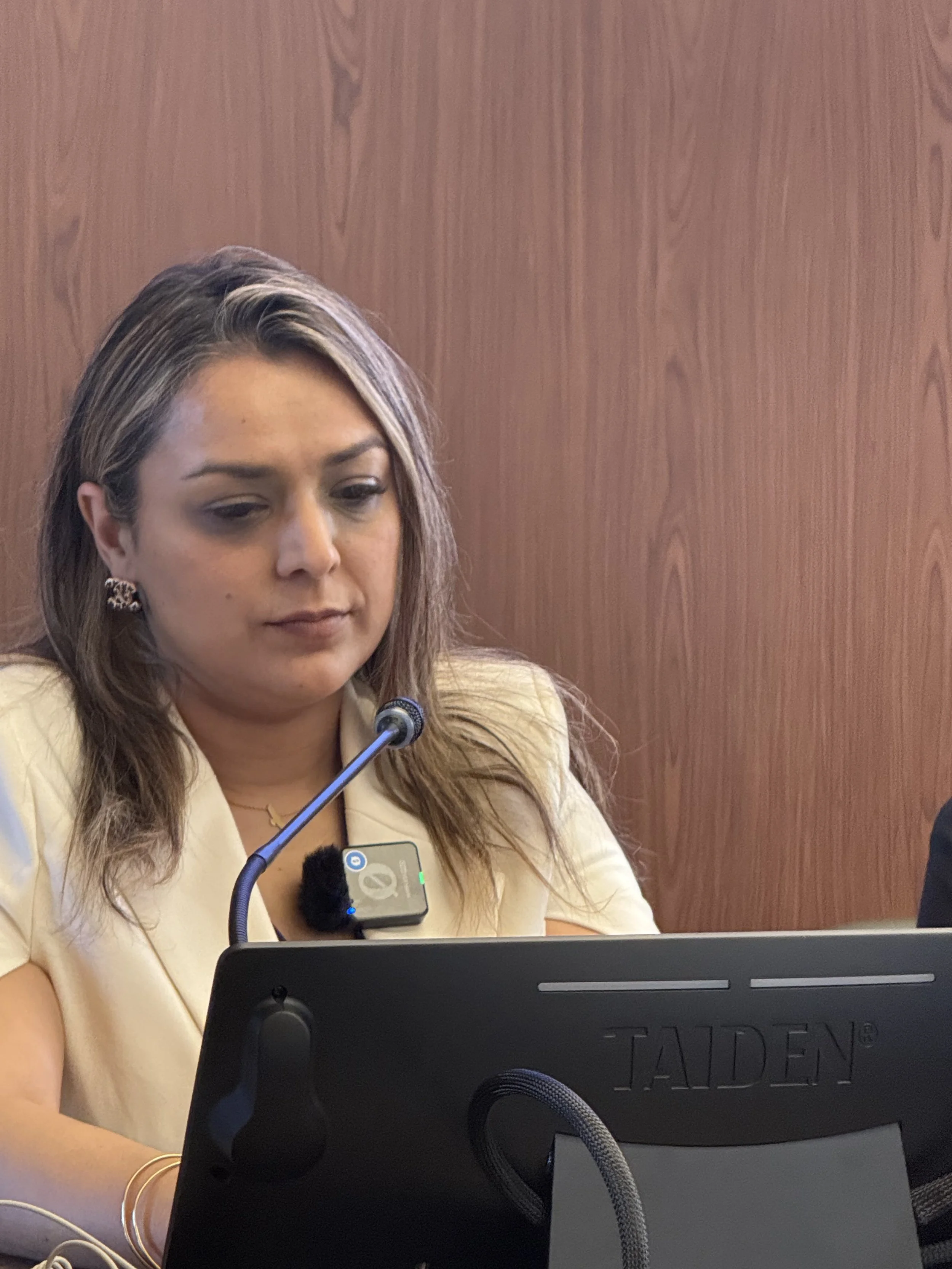
Distinguished speakers included Tore Laerdal, Executive Director, Laerdal Foundation; Hon. Ricardo Baptista Leite, President of the UNITE Parliamentarians Network for Global Health; Dr. Amany Asfour, President of the Medical Women’s International Association and Co-chair of Health Committee, National Council of Women of Egypt; Hannah Wu – Chief of Women’s Rights and Gender Section at the Office of the UN High Commissioner for Human Rights, and Prof. Konrad Reinhart, Founding President of the Global Sepsis Alliance.

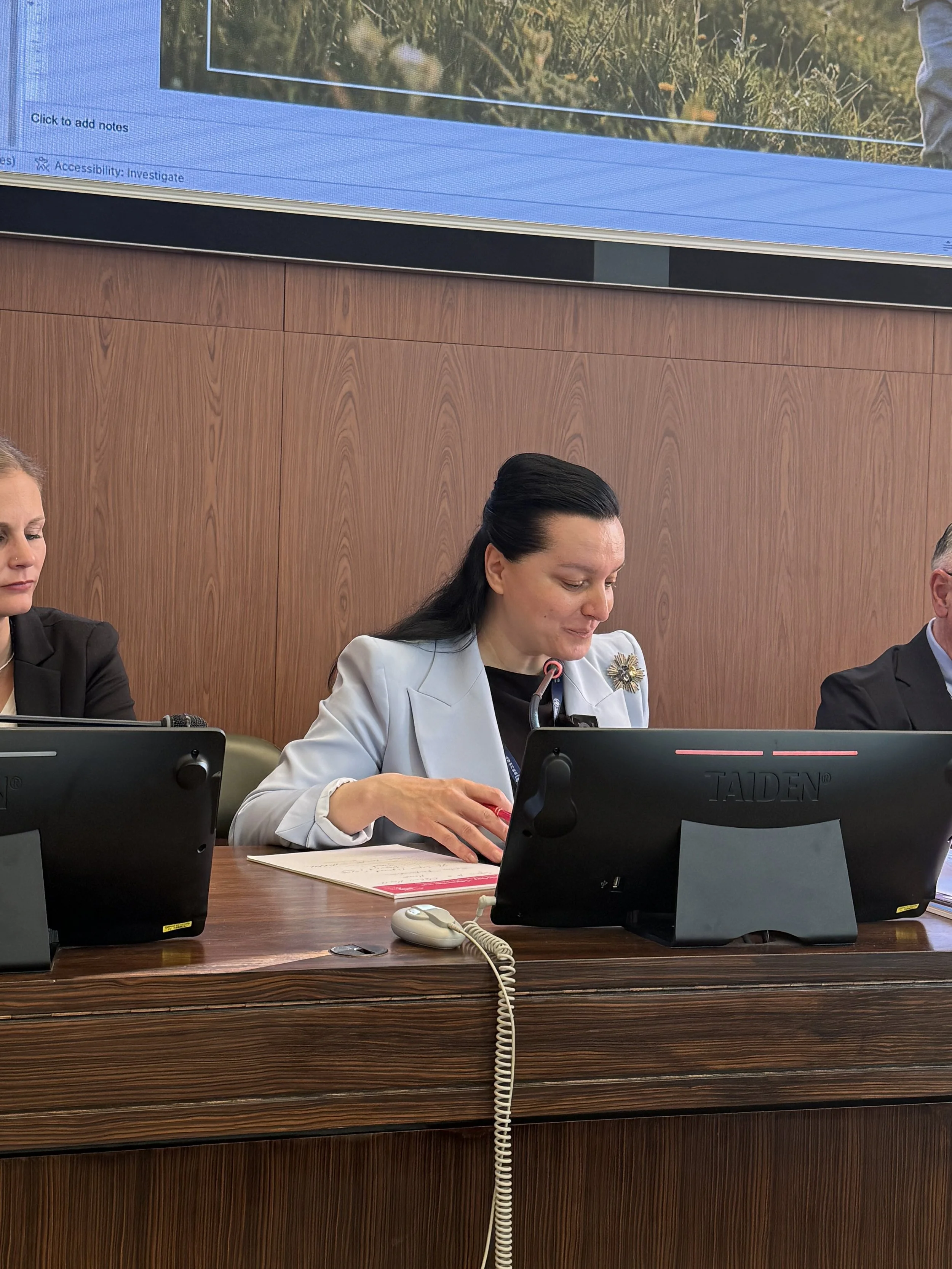
The meeting was chaired by Hon. Mariam Jashi, CEO of the Global Sepsis Alliance, former Parliamentarian and Deputy Minister of Health of Georgia.

Throughout the discussion, speakers underscored that achieving the health-related Sustainable Development Goals (SDGs) and Universal Health Coverage (UHC) will not be possible without significantly increased political commitment, research investment, and stronger national, regional, and global Sepsis responses. Participants called for enhanced awareness, improved prevention and early detection, stronger health systems, and greater investment in maternal, newborn, and child health services.
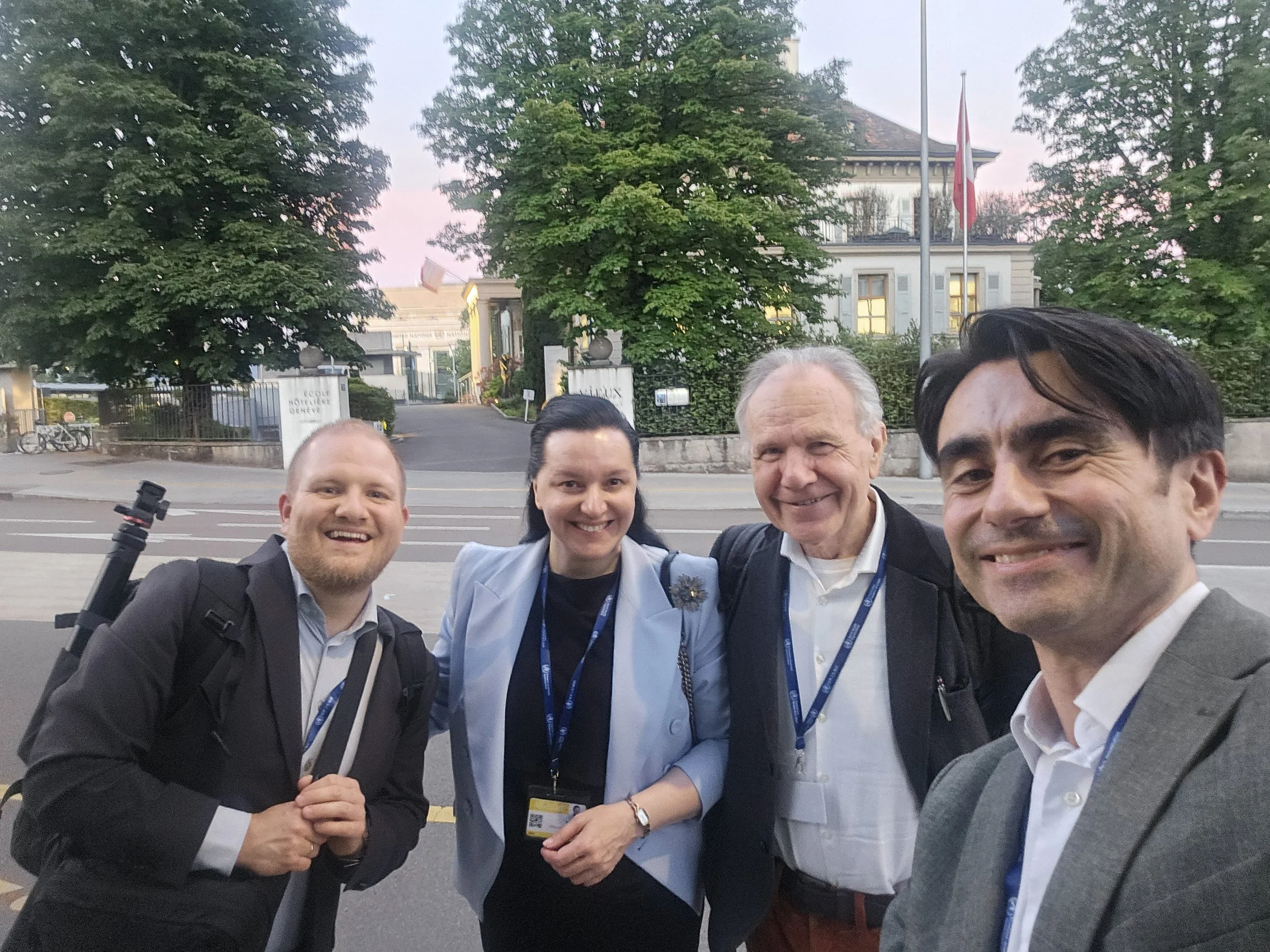
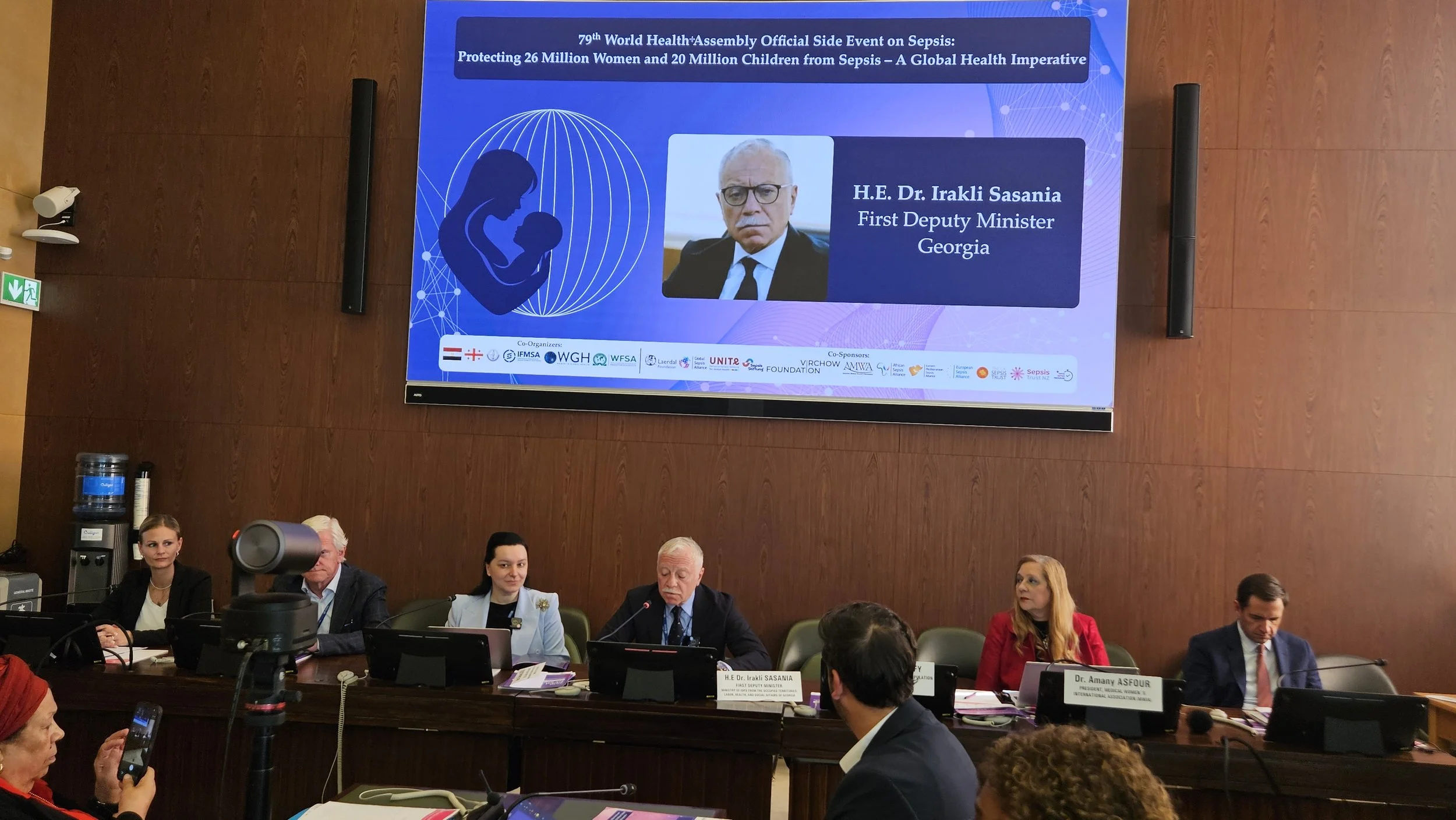
The event concluded with a renewed call for coordinated global action and stronger multisectoral partnerships to reduce preventable deaths and disabilities caused by Sepsis, particularly among the world’s most vulnerable populations.

In her closing remarks, Dr. Mariam Jashi thanked Sepsis survivors, families, regional Sepsis alliances, and partner institutions worldwide for their continued advocacy and commitment. Participants also reiterated the need for a new WHA Resolution on Sepsis and discussed plans for organizing an official side event on Sepsis during UNGA81 in New York, with support expressed by the governments of Georgia and Egypt, as well as UNITE, MWIA, and other co-sponsoring partners.

Dr. Amany Asfour, President of MWIA, closed the event by thanking all participants for their invaluable contributions and reiterating the urgent need to protect 26 million women and 2 million children from Sepsis - the leading yet underrecognized cause of death worldwide.

The full recording of the event is available on the YouTube channel of the Global Sepsis Alliance. As of May 28, the video recording has been viewed by more than 850 sepsis advocates worldwide.

Marvin Zick