
WHA79 Unites Global Health Leaders to Advance the Sepsis Agenda
21 May 2026 | Palais des Nations, Geneva
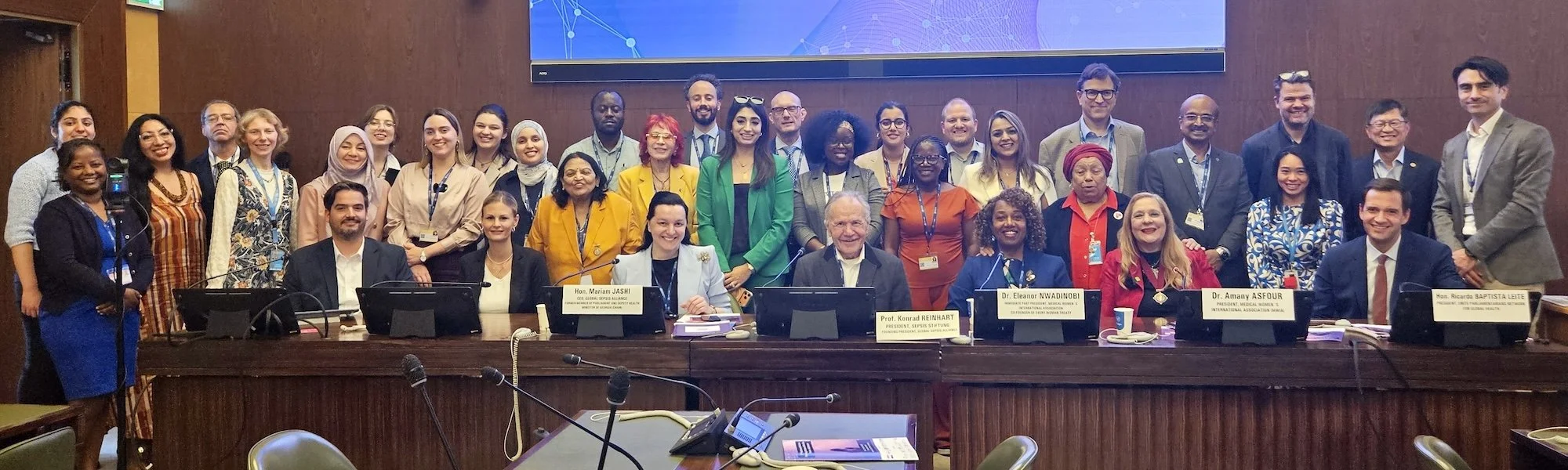
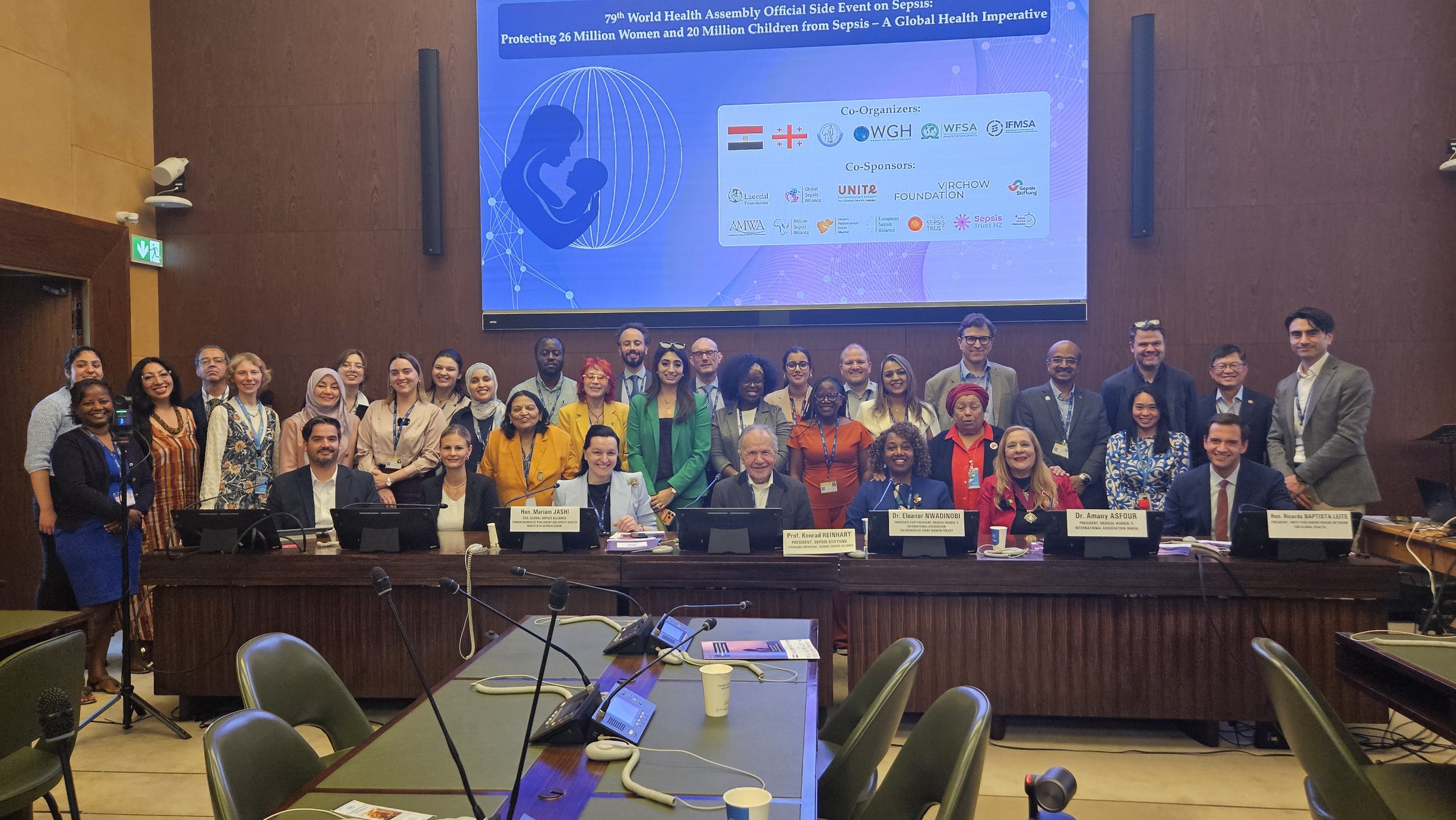
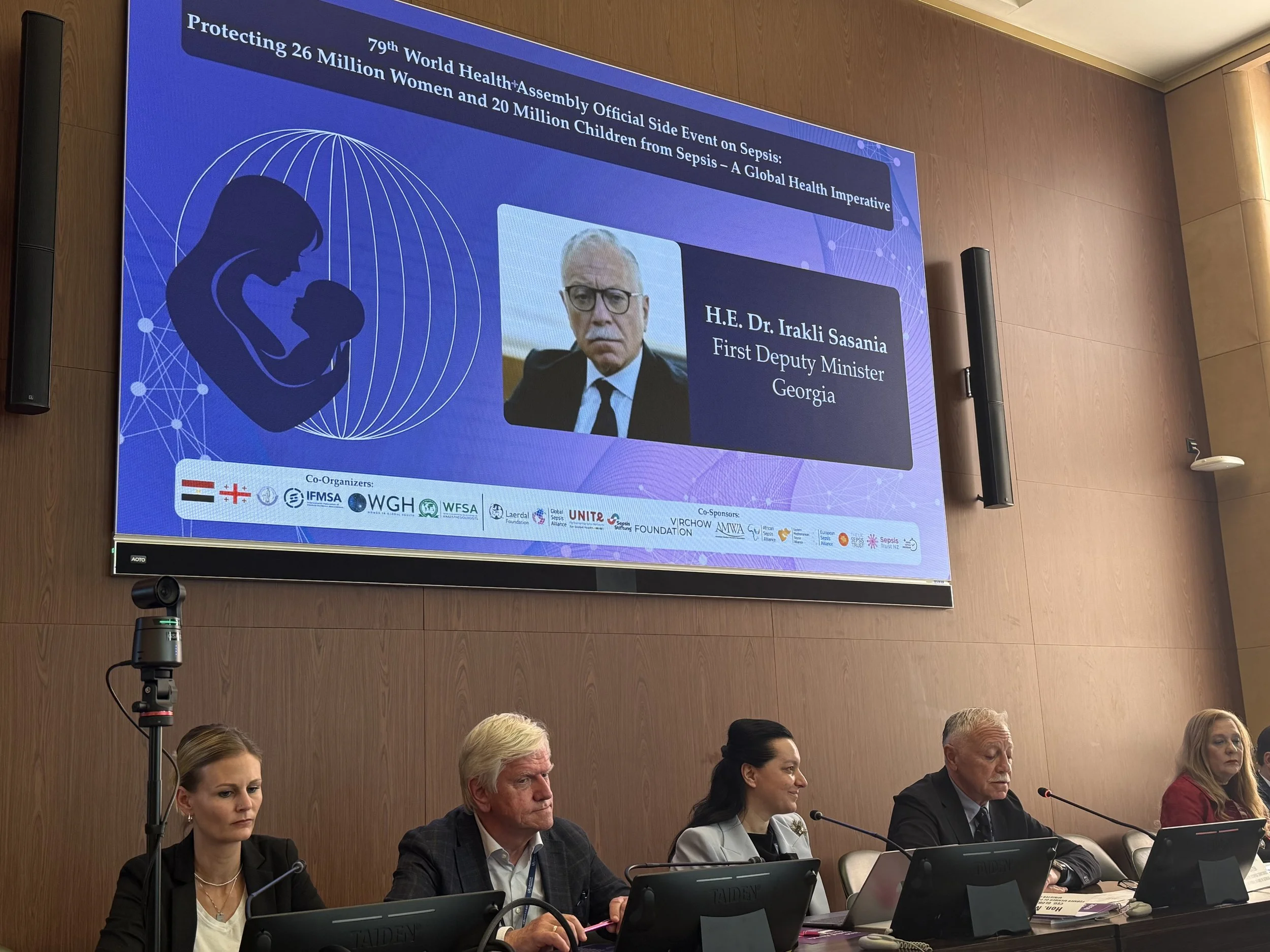
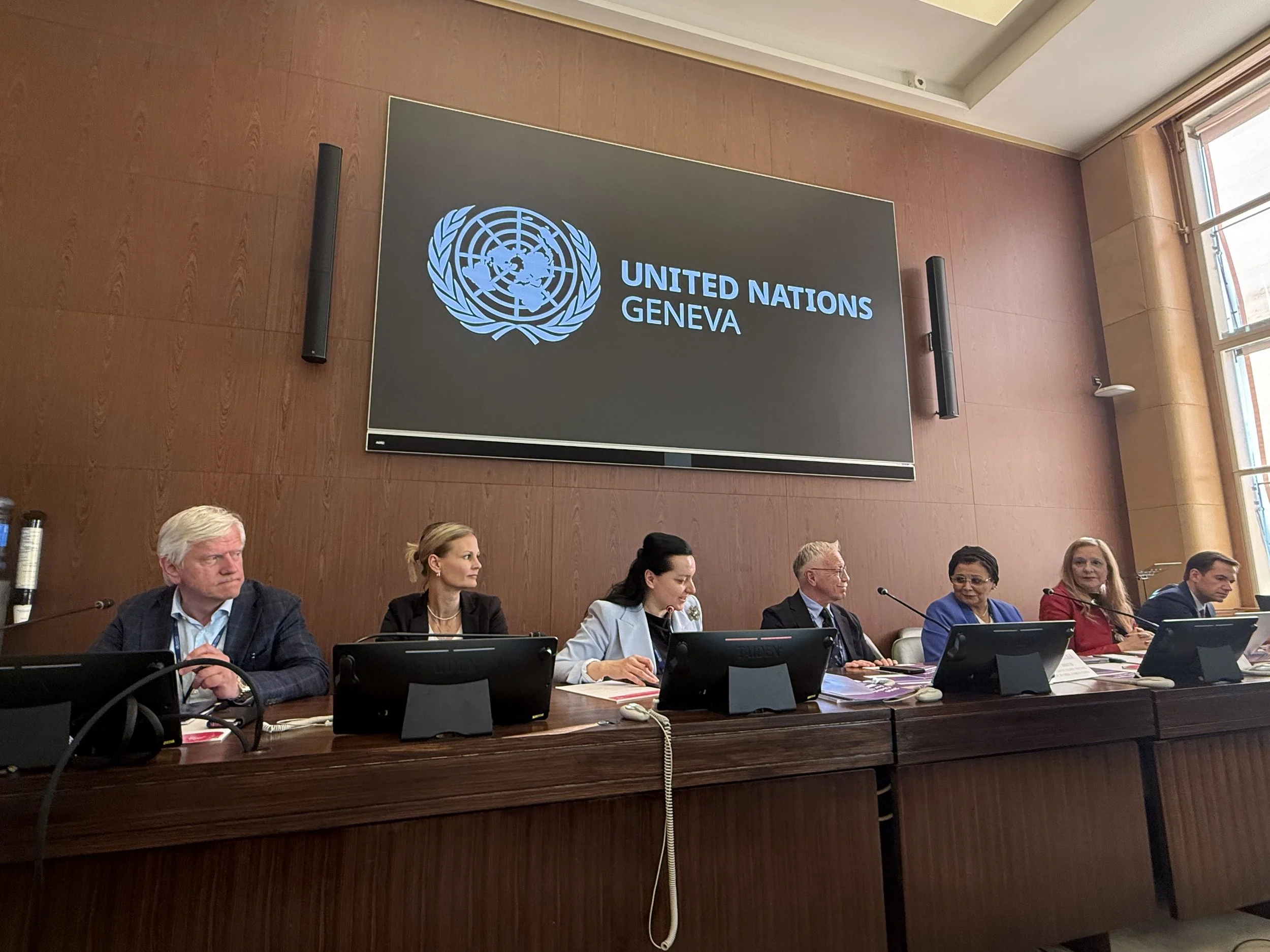
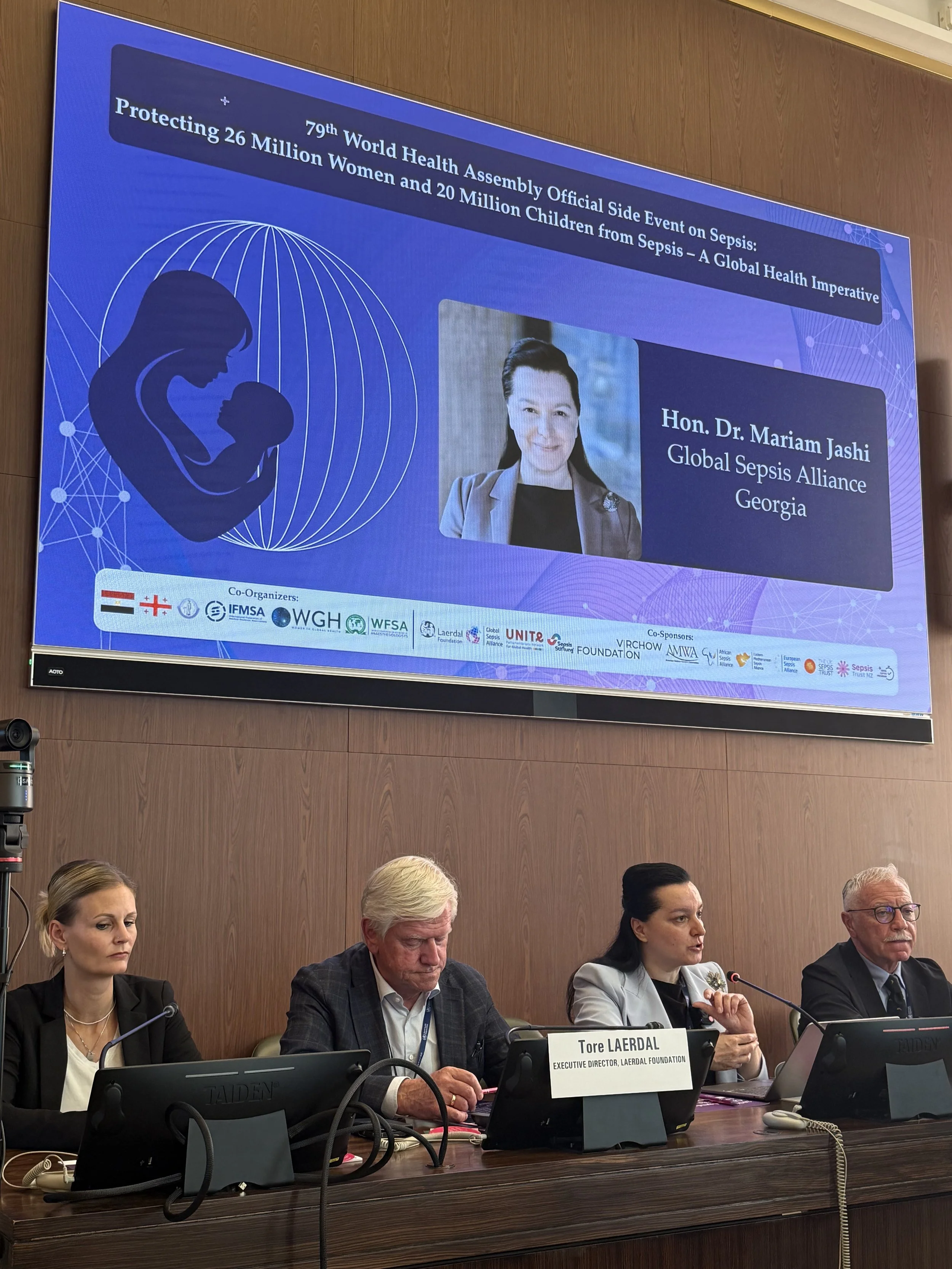
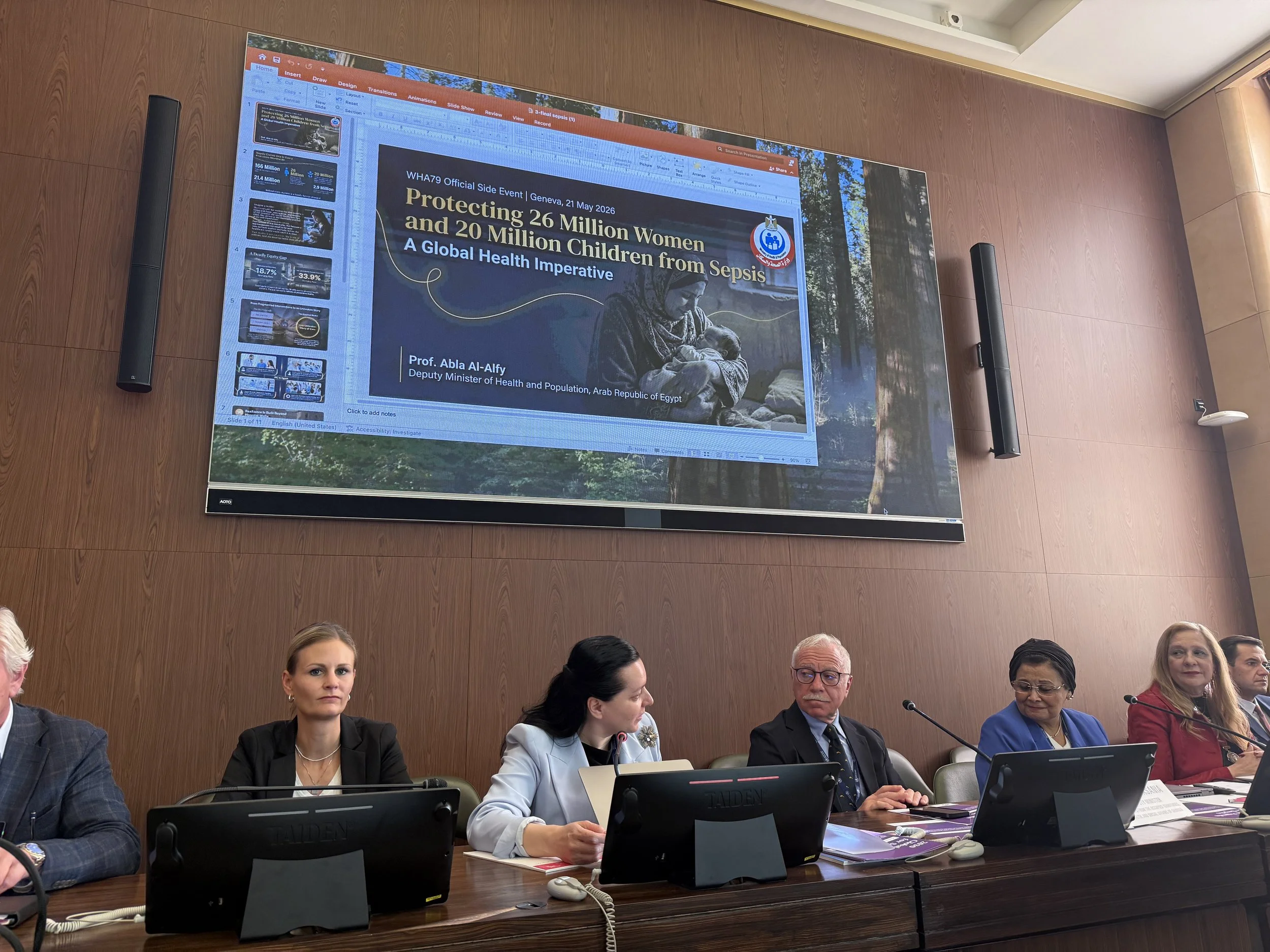
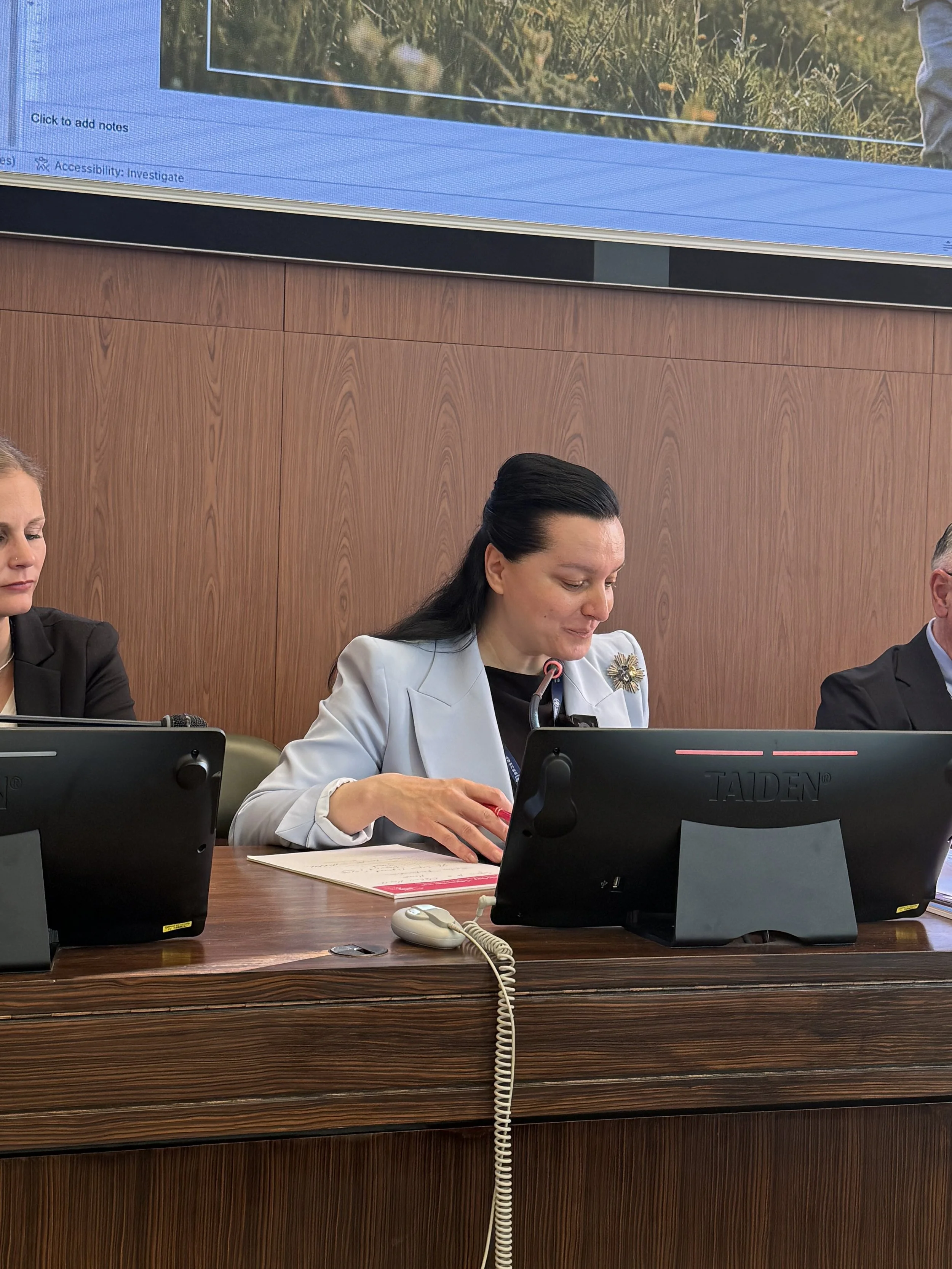
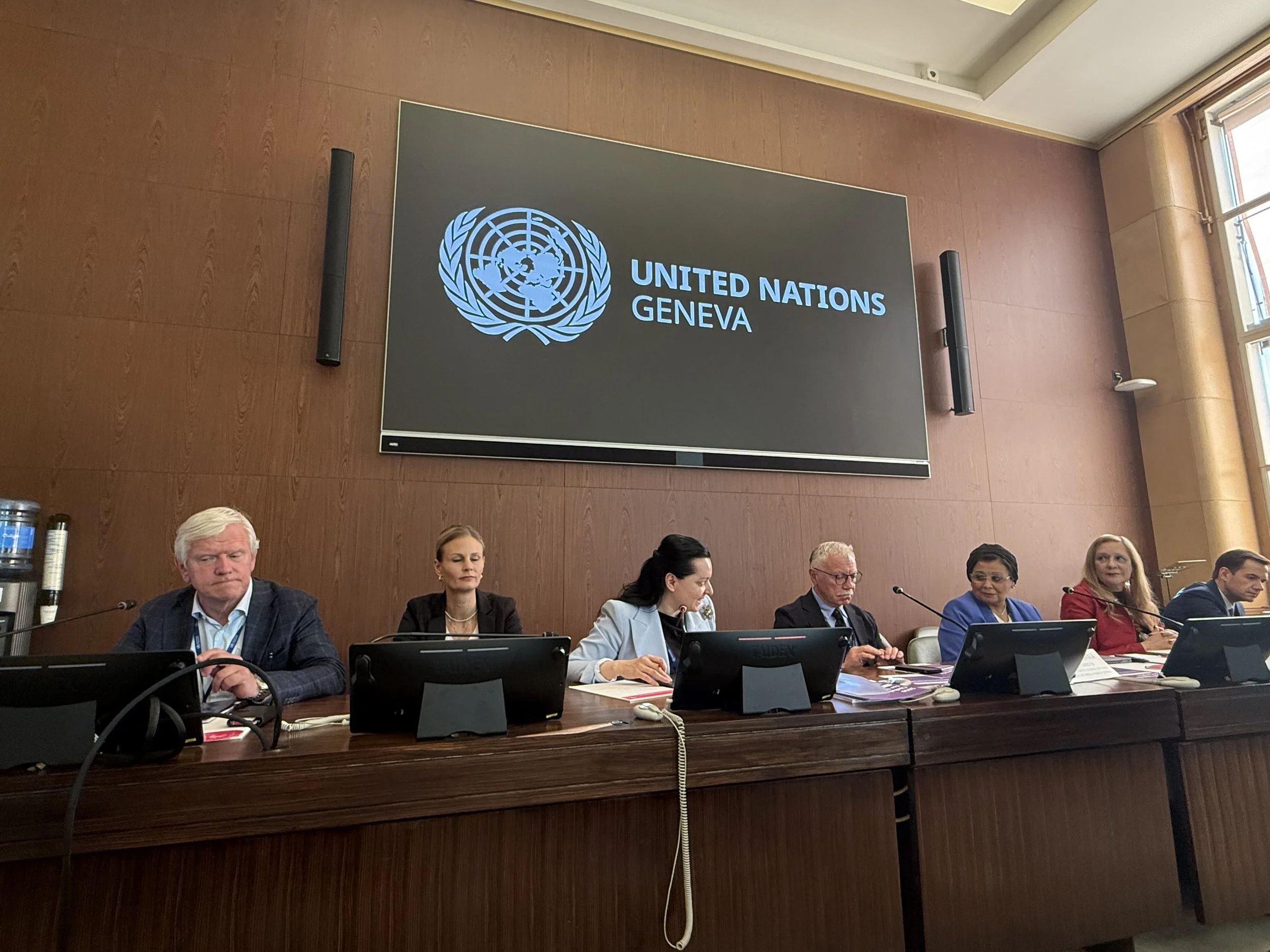
The Global Sepsis Alliance (GSA), together with its strategic partner Medical Women’s International Association (MWIA), convened a high-level Official Side Event on Sepsis at the 79th World Health Assembly (WHA79) Palais des Nations in Geneva for the second consecutive year.
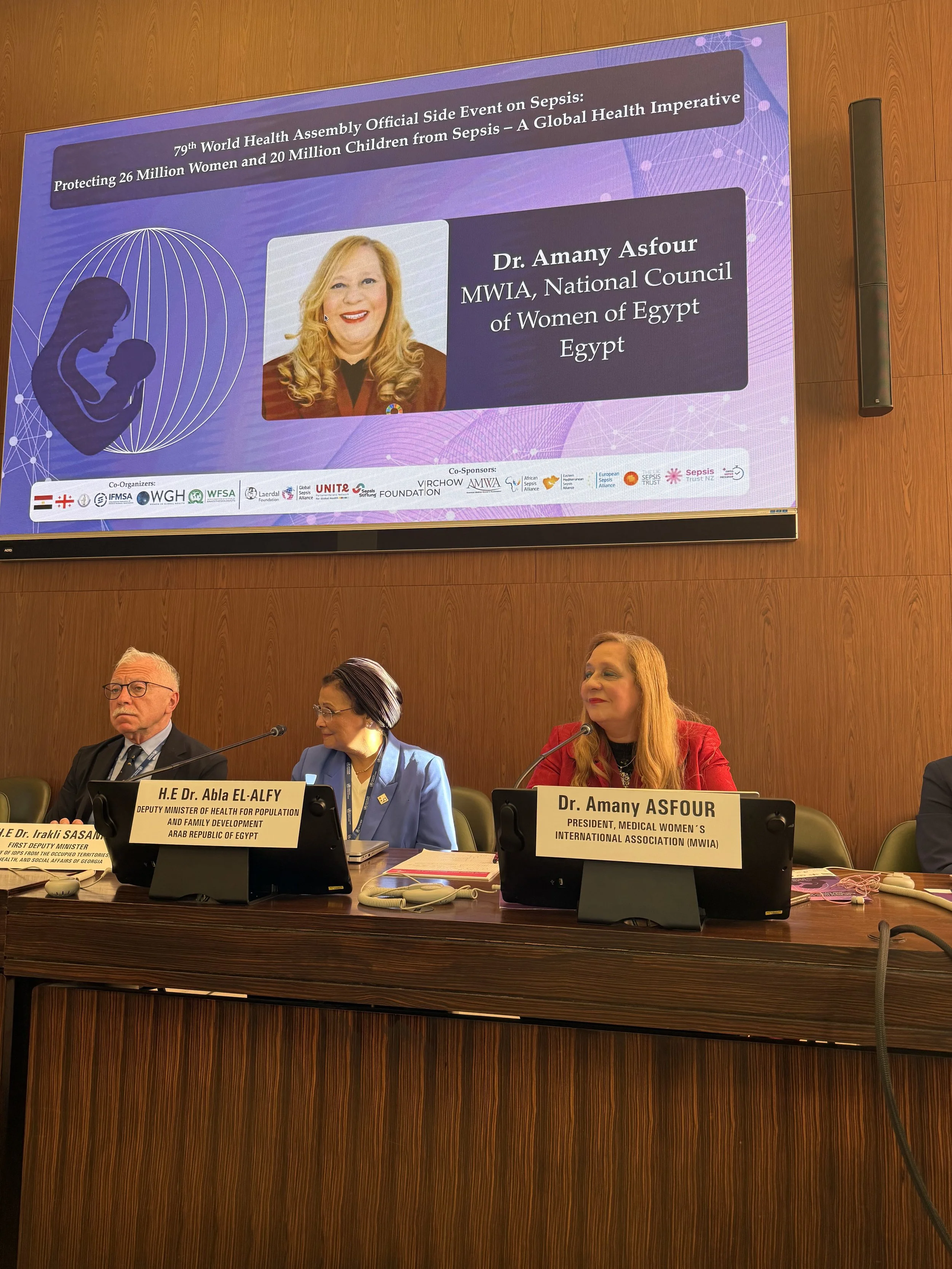
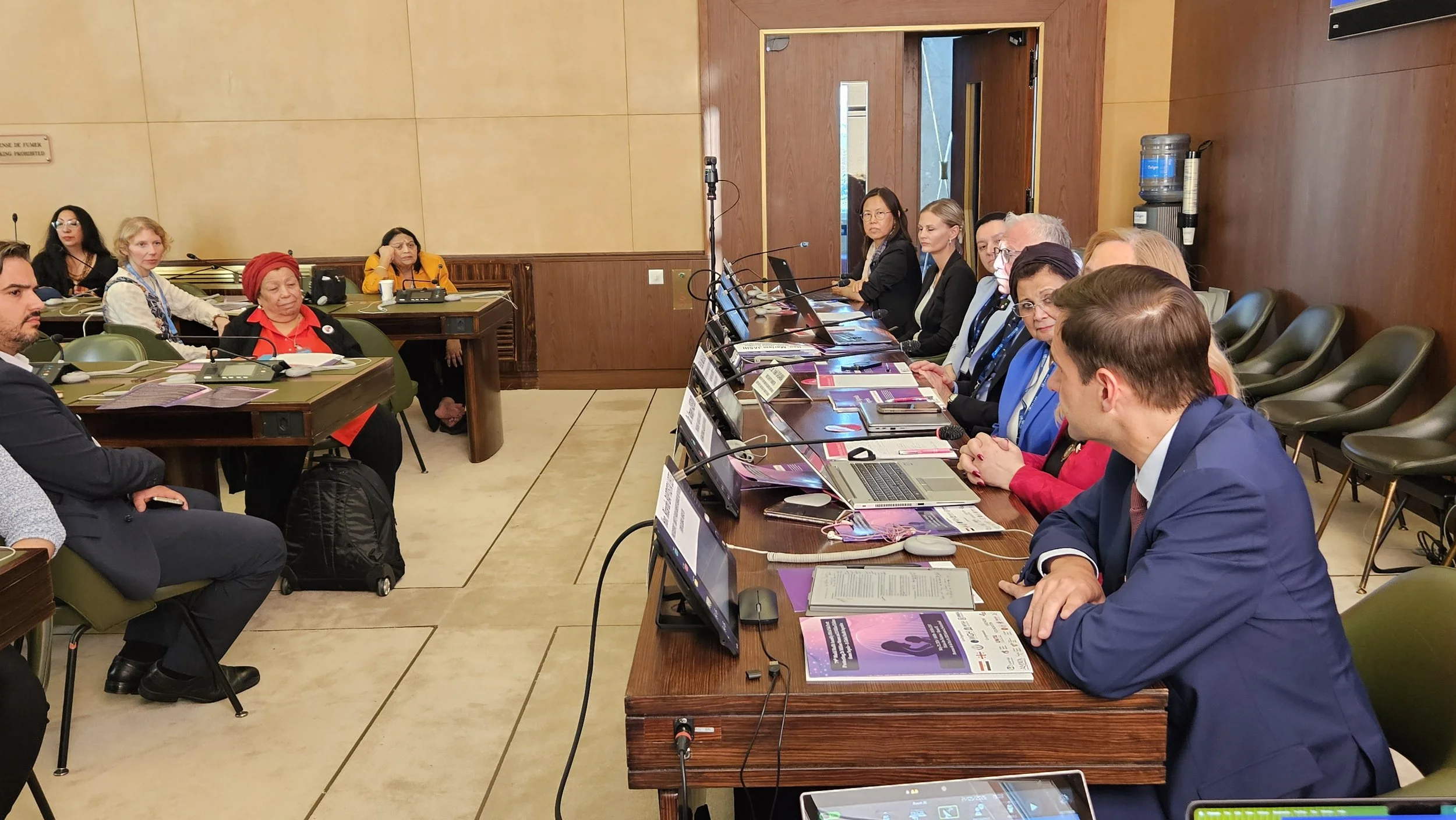
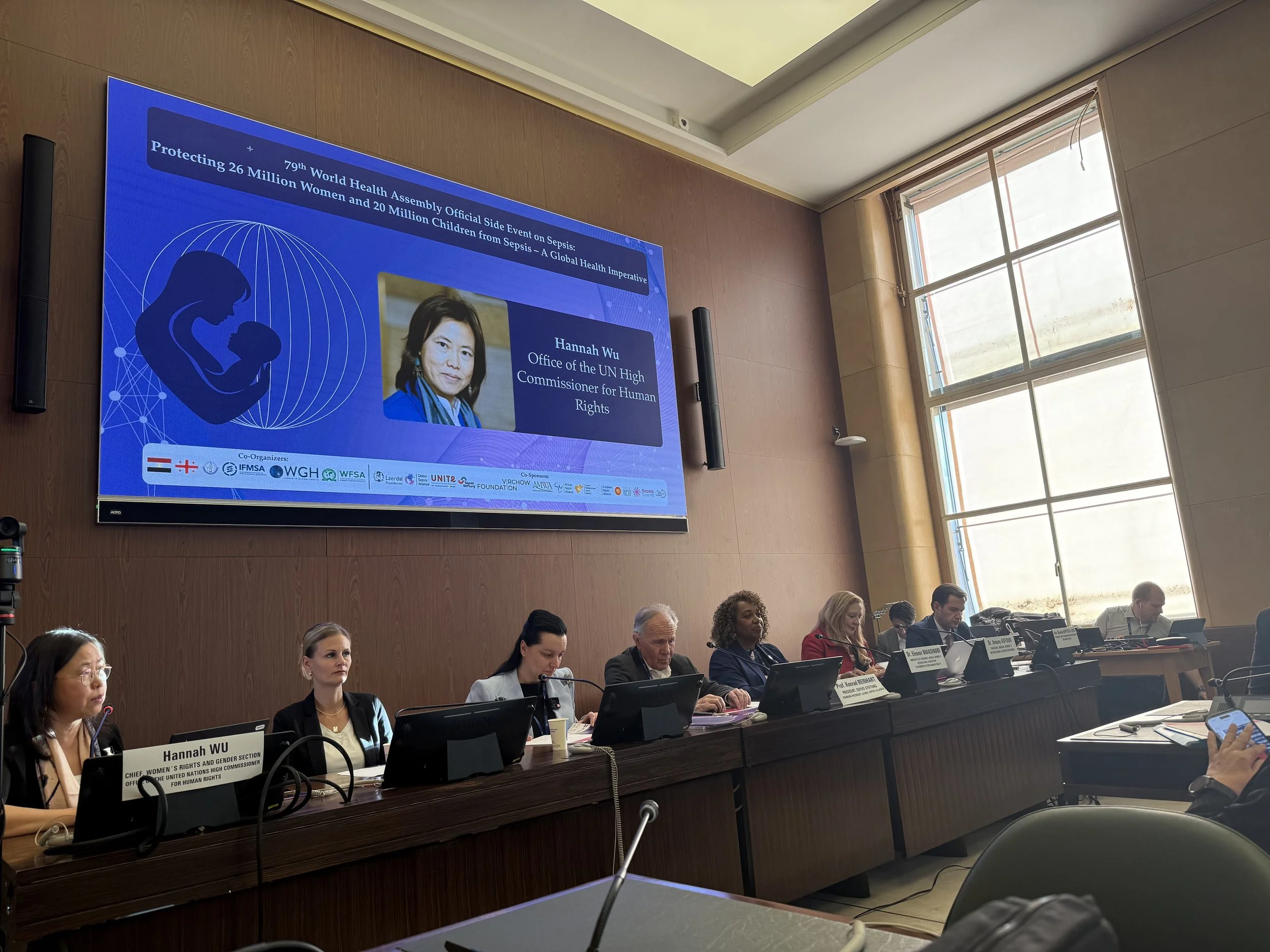
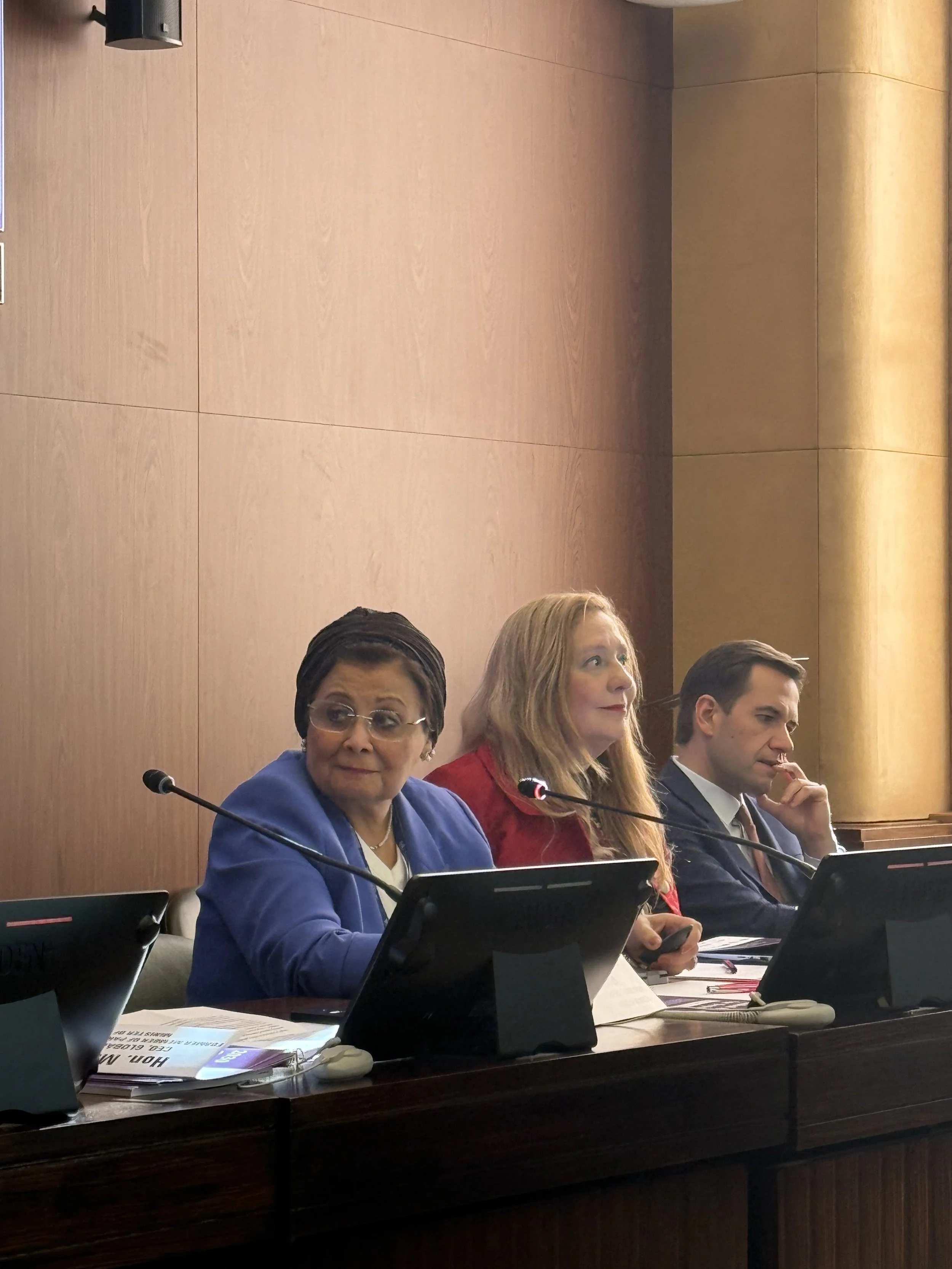
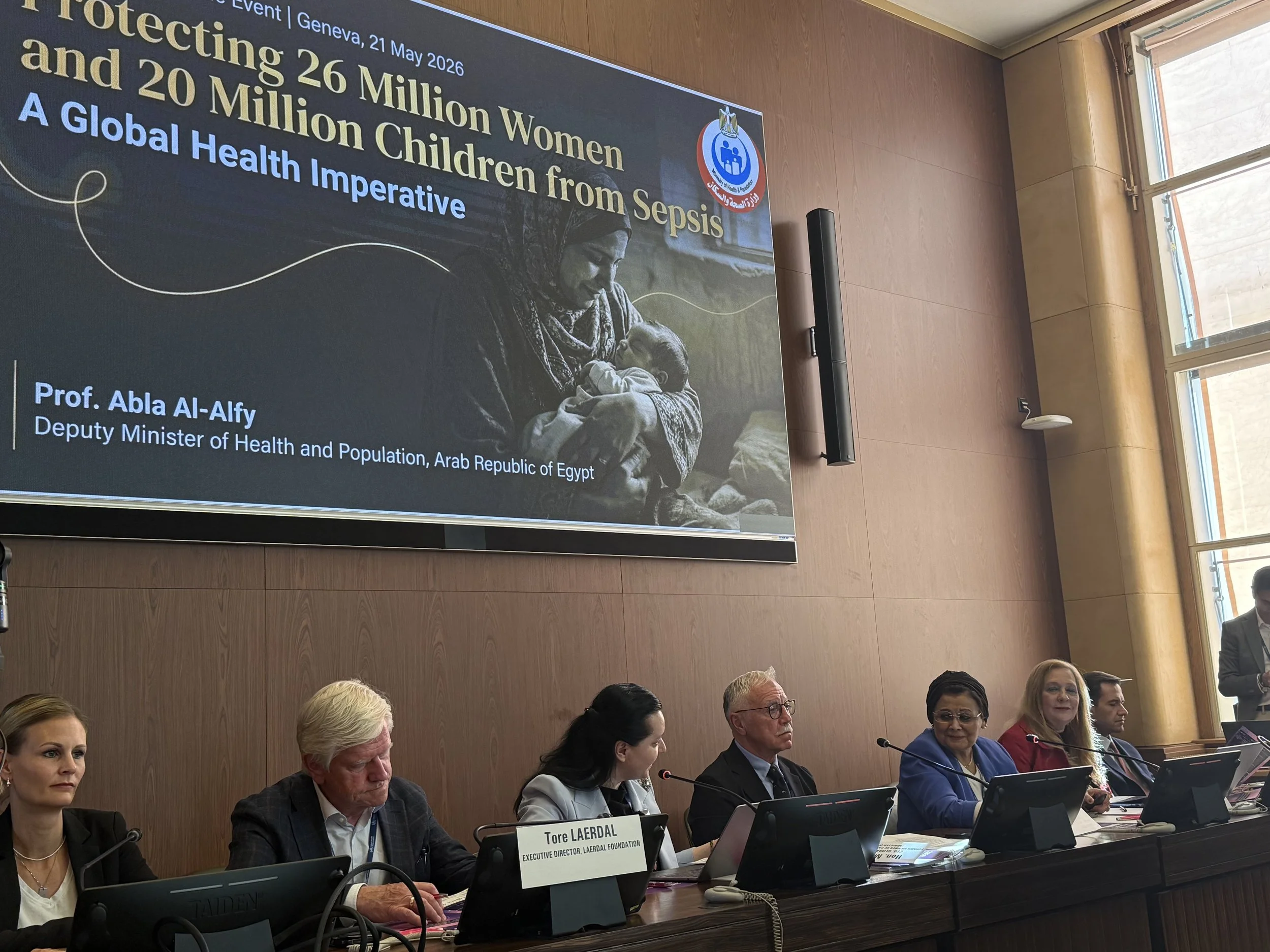
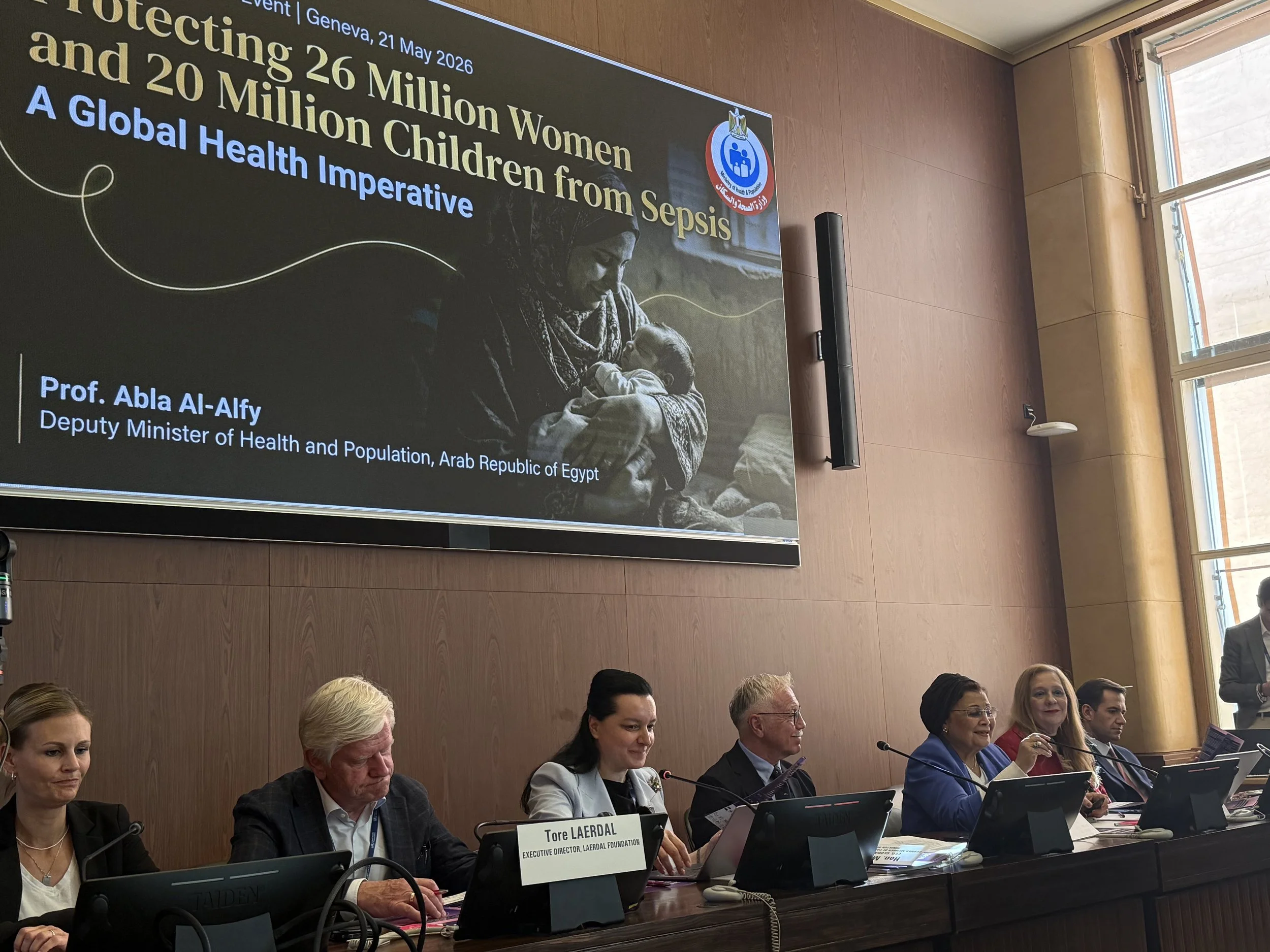
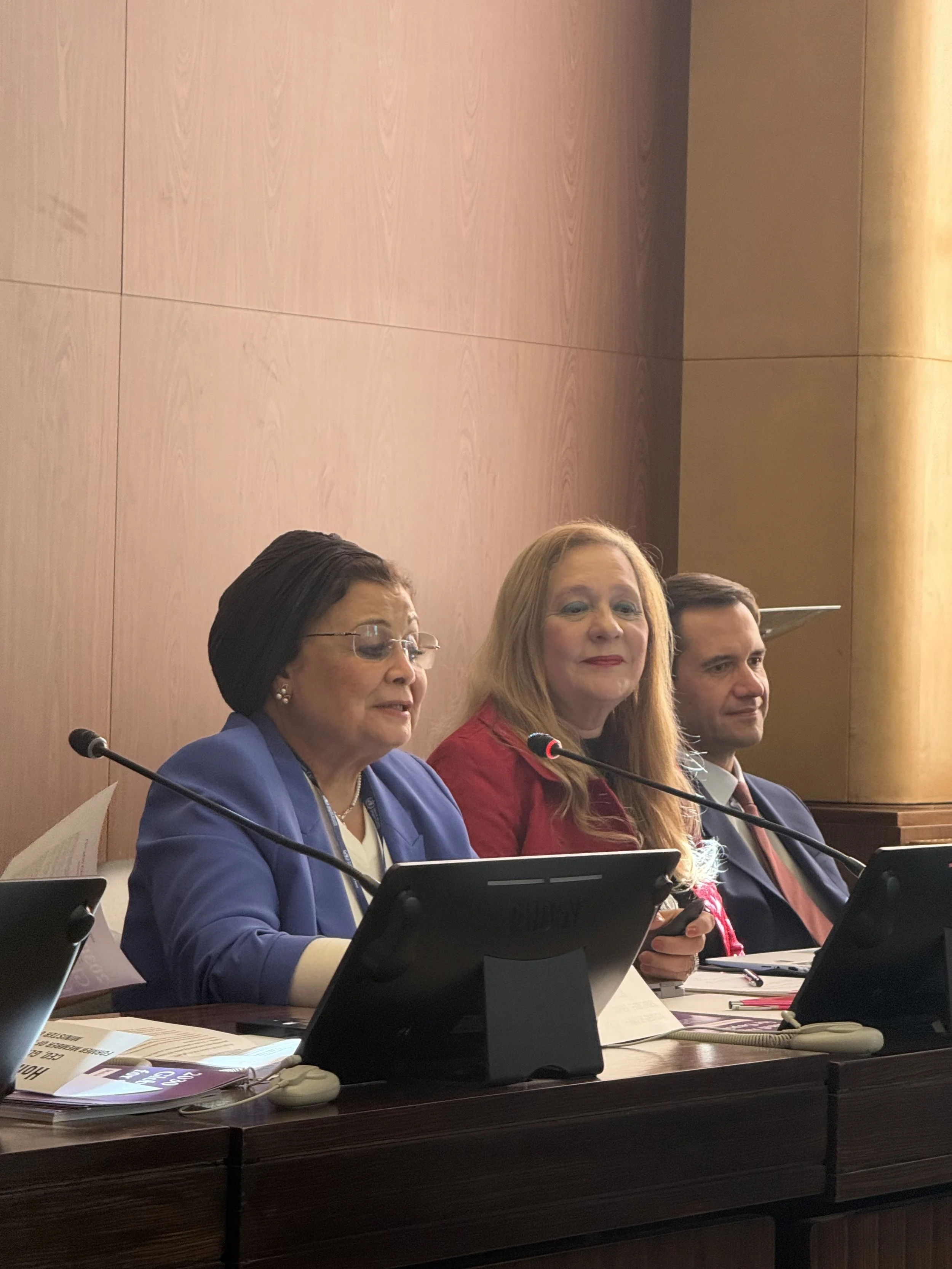
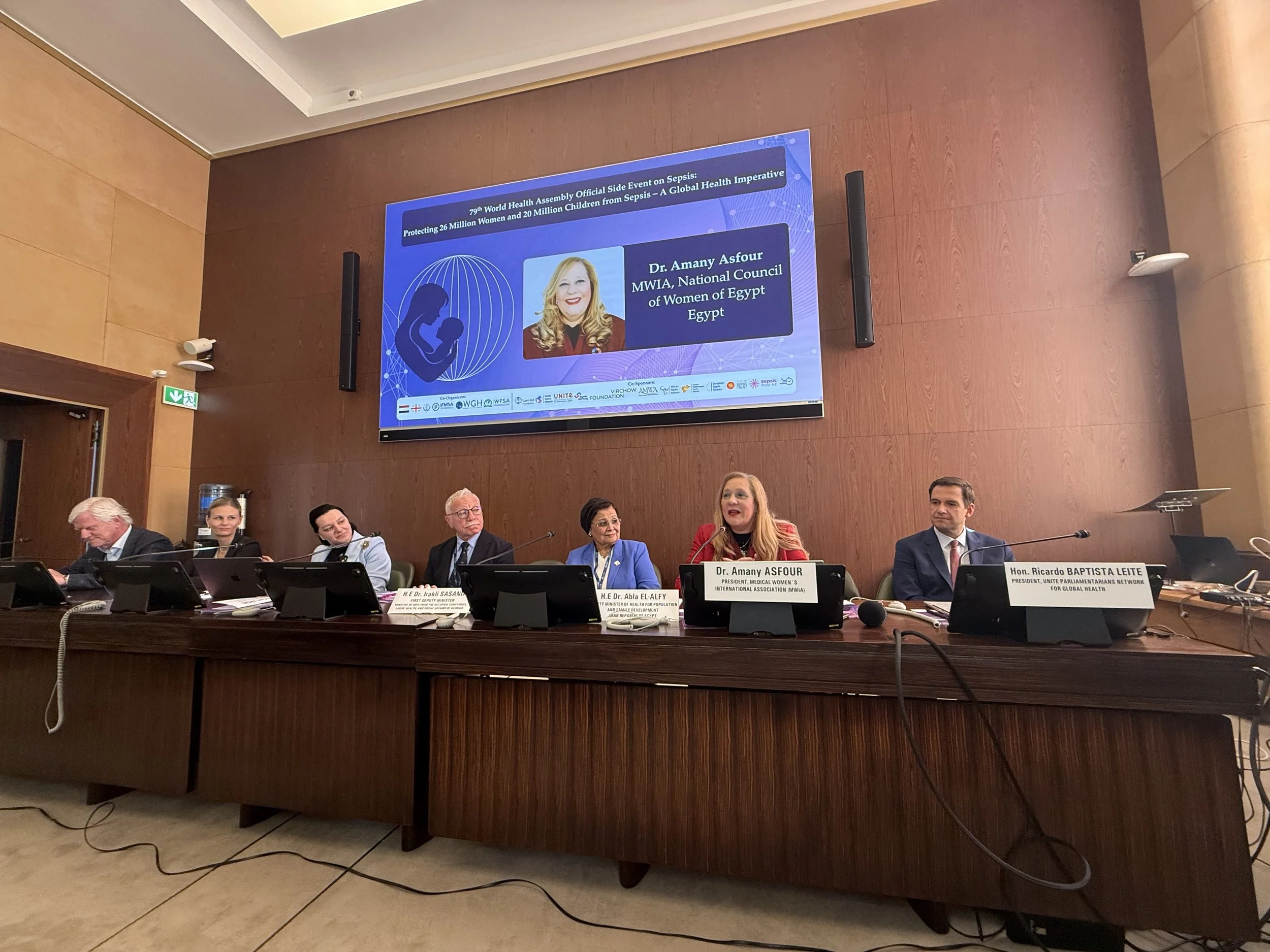
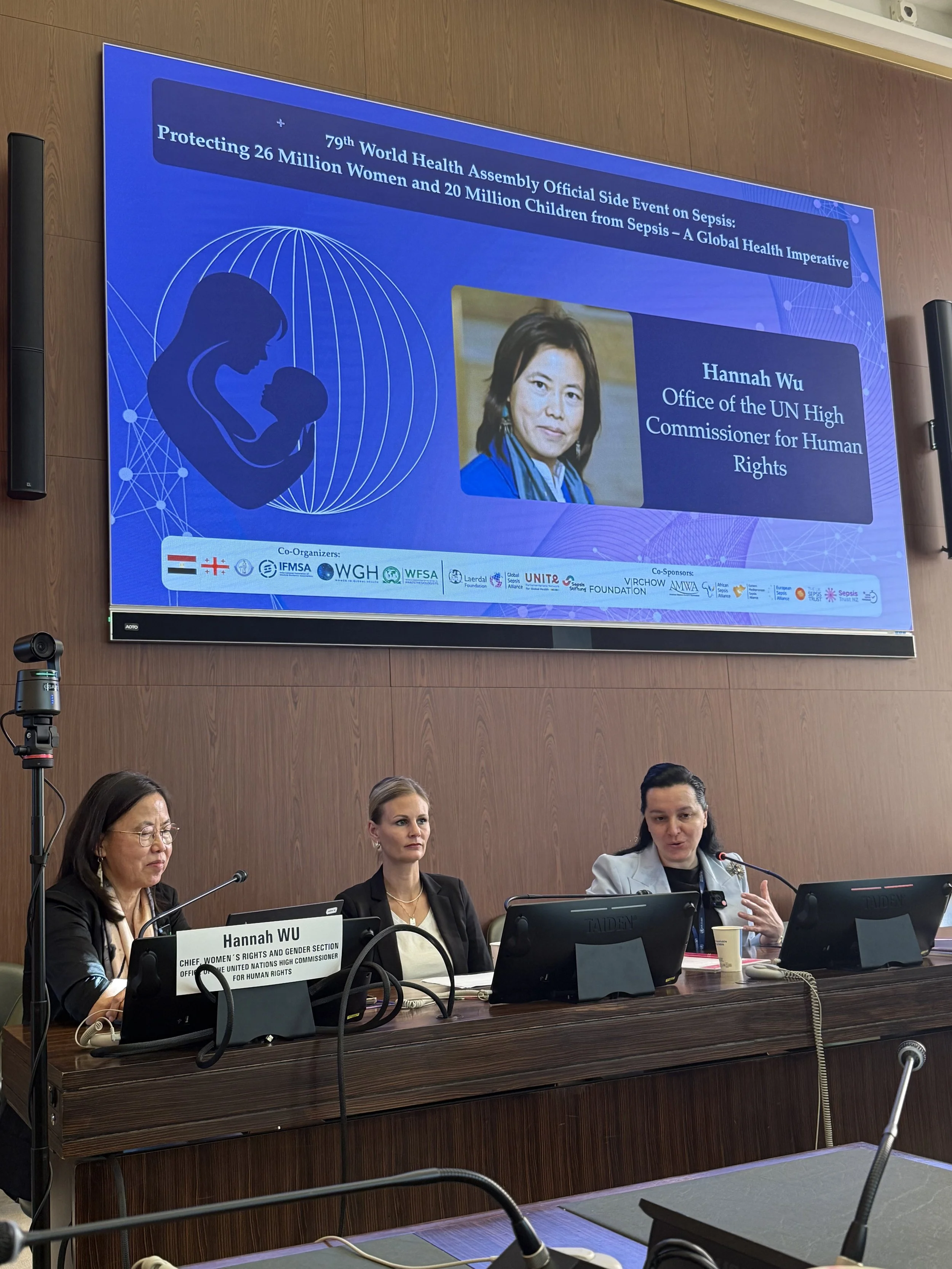
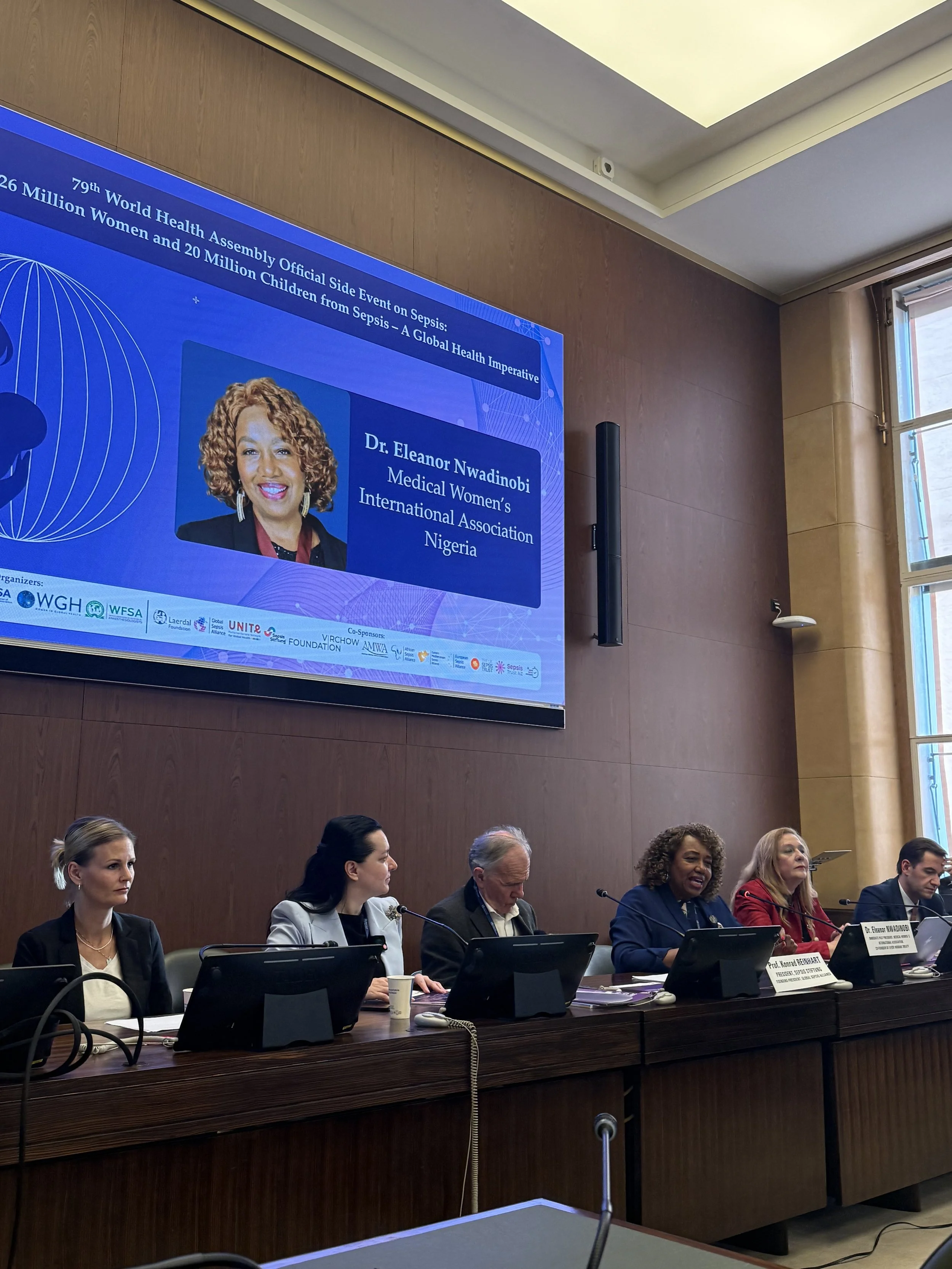
Titled “Protecting 26 Million Women and 20 Million Children from Sepsis – A Global Health Imperative,” the event brought together high-level representatives of Member States, international organizations, youth representatives, professional associations, and Sepsis advocates to address the growing global burden of Sepsis and reinforce the importance of coordinated international action.
The event was co-organized by the governments of Egypt and Georgia together with four Non-State Actors in official relations with WHO, including Medical Women’s International Association, Women in Global Health, World Federation of Societies of Anesthesiologists, and International Federation of Medical Students’ Associations.
The event was further supported by leading global health partners, including the Laerdal Foundation, UNITE Parliamentarians Network for Global Health, Virchow Foundation, American Medical Women’s Association (AMWA), UK Sepsis Trust, Sepsis Trust New Zealand, Sepsis Stiftung, Swiss Sepsis Program and regional Sepsis alliances from Africa, Europe, and the Eastern Mediterranean.
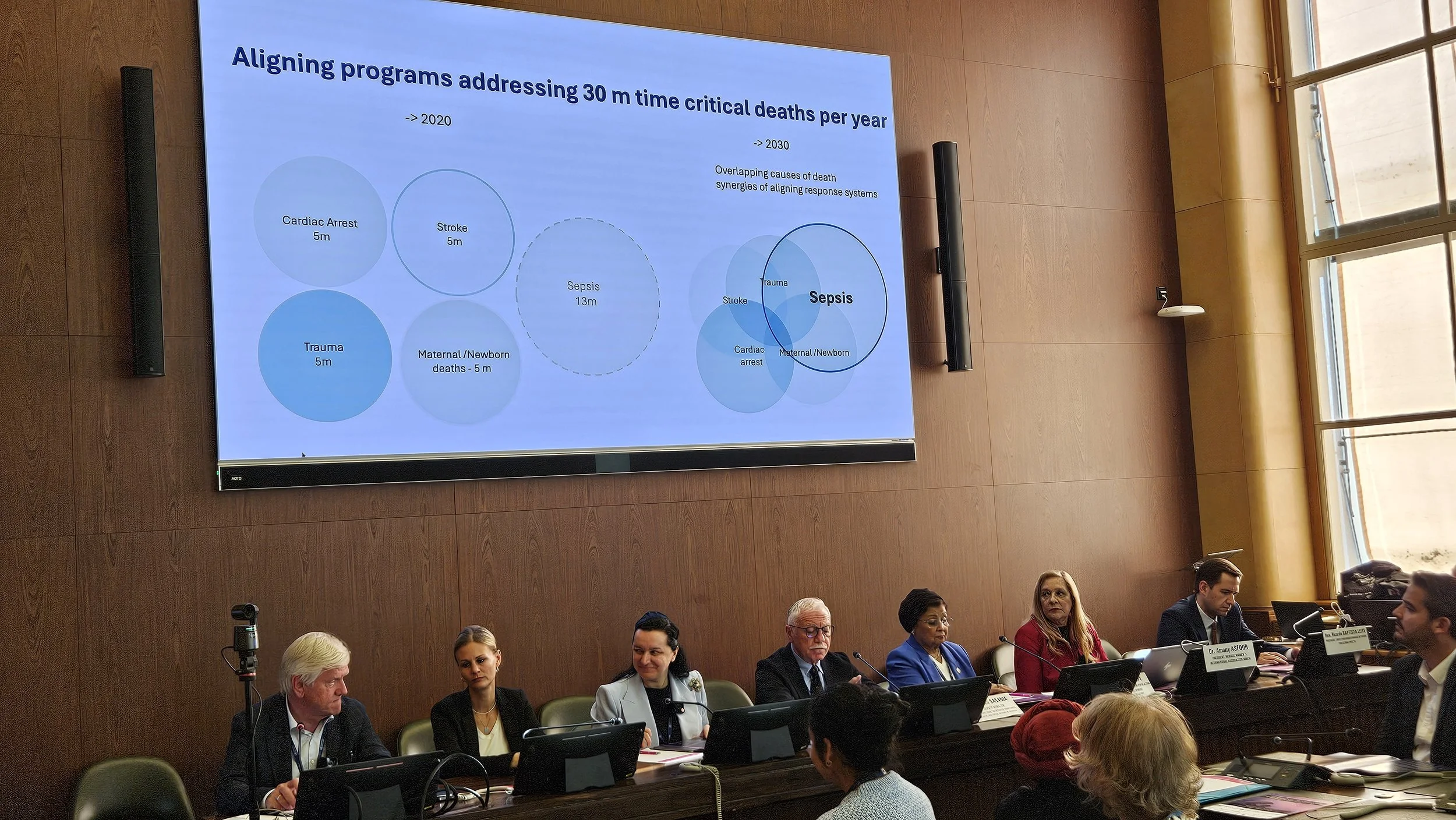
Discussions emphasized the urgent global burden of Sepsis, which affects an estimated 48.9 million people annually, including 26 million women and 20 million children under five years of age. Participants highlighted that Sepsis accounts for one in five deaths globally, causing approximately 2.9 million child deaths annually and remaining the third leading cause of maternal mortality worldwide. Speakers stressed that women and children living in low-resource and humanitarian settings are disproportionately affected, while future pandemics and climate-related emergencies are likely to further increase the burden of Sepsis globally.
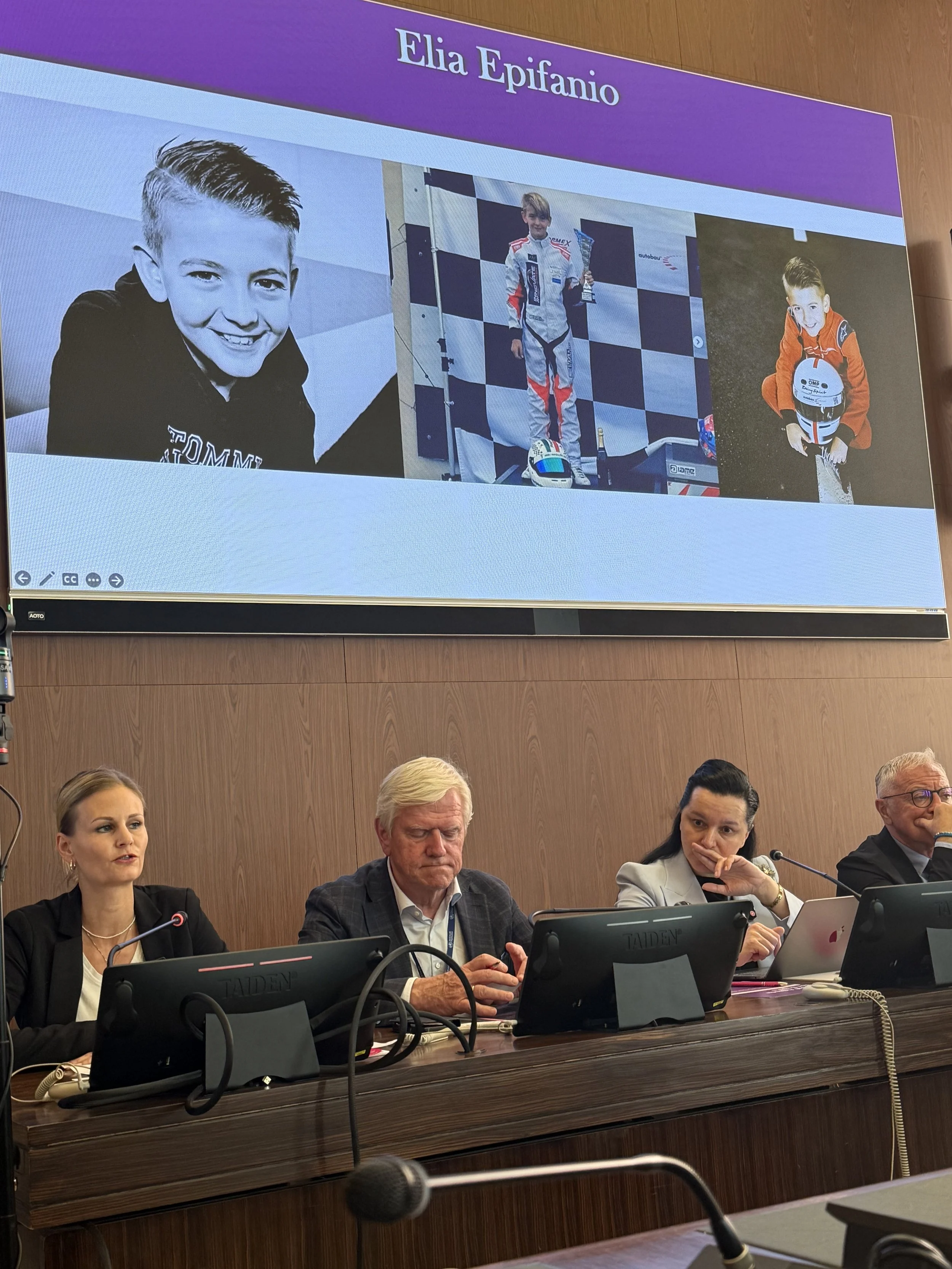
The meeting opened with remarks by Jennifer Epifanio, mother of 14-year-old Elia Epifanio, who died from septic shock in March 2023. Since then, Jennifer and Daniele Epifanio have become leading advocates for Sepsis awareness and prevention in Switzerland and internationally. Participants recognized the contribution of the Trofeo Elia Epifanio charity race in supporting the Zurich Children’s Hospital and raising awareness to help save lives from Sepsis.
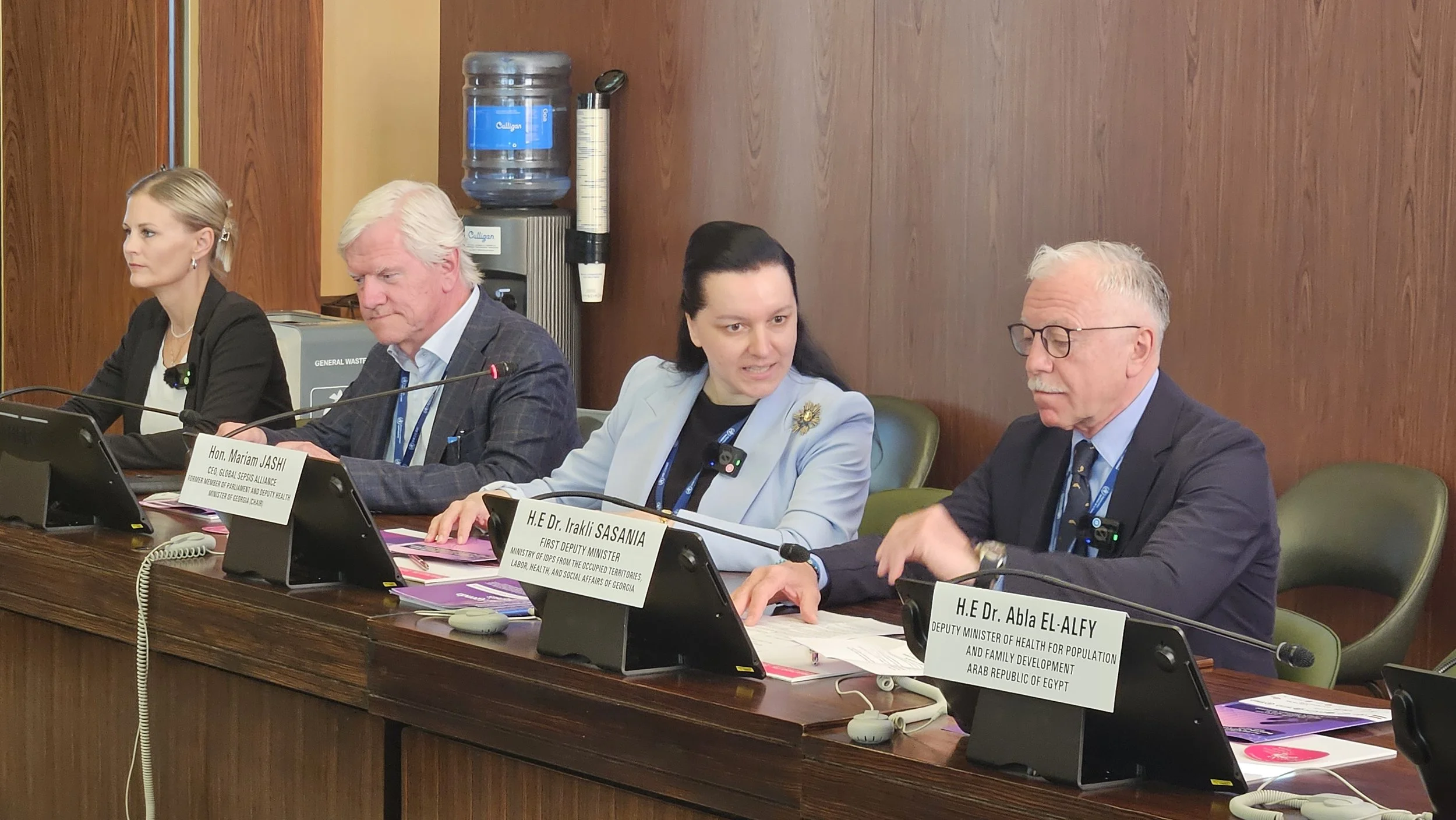
The program featured keynote remarks and high-level interventions from global policymakers and health leaders, including a video address by H.E. Dorothee Bär, Federal Minister of Science, Technology and Space of Germany; H.E. Dr. Irakli Sasania, First Deputy Minister of Health of Georgia; and H.E. Dr. Abla El-Alfy, Deputy Minister of Health for Population and Family Development of Egypt.
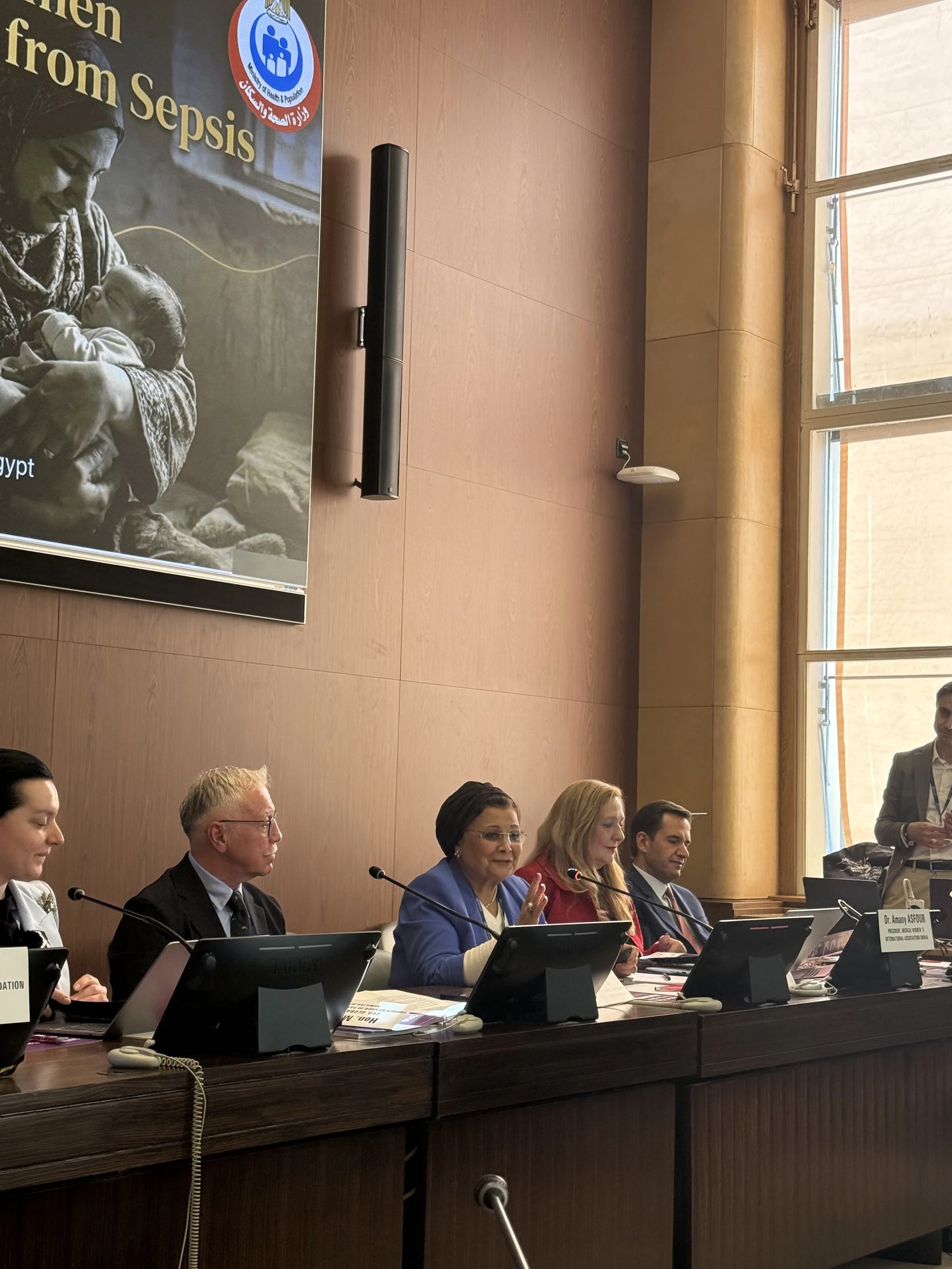
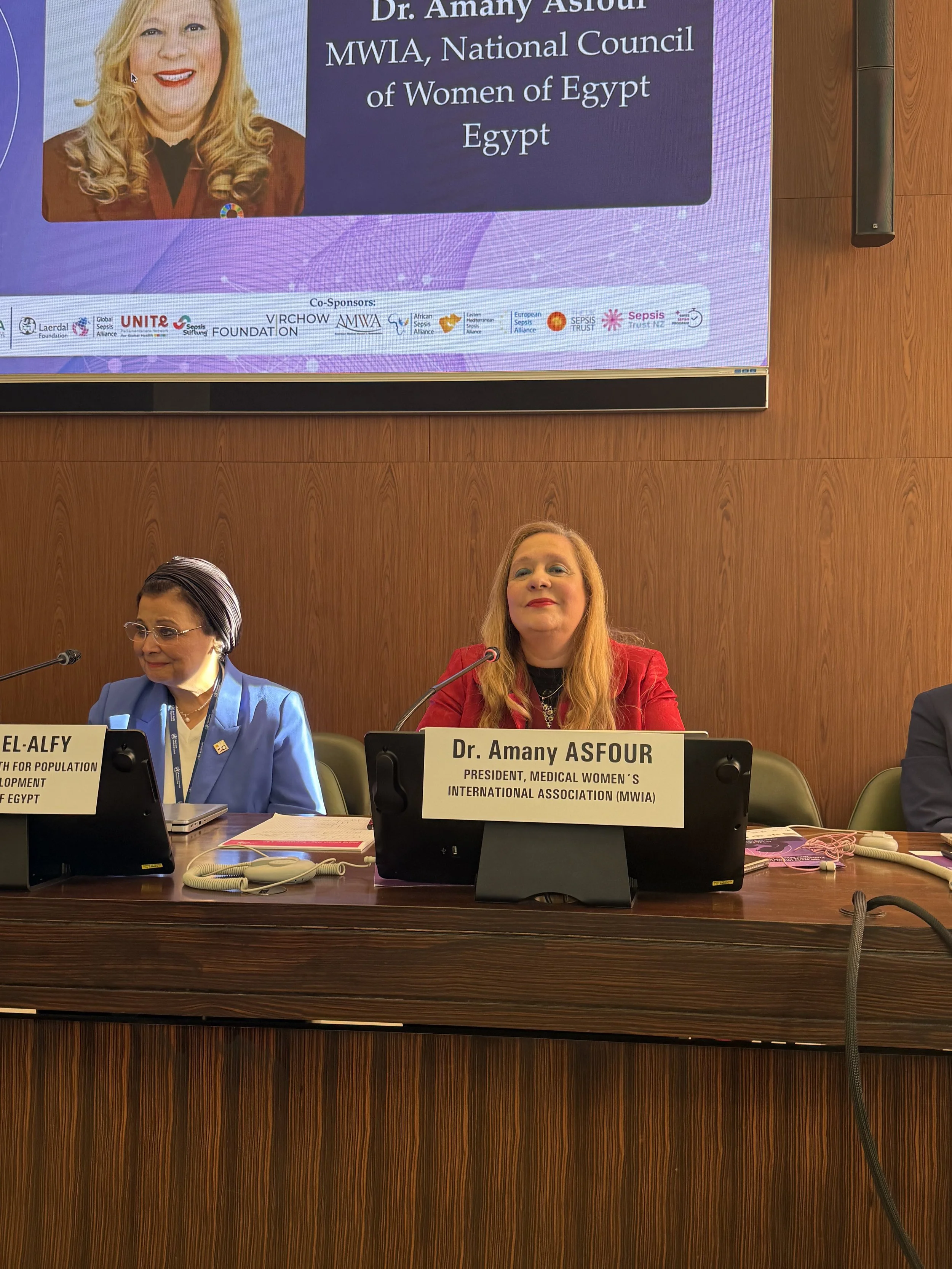
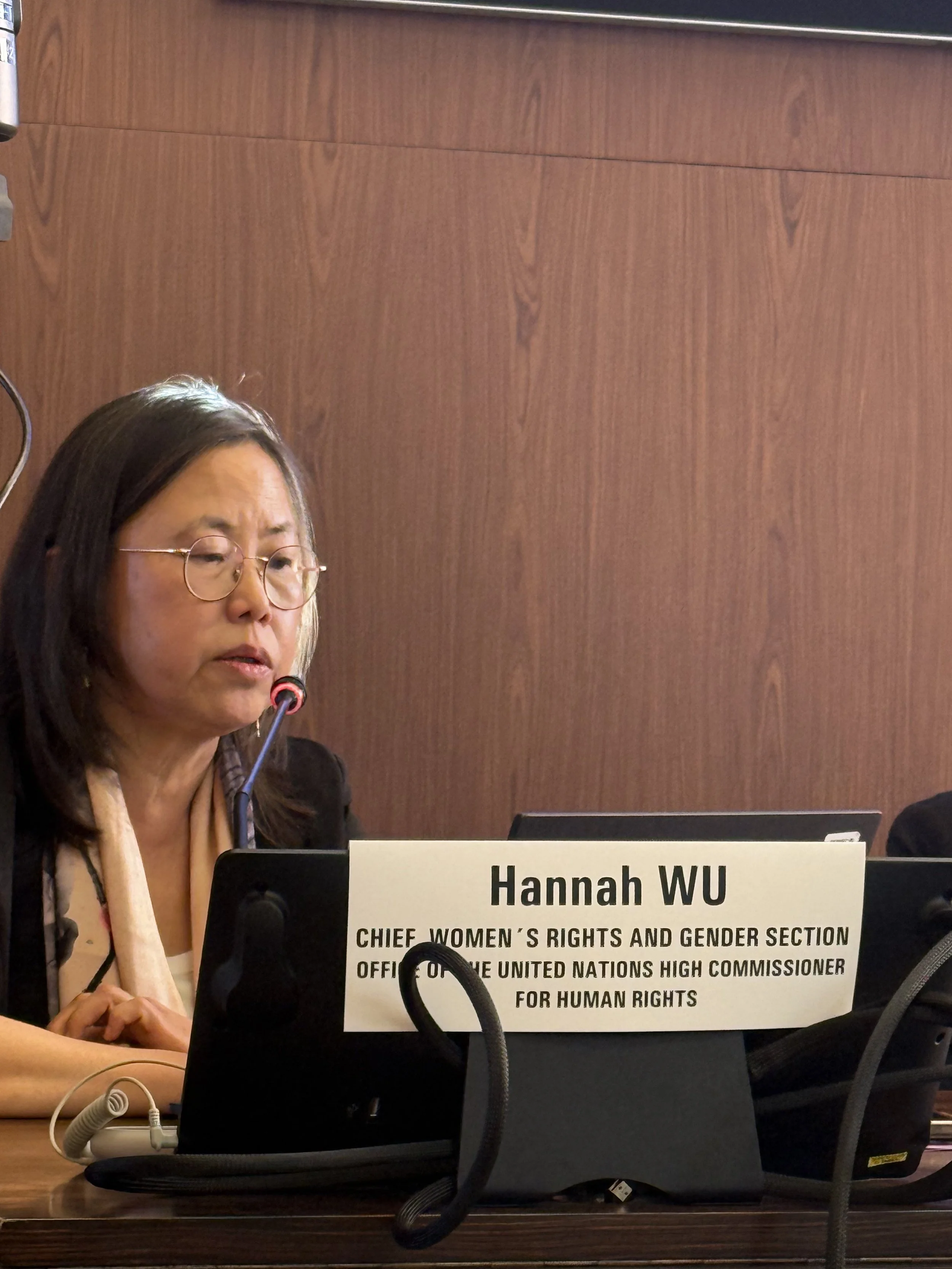
Distinguished speakers included Tore Laerdal, Executive Director, Laerdal Foundation; Hon. Ricardo Baptista Leite, President of the UNITE Parliamentarians Network for Global Health; Dr. Amany Asfour, President of the Medical Women’s International Association and Co-chair of Health Committee, National Council of Women of Egypt; Hannah Wu – Chief of Women’s Rights and Gender Section at the Office of the UN High Commissioner for Human Rights, and Prof. Konrad Reinhart, Founding President of the Global Sepsis Alliance.
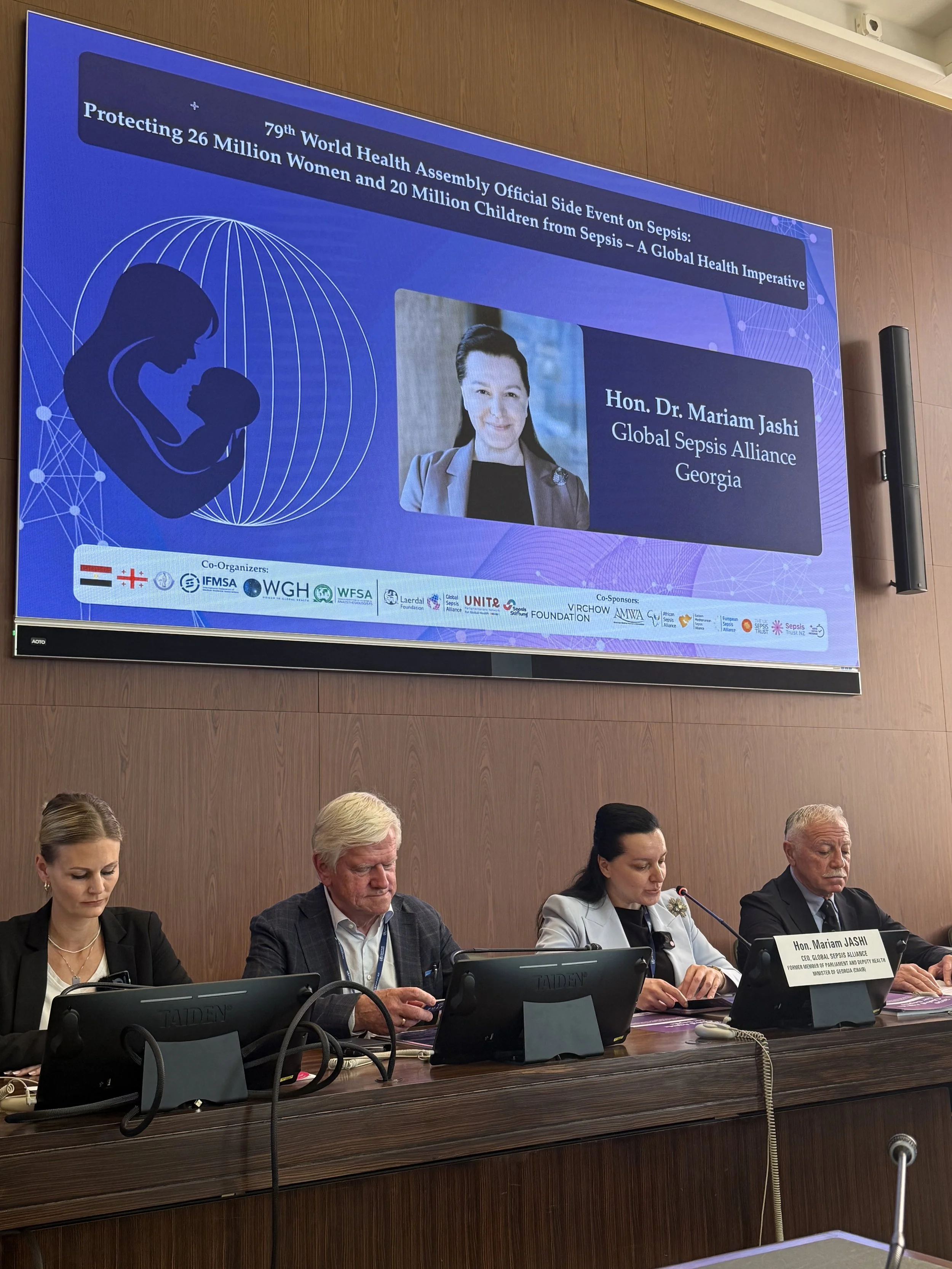
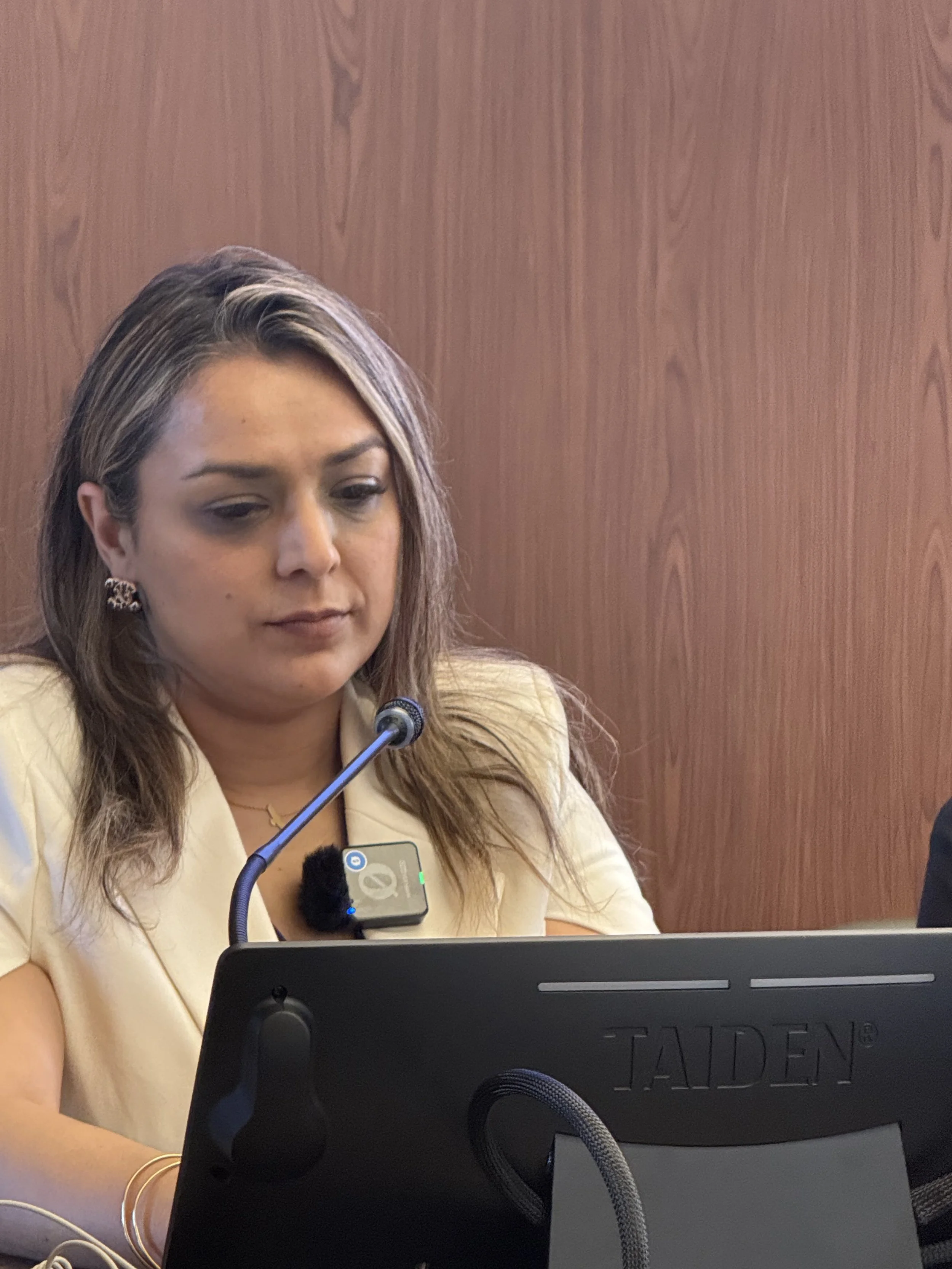
The meeting was chaired by Hon. Mariam Jashi, CEO of the Global Sepsis Alliance, former Parliamentarian and Deputy Minister of Health of Georgia.
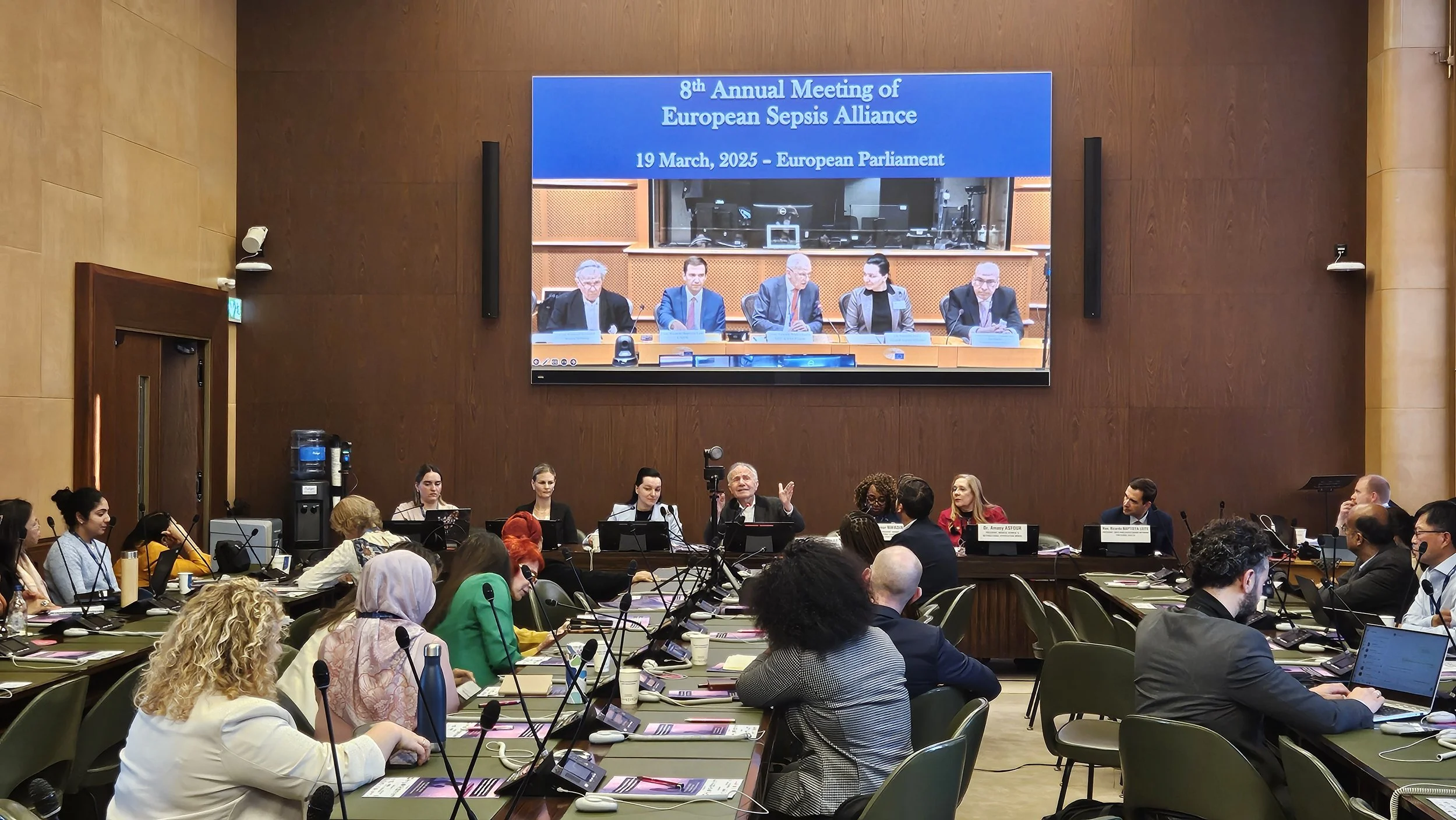
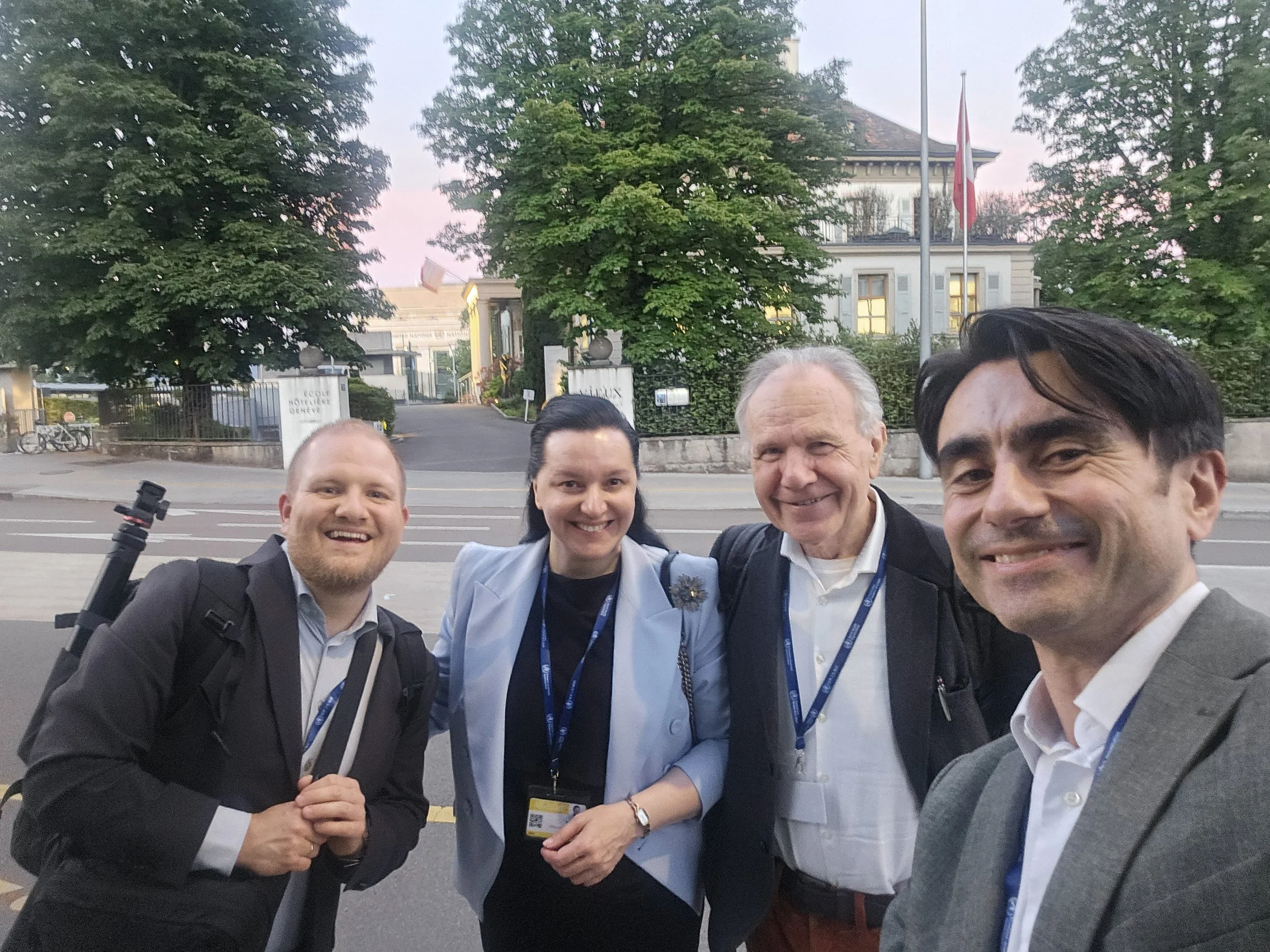
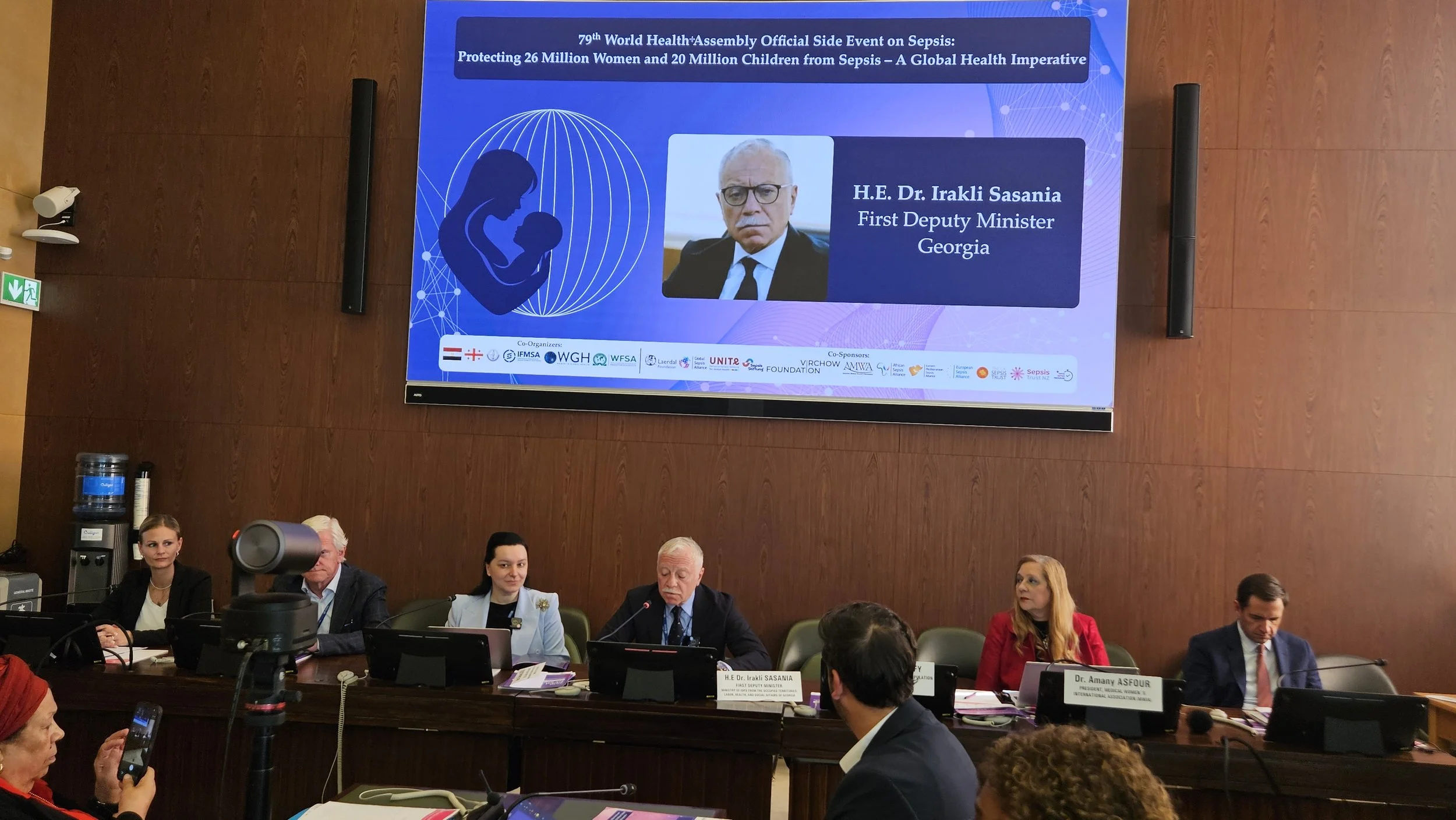
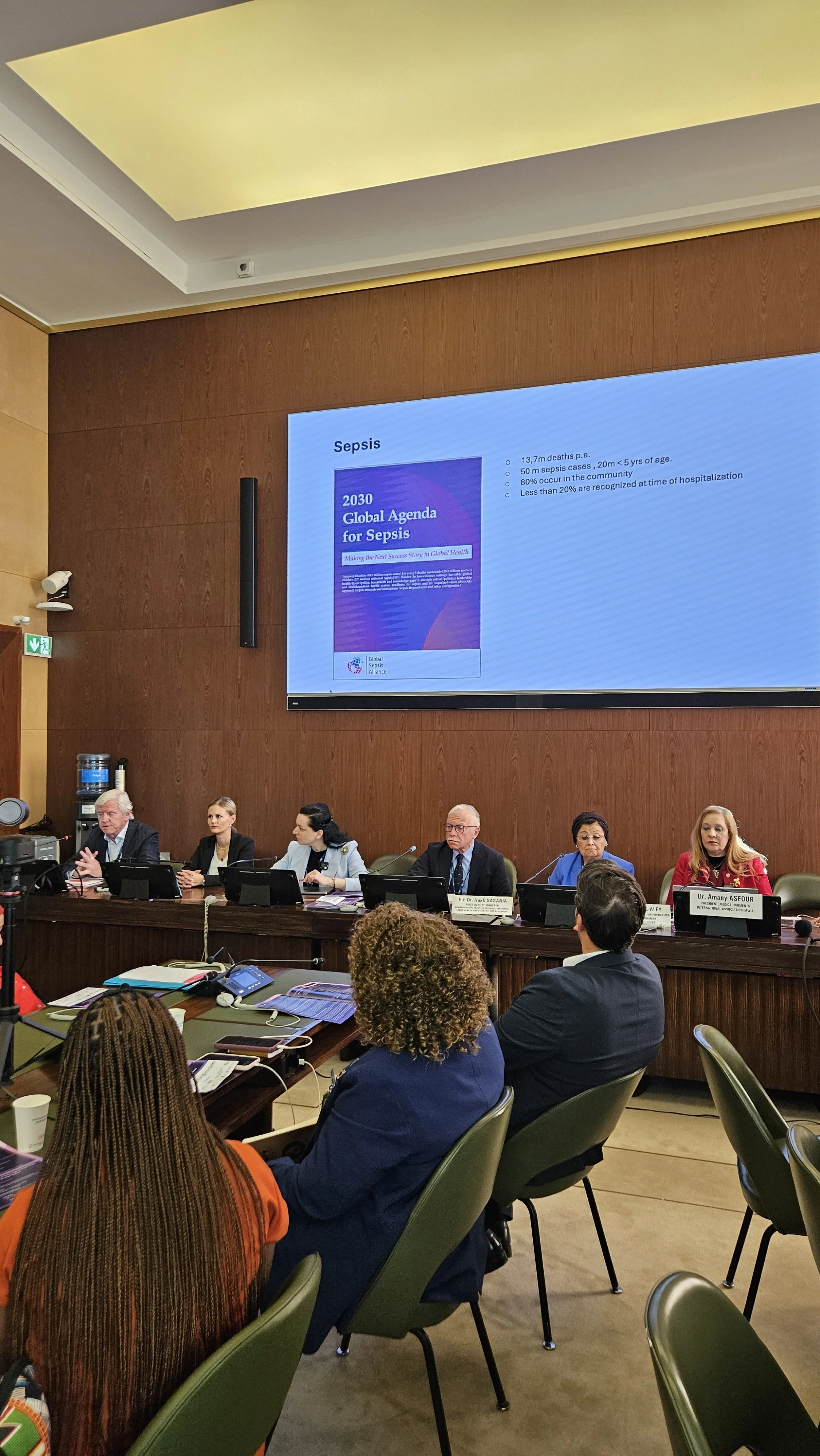
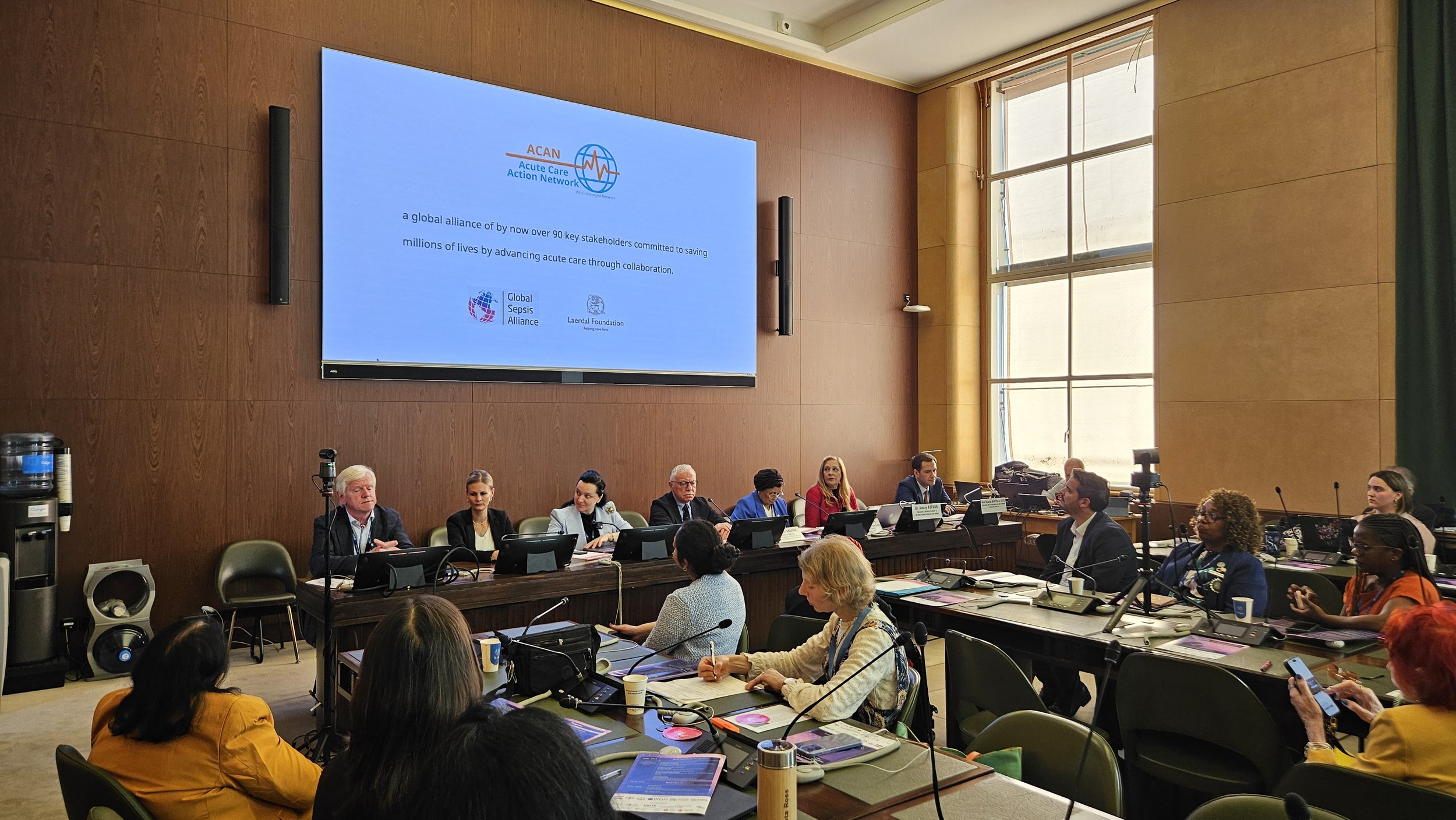
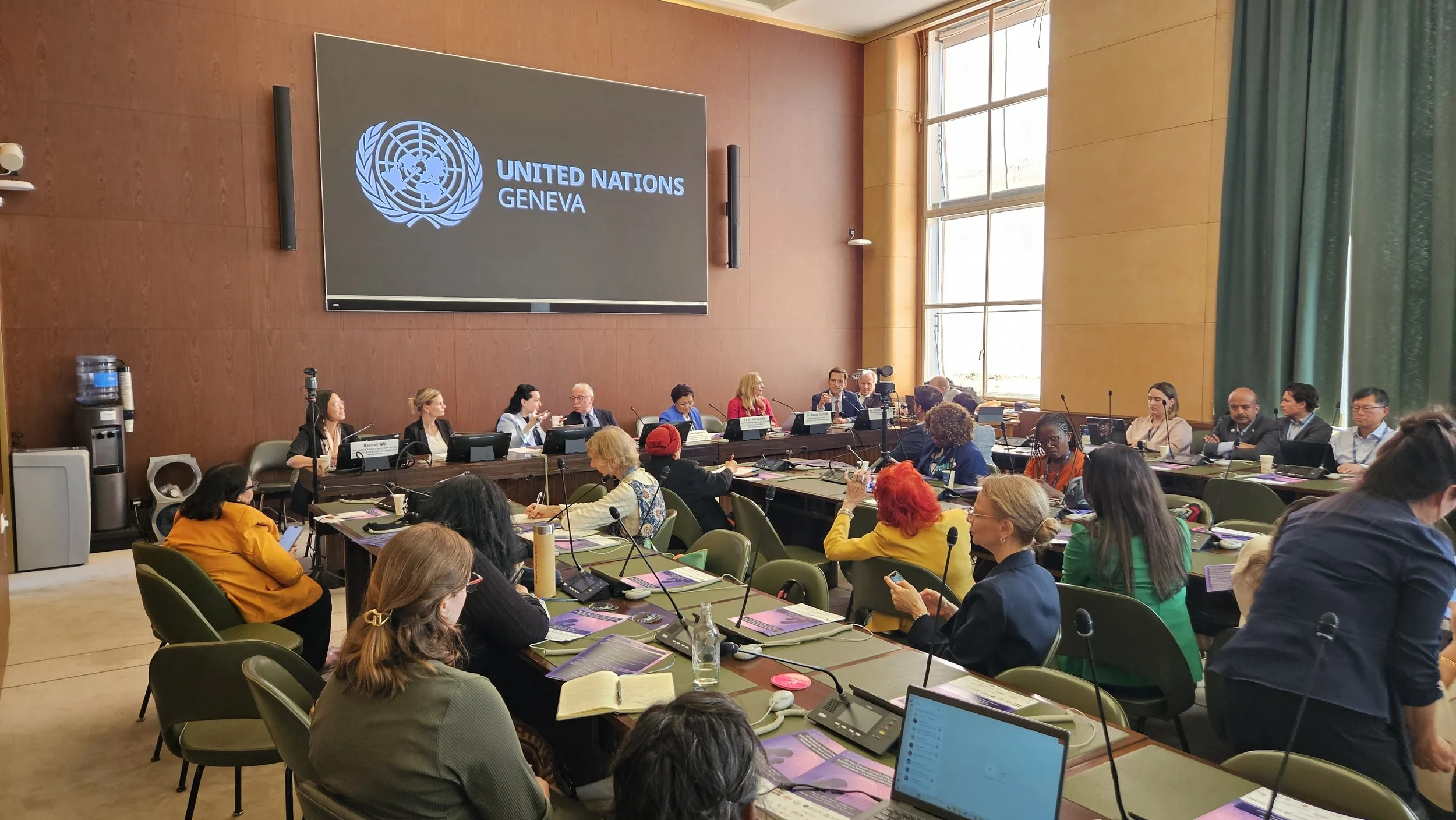
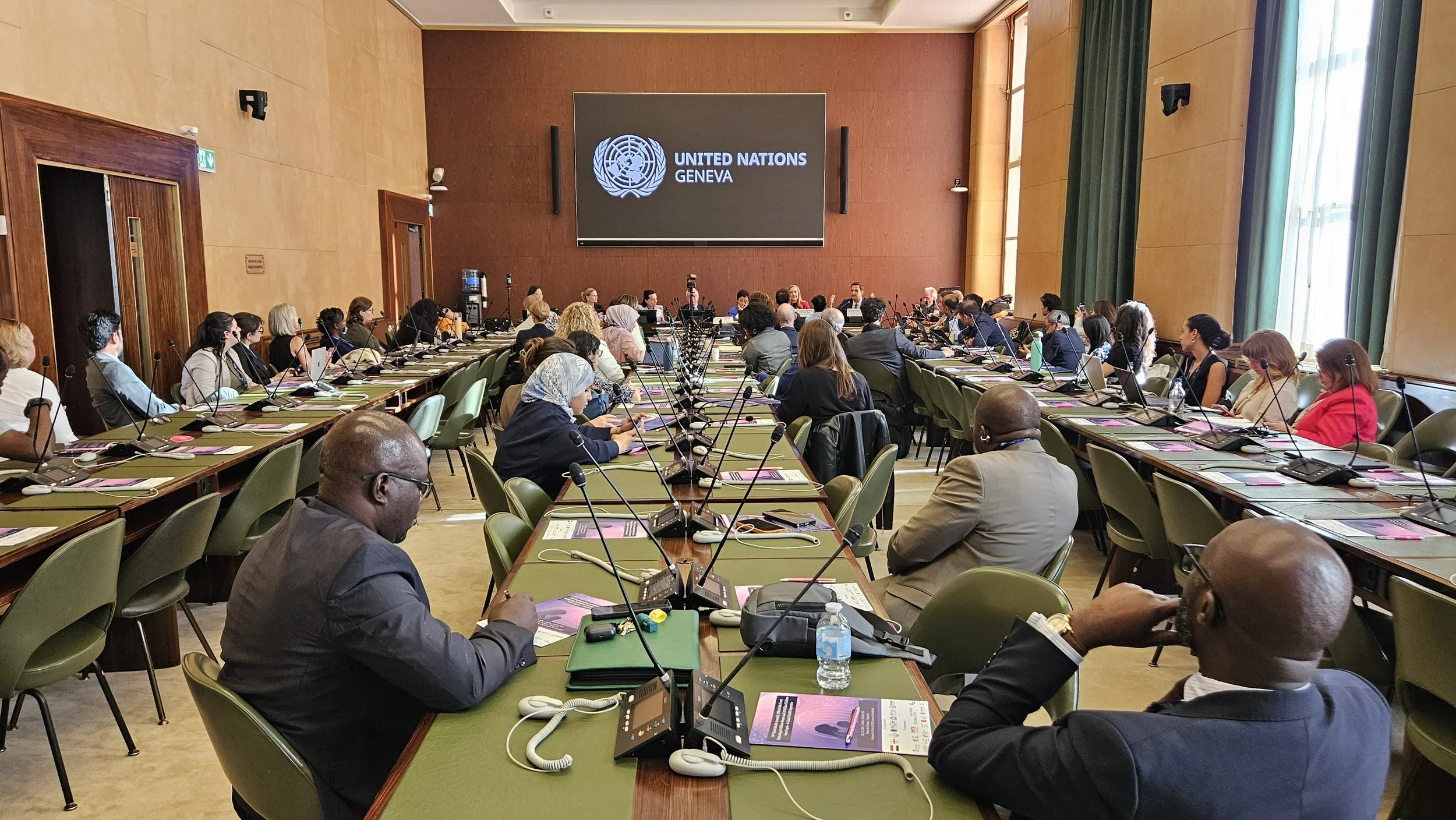
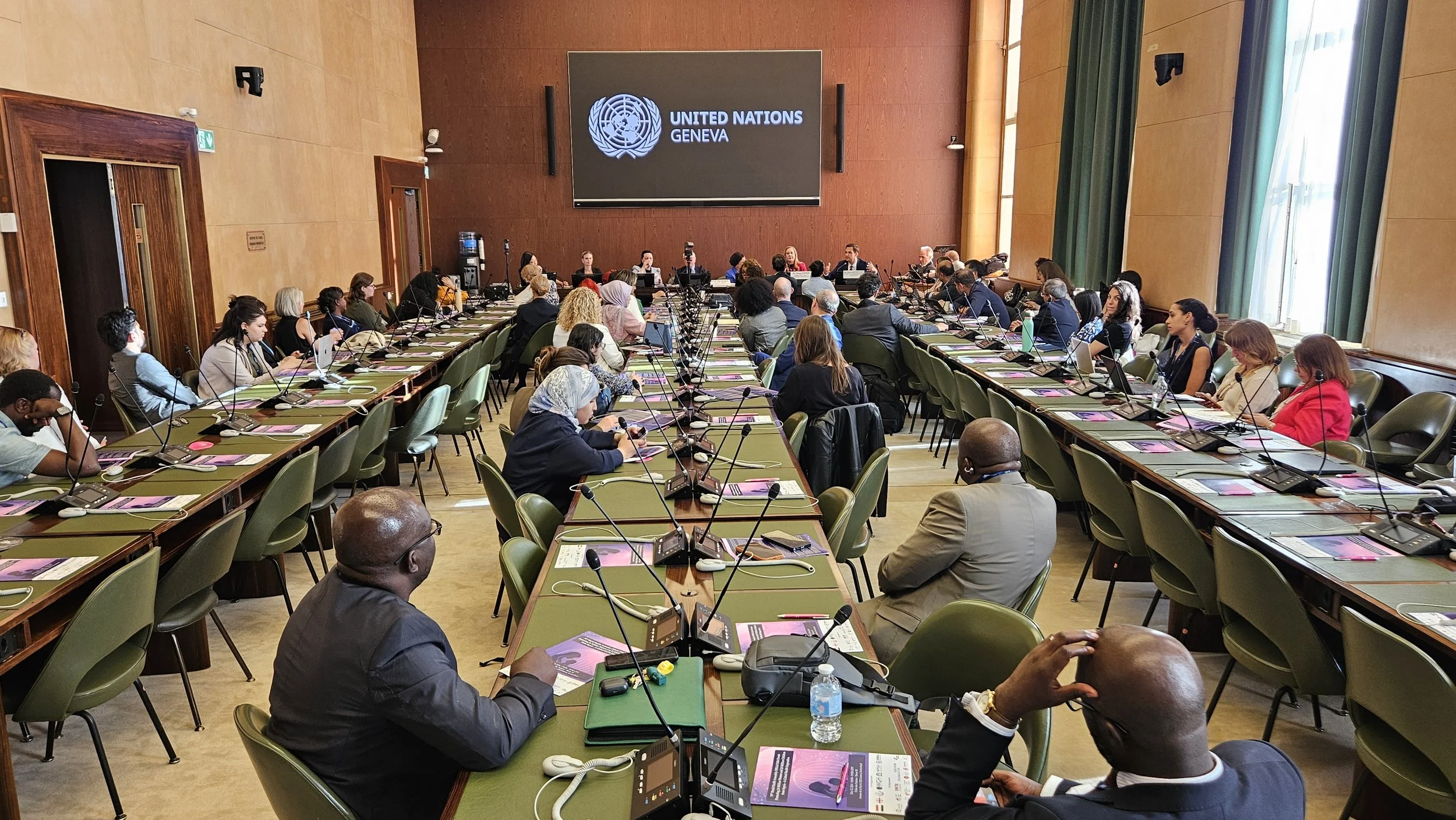
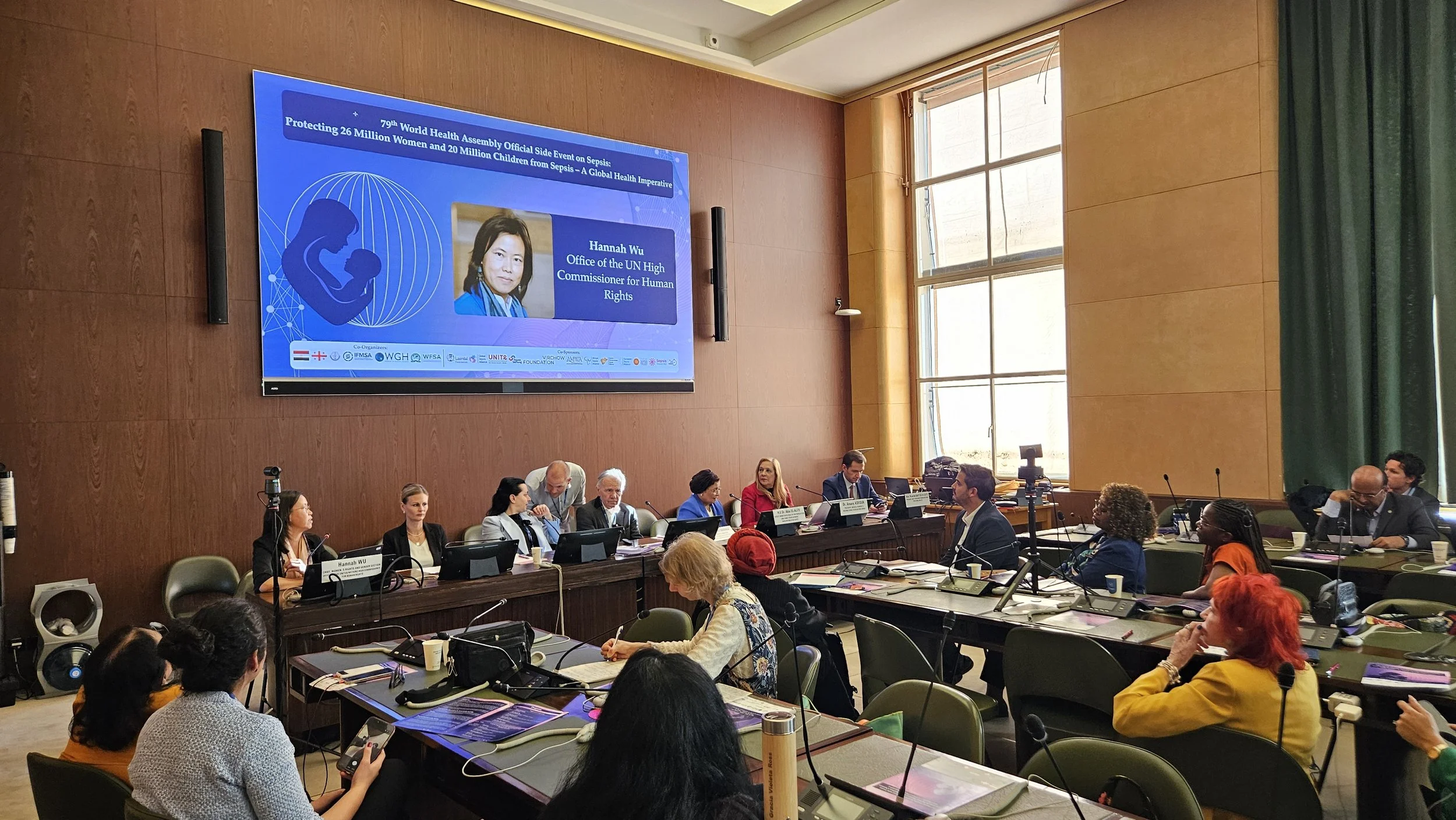
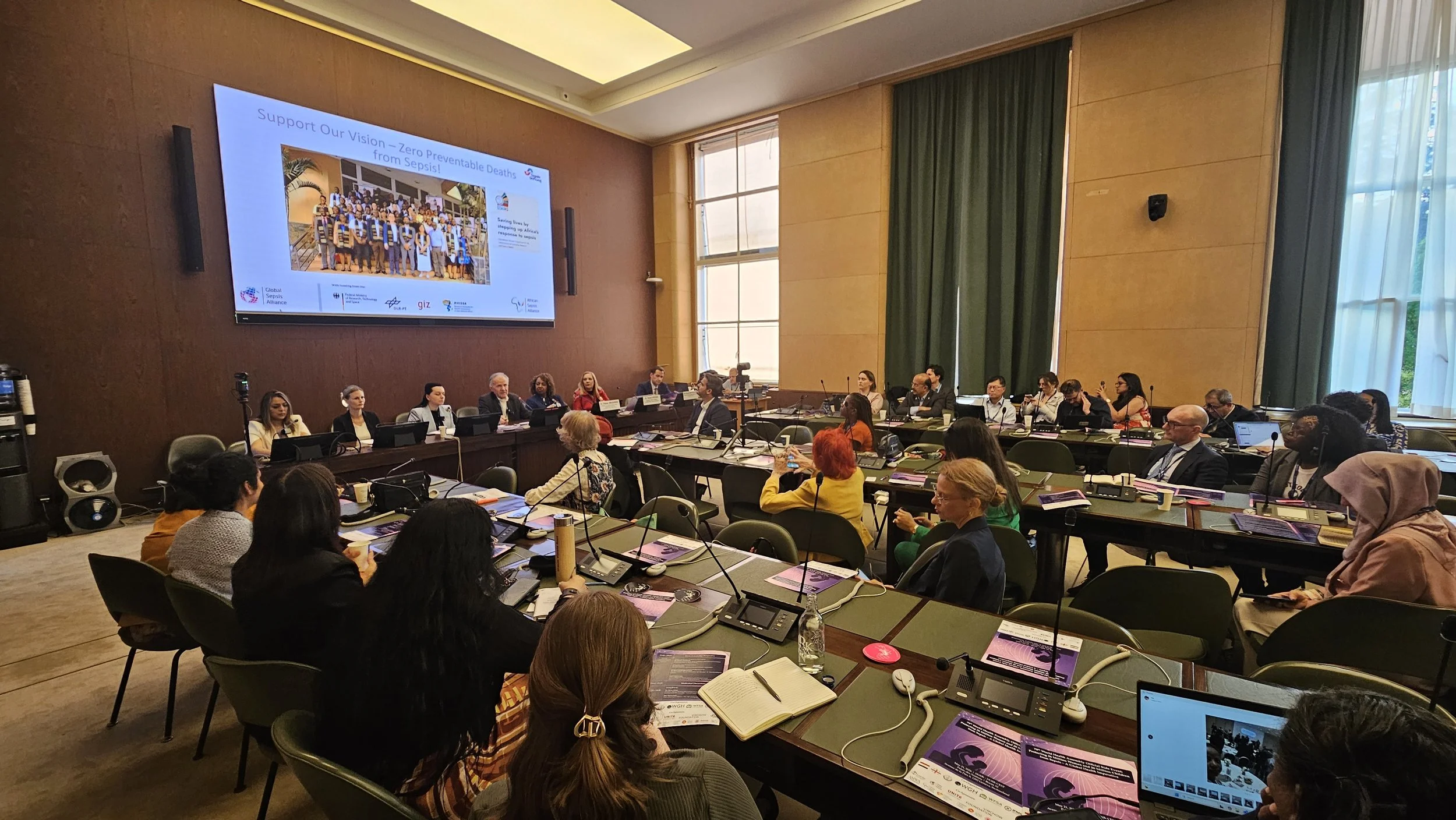
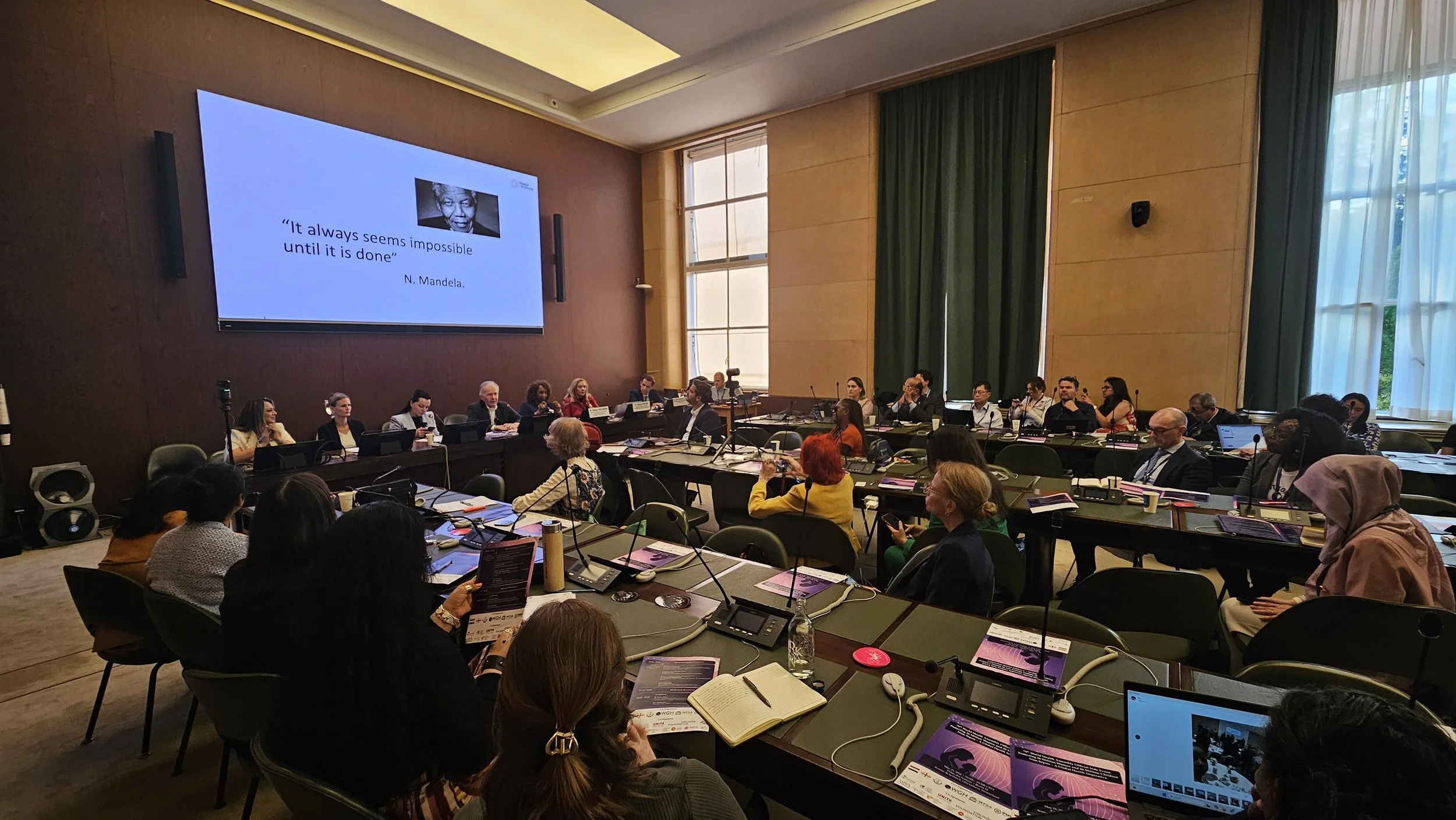
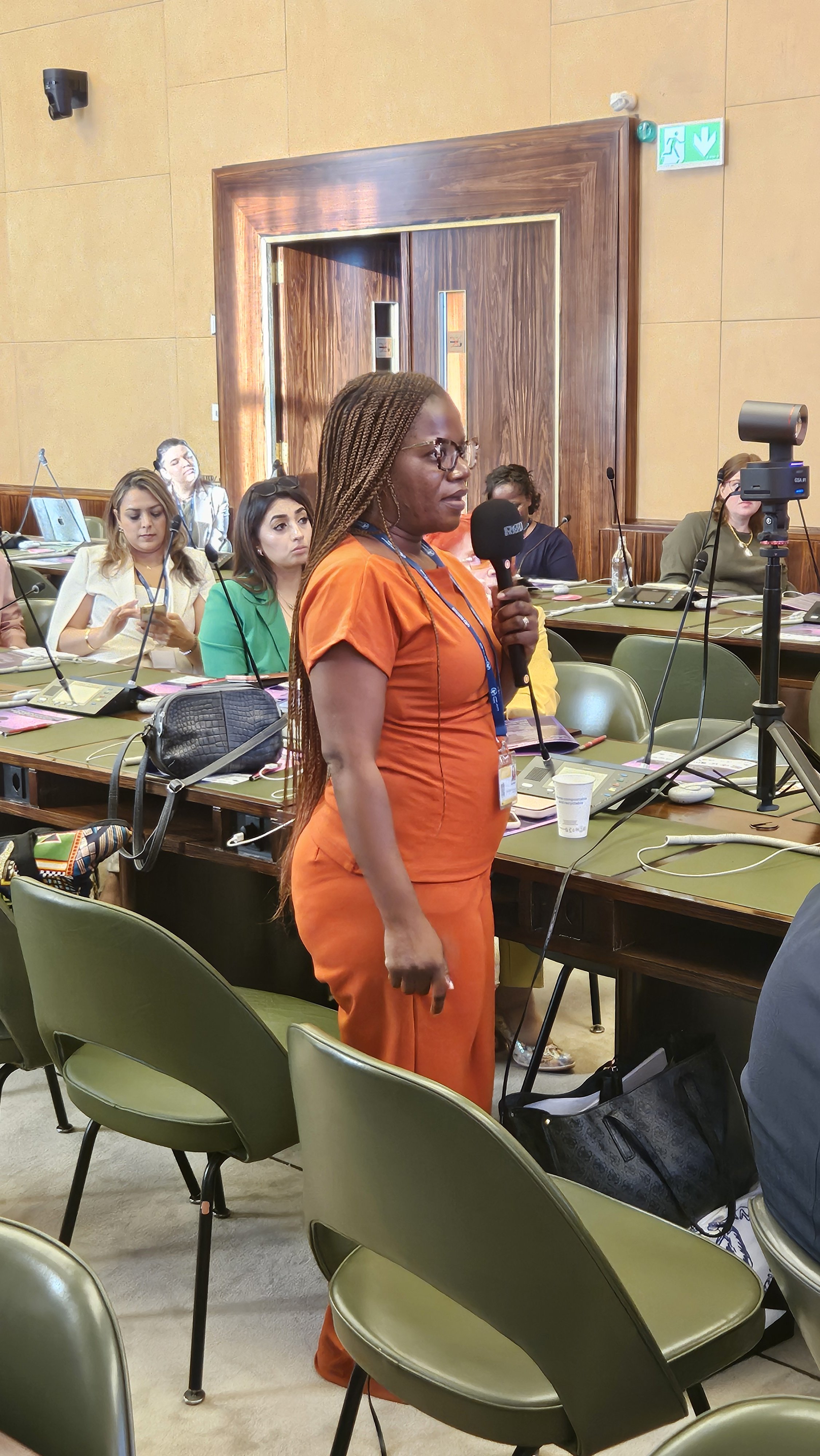
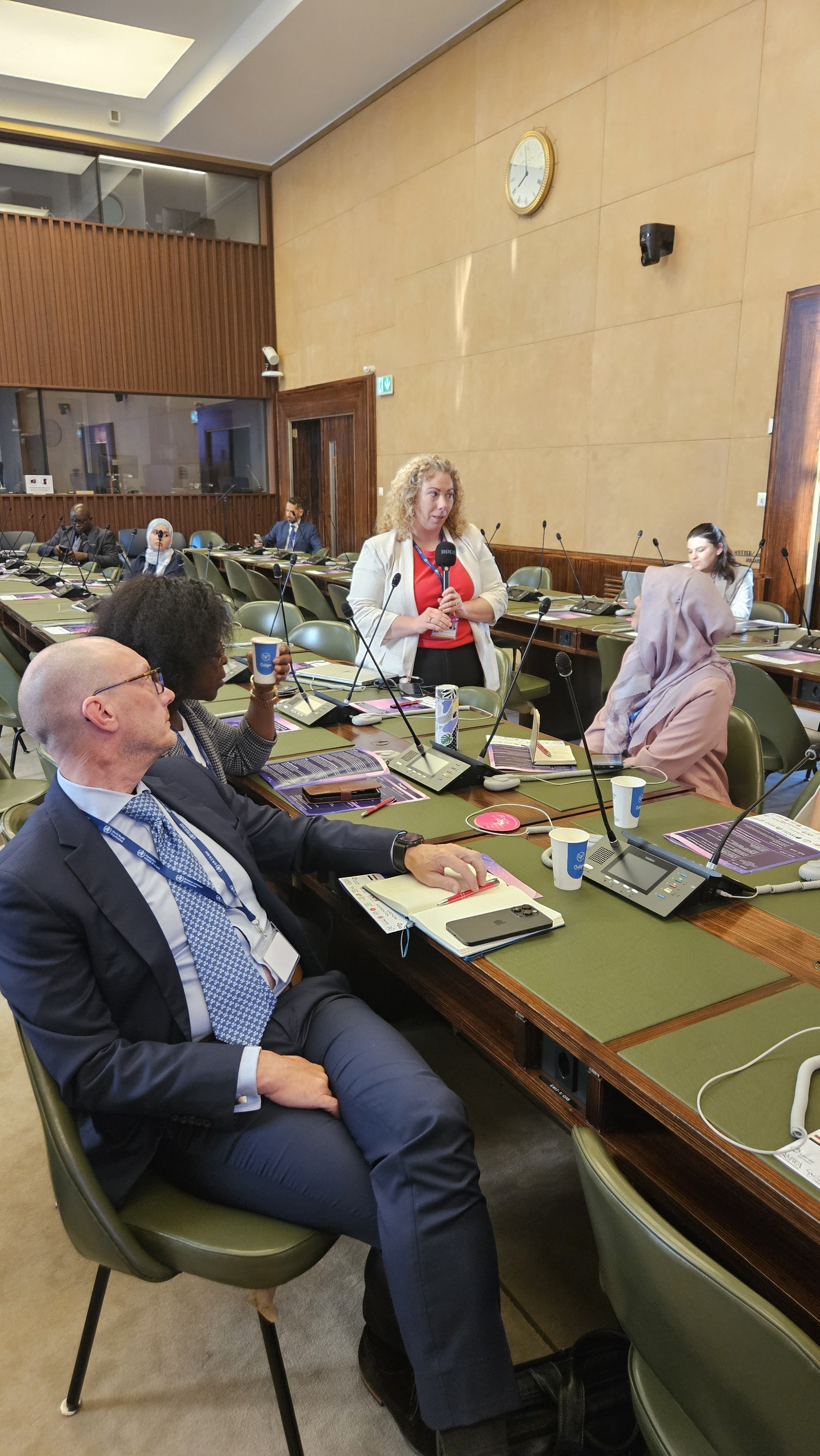
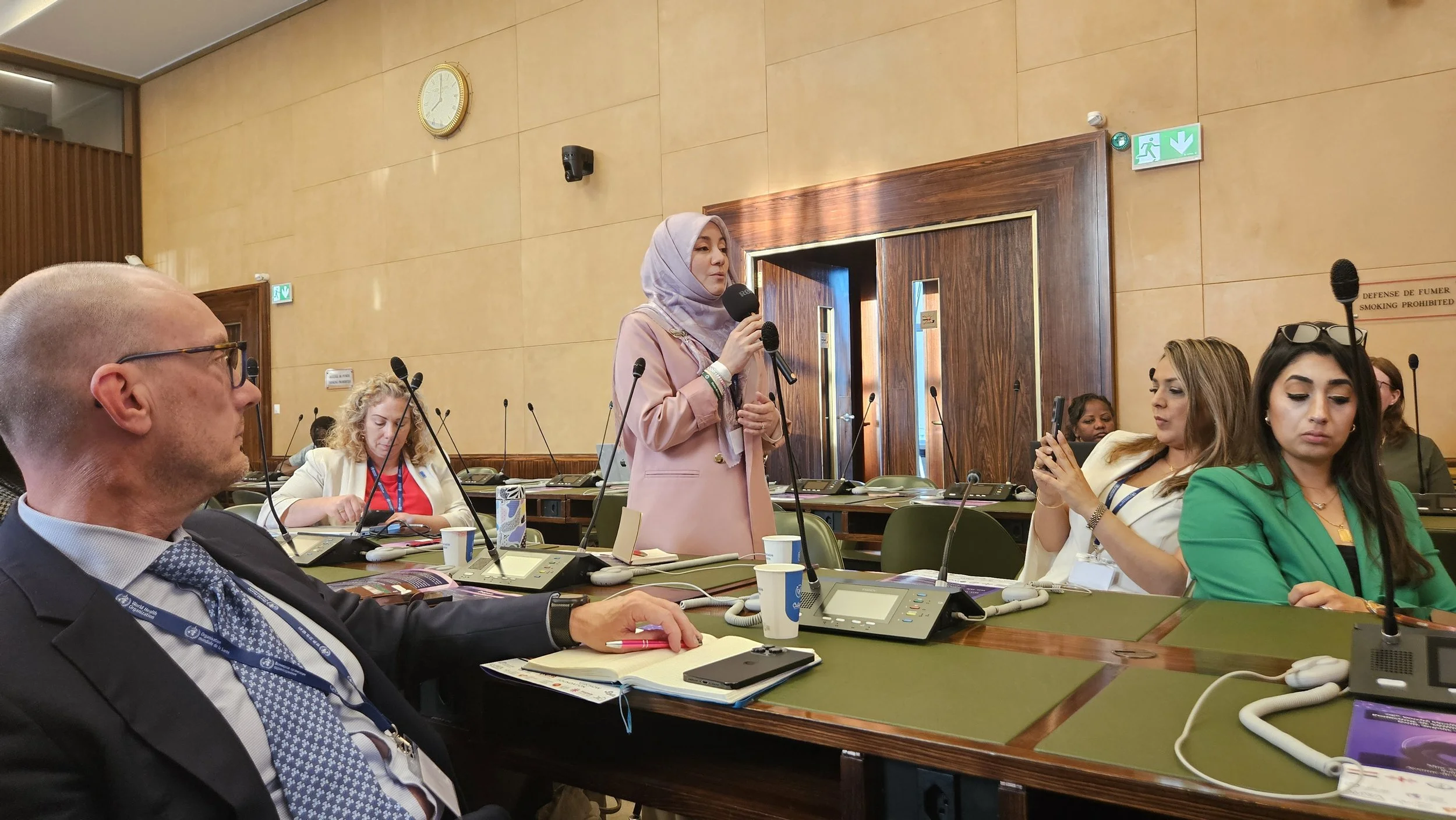
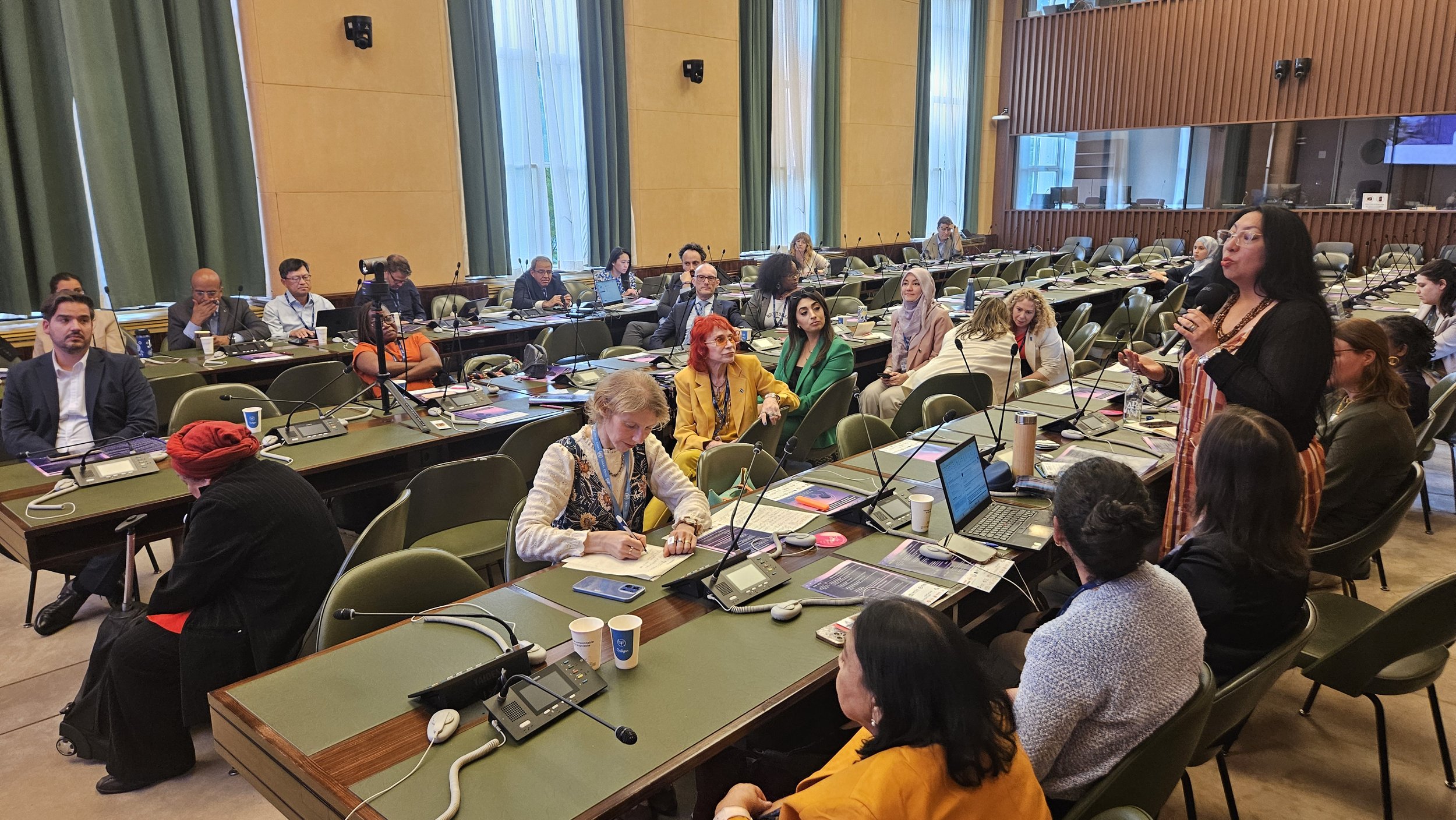
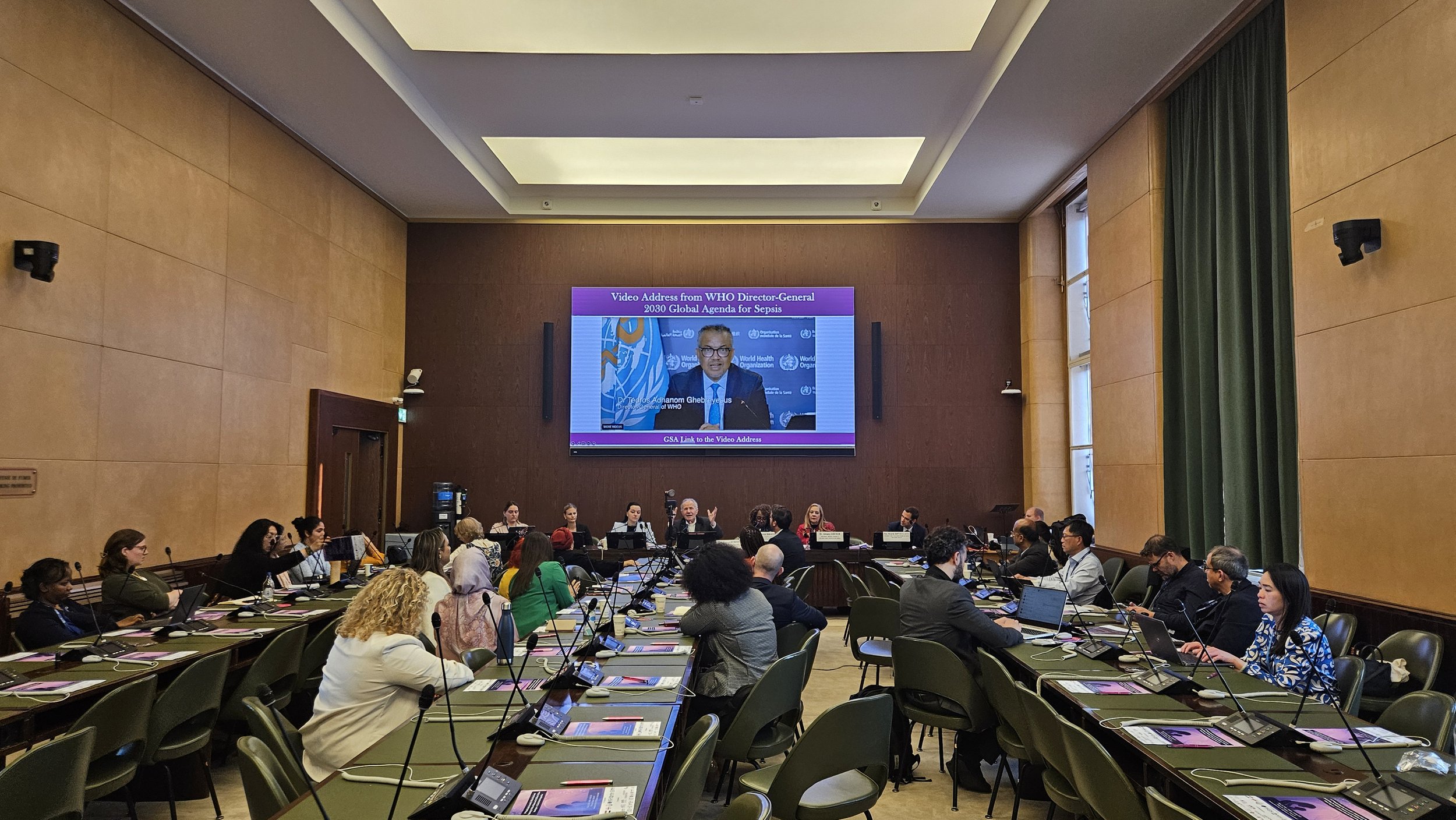
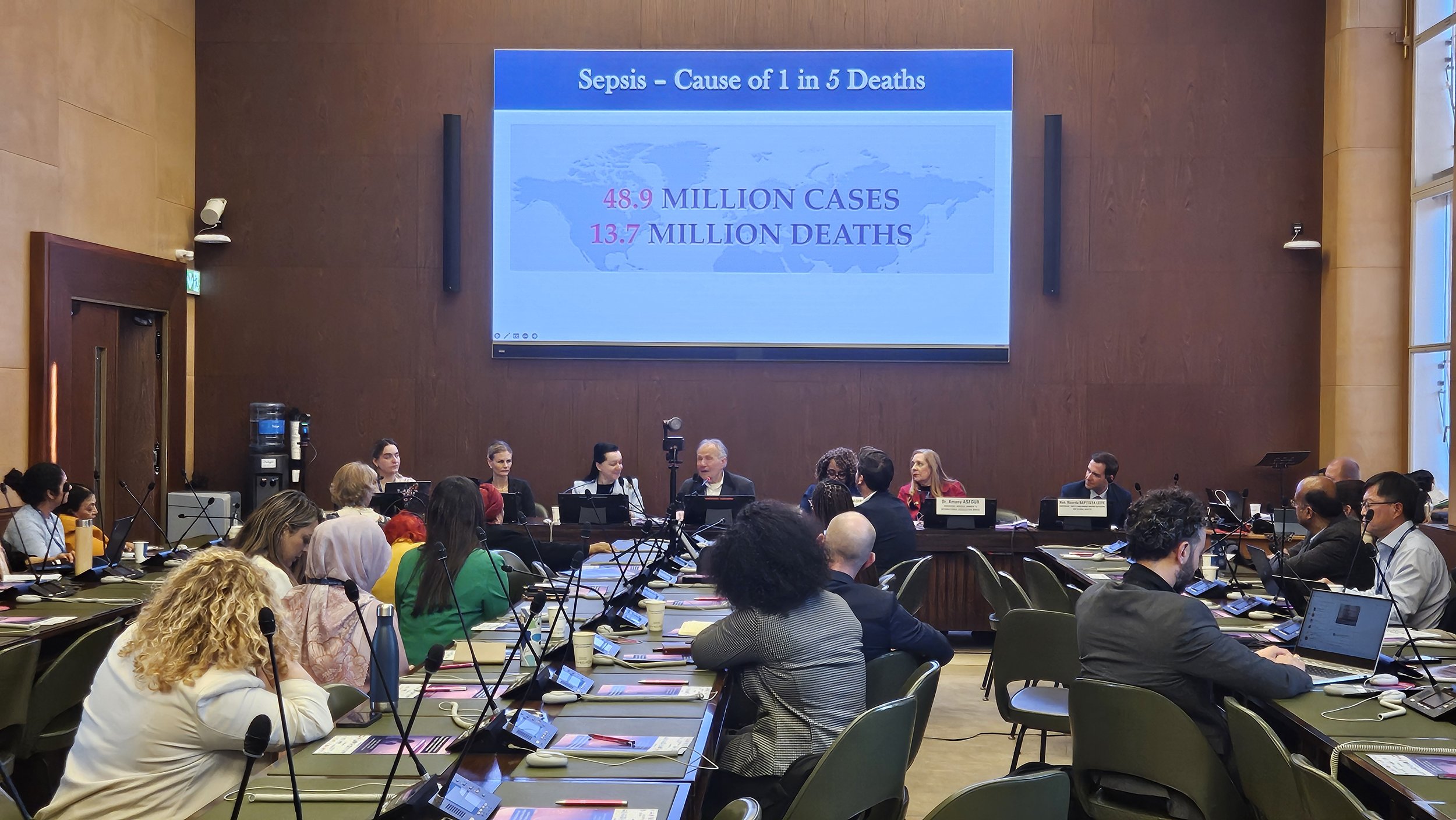
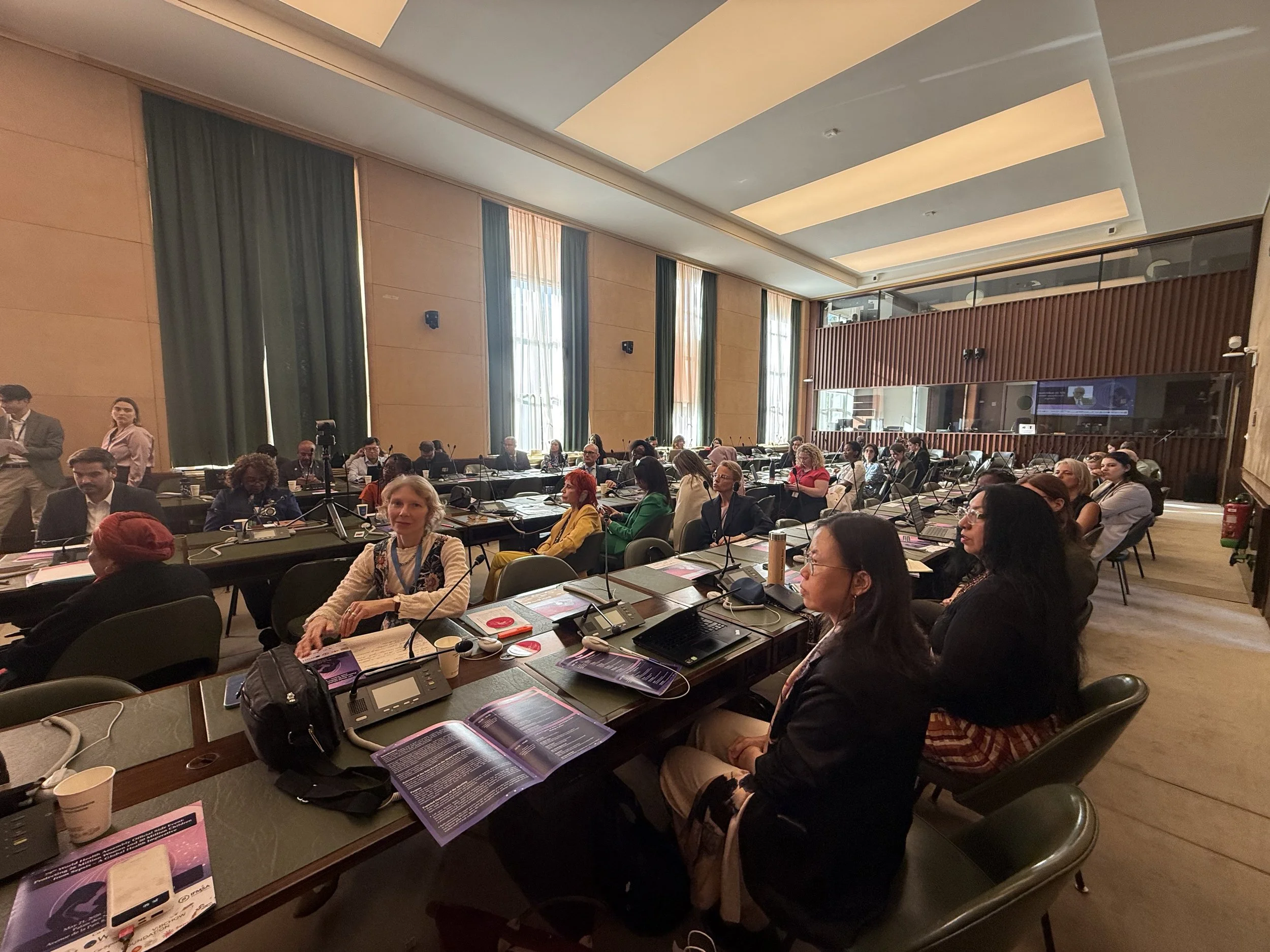
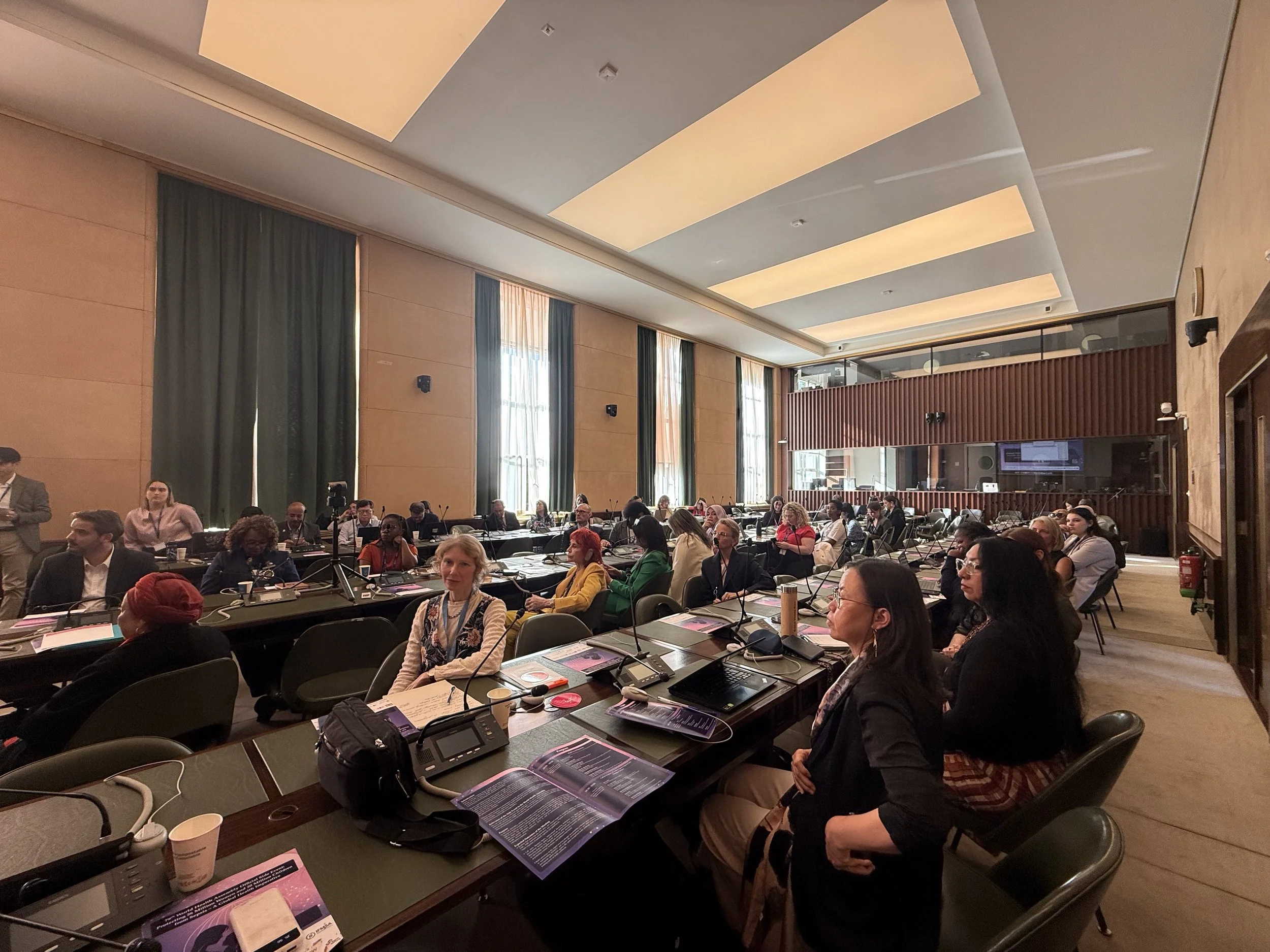
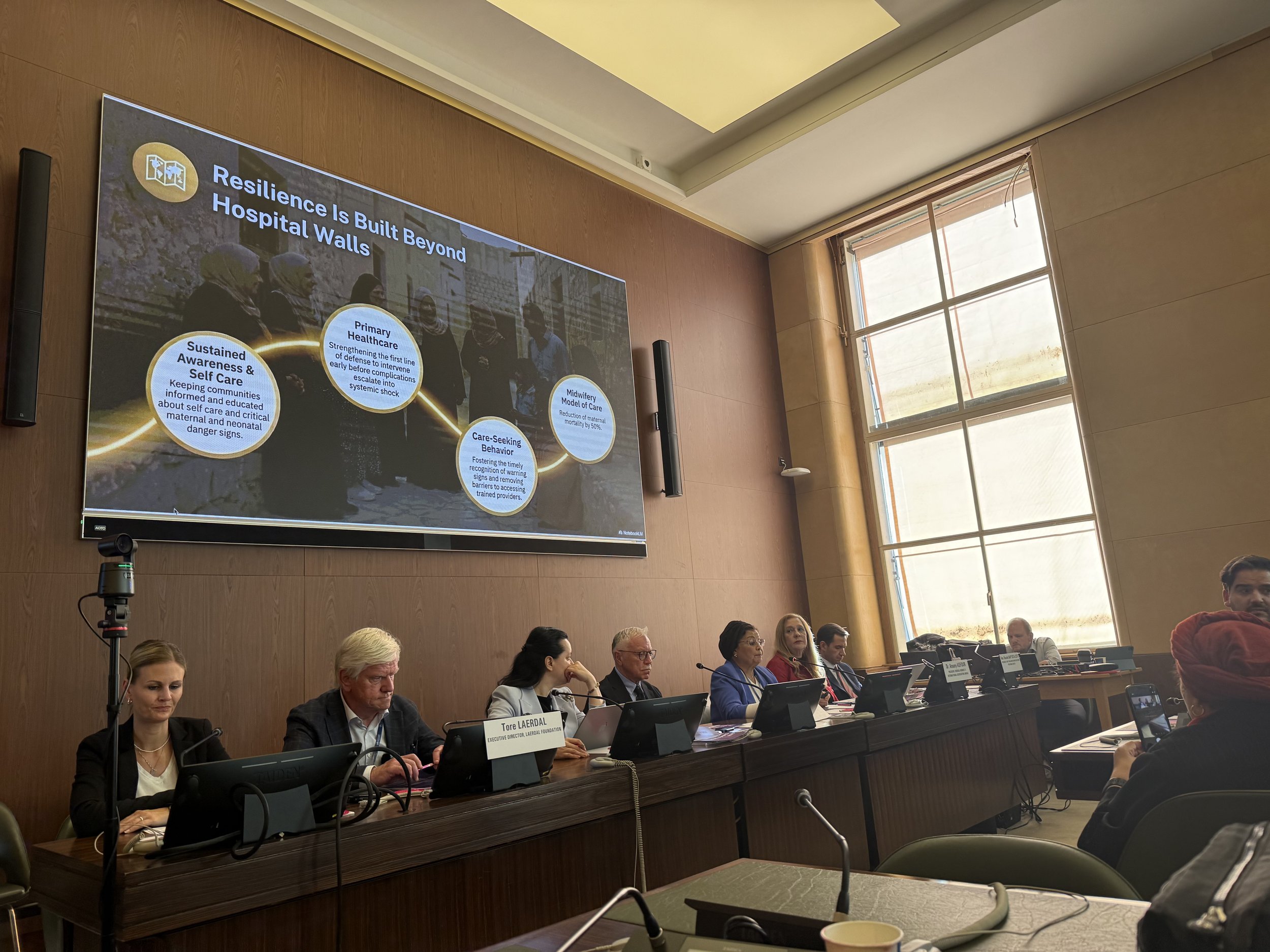
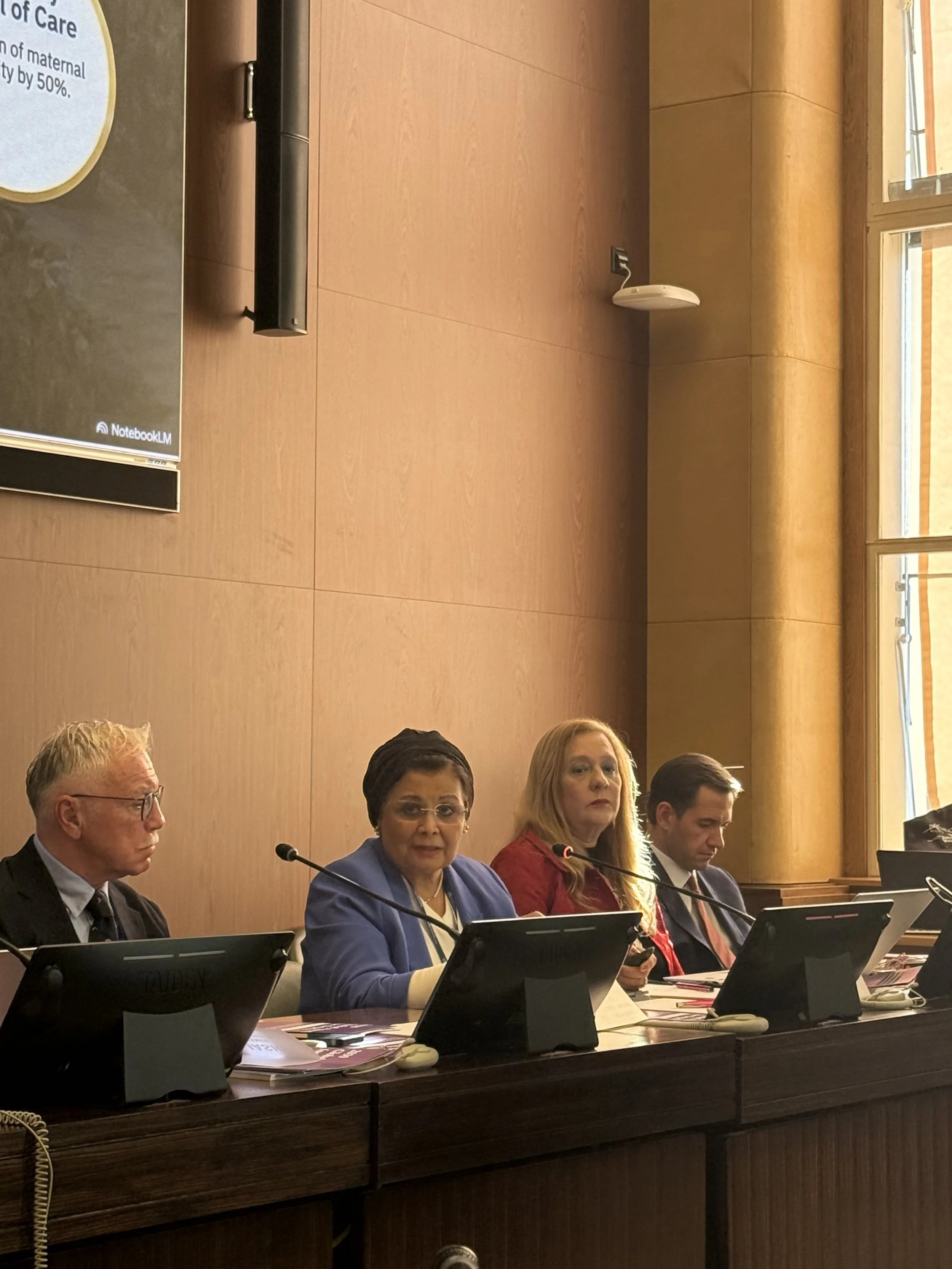
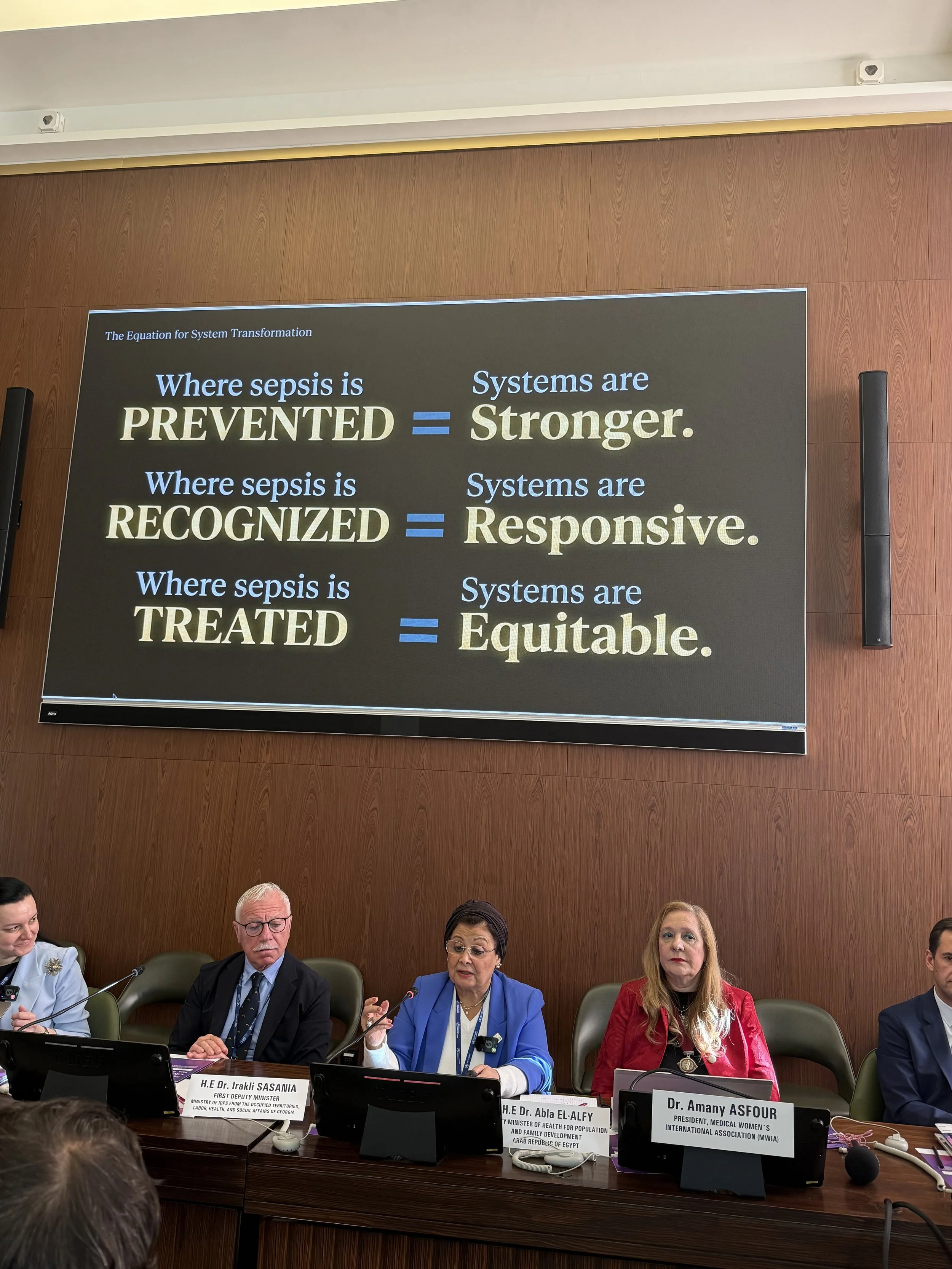
Throughout the discussion, speakers underscored that achieving the health-related Sustainable Development Goals (SDGs) and Universal Health Coverage (UHC) will not be possible without significantly increased political commitment, research investment, and stronger national, regional, and global Sepsis responses. Participants called for enhanced awareness, improved prevention and early detection, stronger health systems, and greater investment in maternal, newborn, and child health services.
The event concluded with a renewed call for coordinated global action and stronger multisectoral partnerships to reduce preventable deaths and disabilities caused by Sepsis, particularly among the world’s most vulnerable populations.
In her closing remarks, Dr. Mariam Jashi thanked Sepsis survivors, families, regional Sepsis alliances, and partner institutions worldwide for their continued advocacy and commitment. Participants also reiterated the need for a new WHA Resolution on Sepsis and discussed plans for organizing an official side event on Sepsis during UNGA81 in New York, with support expressed by the governments of Georgia and Egypt, as well as UNITE, MWIA, and other co-sponsoring partners.
Dr. Amany Asfour, President of MWIA, closed the event by thanking all participants for their invaluable contributions and reiterating the urgent need to protect 26 million women and 2 million children from Sepsis - the leading yet underrecognized cause of death worldwide.
The full recording of the event is available on the YouTube channel of the Global Sepsis Alliance. As of May 28, the video recording has been viewed by more than 850 sepsis advocates worldwide.