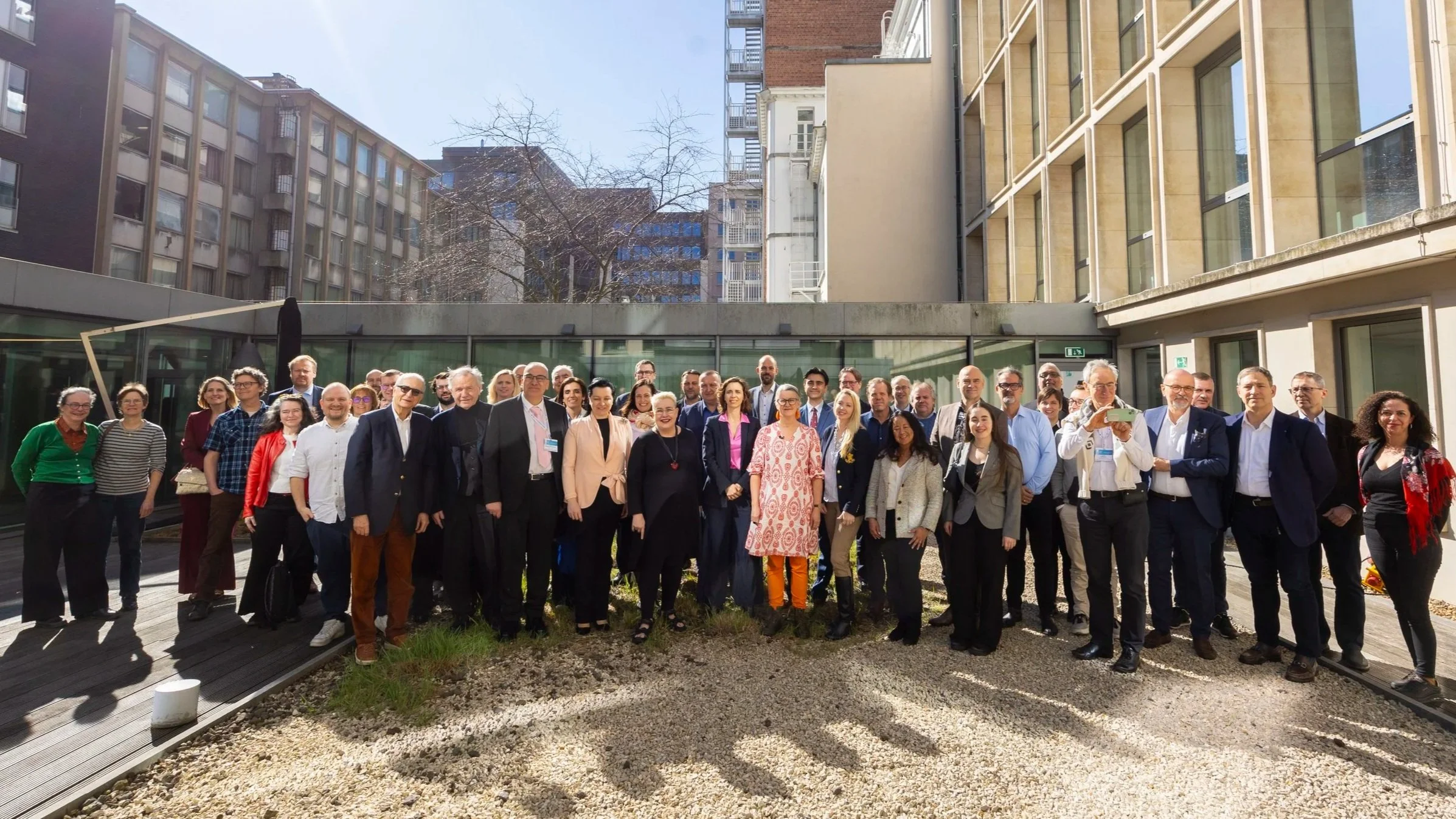
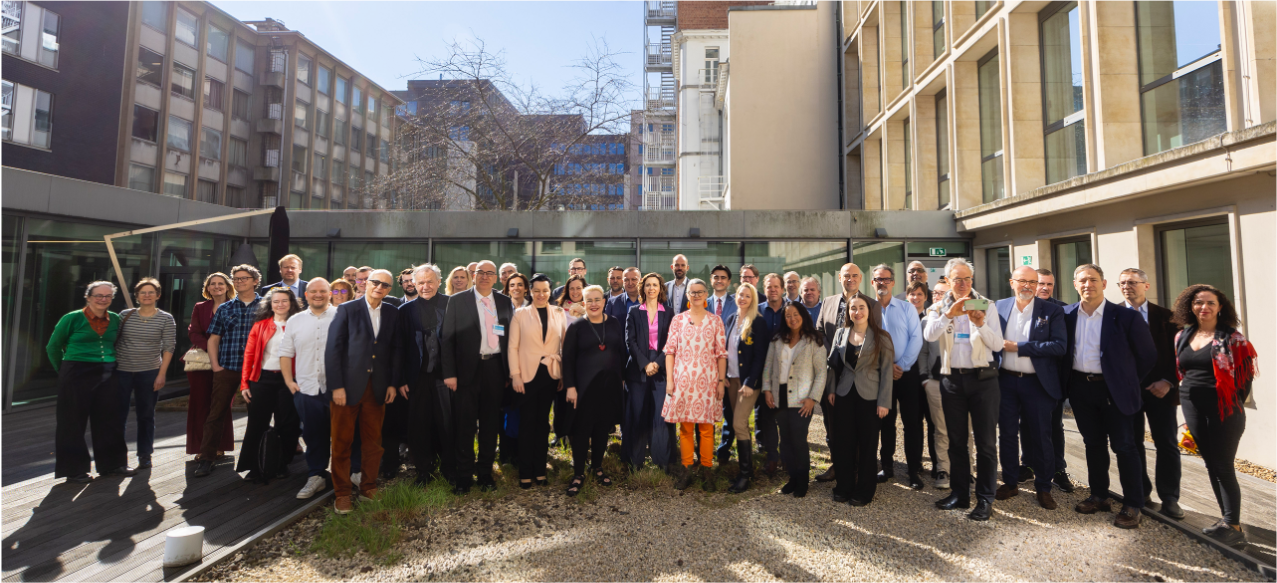
Looking Back at the 9th Annual Meeting of the ESA: A Reinvigorated Commitment to Fight Sepsis in Europe

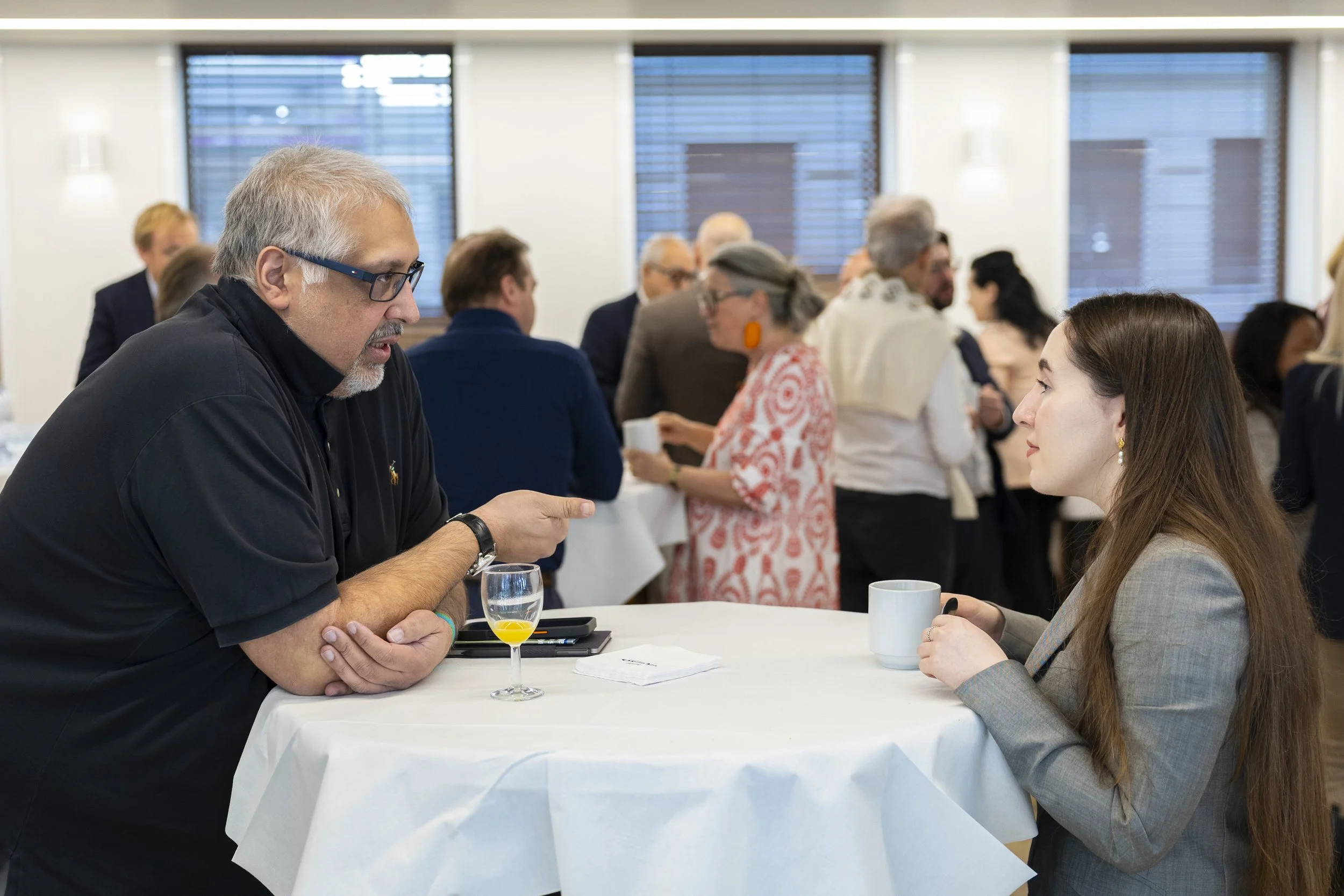
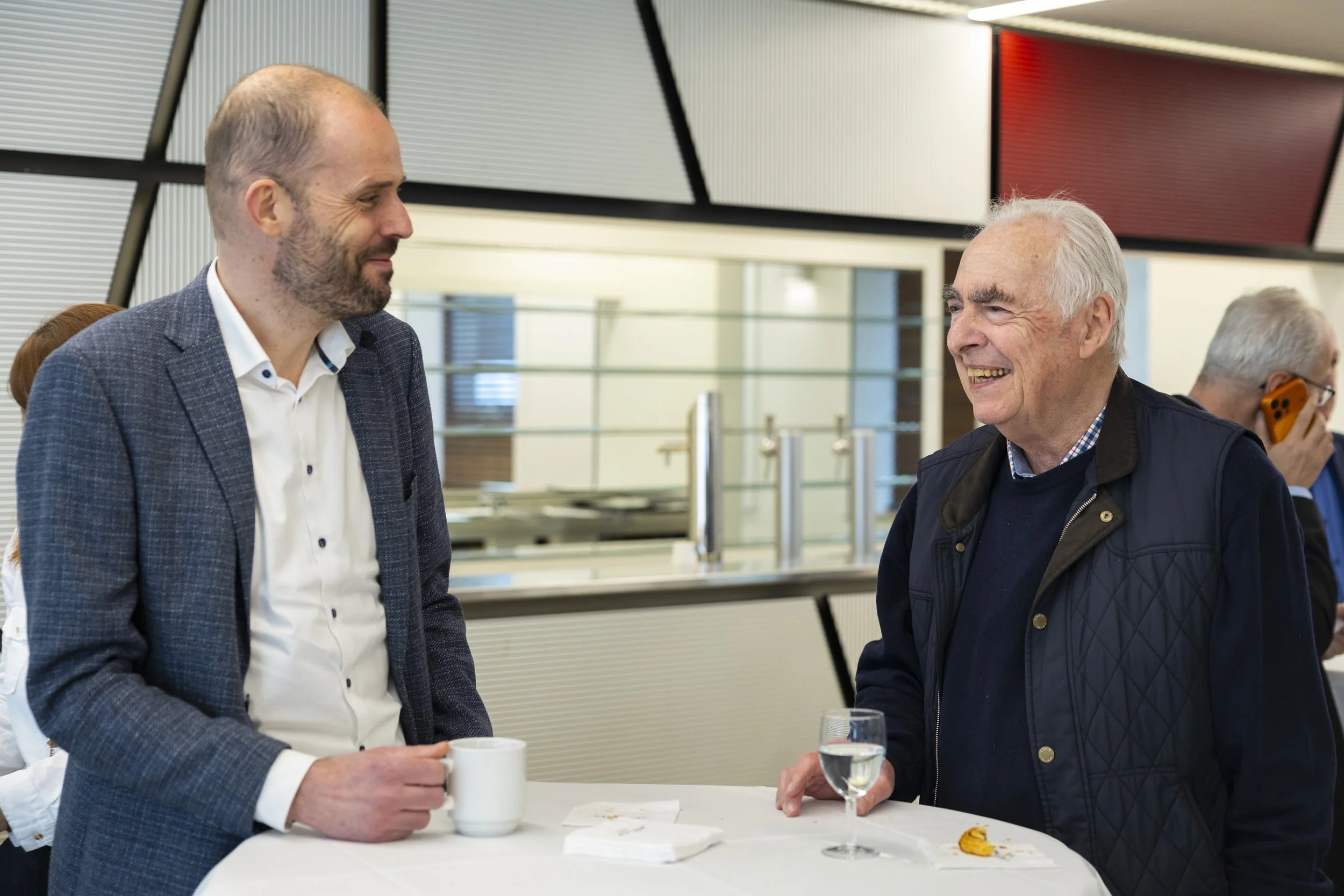
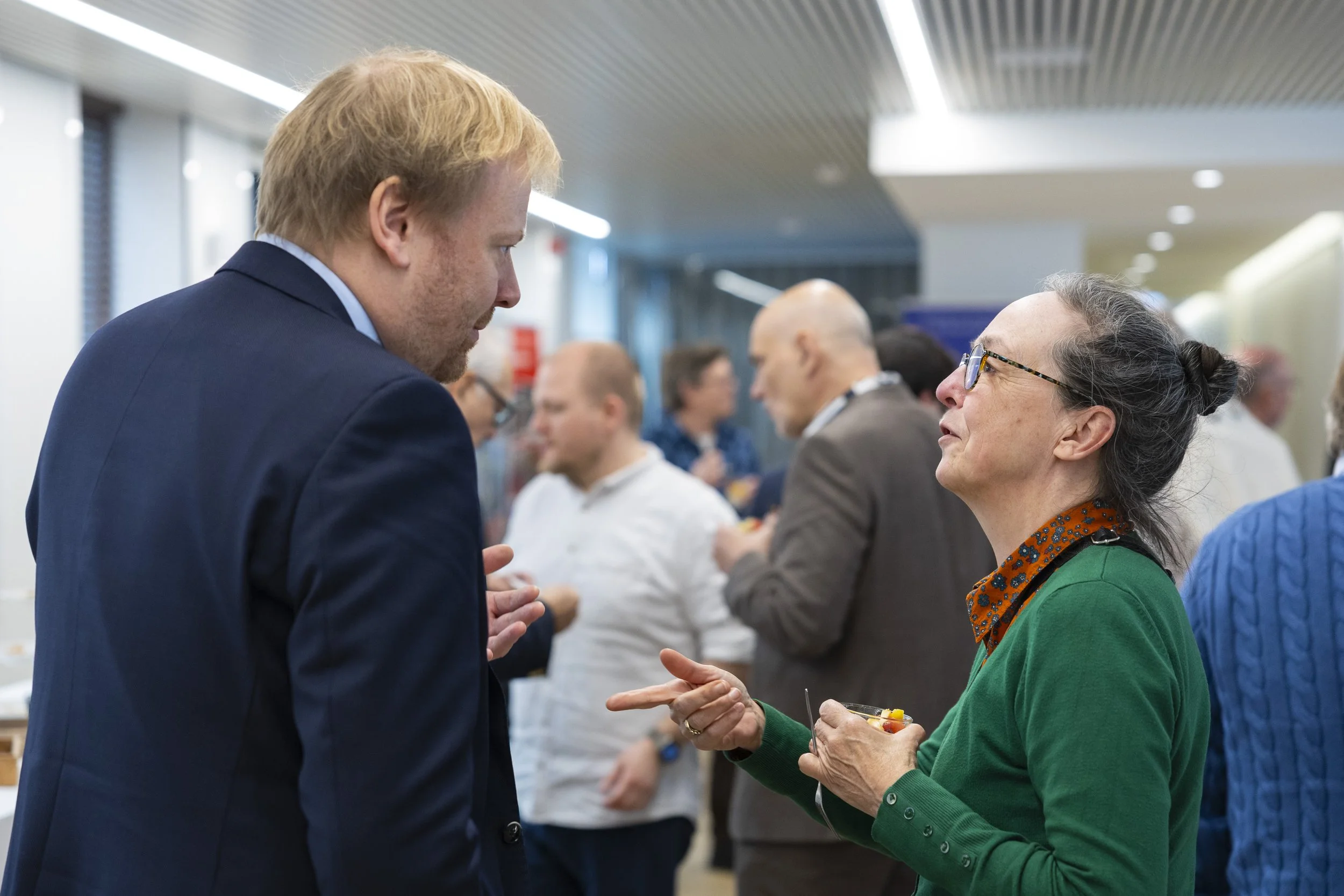
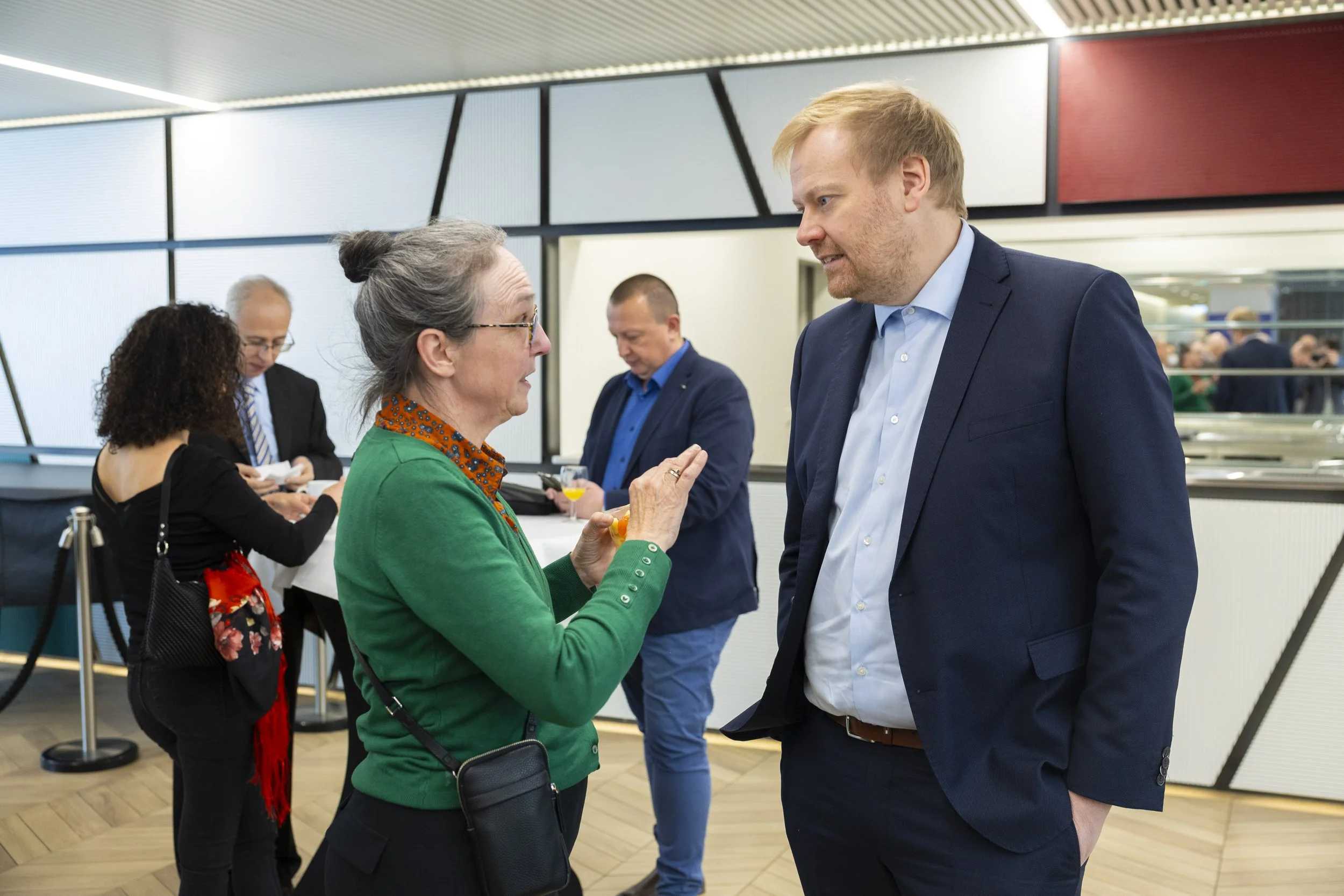
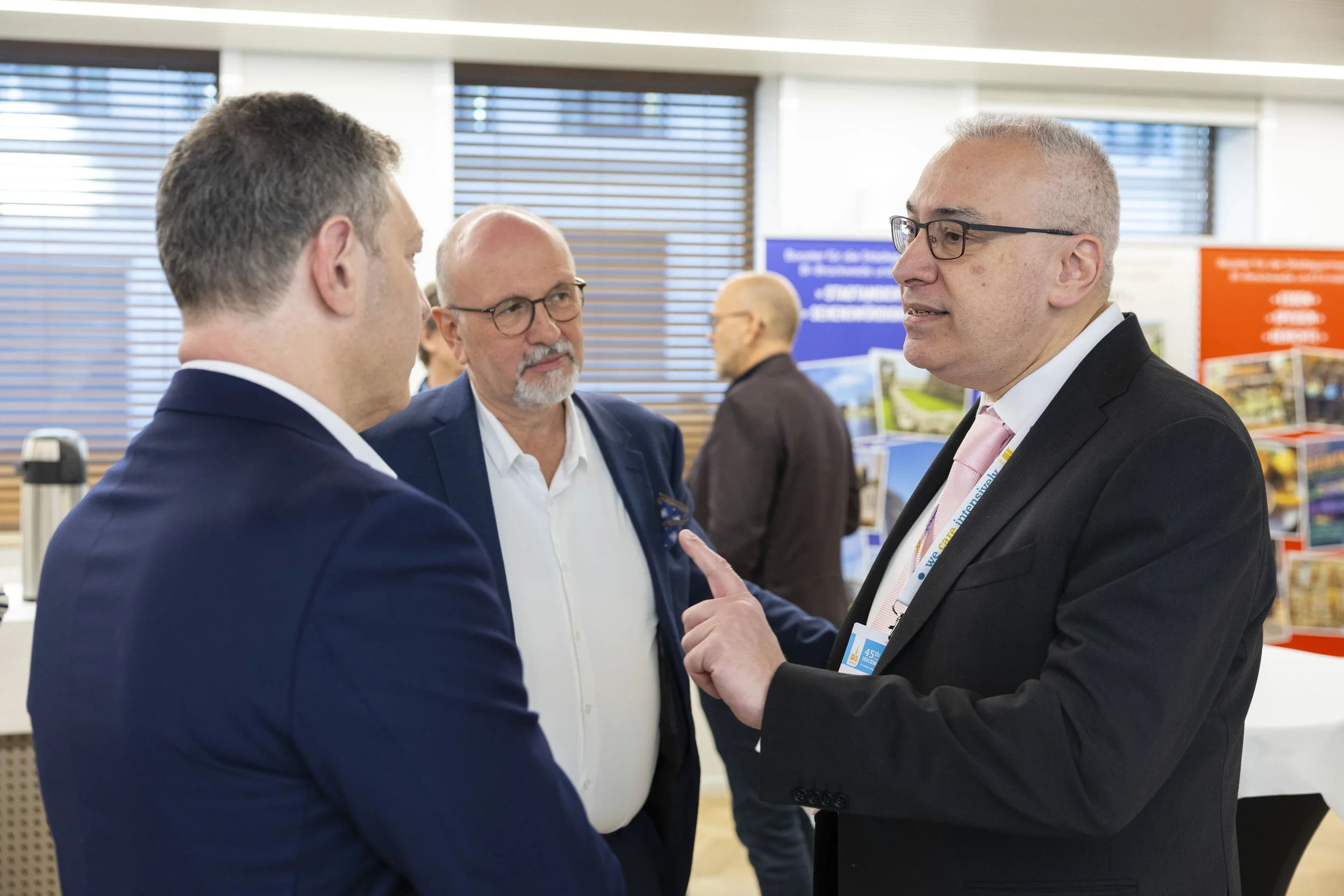
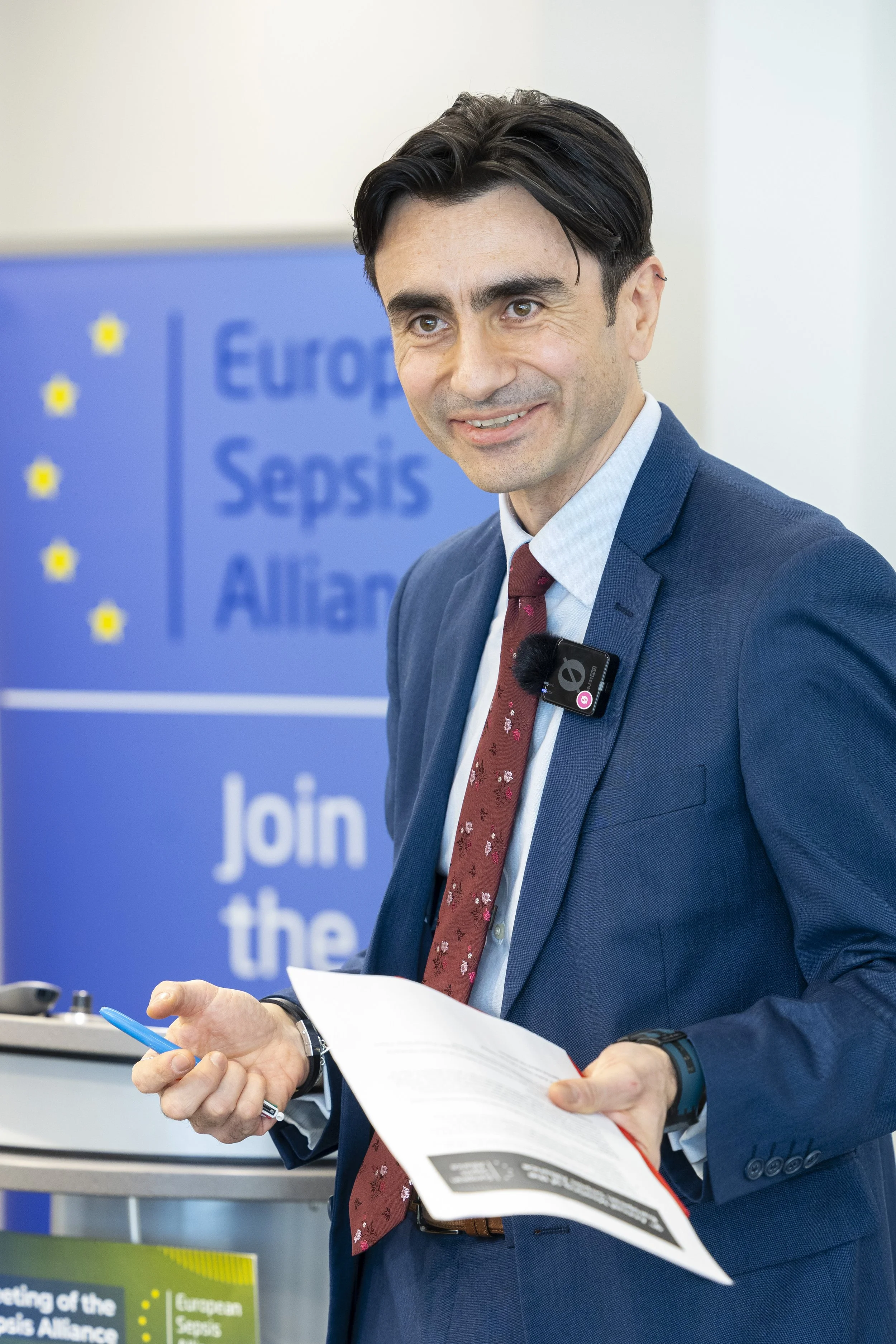
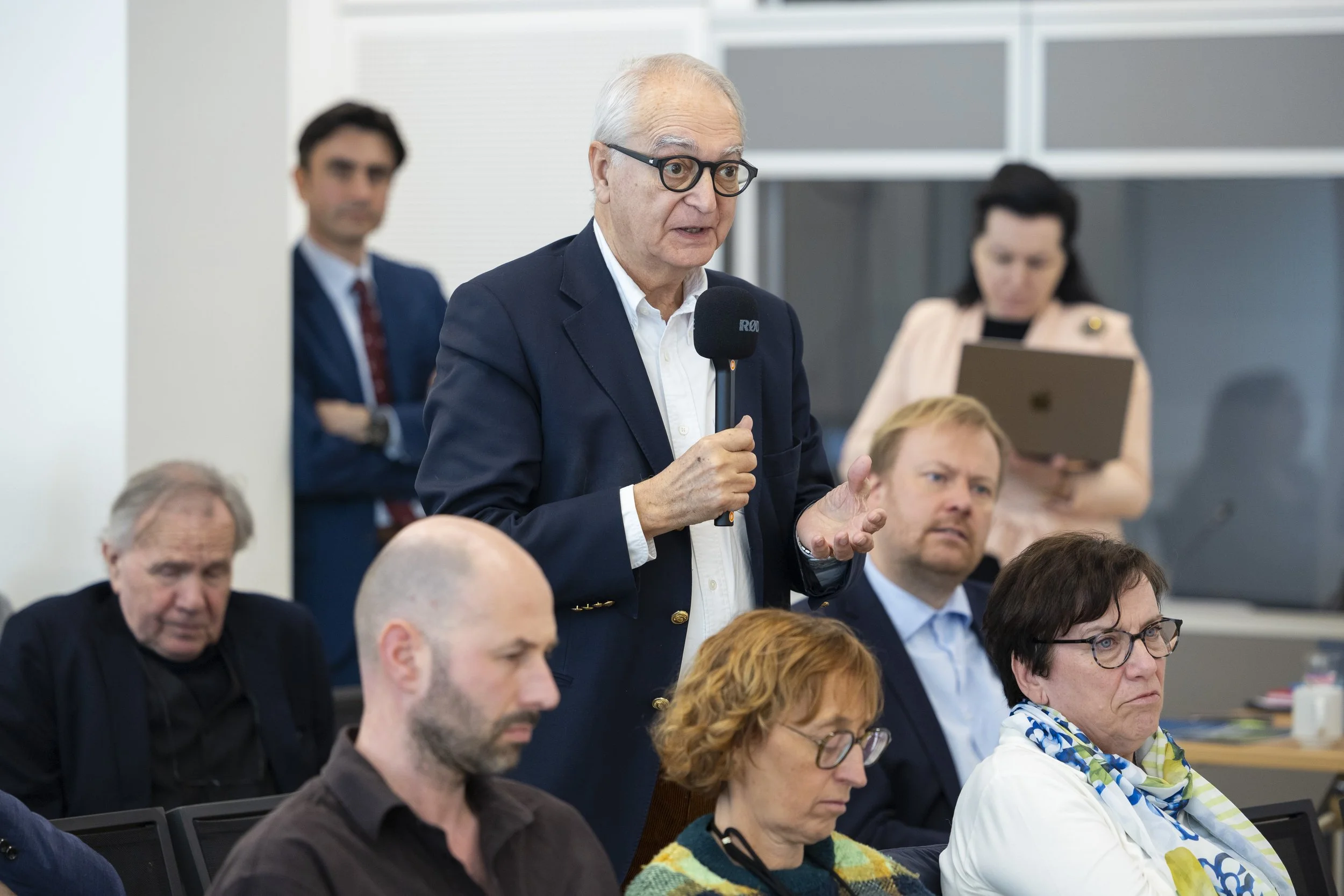
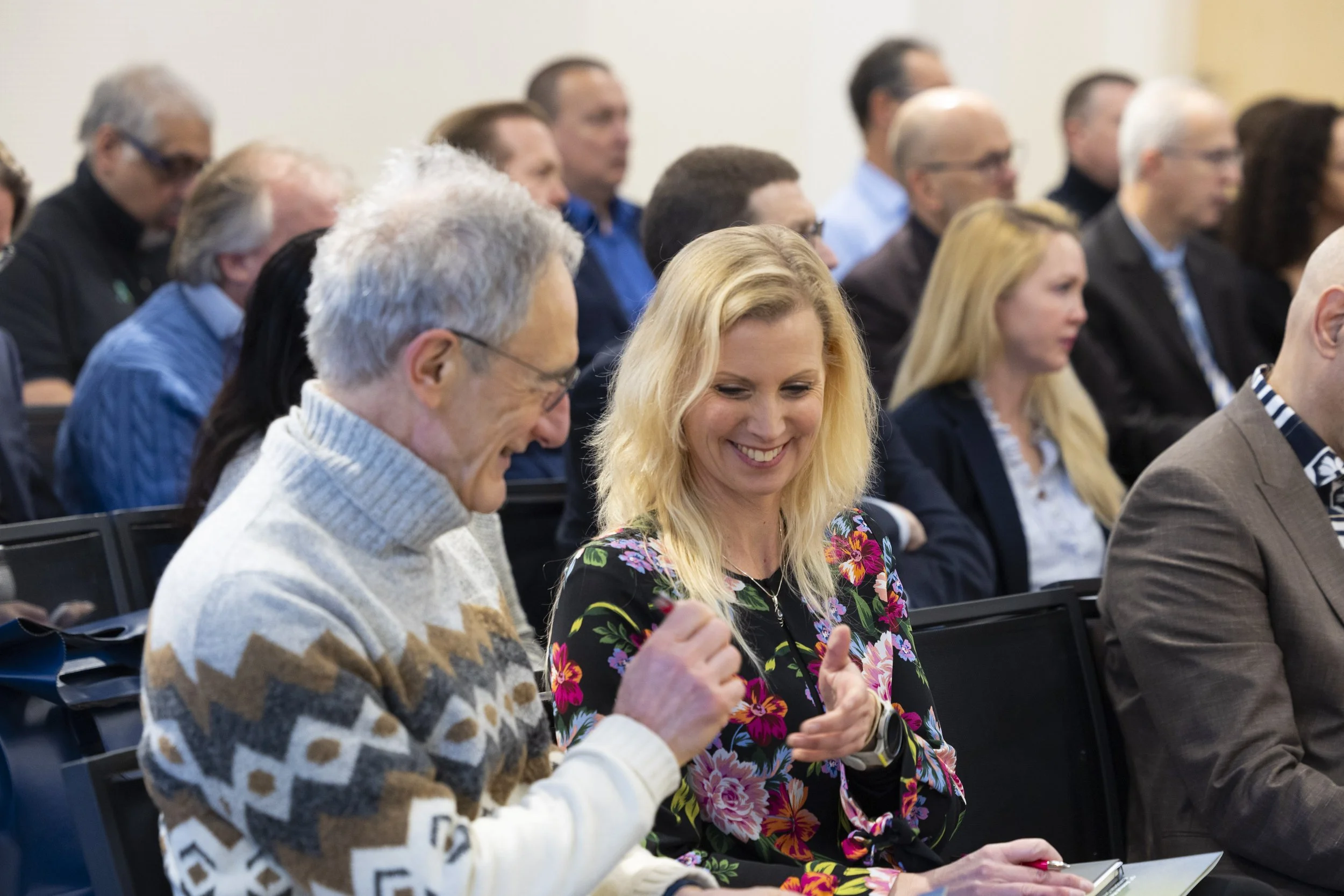
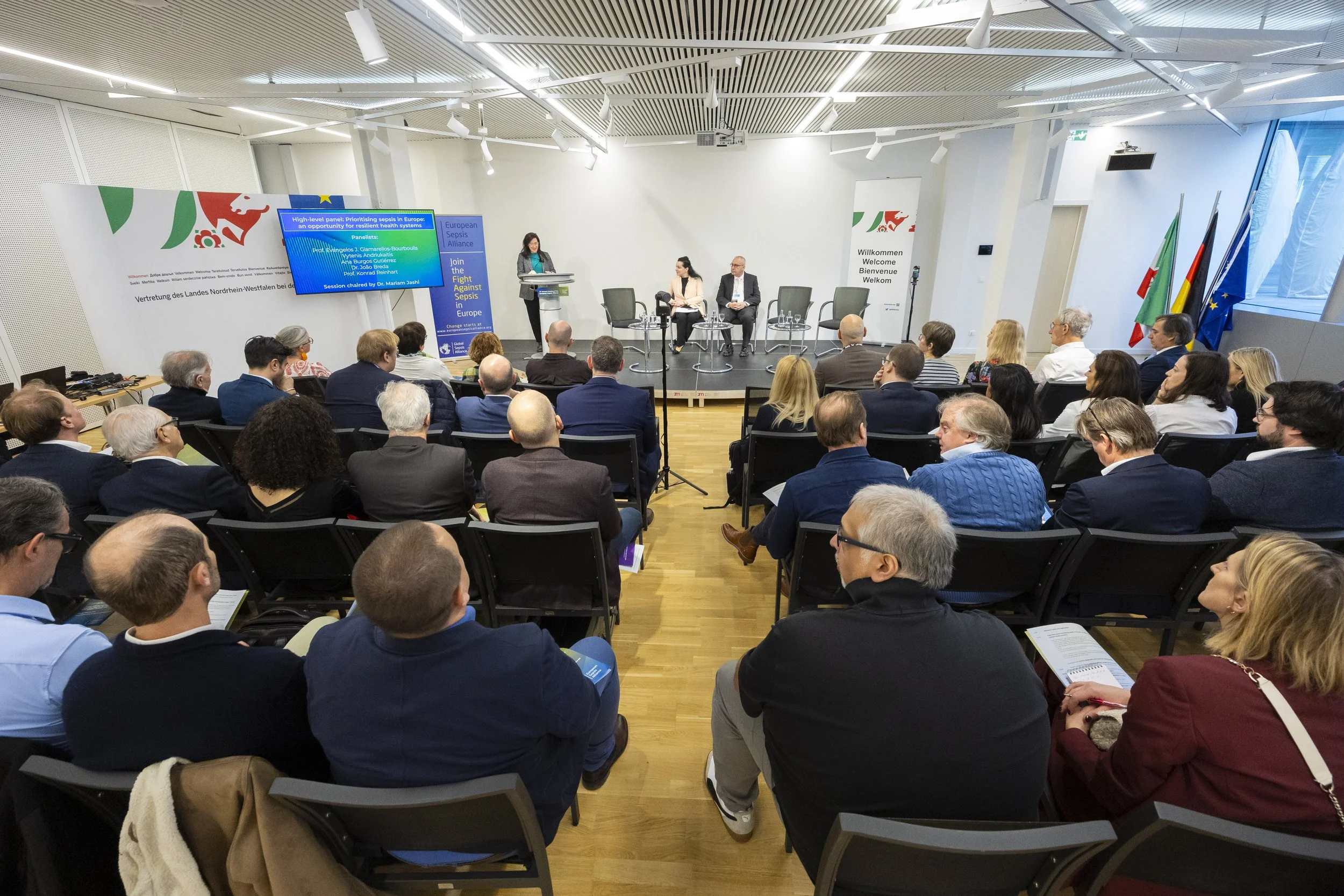
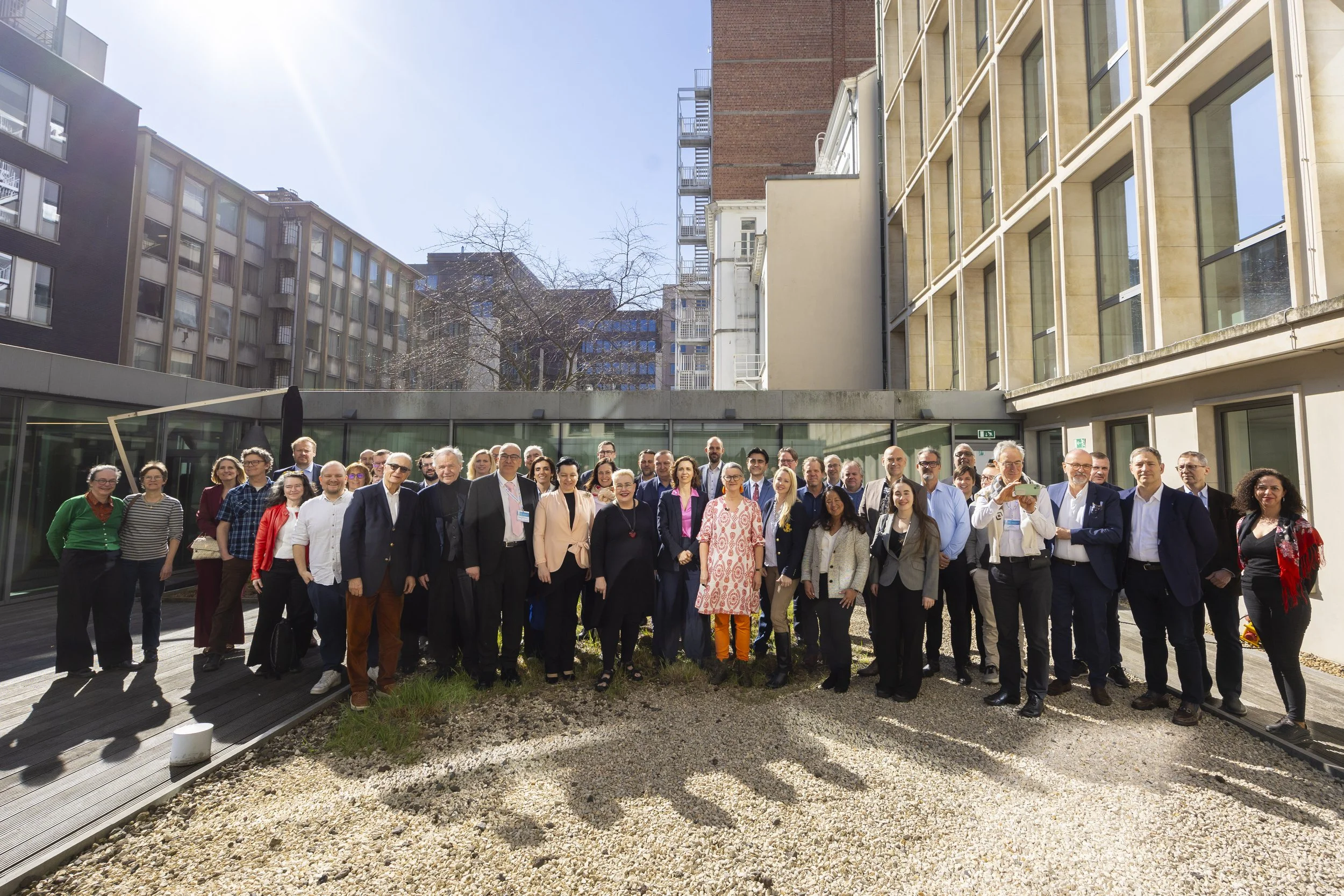
The 9th Annual Meeting of the European Sepsis Alliance brought together policymakers, physicians, researchers, patient advocates, and global health leaders in Brussels, at the Representation of North Rhine-Westphalia to the EU, with a dense programme of high-level dialogue, clinical updates, and powerful survivor testimonies. One year on from its launch, the meeting reinvigorated the Call to Action for Sepsis in Europe launched at the European Parliament, and was the forum for growing multiskaheolder support to the fight against sepsis in Europe.

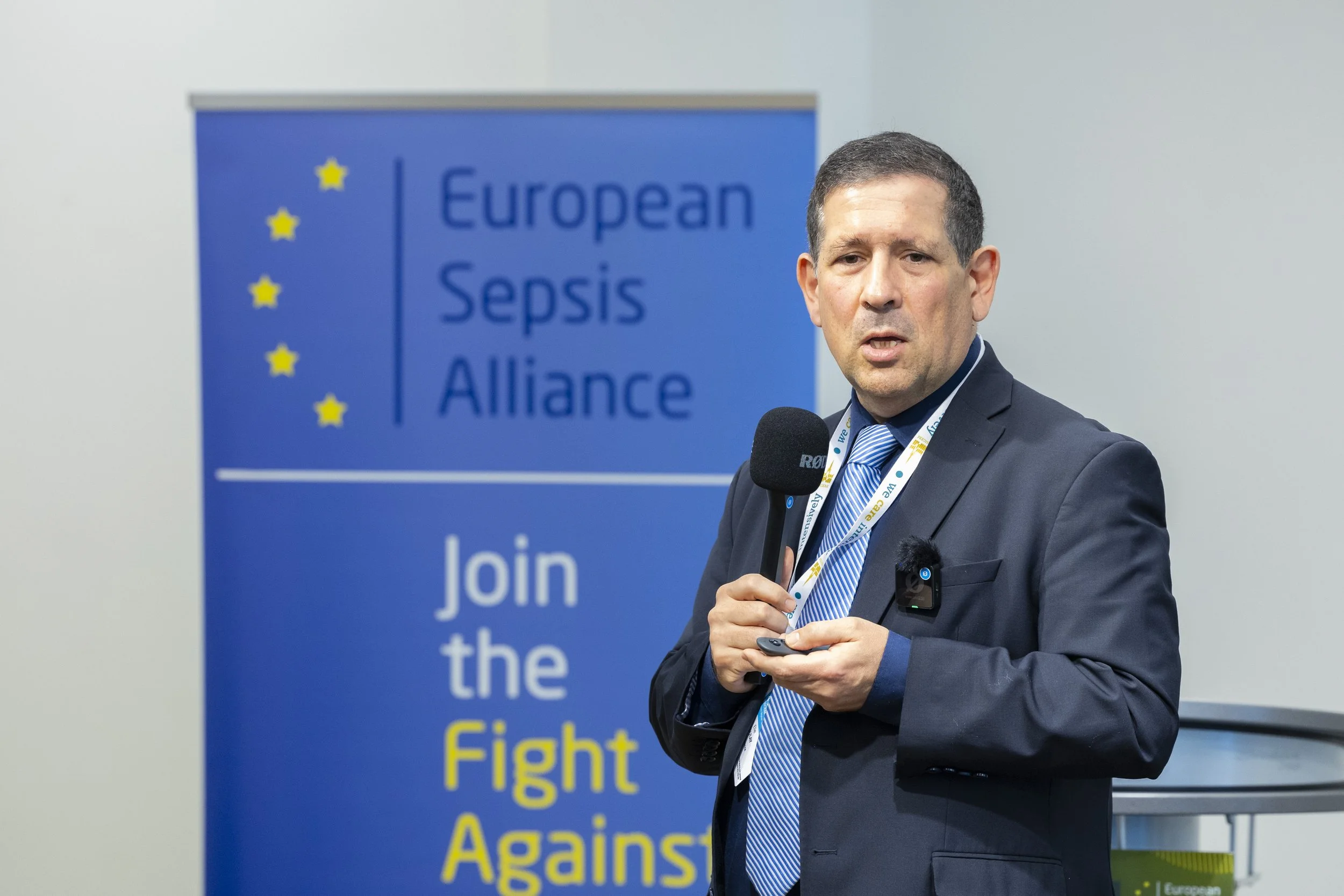
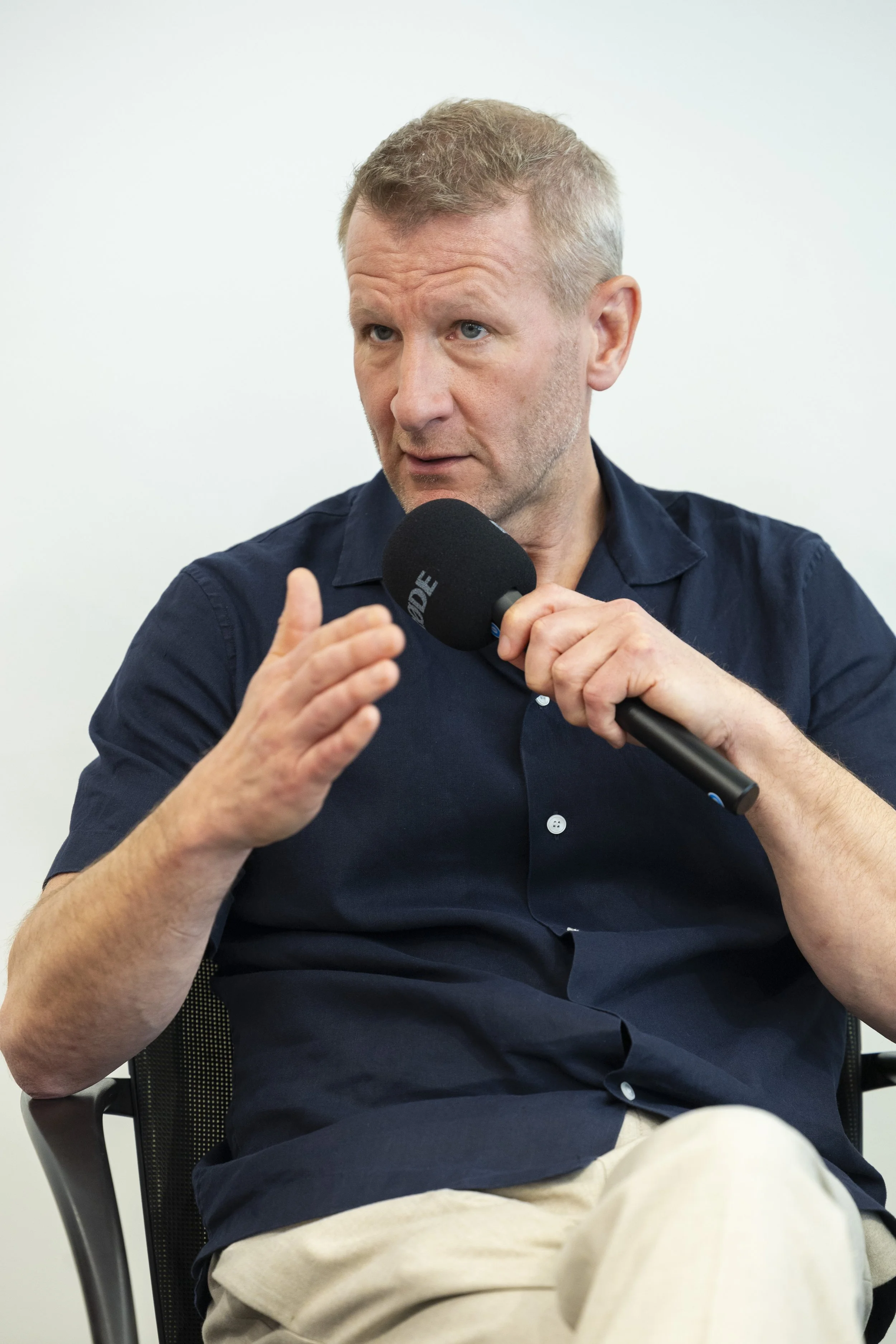
Hon. Vytenis Andriukaitis

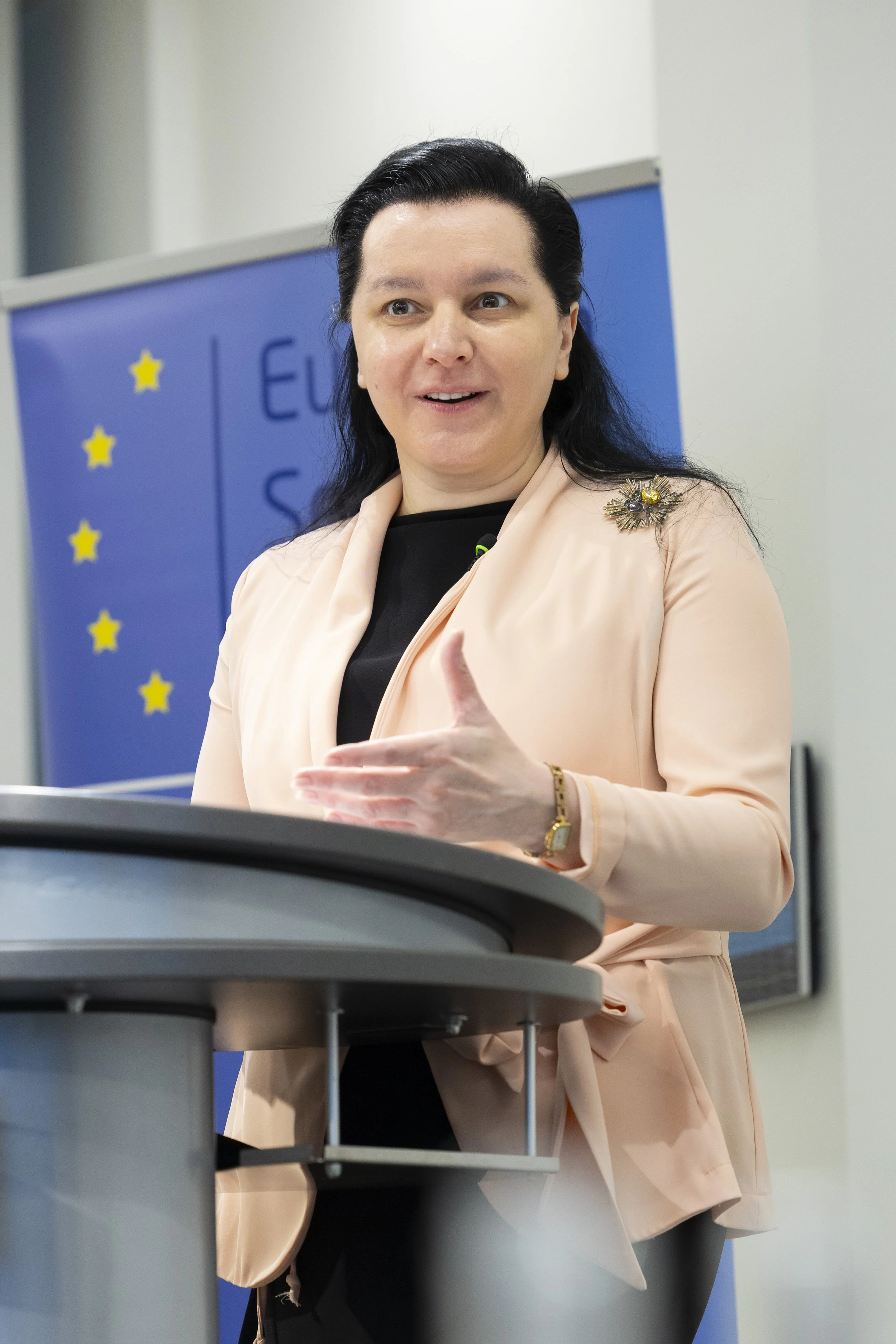
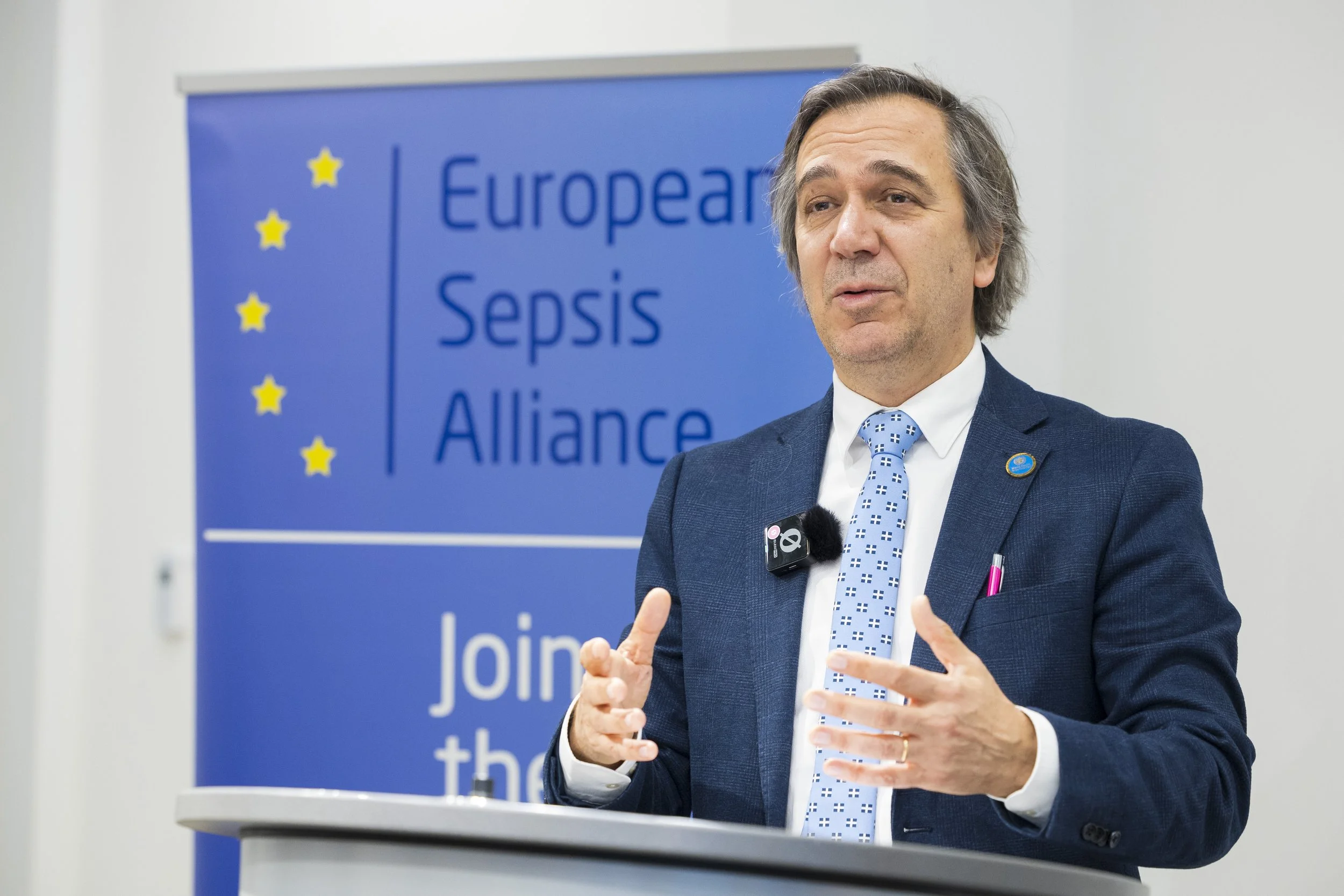
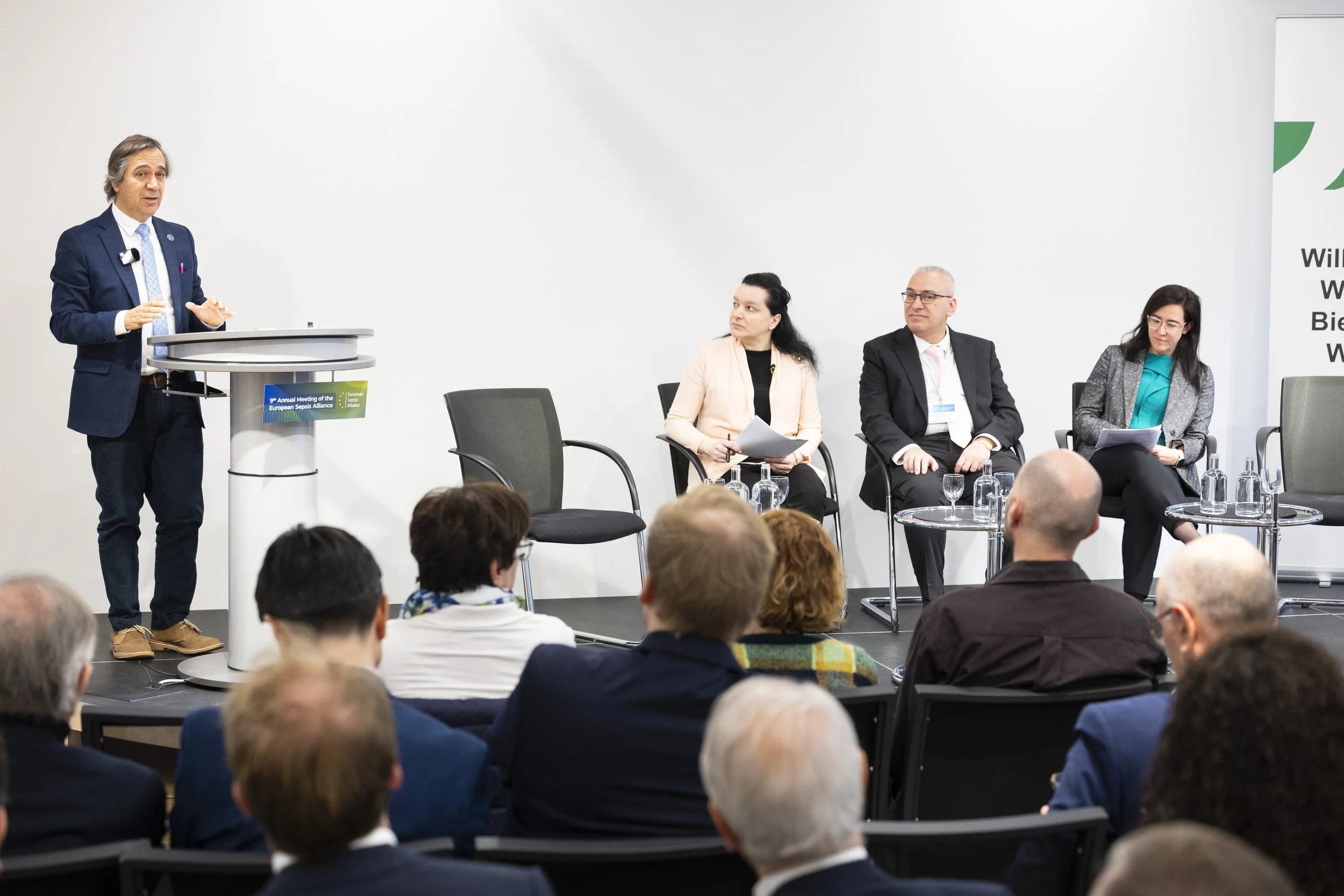
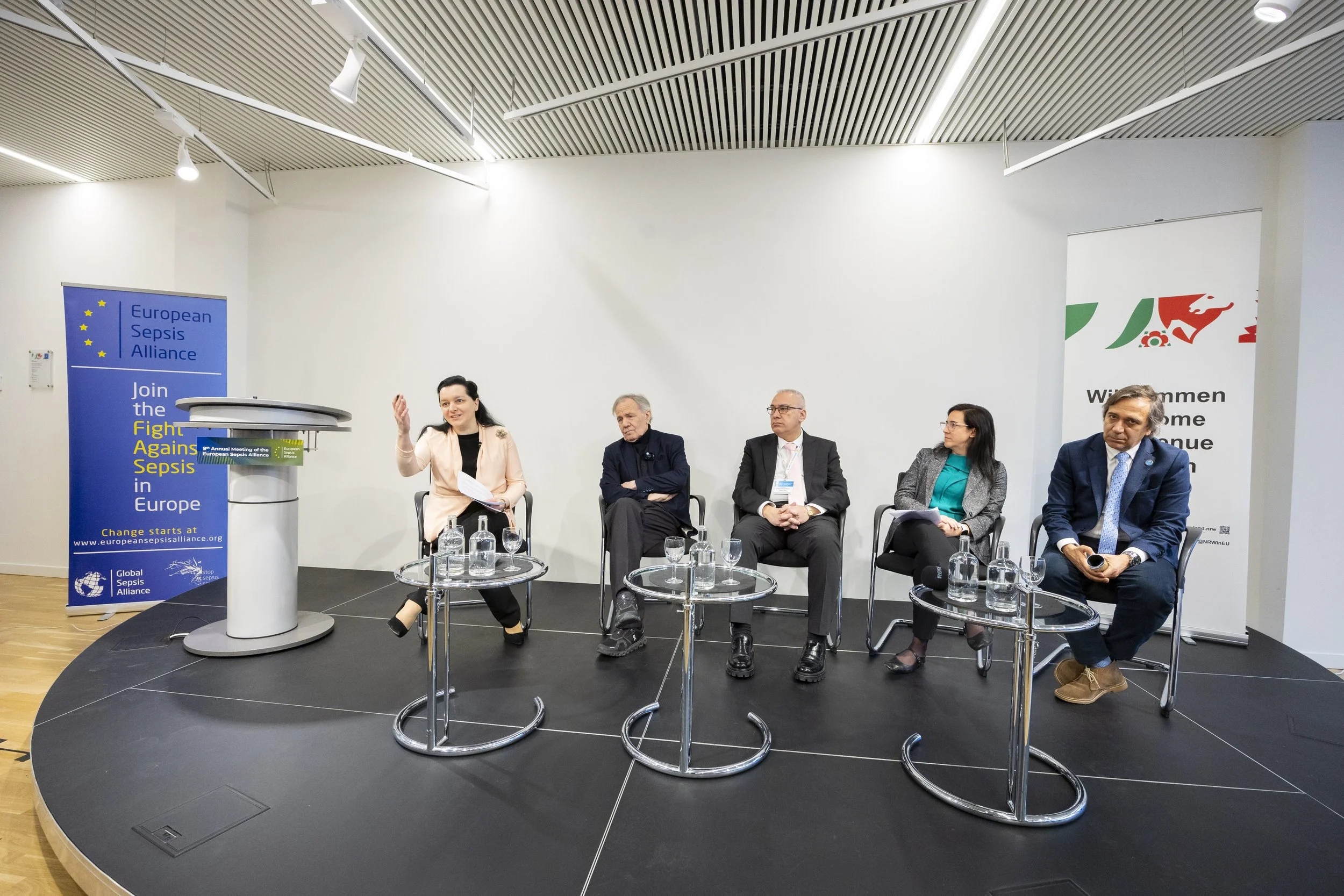
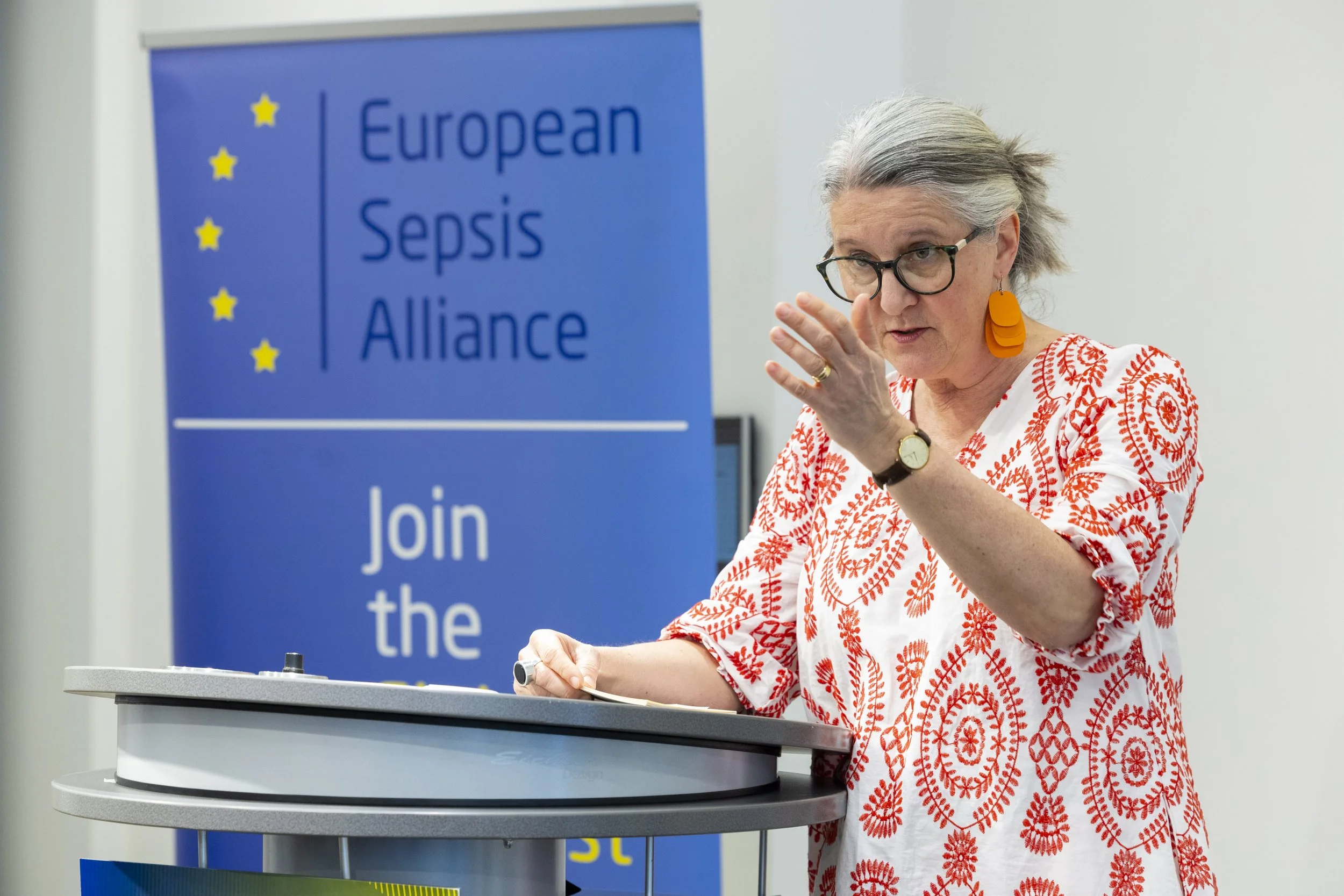
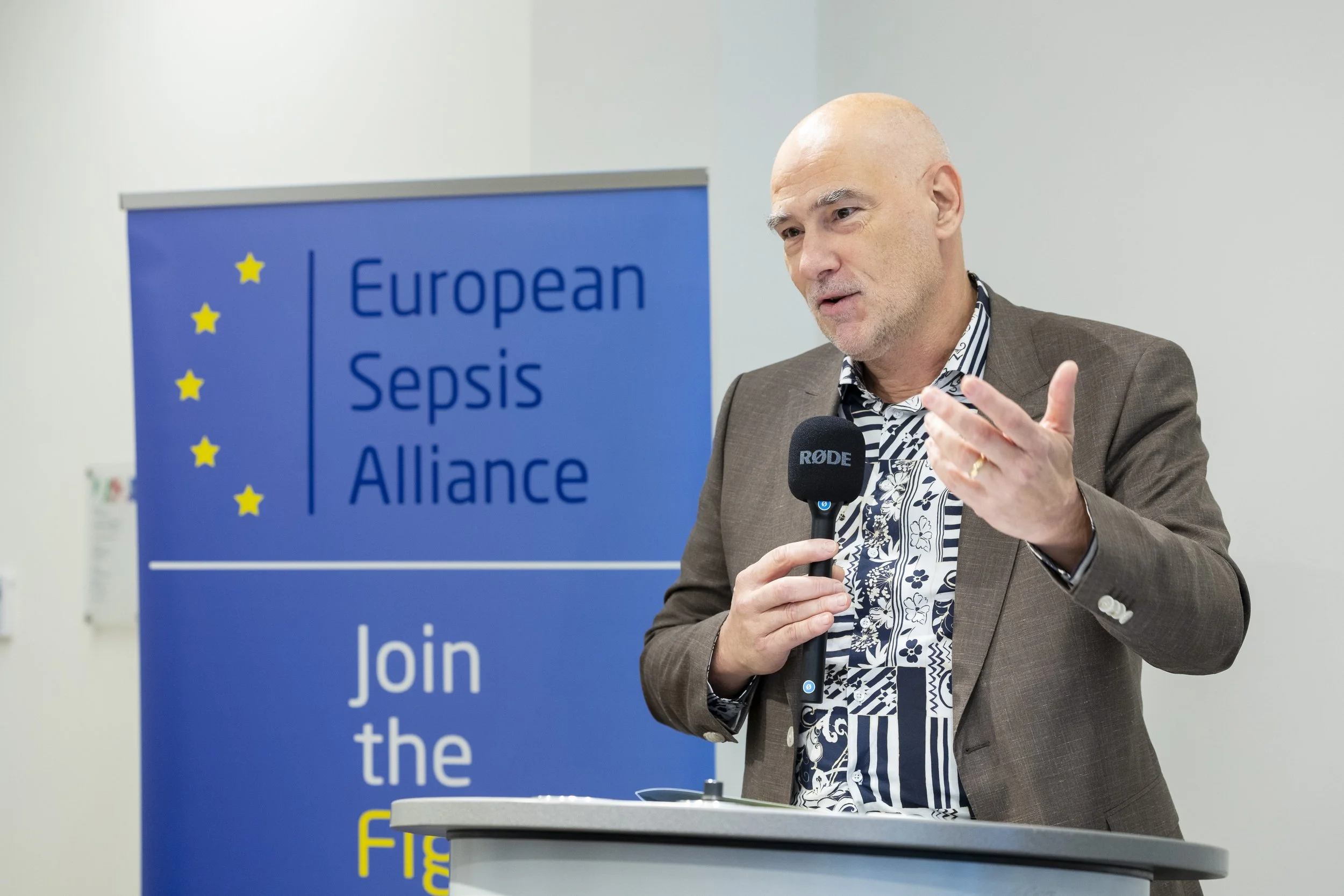
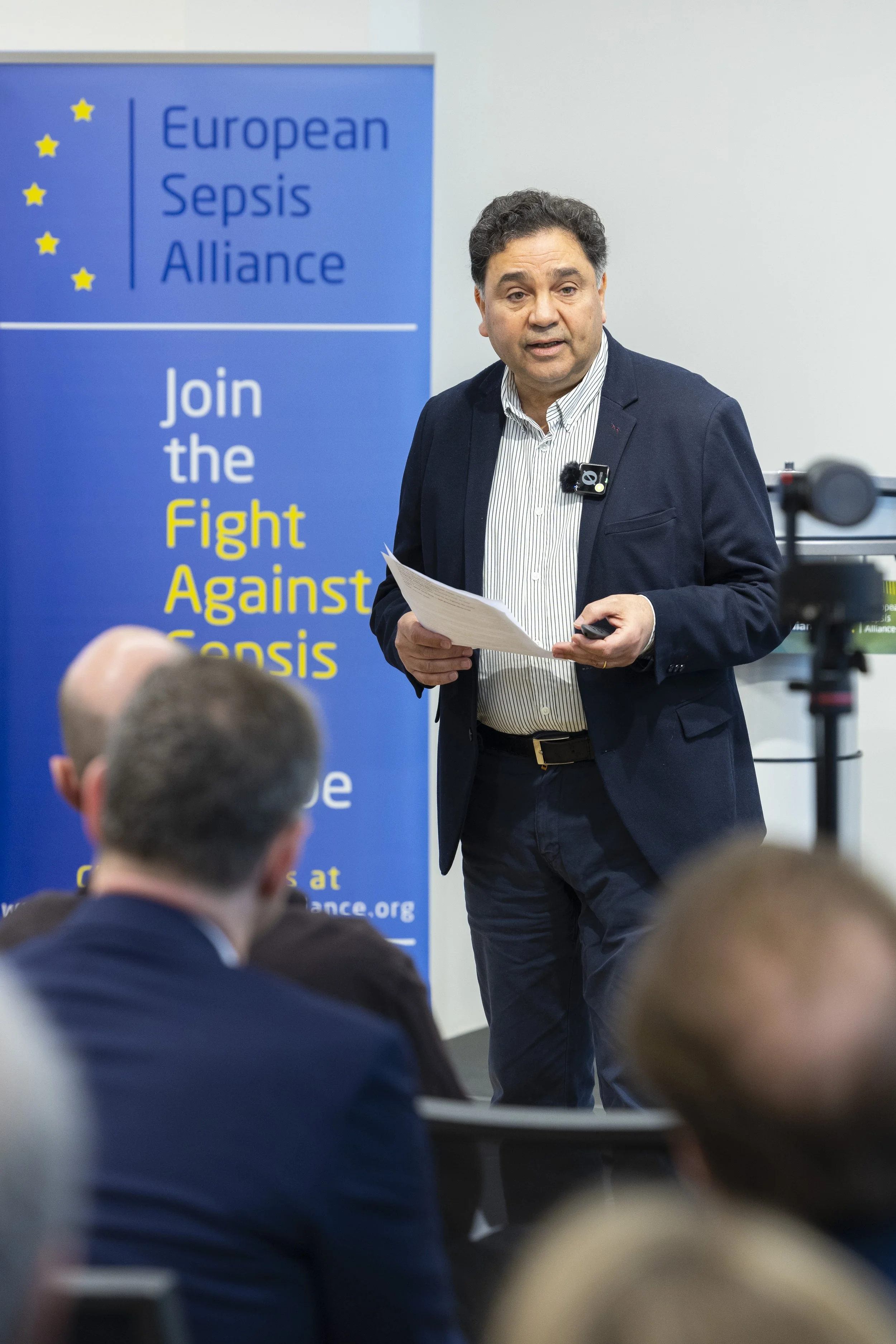
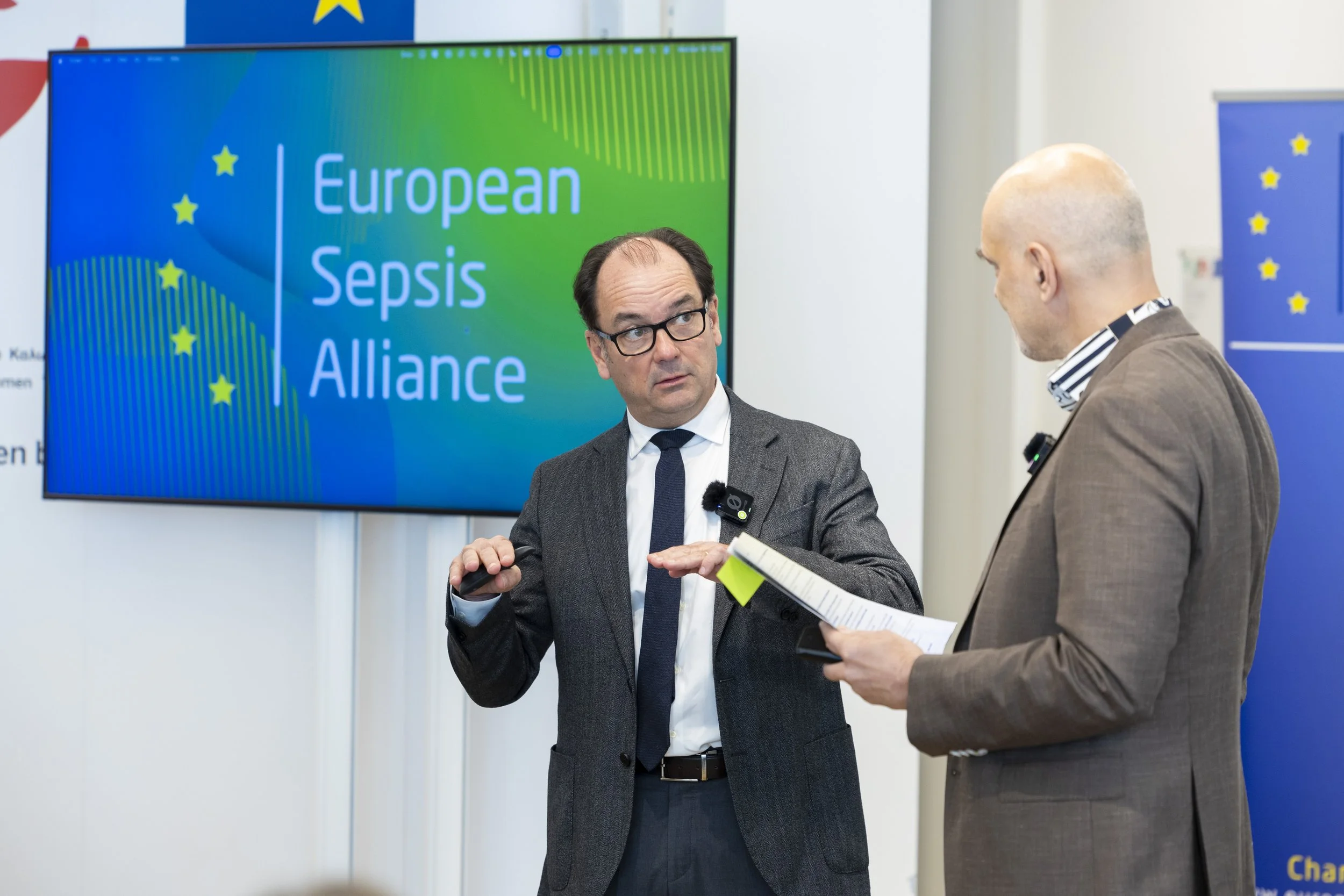
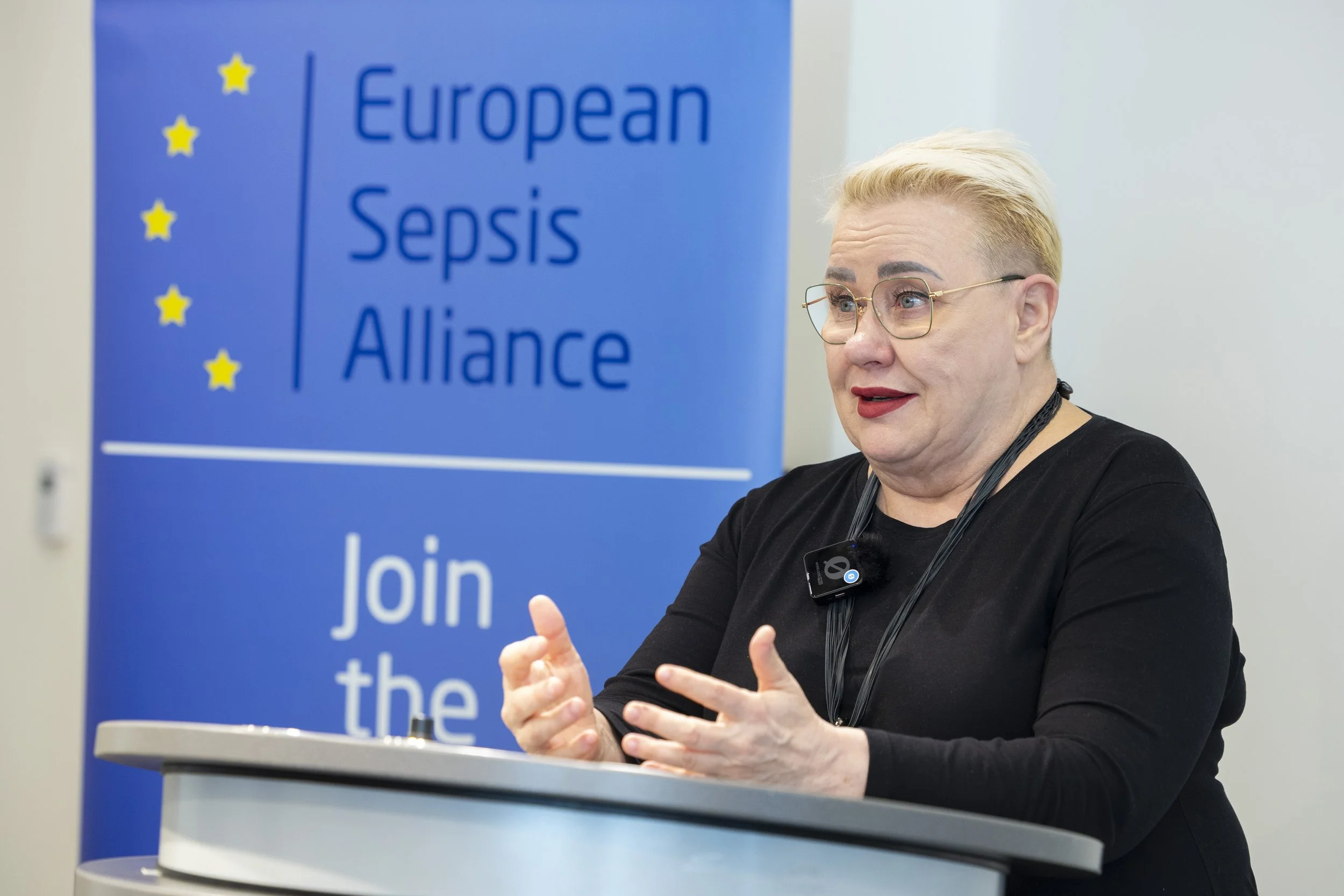
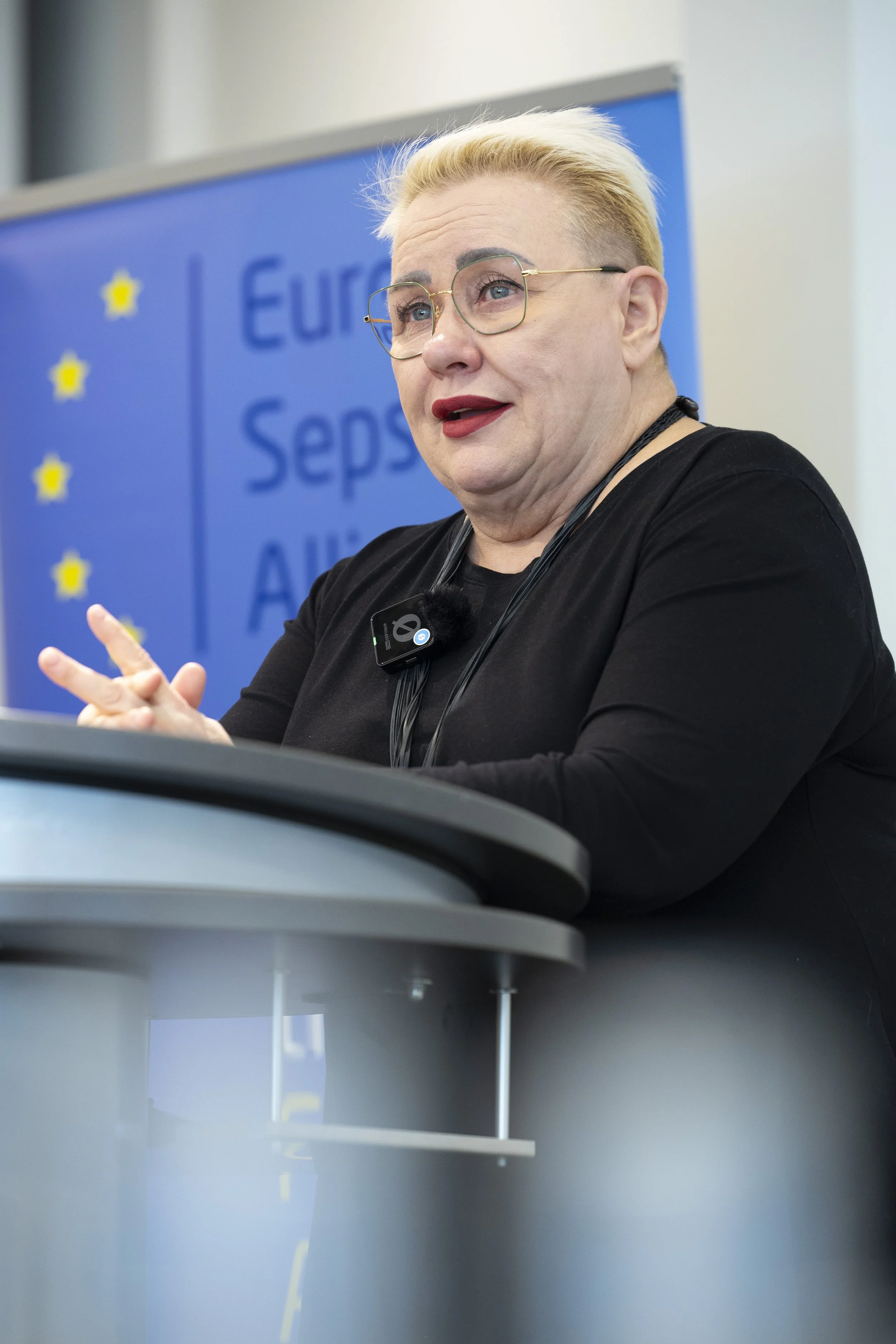
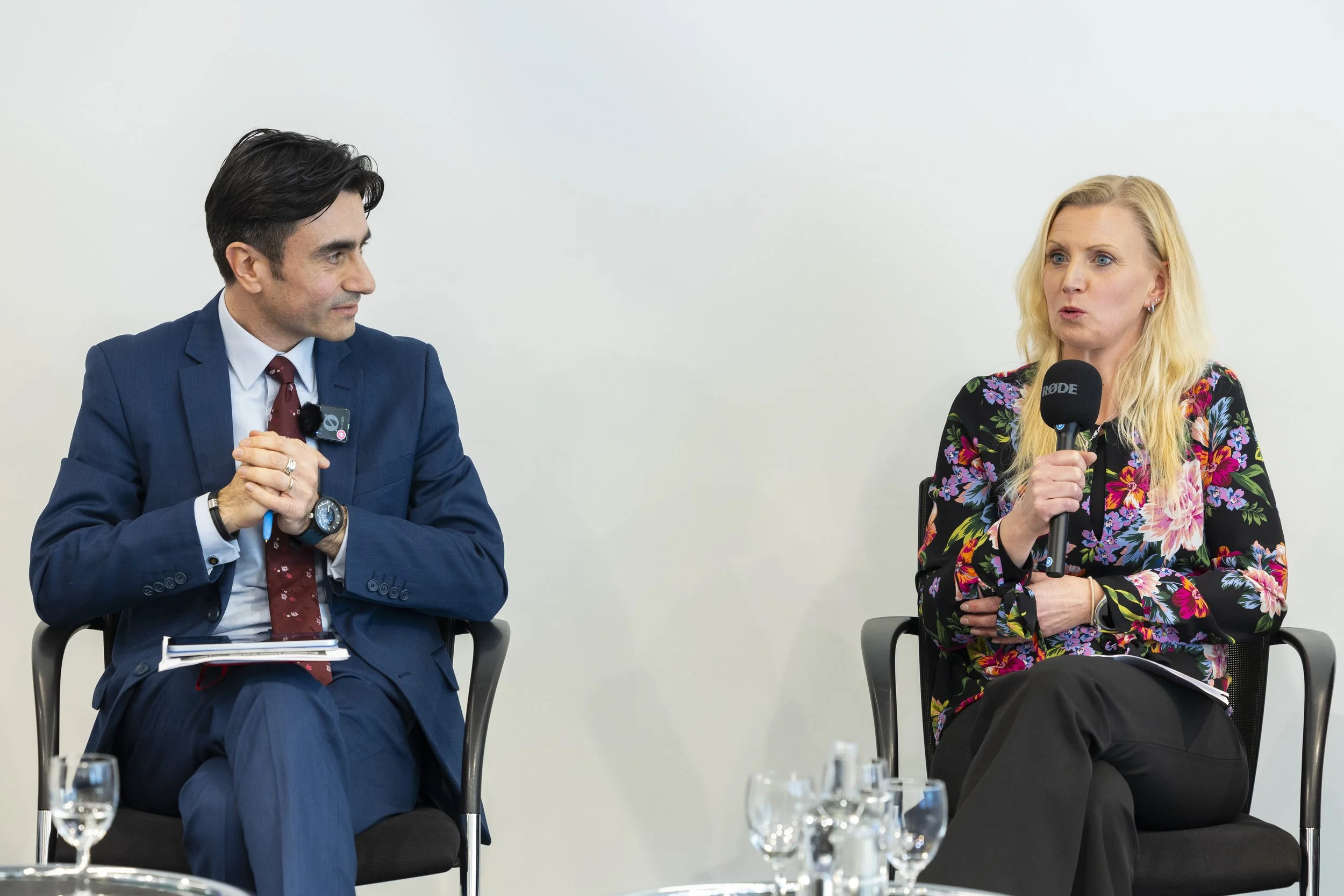
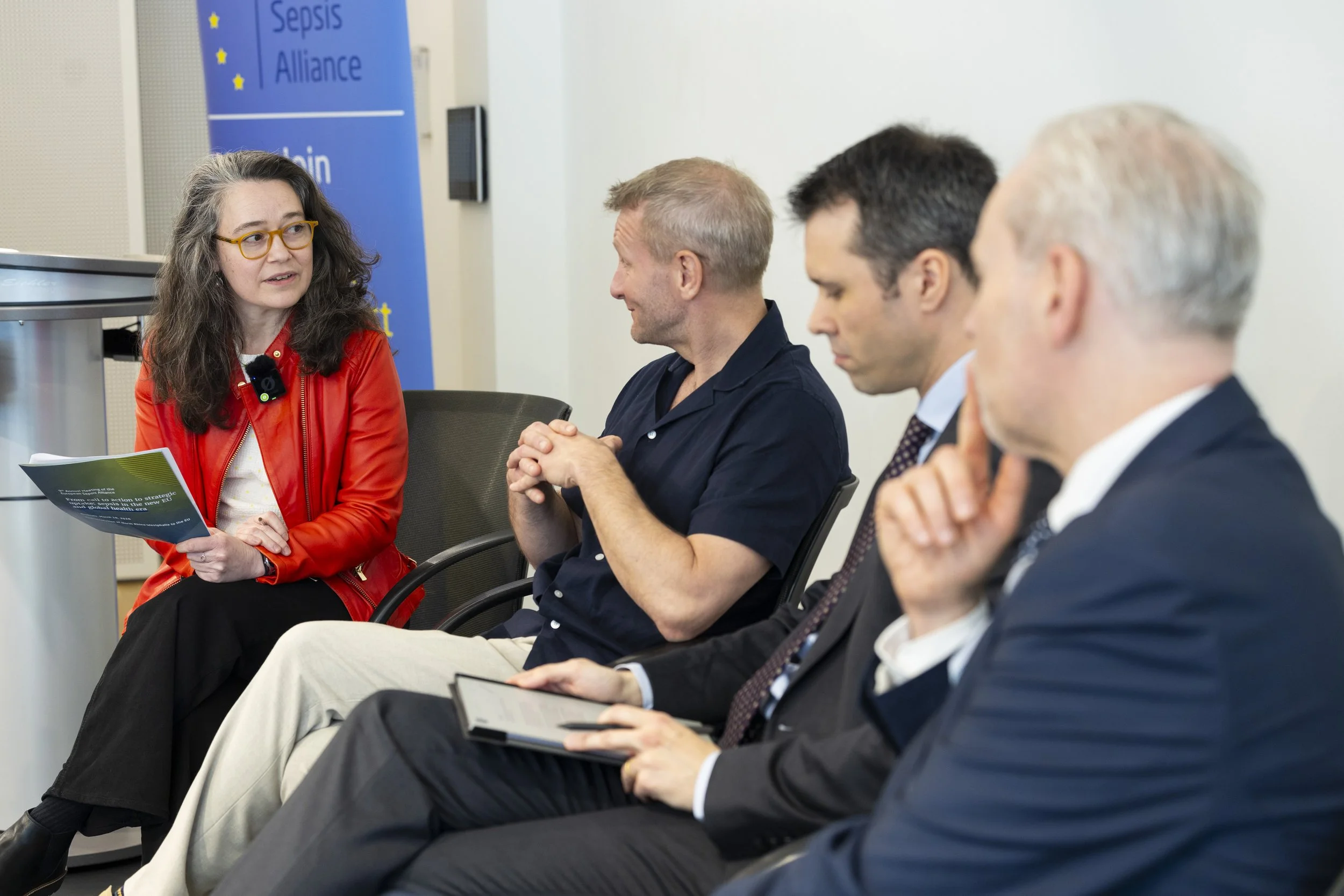
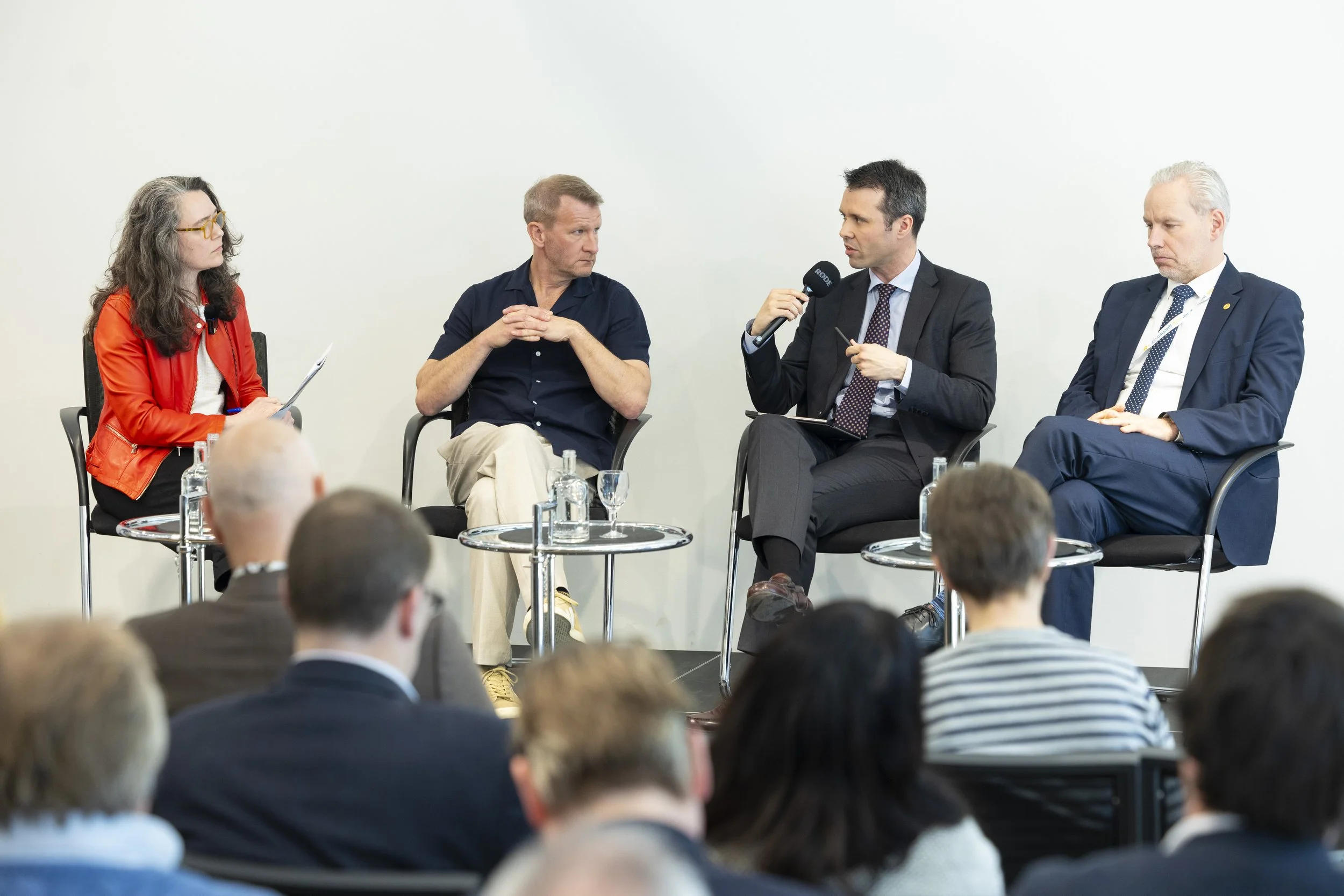
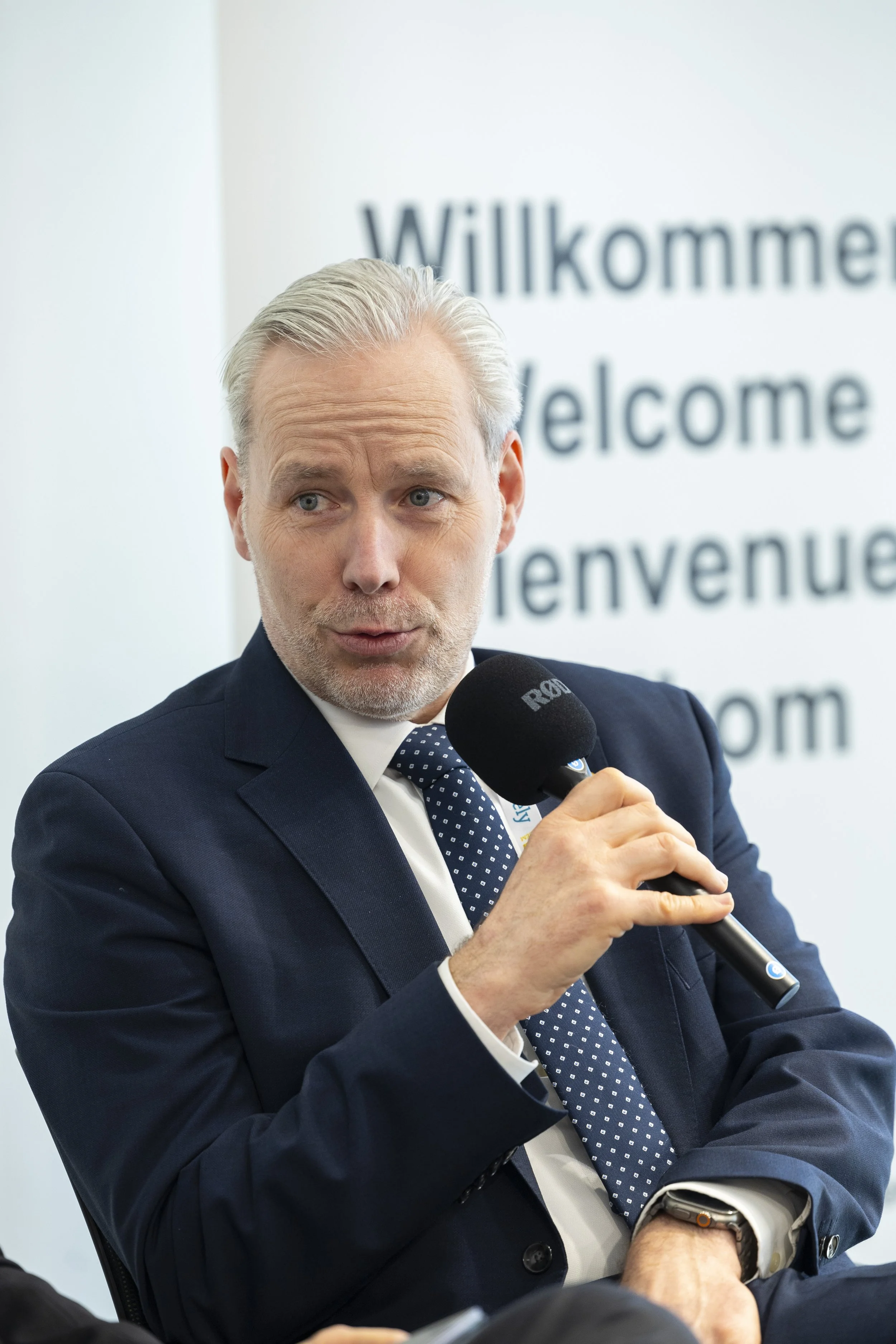
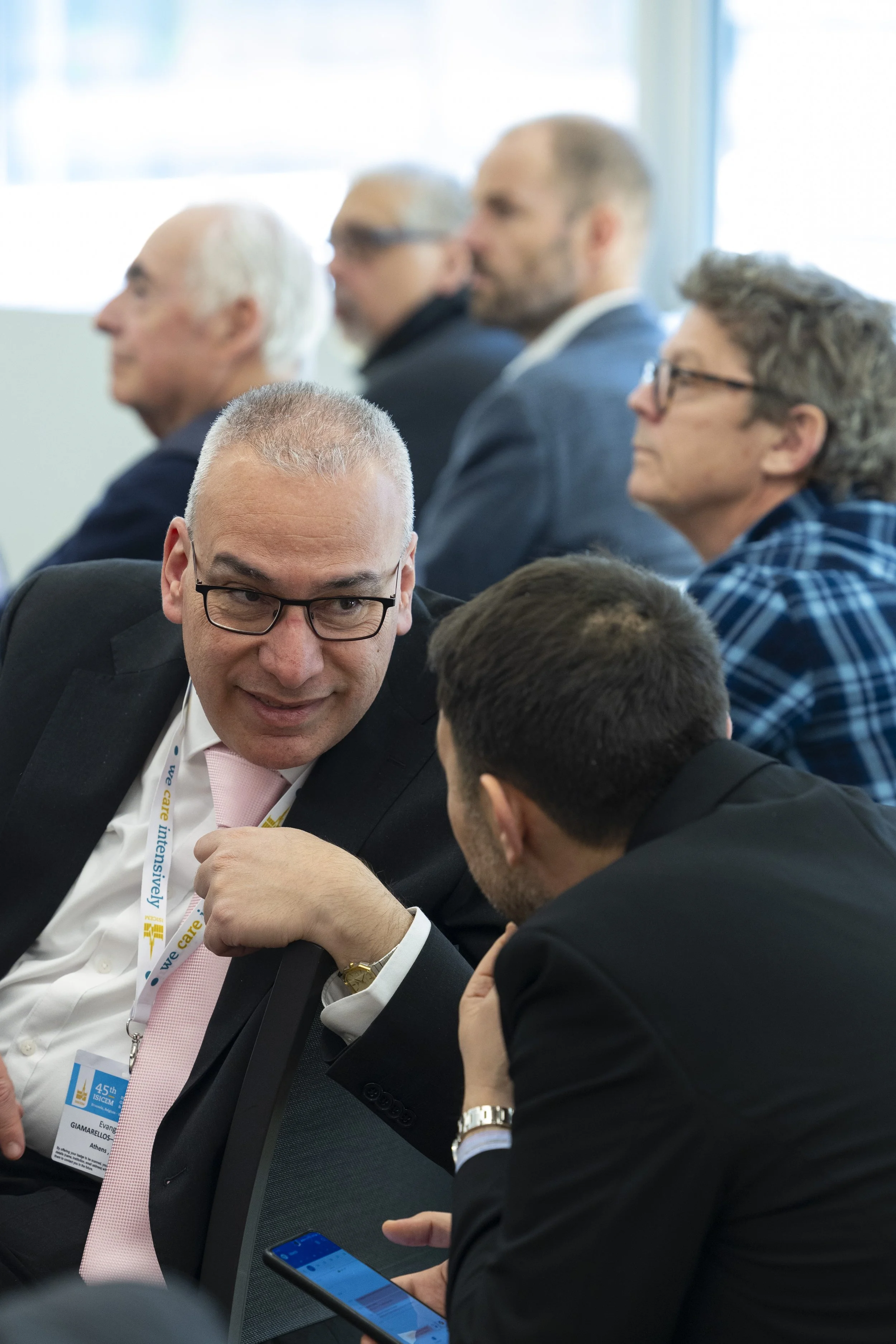
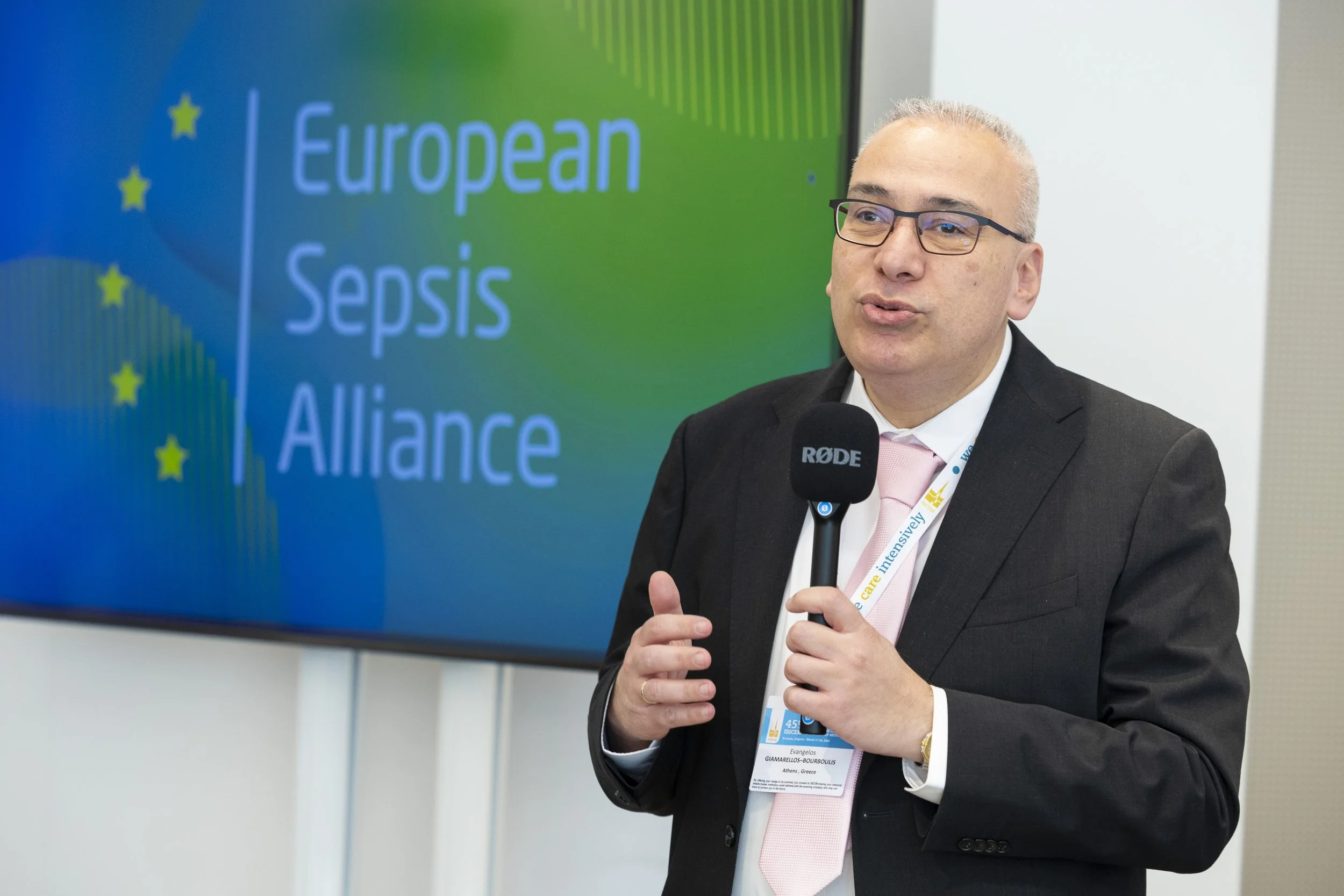
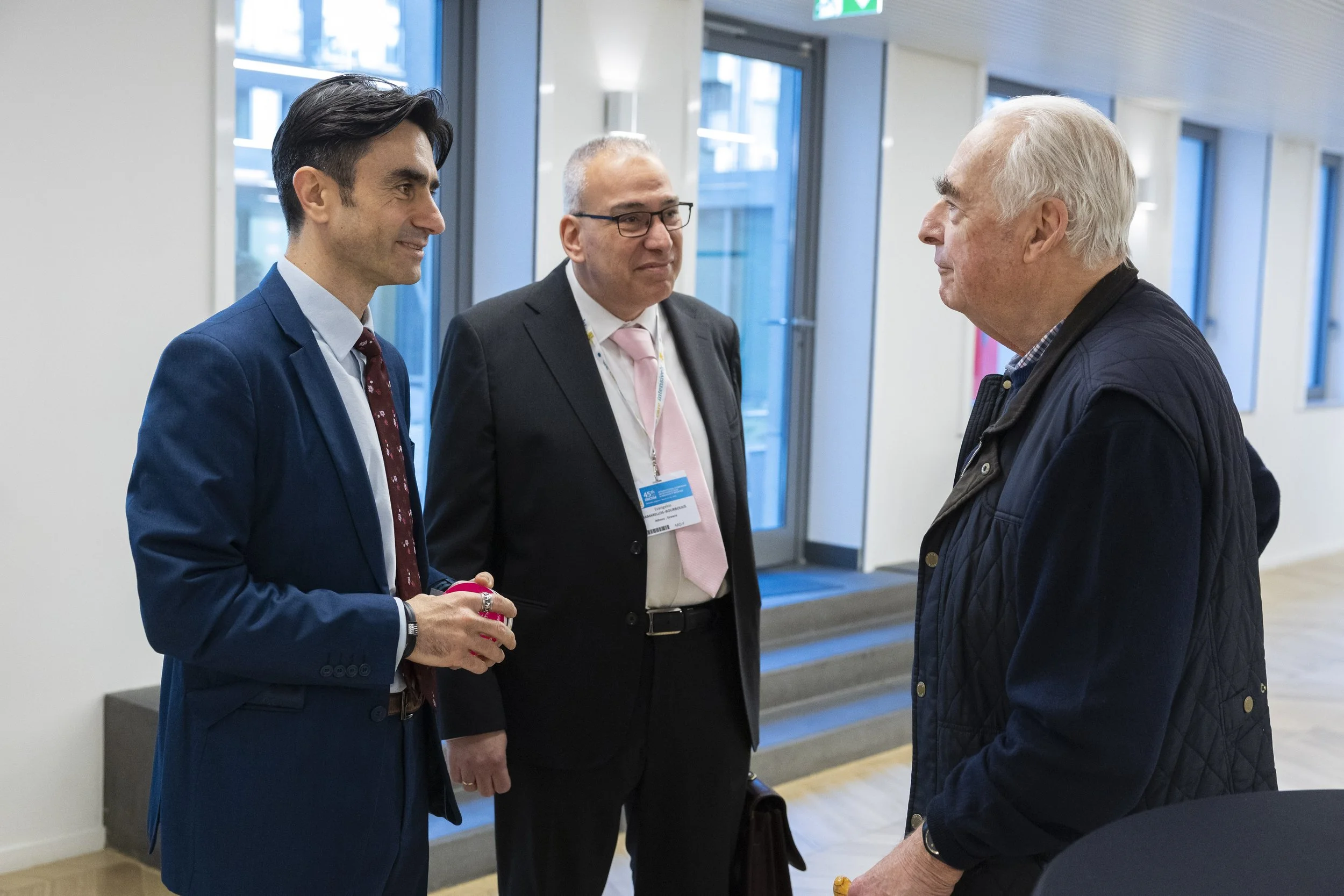
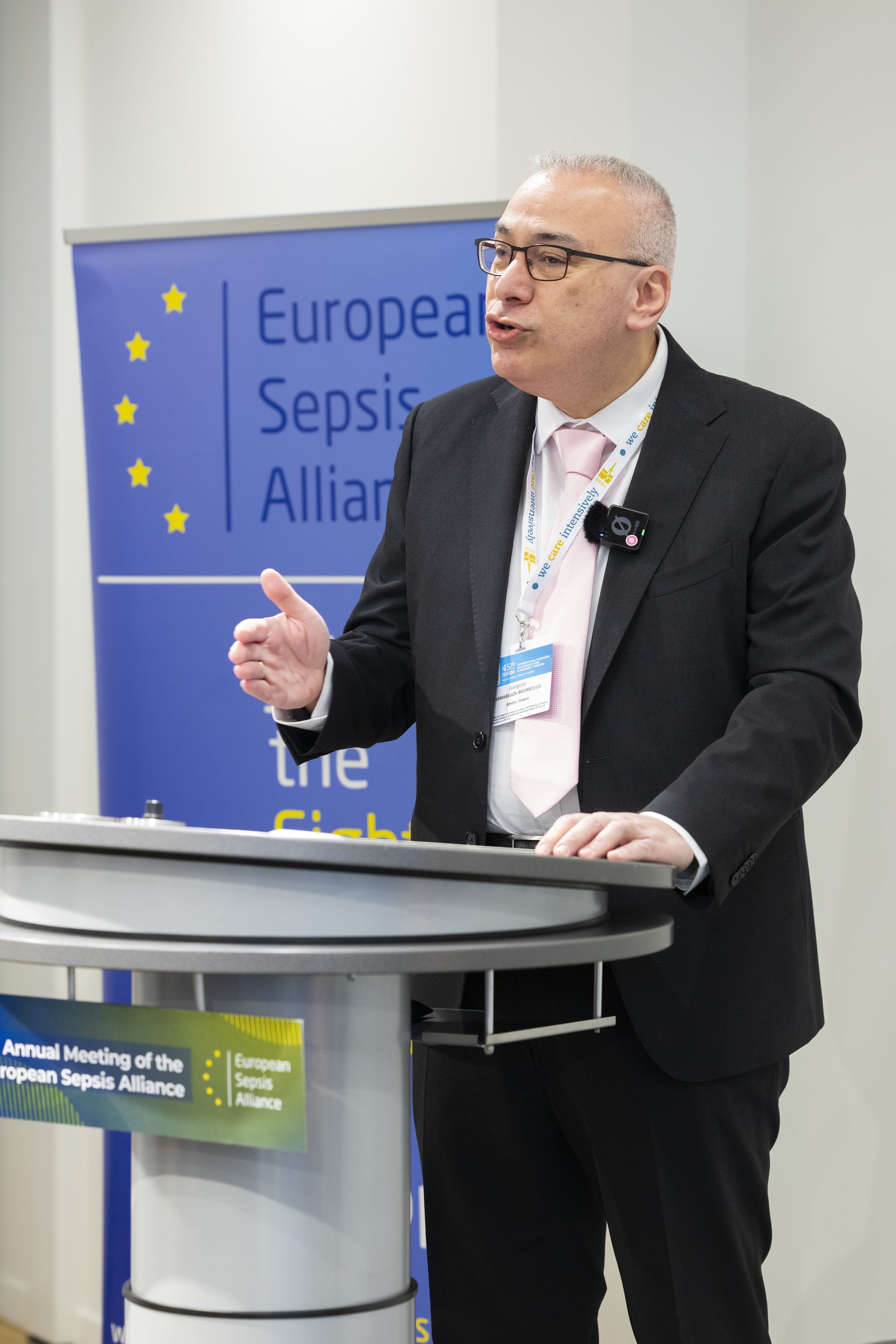
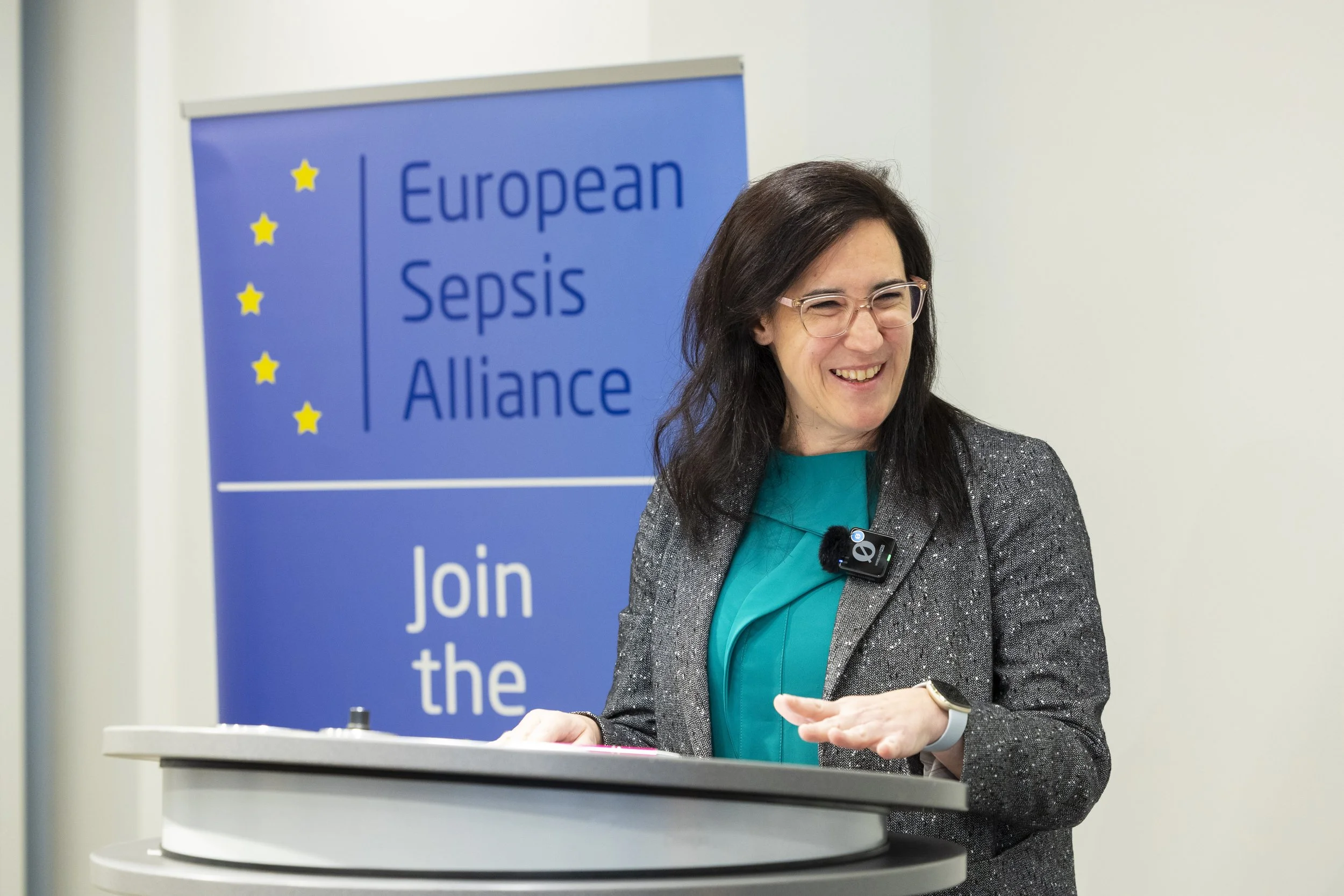
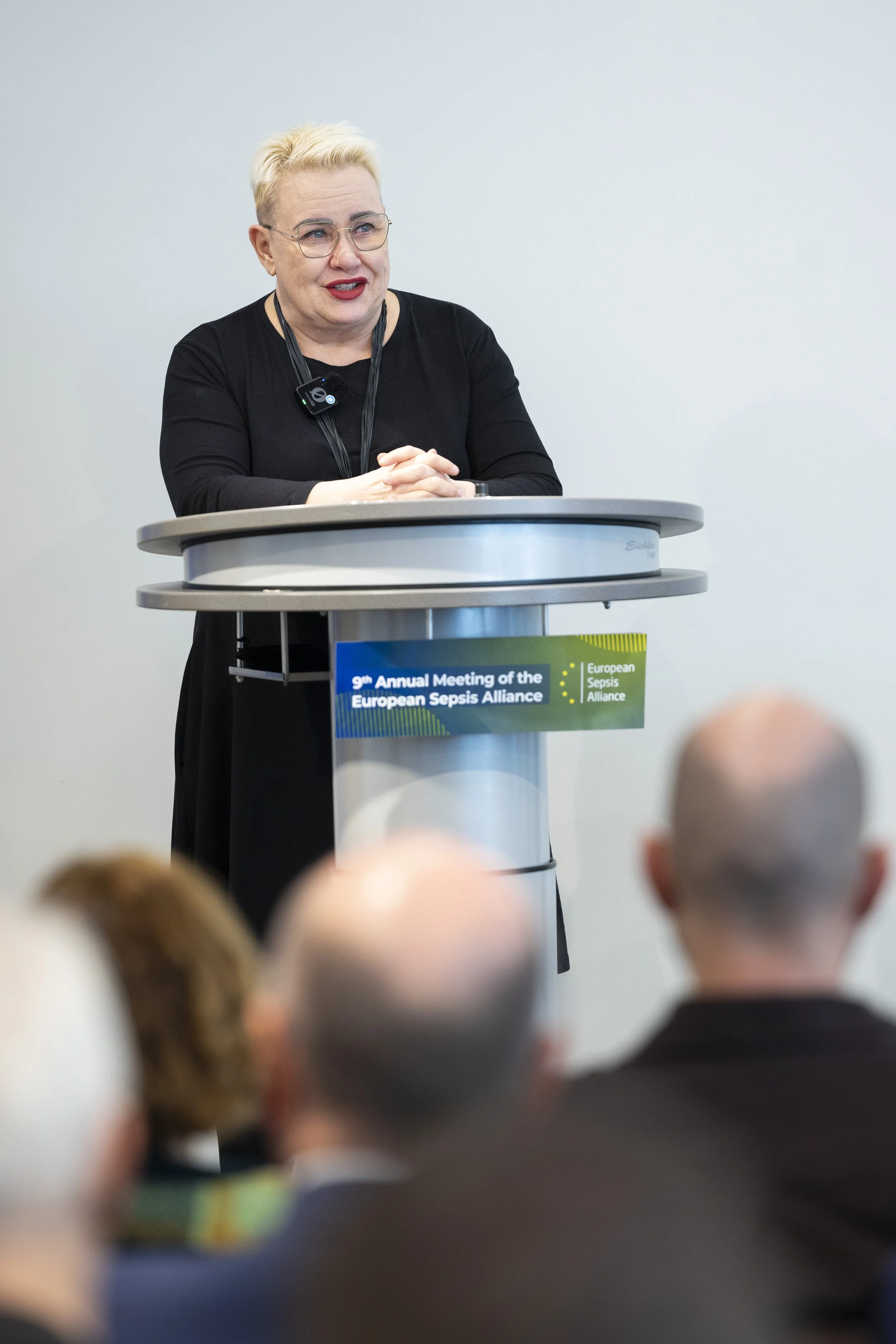
ESA Chair, Prof. Evangelos J. Giamarellos-Bourboulis, opened the meeting by reaffirming ESA's core mission and the urgency of the moment. The opening high-level panel — chaired by Dr. Mariam Jashi, CEO of the Global Sepsis Alliance — set an ambitious tone for the day, bringing together some of the most prominent voices in European health policy and global sepsis advocacy. In a video message, Hon. Vytenis Andriukaitis, Member of the European Parliament and ESA Patron, underscored the collective responsibility of European institutions and Member States, reiterating the call for a European Sepsis Plan from WHO Europe’s Regional Director Hans Kluge. The responsability of EU institutions was also highlighted in the intervention of MEP Hon. Sirpa Pietikäinen.
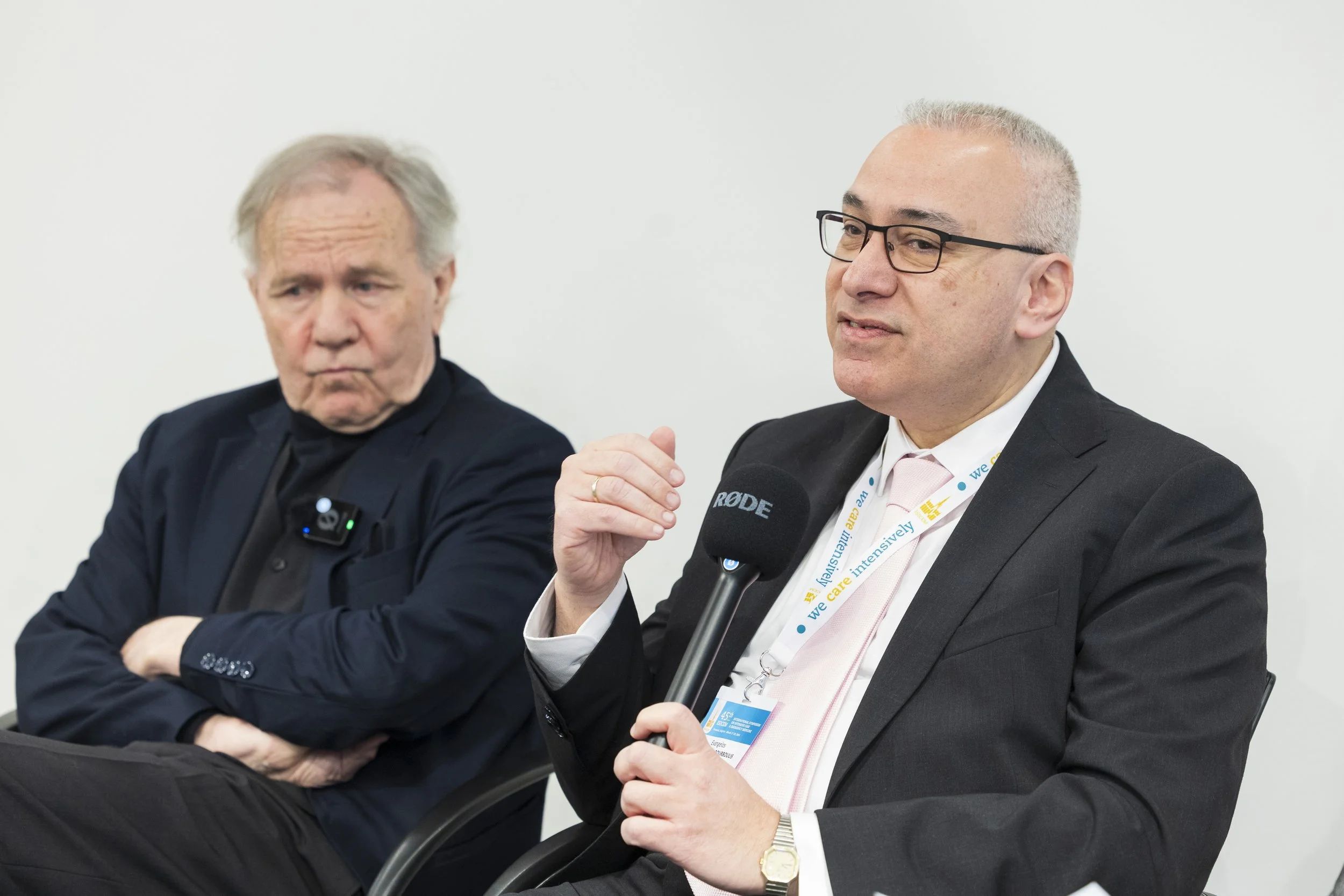
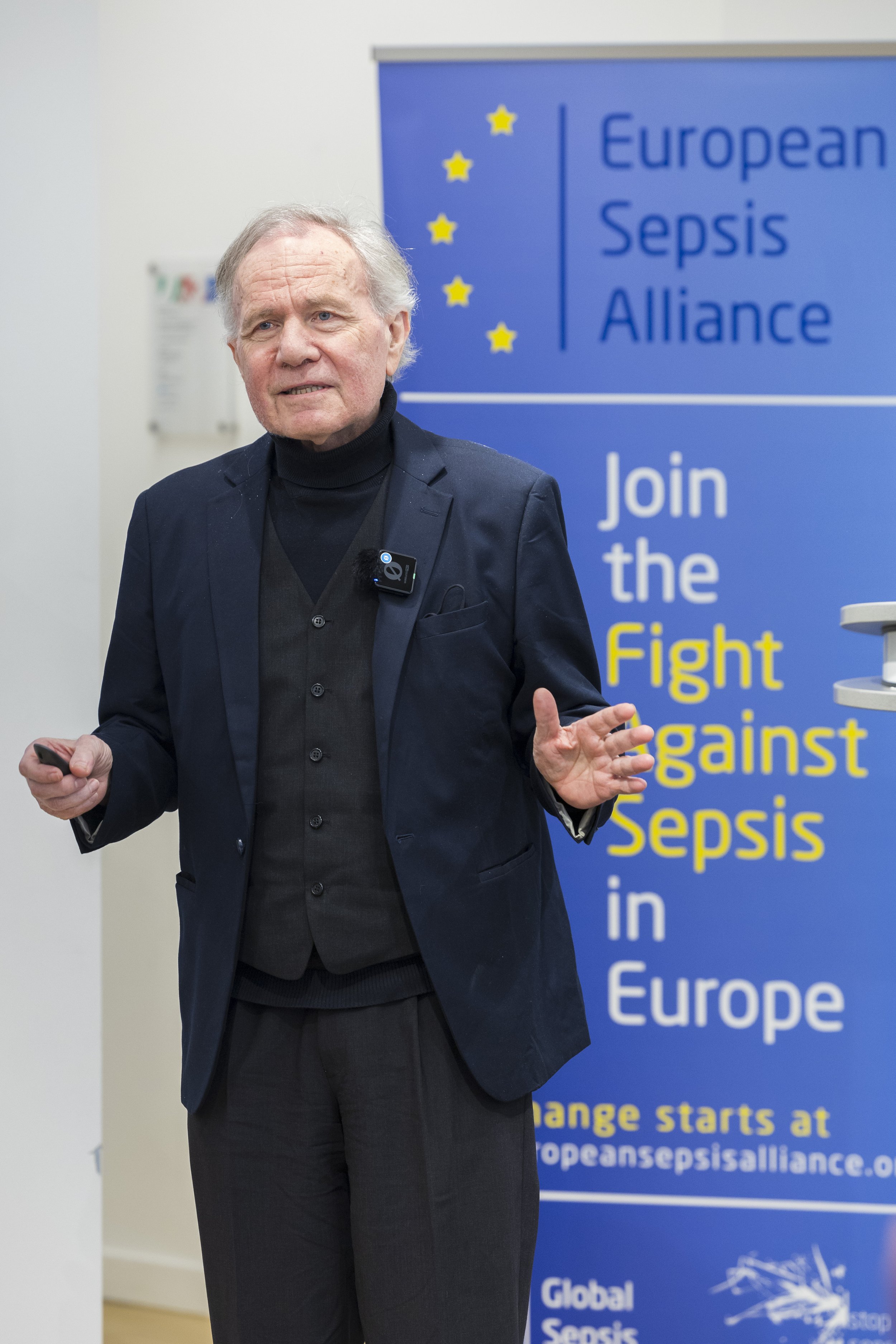
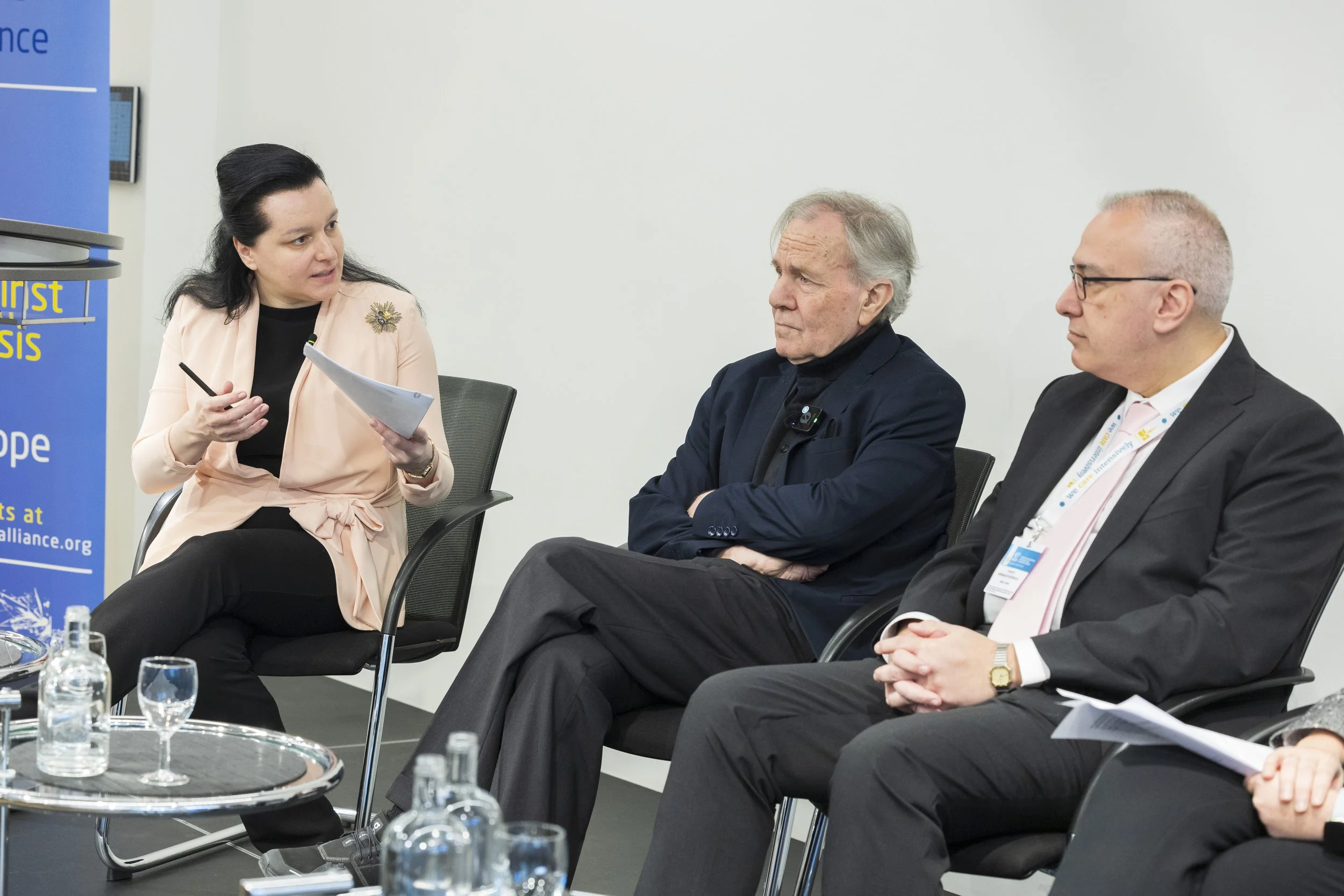
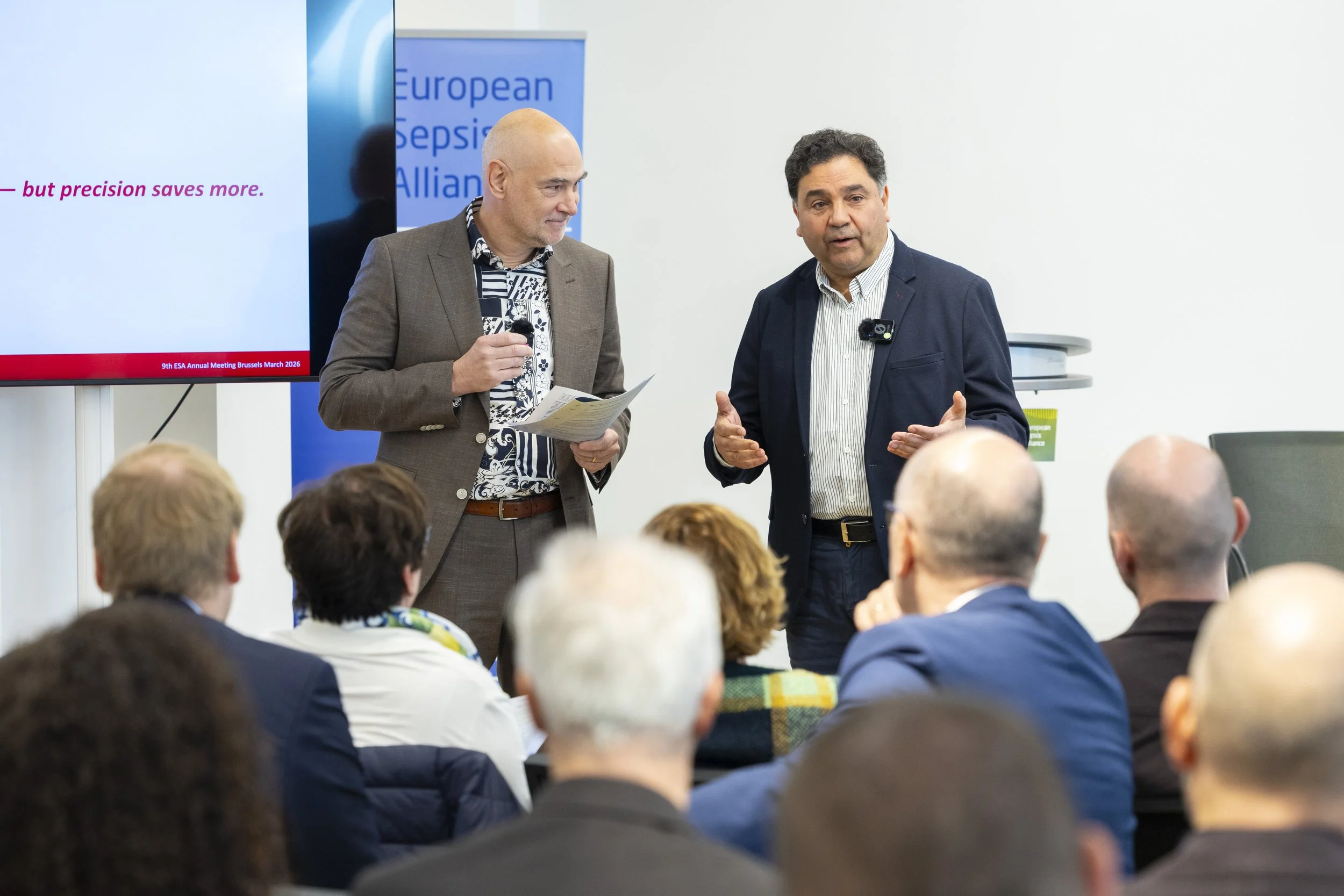
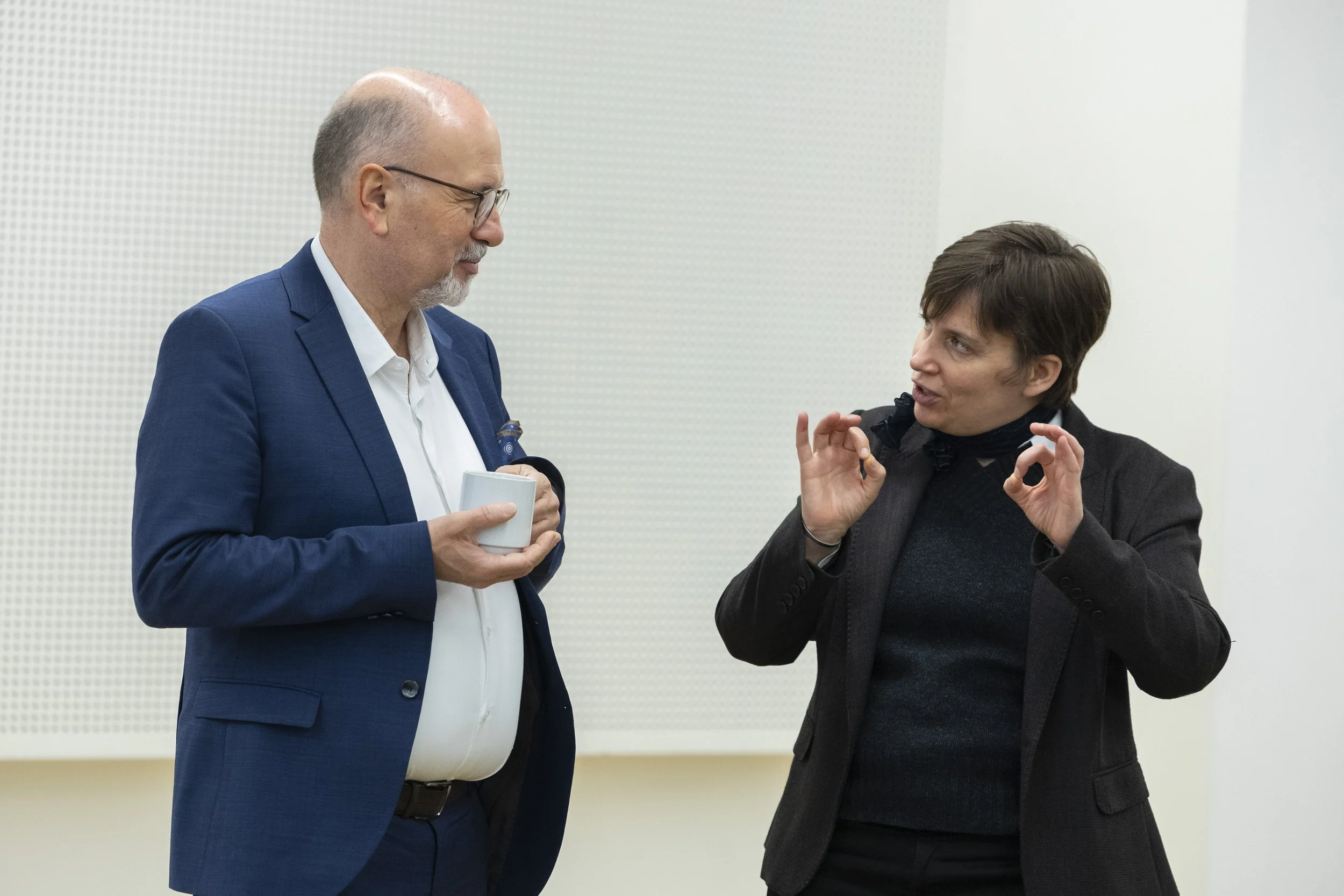
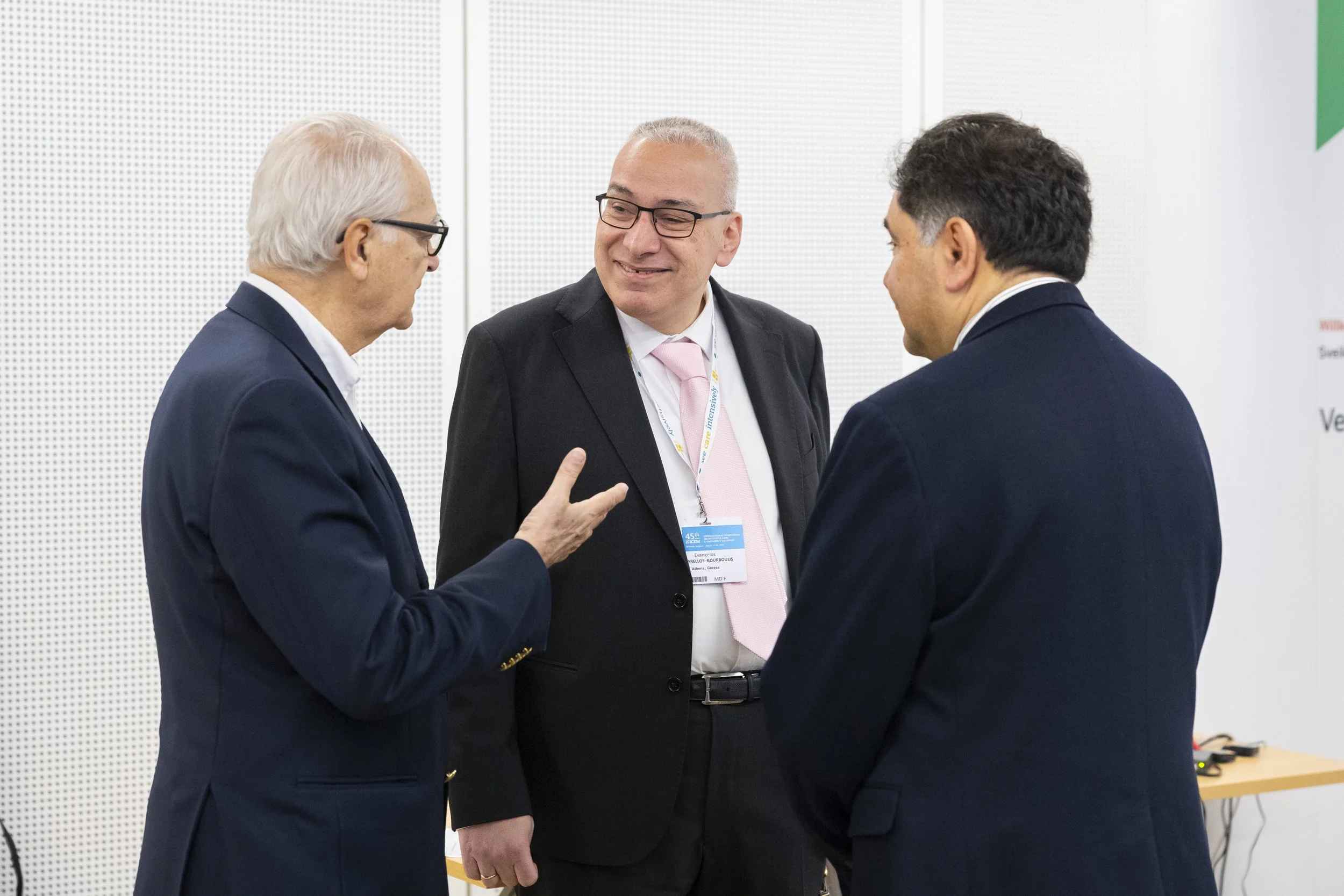
ESA Chair, Prof. Evangelos J. Giamarellos-Bourboulis (left), ESA Honorary President, Prof. Konrad Reinhart

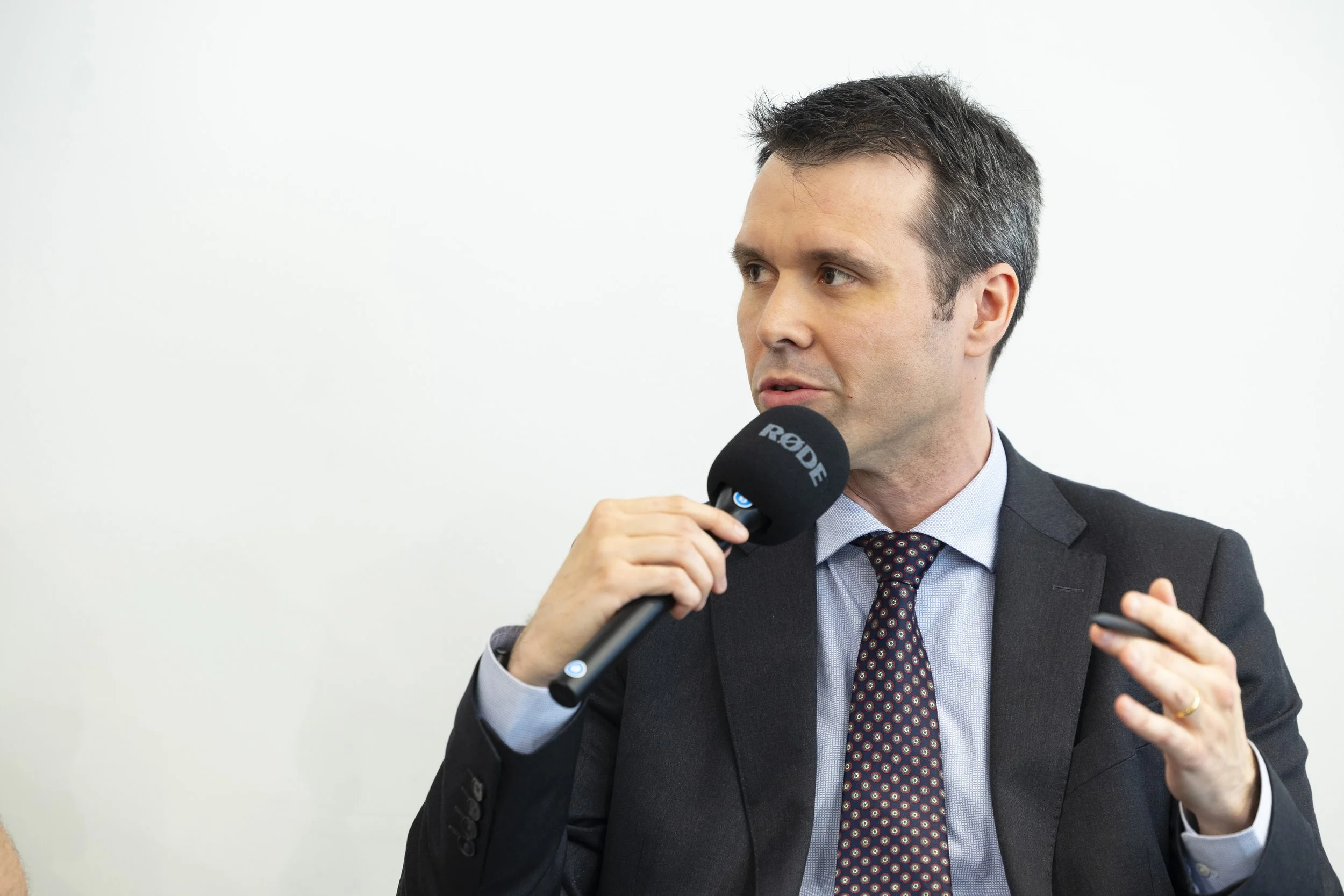
Ana Burgos Gutiérrez, Head of Unit for Intelligence Gathering, Analysis and Innovation at HERA, outlined the work underway within EU institutions to ensure that medical countermeasures and preparedness frameworks adequately address sepsis as a critical health threat. She concluded her intervention with an historical announcement of the allocation of €244 million by the European Commission for a research grant on innovative thereutics for infections, sepsis, and ARDS.
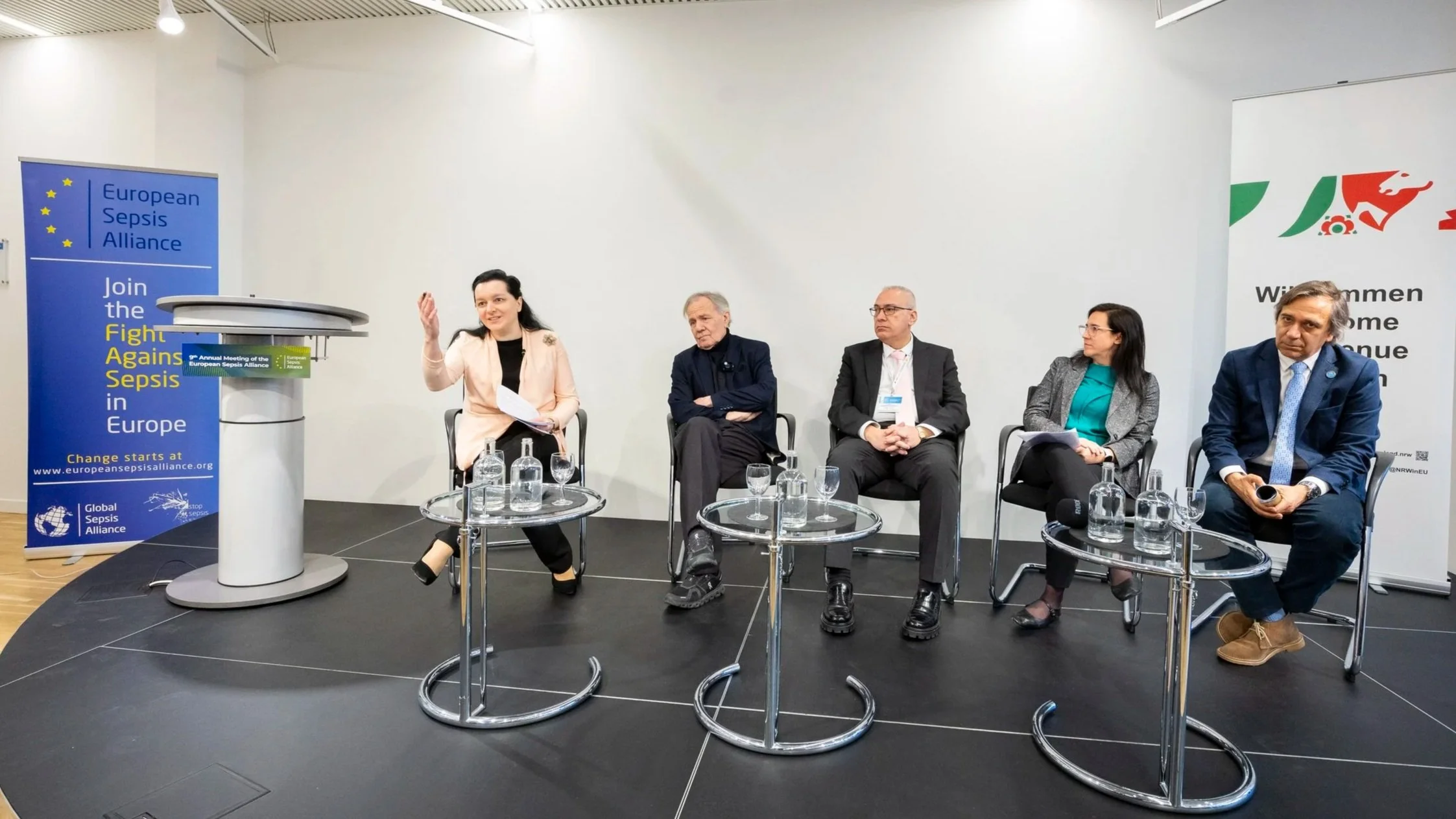
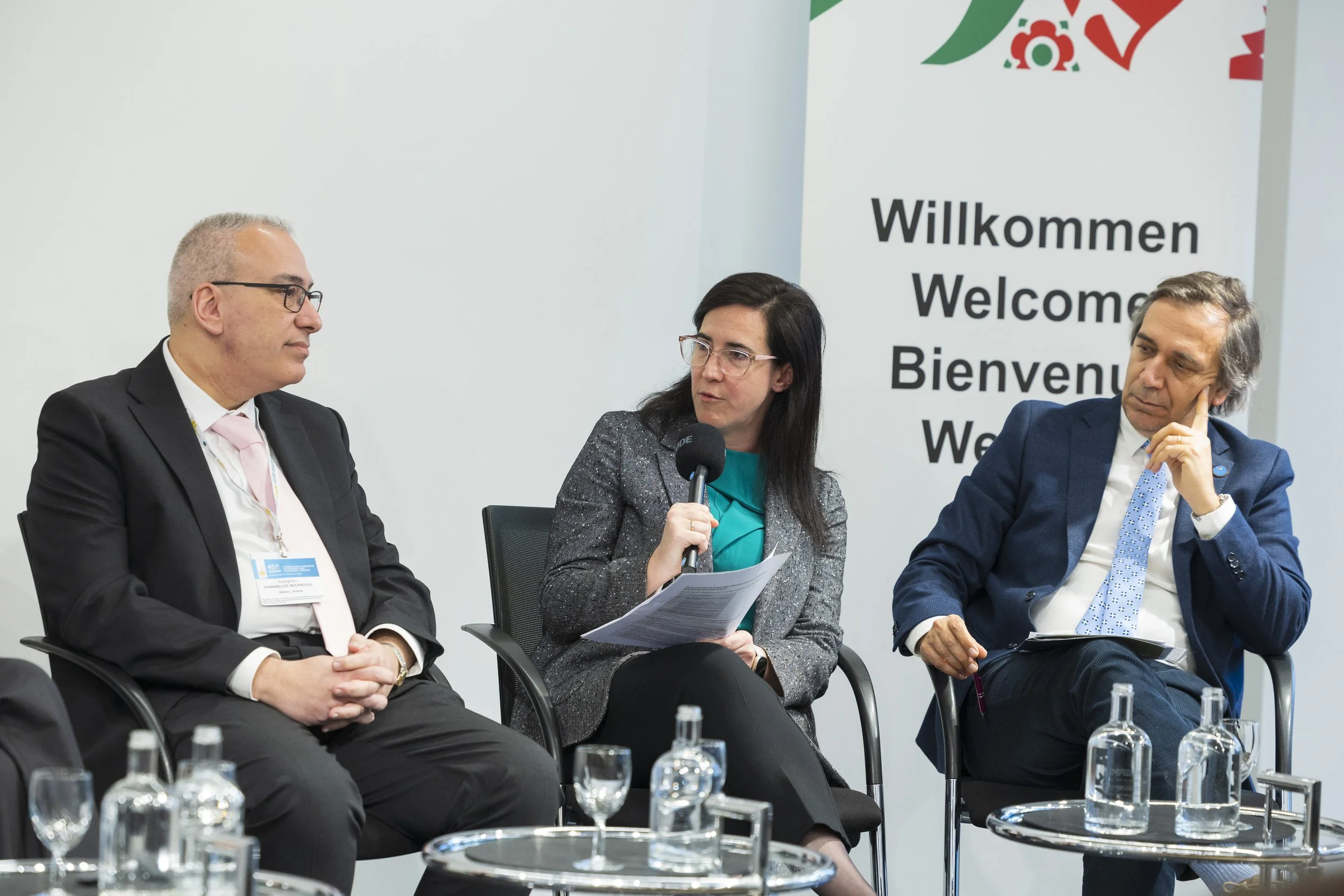
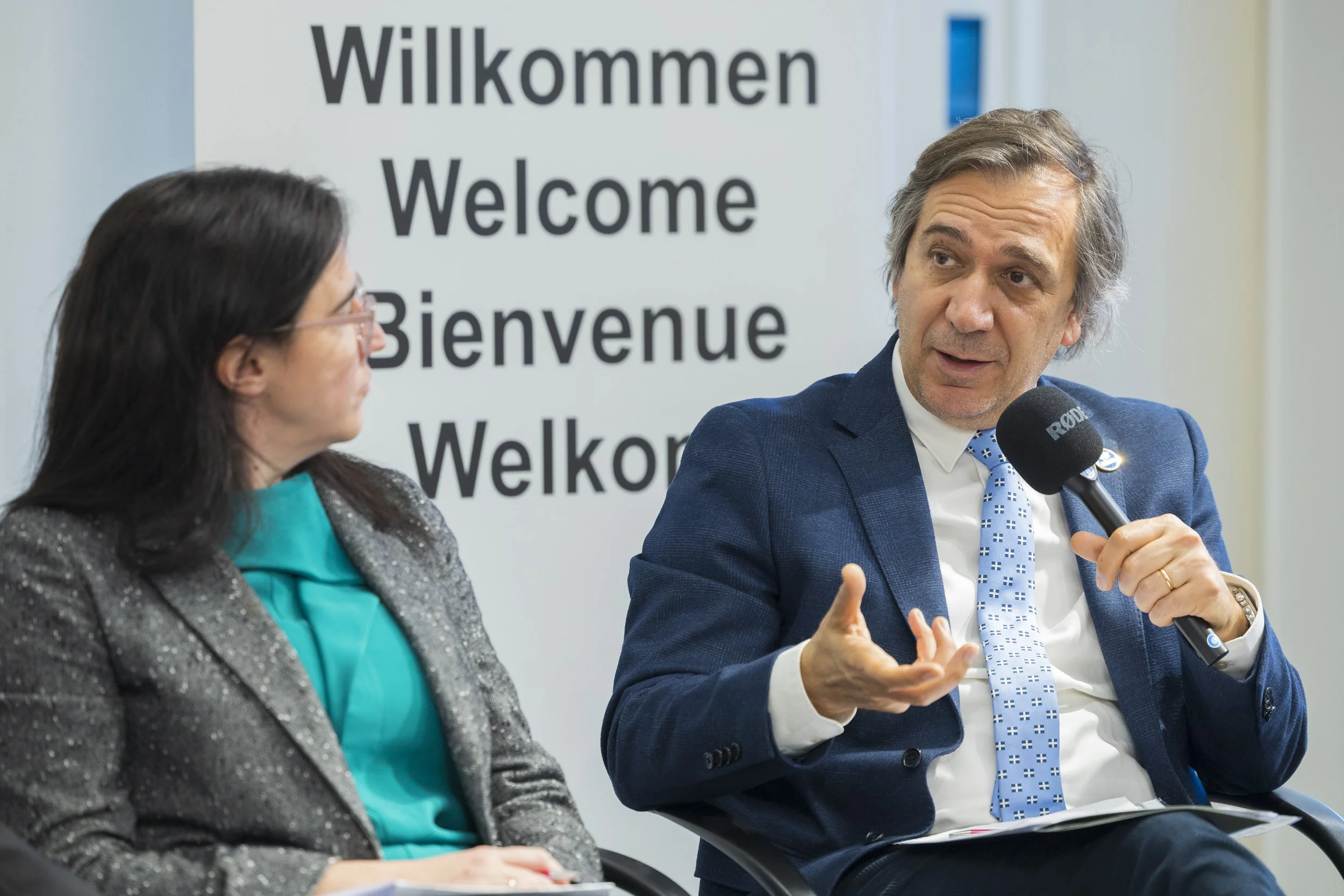
Dr. Mariam Jashi, Prof. Konrad Reinhart, Prof. Evangelos Giamarellos, Ana Burgos Gutiérrez, Dr. João Breda

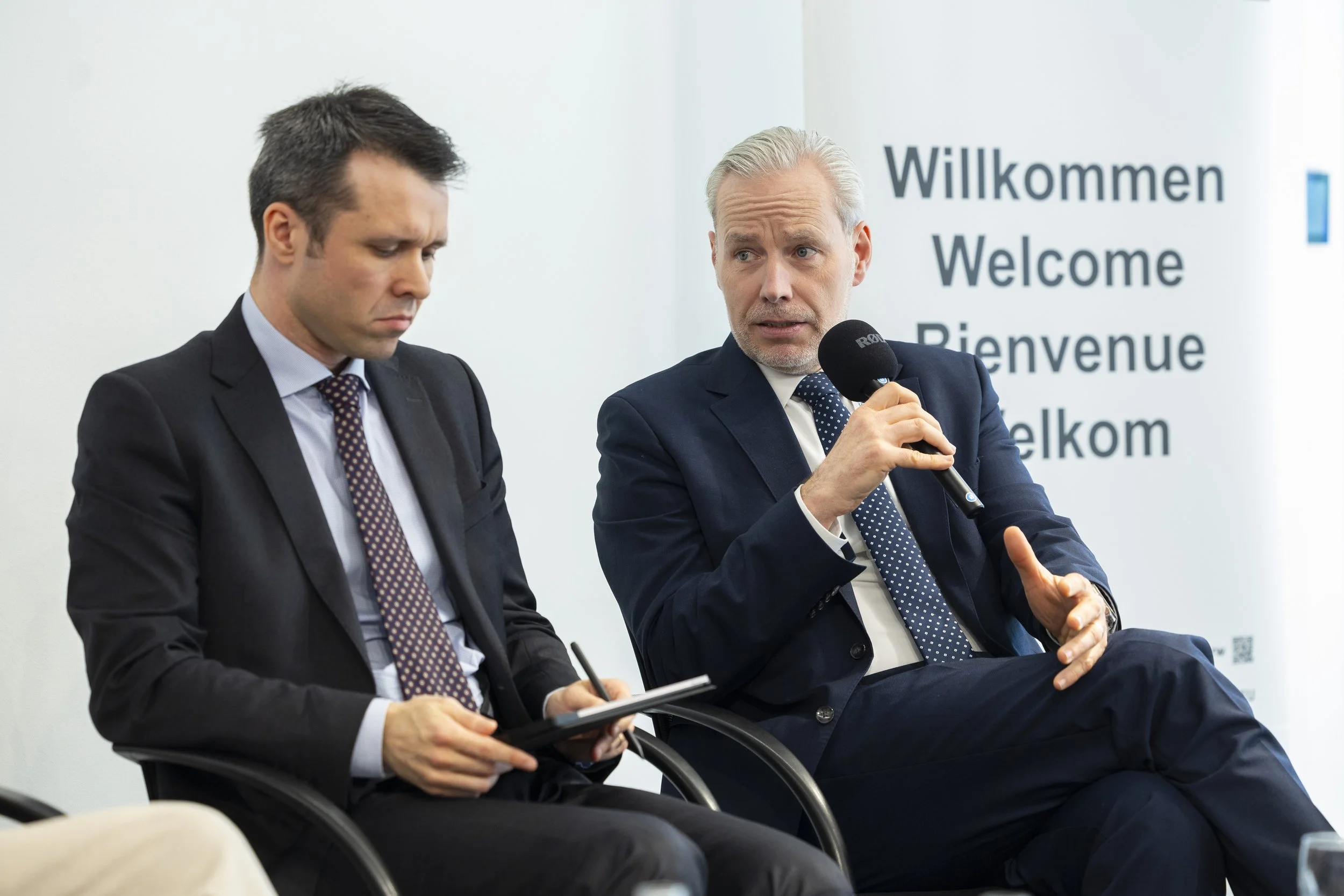
This year WHO EUrope was represented by Dr. João Breda, Head of the WHO European Office on Quality of Care and Patient Safety, highlighting the role of the WHO in supporting member states to strengthen their readiness to manage sepsis, with education being a core element of national plans.

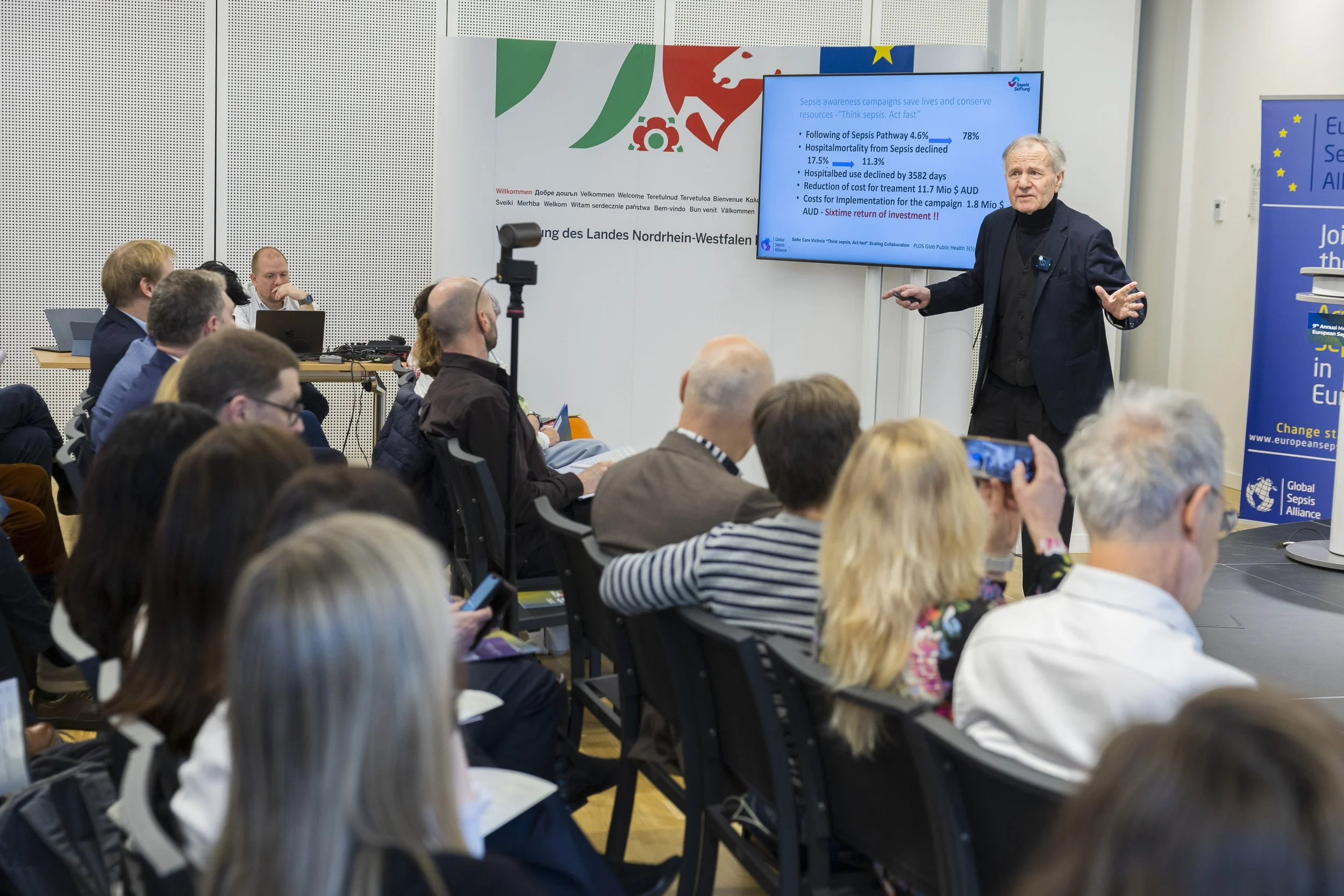
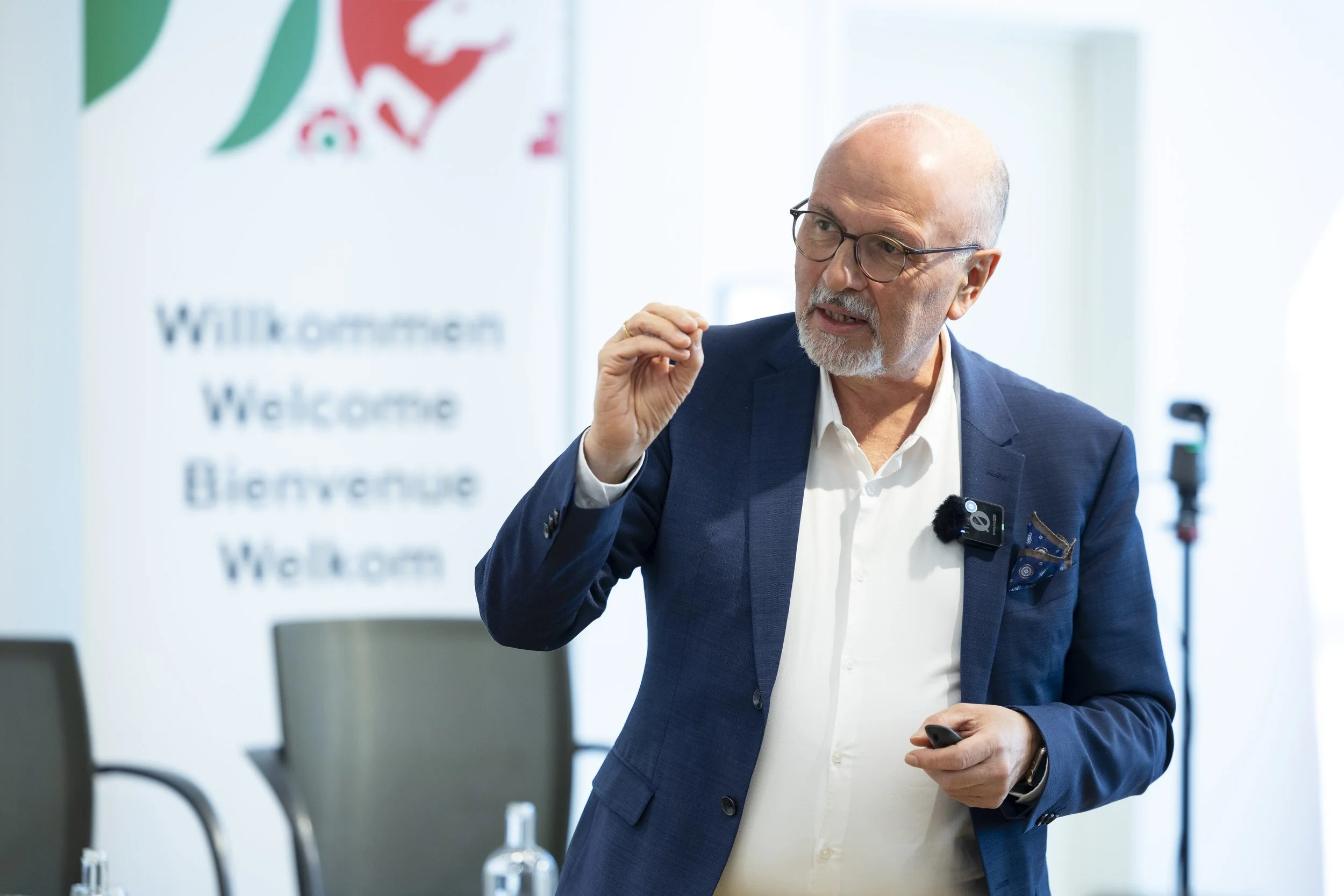
Prof. Konrad Reinhart, Founding President of the Global Sepsis Alliance and President of the Sepsis Stiftung, called for a holistic approach that links sepsis, antimicrobial resistance, and pandemic preparedness in a single, coherent policy framework, arguing for the need of high-level political engagement.
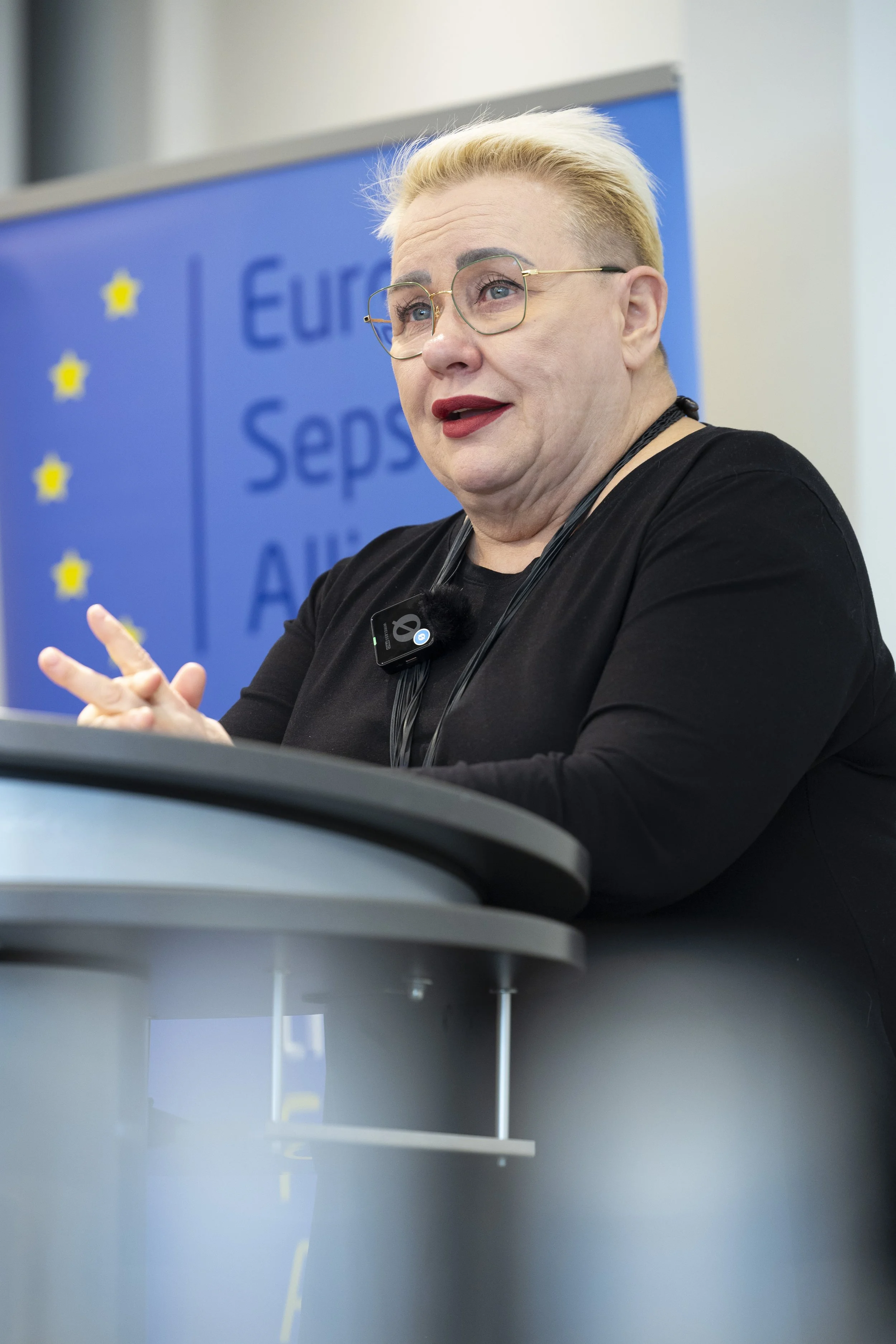
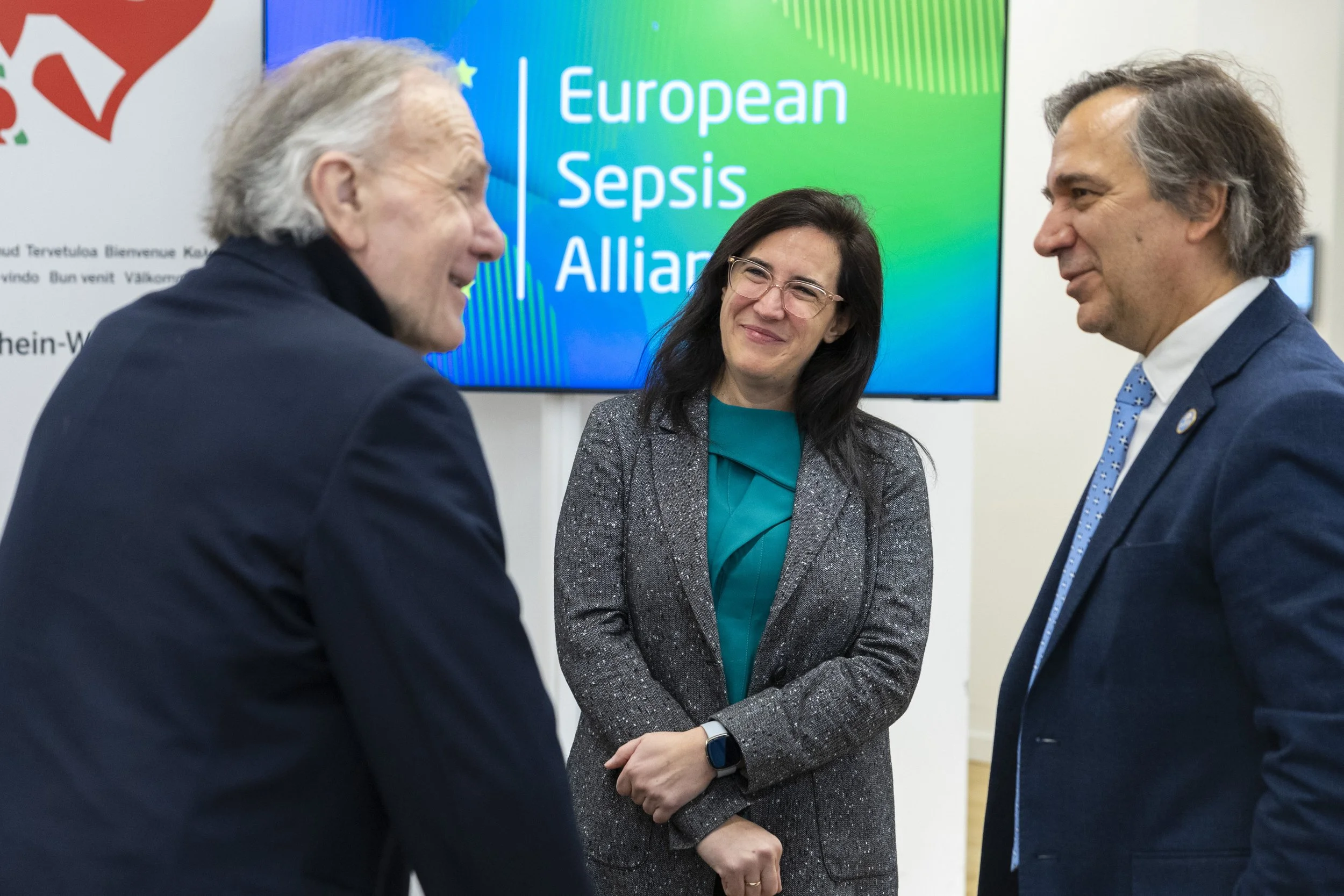
Hon. Sirpa Pietikäinen

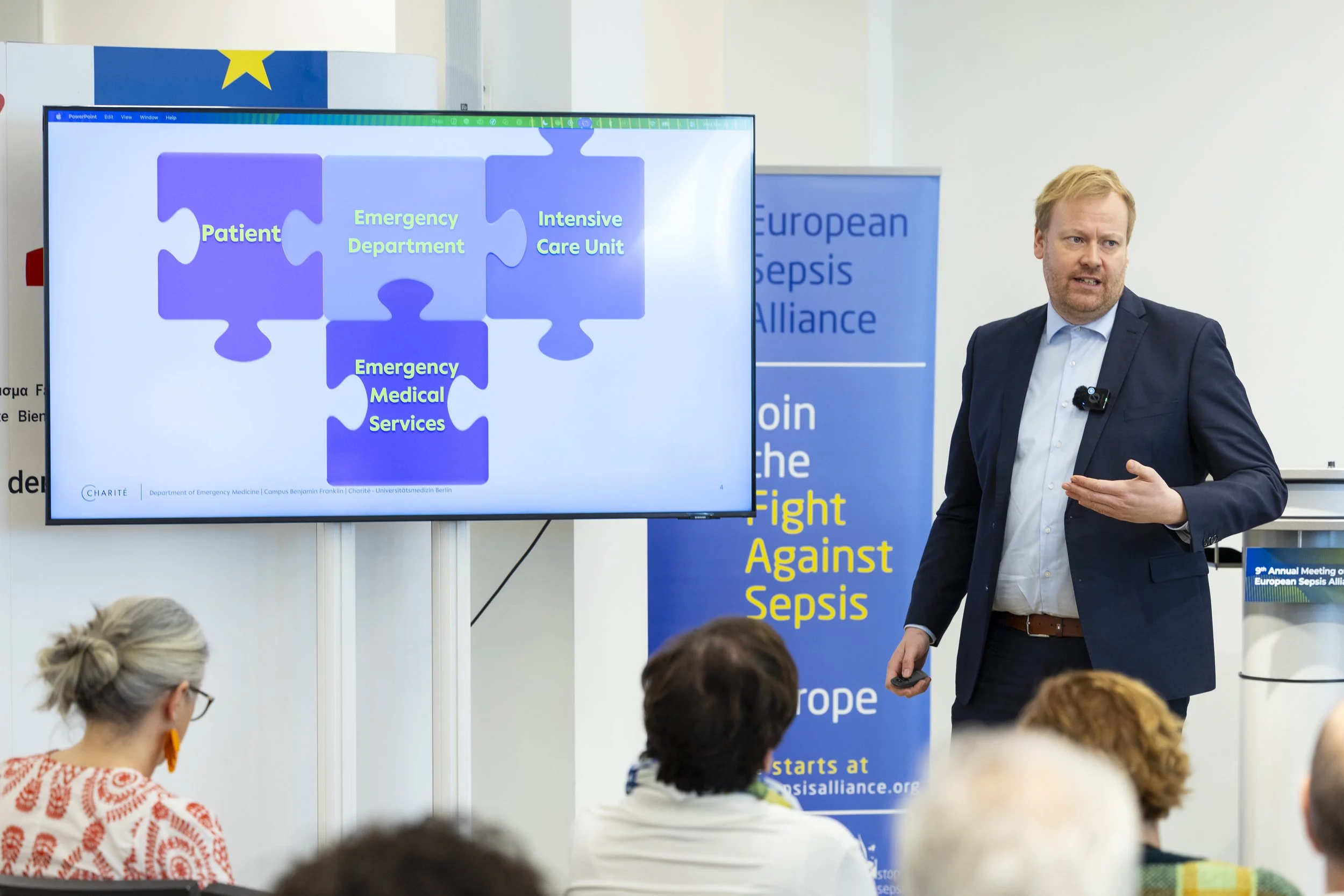
In a session moderated by Prof. Manu Malbrain, ESA Vice-Chair, six leading European clinicians and researchers shared the latest advances across the full spectrum of sepsis care — from early recognition to novel therapies. A clear thread running through the presentations was the urgency of speed: whether in microbial diagnosis or at the emergency department, both Prof. Djillali Annane and Dr. Wolfgang Bauer underlined that the window for effective intervention remains narrow and that clinical systems must be designed accordingly. Equally prominent was the expanding frontier of treatment. Dr. Ricard Ferrer and Prof. Antonio Artigas presented the evolving evidence on immunoglobulin replacement and cell therapy respectively, while Prof. Michael Bauer highlighted interferon-gamma as an emerging pathway with significant implications for how we define and predict sepsis outcomes. Prof. Elie Azoulay rounded out the session with findings on septic shock in cancer patients — a growing and often underserved population that demands dedicated clinical protocols. Together, the presentations painted a picture of a field moving rapidly, with multiple promising avenues converging on the same goal: earlier detection and more targeted, effective treatment.
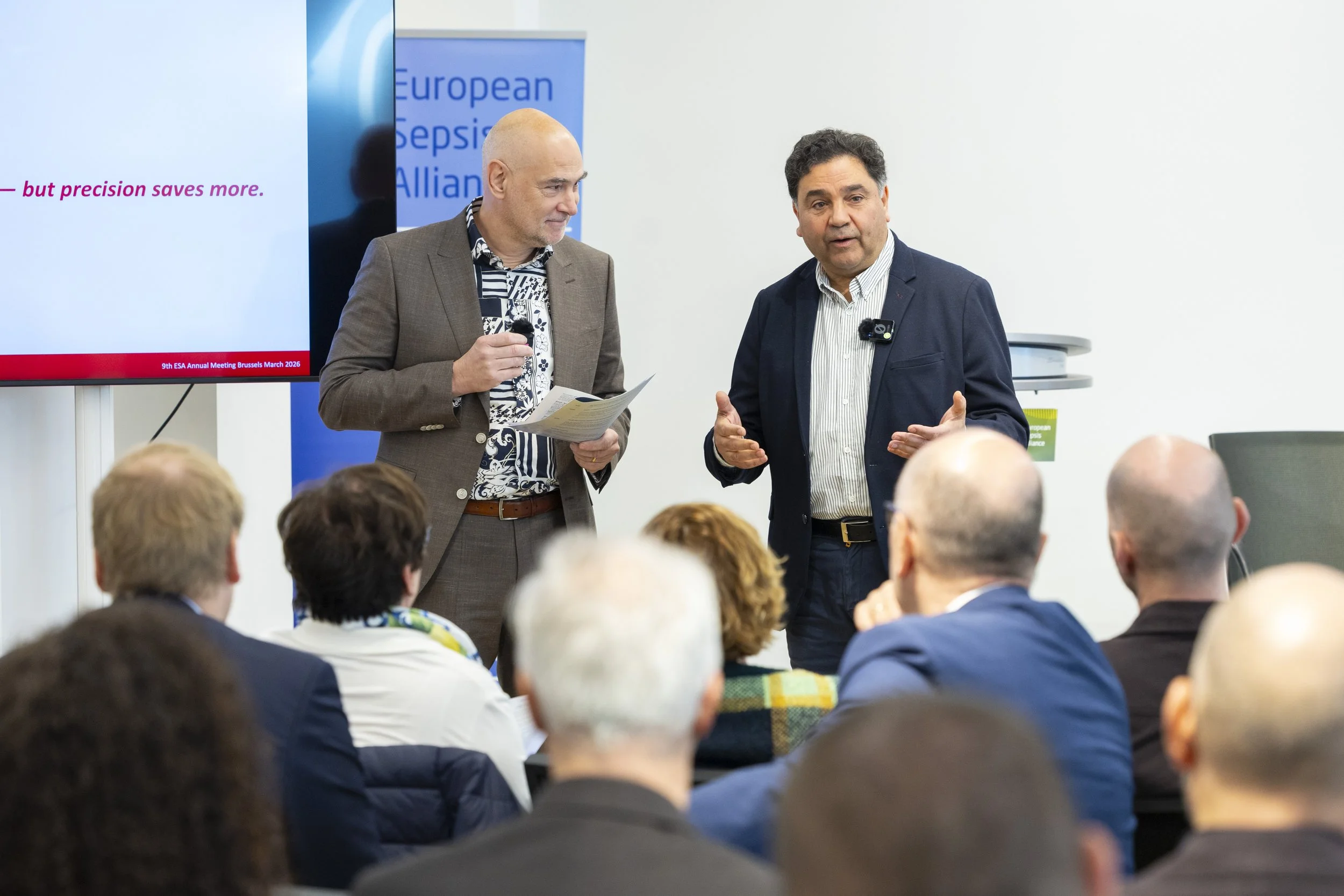
ESA Vice-Chair, Prof. Manu Malbrain, and Prof. Djillali Annane.

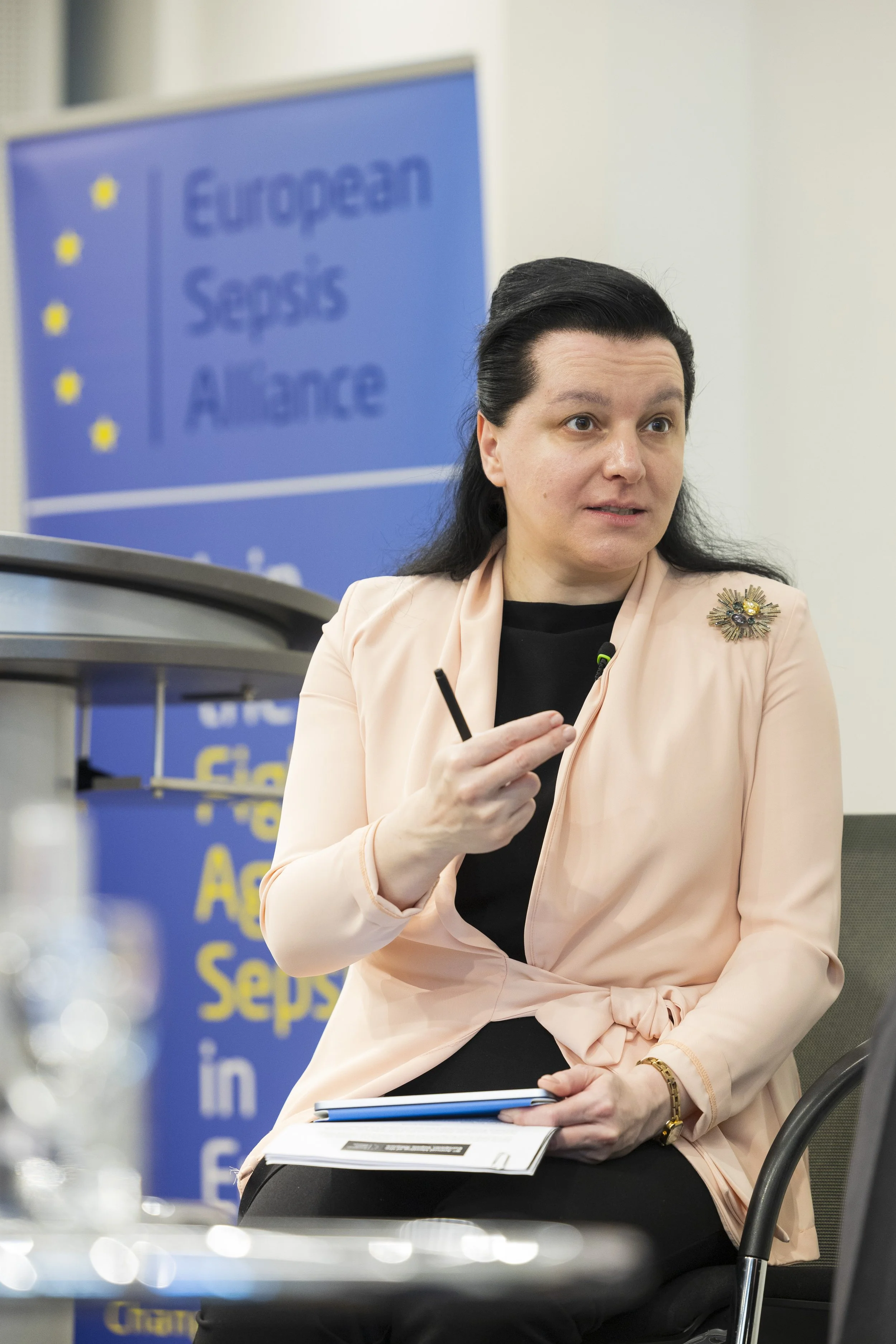
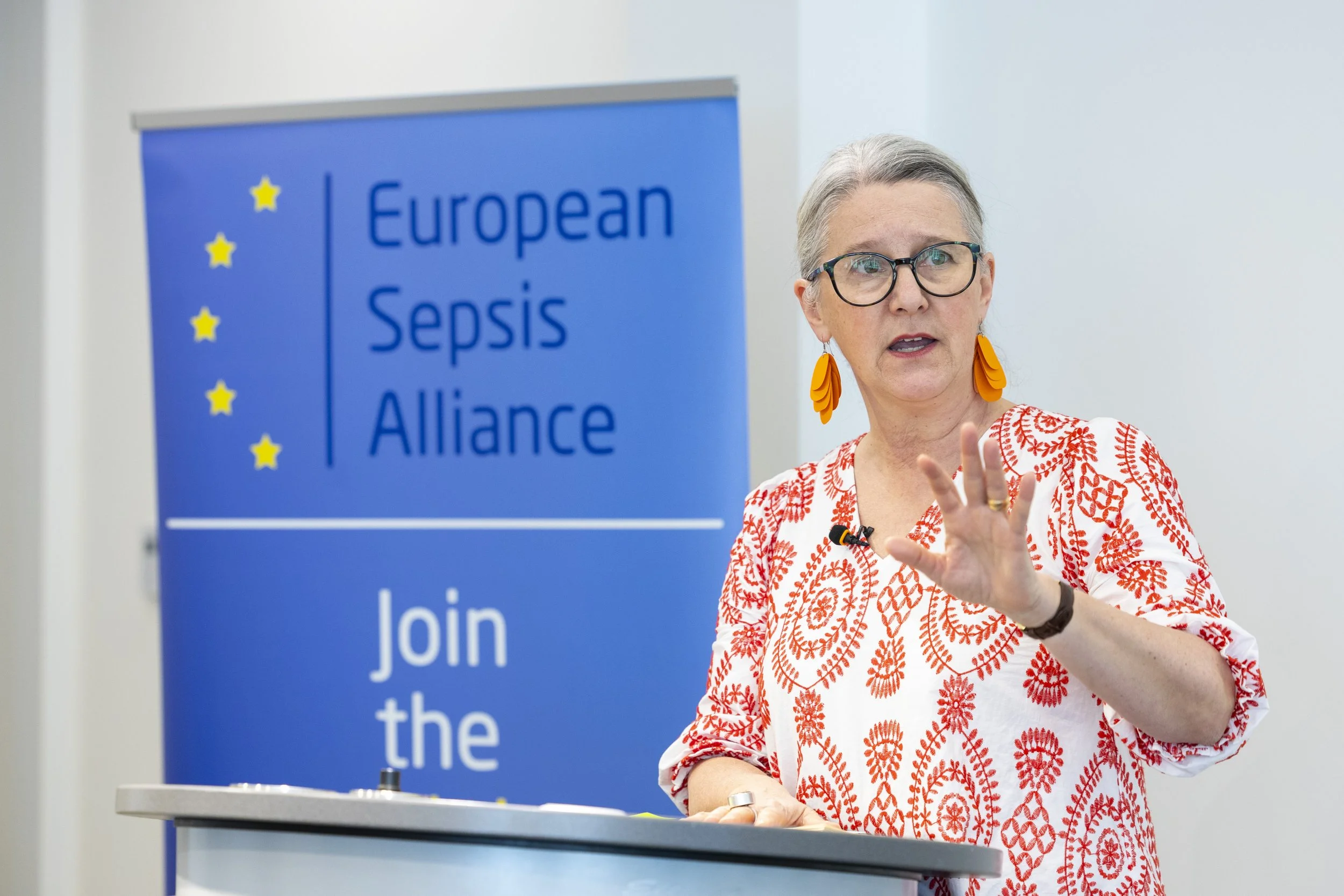
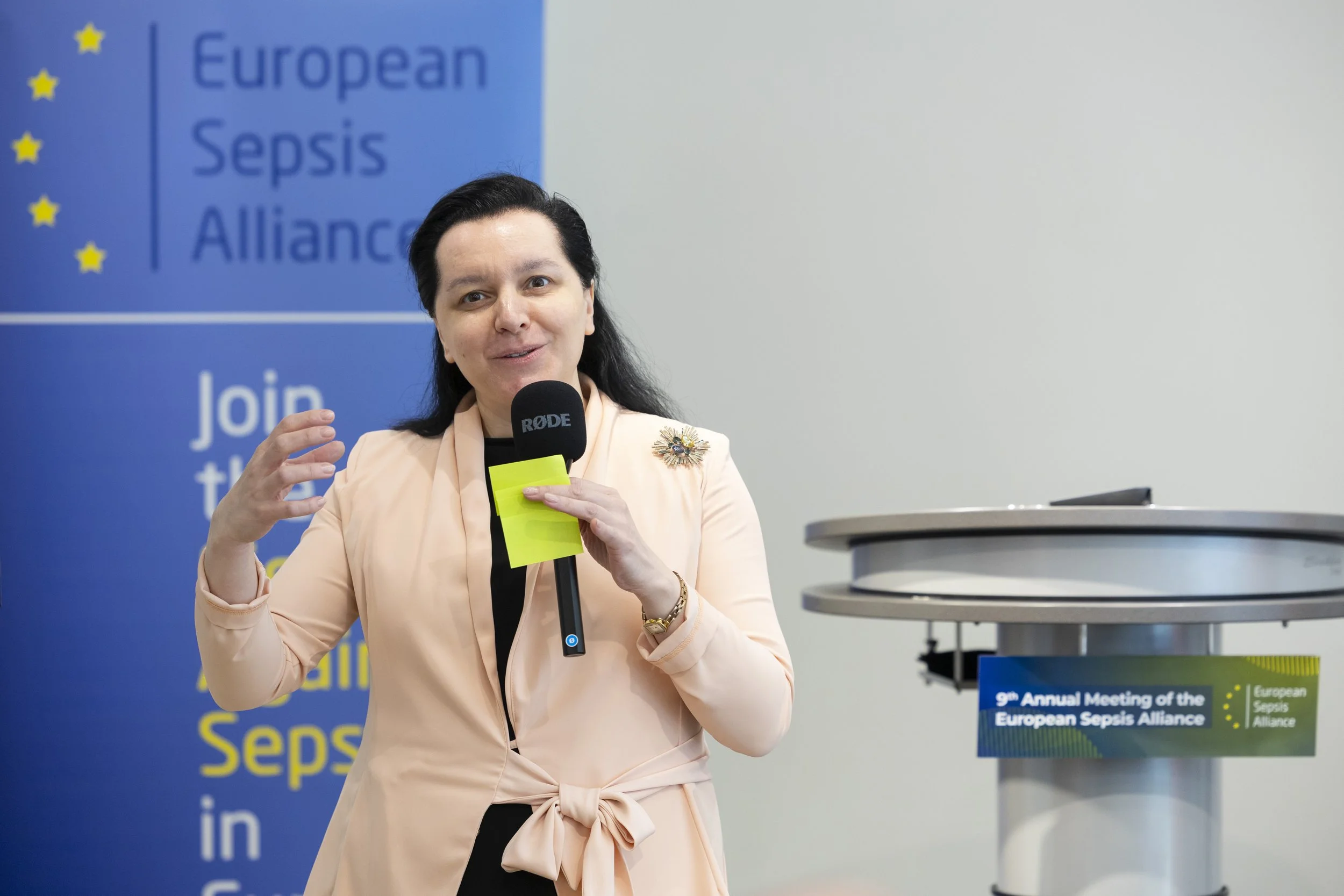
ESA Vice-Chair Ulrika Knutsson, Founder and CEO of Sepsisfonden, shared Sweden's experience in building national public awareness of sepsis, a model that has demonstrated measurable impact on recognition, population’s behaviour, and ultimately survival rates.

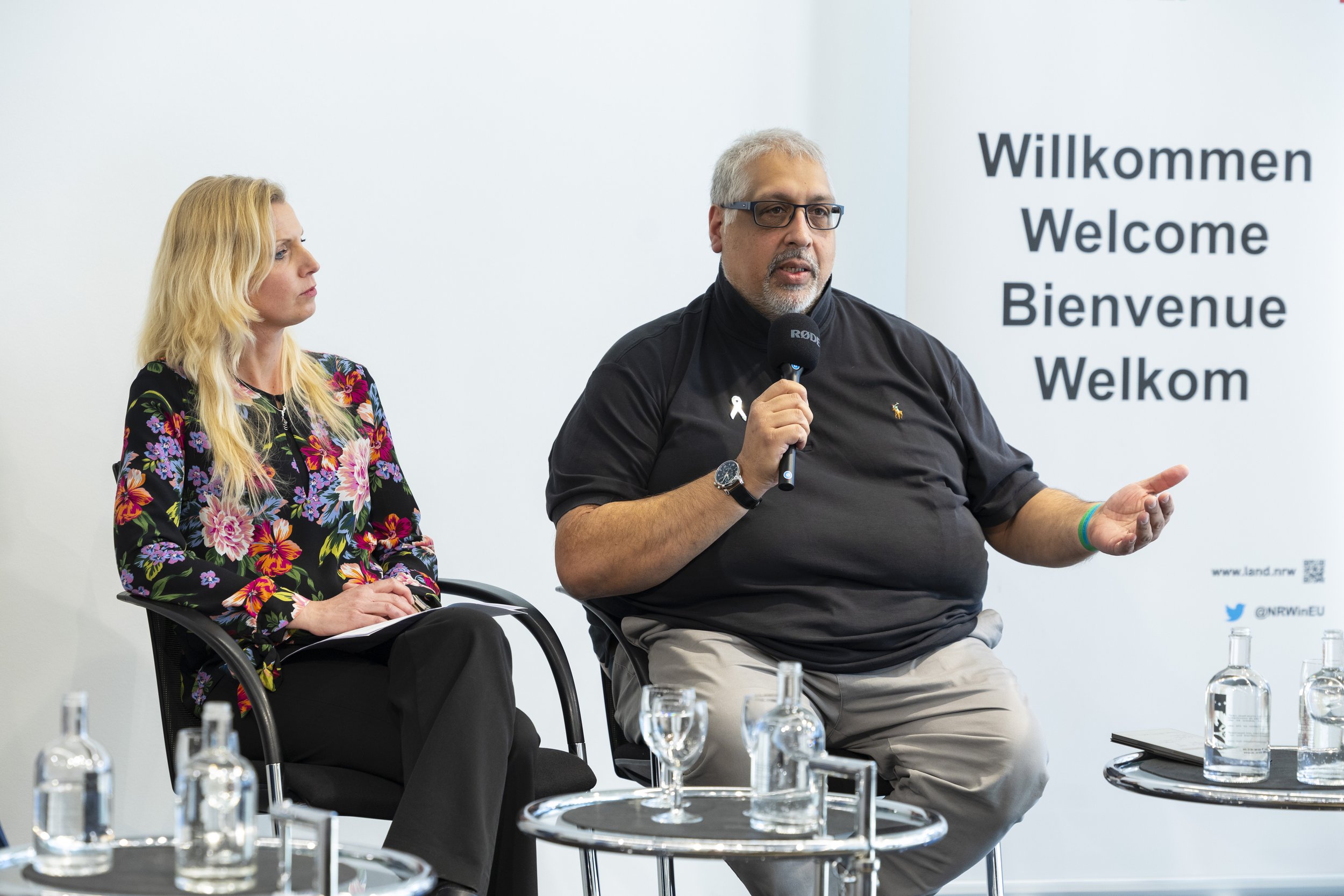
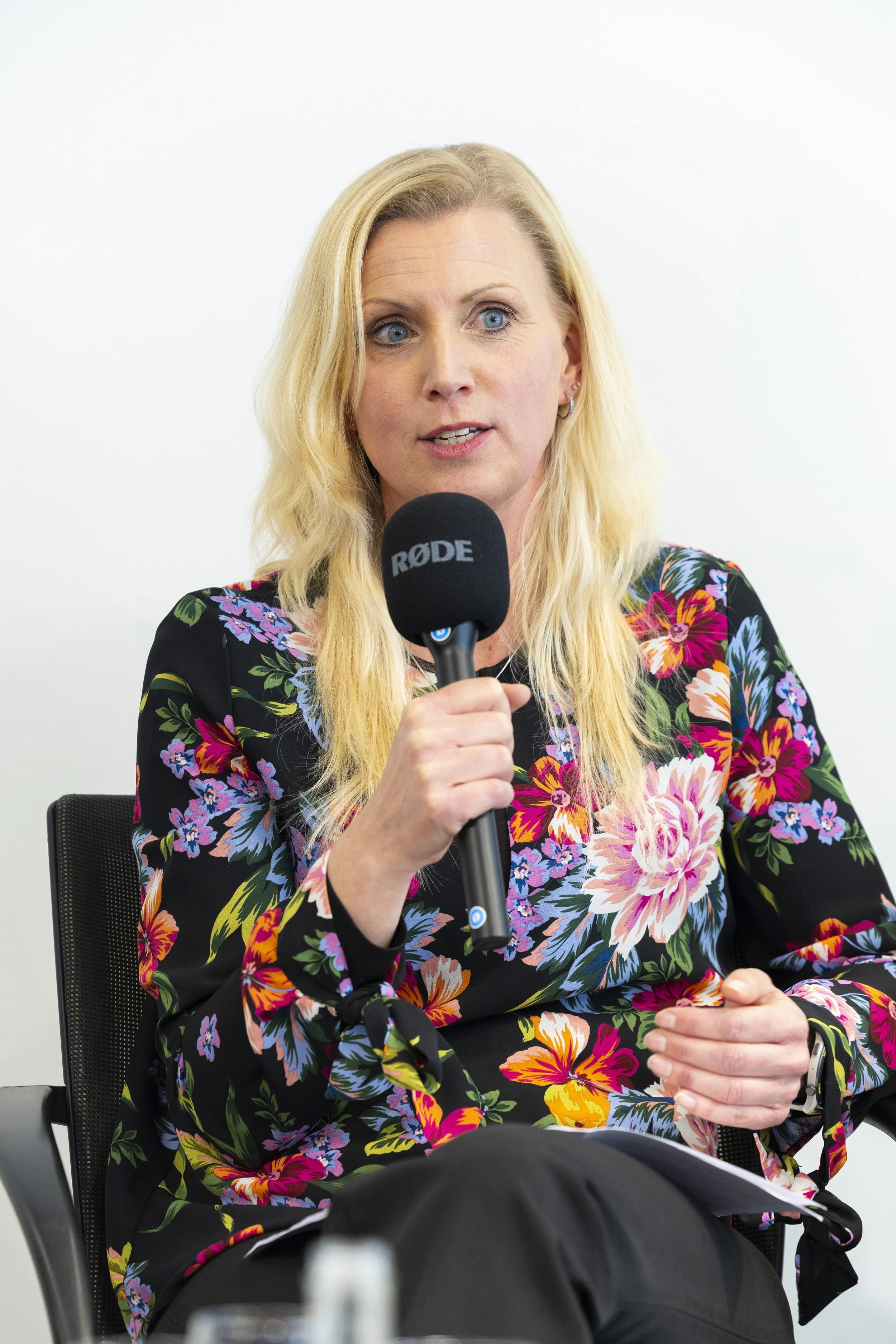
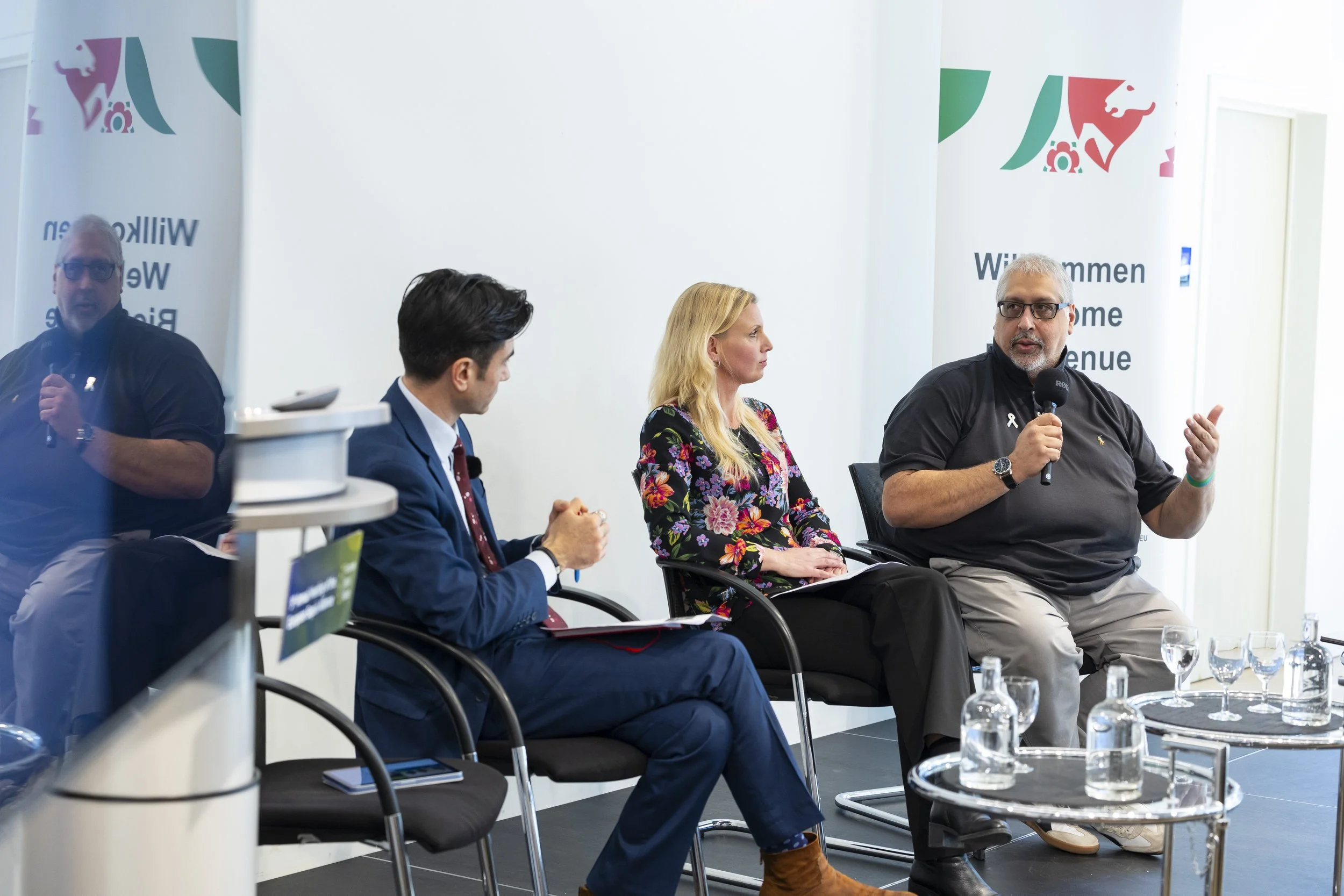
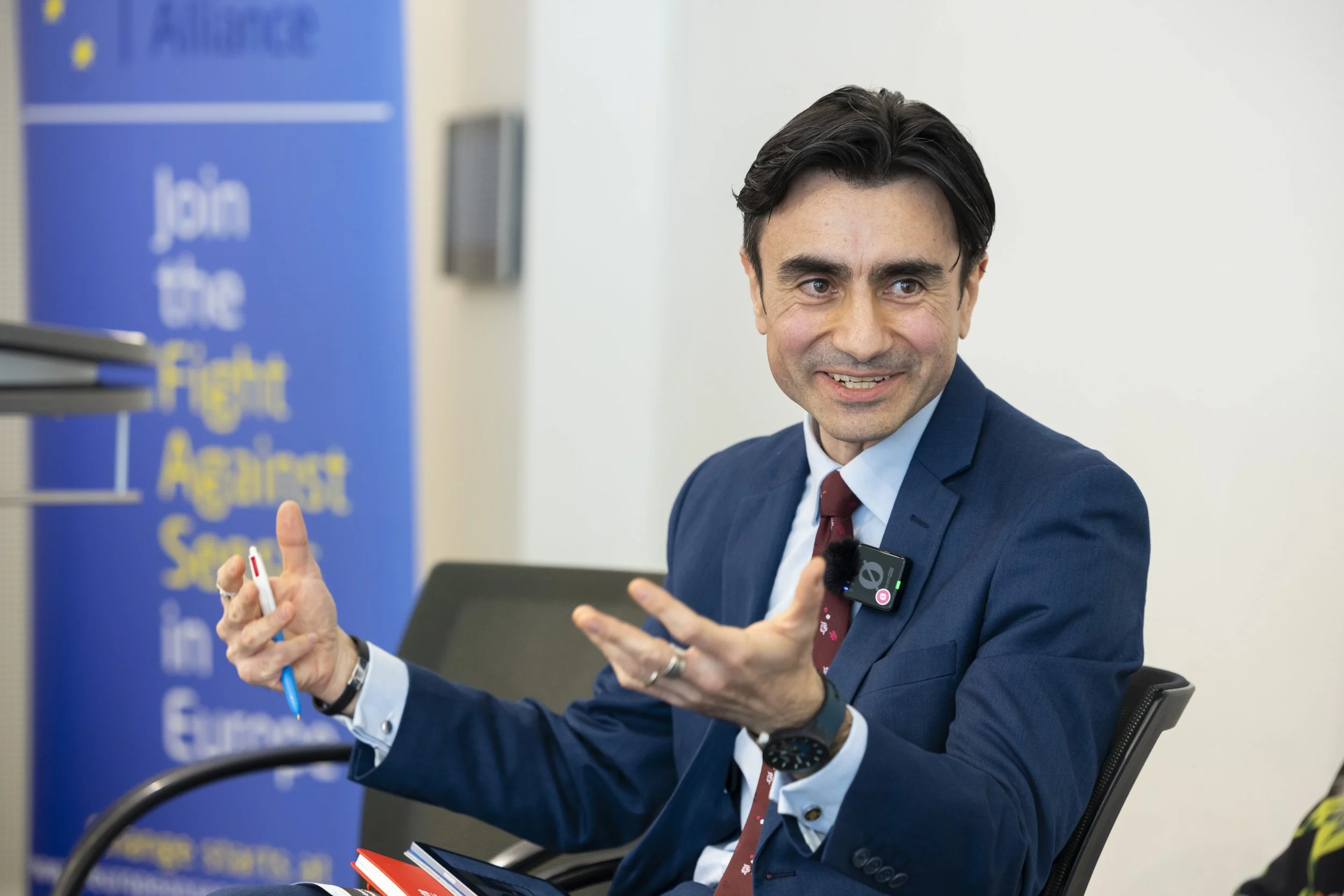
One of the most powerful segments of the day brought the human dimension of sepsis to the centre of the agenda. Moderated by Simone Mancini, Director of the European Sepsis Alliance, three advocates — Marianne Haverkamp (Spain), Nveed Chaudhary (United Kingdom), and Sinead O'Reilly (Ireland) — shared their personal journeys and the work they are doing to turn painful lived experience into lasting policy change.
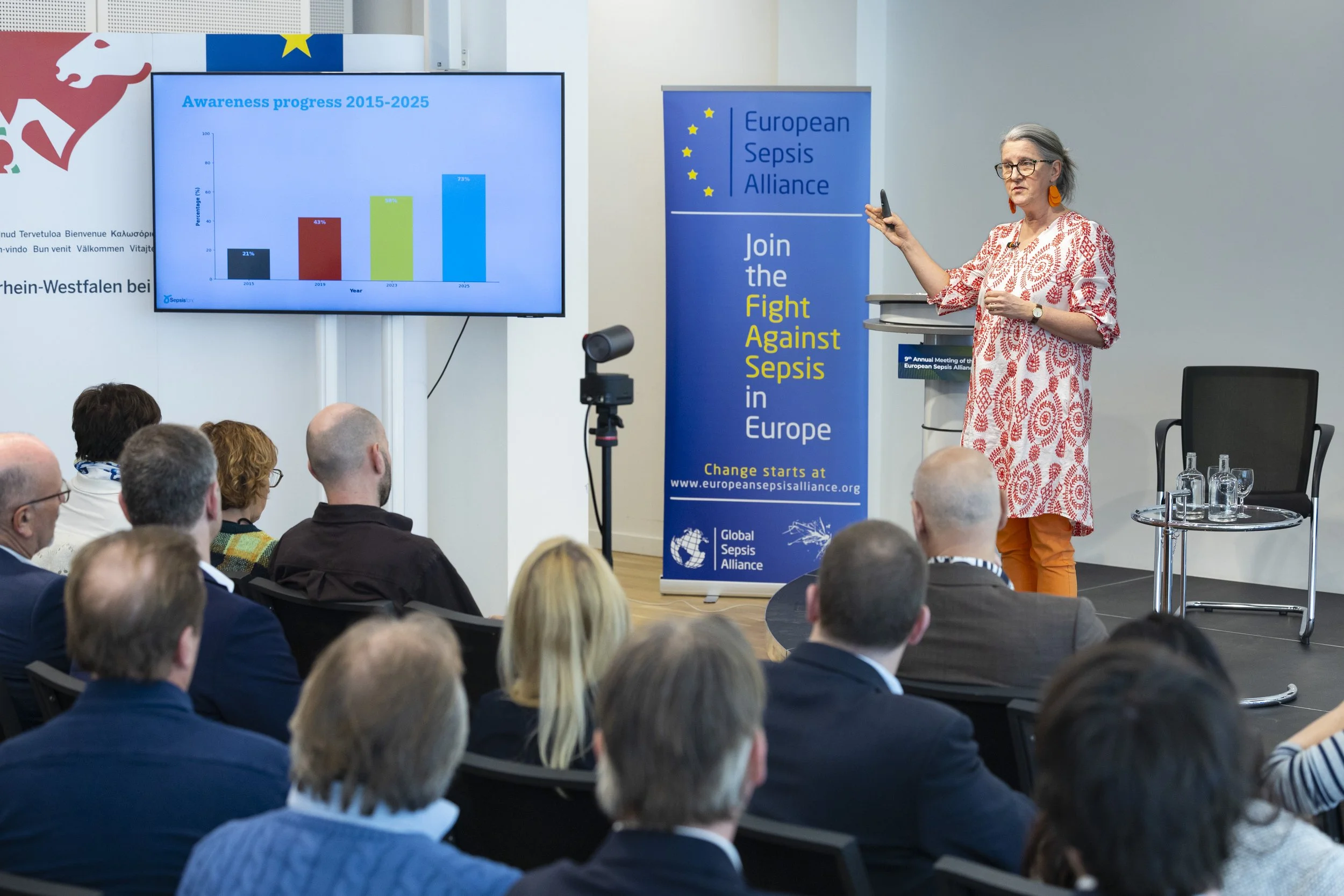
ESA Vice-Chair, Ulrika Knutsson

Moderated by Amanda Bok, Chief Partnership Officer, The Synergist, the afternoon panel placed sepsis in the context of a global health landscape under significant strain. ESICM President Prof. Jan De Waele, Executive Director of UNITE, Dr. Guilherme Gonçalves Duarte, and UK Sepsis Trust CEO, Dr. Ron Daniels, together explored the structural, political, and systemic conditions that determine whether sepsis gets the attention it deserves.

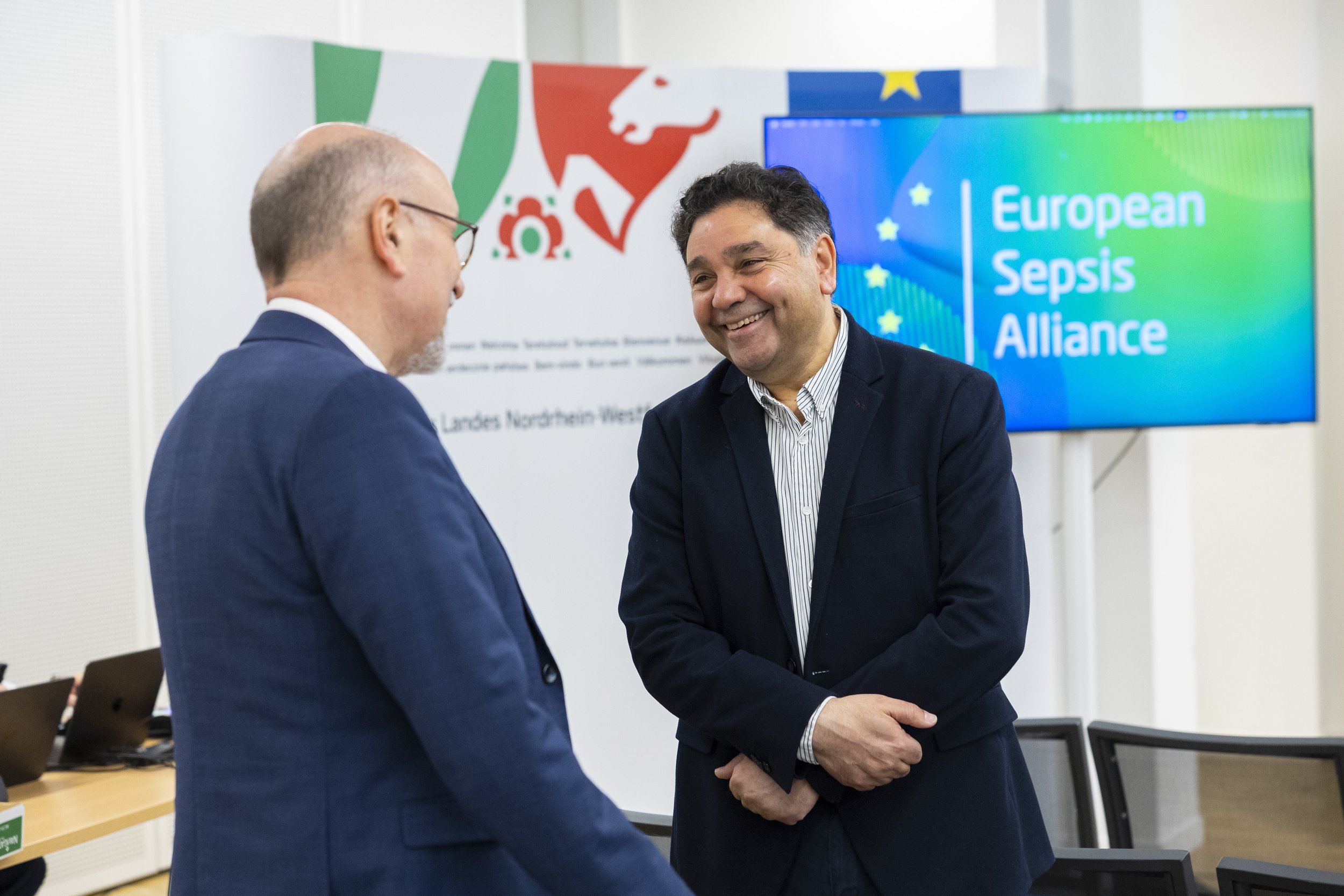
ESA Director, Simone Mancini, Marianne Haverkamp, Nveed Chaudhary

Prof. Evangelos J. Giamarellos-Bourboulis, Dr. Mariam Jashi, and Marianne Haverkamp closed the meeting with a renewed commitment to the shared agenda: advancing European and national sepsis plans grounded in awareness, education, early detection, research, and meaningful support for survivors and families.

The European Sepsis Alliance will continue its engagement with policymakers across Europe, building on the momentum of this meeting to ensure that the Call to Action translates into the concrete, funded, and measurable action that the scale of the sepsis crisis demands.
Simone Mancini
Recording Now Available: Official WHA79 Side Event: Protecting 26 Million Women and 20 Million Children from Sepsis

Update May 21: The recording is now available, embedded above or using the same link on YouTube. Unfortunately, we had an audio issue at the beginning – audio is normal starting at 00:12:00. Our sincere apologies.


We are now live from Geneva with our official WHA79 Side Event on Sepsis – you can join us via the free YouTube livestream, including the option to chat live.

The event recording will be available at the same URL immediately after the livestream has concluded.


The Global Sepsis Alliance is honored to join its strategic partner, the Medical Women’s International Association (MWIA), in convening a high-level official side event on Sepsis during the 79th World Health Assembly (WHA79) in Geneva for the second time.

Titled “Protecting 26 Million Women and 20 Million Children from Sepsis – A Global Health Imperative,” the official WHA79 side event will take place on Thursday, May 21, 2026, from 18:00 to 19:30 CEST in Room XI at the Palais des Nations in Geneva.

The event will bring together health ministers, representatives of international organizations, clinicians, advocates, parliamentarians, and global health leaders to strengthen political commitment and accelerate action against sepsis worldwide, especially for protecting newborns, children, and women.

Co-organizers of the event include Women in Global Health, the World Federation of Societies of Anesthesiologists (WFSA), the International Federation of Medical Students’ Associations (IFMSA), Egypt, and Georgia.

The event is co-sponsored by prominent global health partners, including the Laerdal Foundation, the UNITE Parliamentarians Network for Global Health, the Virchow Foundation, the Sepsis Stiftung, the UK Sepsis Trust (UKST), the Sepsis Trust New Zealand, the Swiss Sepsis Program (SSP), the African Sepsis Alliance (ASA), the European Sepsis Alliance (ESA), and the Eastern Mediterranean Sepsis Alliance (EMSA), as well as national associations of Medical Women from Egypt, Georgia, and the United States.


Why Sepsis?

Sepsis remains a leading cause of death and disability worldwide, affecting an estimated 48.9 million people annually, including 26 million women and 20 million children under the age of five. Sepsis accounts for 1 in every 5 deaths globally, claiming the lives of 2.9 million children each year and remaining as the third leading cause of maternal mortality.

 Women and children living in low-resource settings – both in low- and middle-income countries, as well as socially disadvantaged populations in high-income countries – are disproportionately affected. Furthermore, more than 360 million people affected by man-made or climate emergencies, humanitarian crises, and displacement due to man-made or climate emergencies, primarily women and children, face increased risks of sepsis. Finally, building on the lessons learned from the COVID-19 pandemic, during which 78% of ICU patients experienced viral sepsis, future pandemics are also likely to further increase the global burden of sepsis.

Without significant political commitment, research and resource investments into national, regional and global Sepsis responses, achieving the health-related 2030 Sustainable Development Goals (SDGs) will not be feasible – particularly those related to maternal, newborn and child health, as well as aspirations towards Universal Health Coverage (UHC).


Featured Speakers

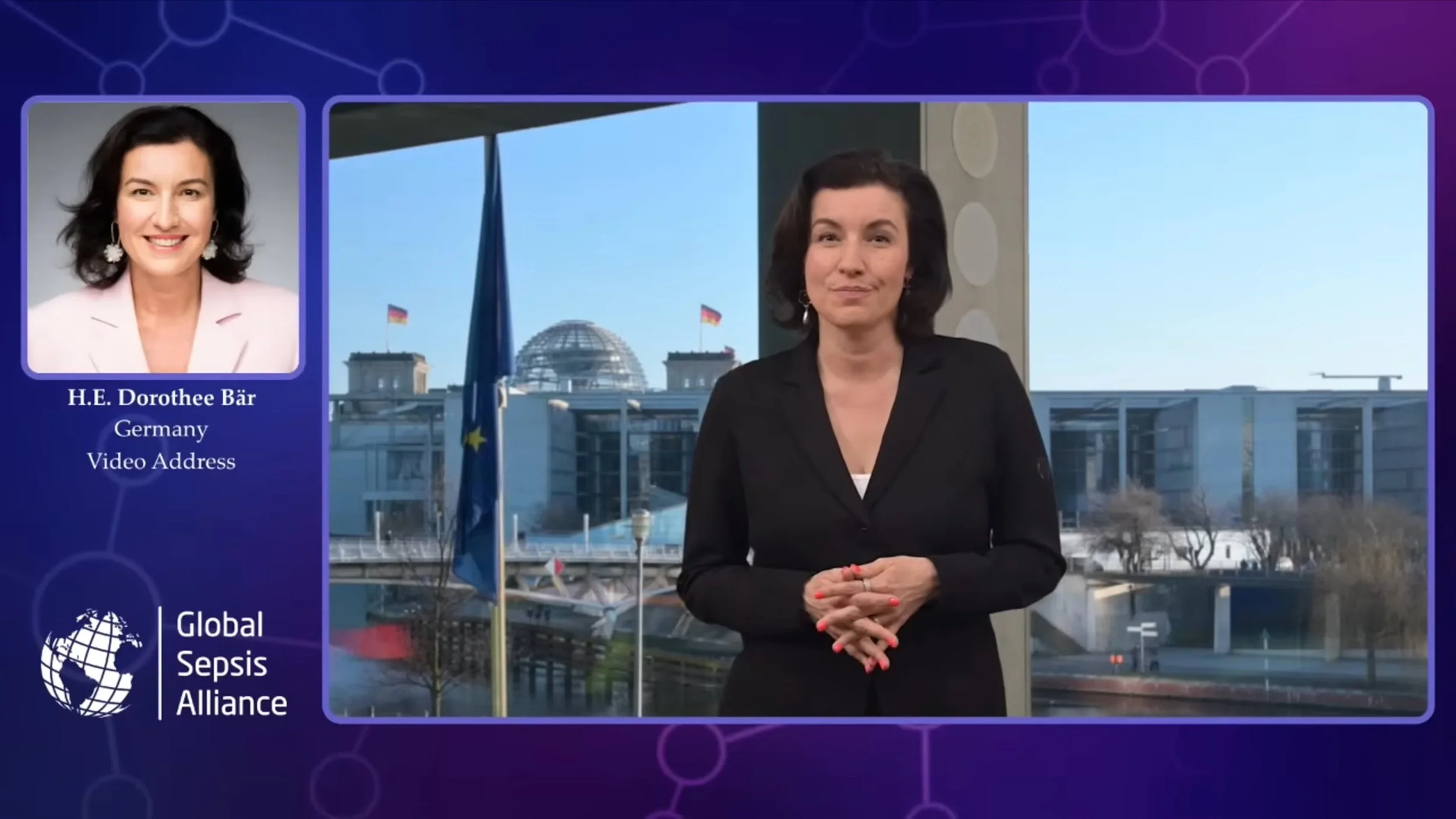
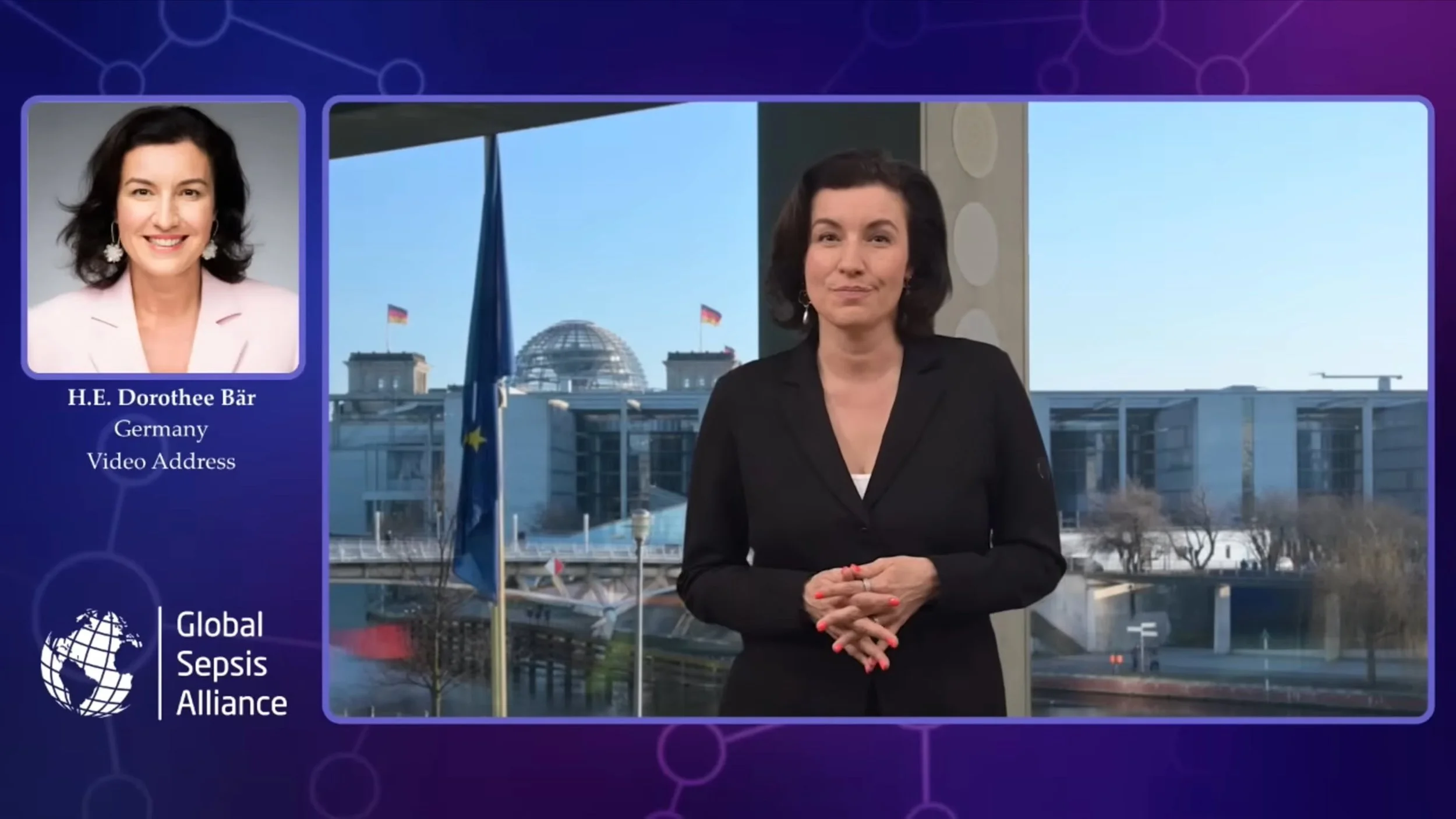
The program will feature high-level opening remarks from global health leaders and policymakers, including special addresses by Dorothee Bär, Federal Minister of Research, Technology, and Space of Germany; H.E. Dr. Irakli Sasania - First Deputy Minister of IDPs from the Occupied Territories, Labor, Health and Social Affairs of Georgia, and H.E. Dr. Abla El-Alfy, Deputy Minister of Health for Population and Family Development of Egypt.

Featured speakers include Tore Laerdal, Executive Director, Laerdal Foundation; Hon. Ricardo Baptista Leite, President of the UNITE Parliamentarians Network for Global Health; Dr. Amany Asfour, President of the Medical Women’s International Association and Co-chair of Health Committee, National Council of Women of Egypt; Hannah Wu – Chief of Women’s Rights and Gender Section at the Office of the UN High Commissioner for Human Rights, and Prof. Konrad Reinhart, Founding President of the Global Sepsis Alliance. The meeting will be chaired by Hon. Mariam Jashi, CEO of the Global Sepsis Alliance, former Parliamentarian and Deputy Minister of Health of Georgia.

You will also have the opportunity to hear the perspectives from the World Health Organization, international medical associations, parliamentarians, youth representatives, and Sepsis advocates.

Healthcare professionals, policymakers, researchers, advocates, students, and partners attending the World Health Assembly in Geneva are warmly invited to participate in person.

Marvin Zick
Webinar Series: Antibiotic Stewardship in the Critically-Ill – June 4 and 17, 2026

The European Sepsis Alliance webinar series on antibiotic stewardship in critically-ill patients will bring together leading international experts to discuss the latest evidence, practical implementation strategies, and real-world clinical challenges in antimicrobial stewardship.

Across two live sessions on June 4 and June 17, participants will explore topics including biomarker-guided stewardship, bedside implementation, behavioral and human factors that influence protocol adherence, and emerging research that will shape future practice.

The webinars will feature expert presentations, case-based discussions, and interactive live Q&A sessions with internationally recognized specialists in intensive care, infectious diseases, and sepsis care.


Free Registration

Please register on the website of the European Sepsis Alliance:


CME Credits

Application for CME accreditation has been submitted to the European Accreditation Council for Continuing Medical Education. Approval is pending. We will update this page once we hear more.


Sponsored by Thermo Fisher Scientific

This webinar is kindly supported by Thermo Fisher Scientific, whom we sincerely thank for their continued support. Sponsors do not influence the choice of speakers or the content of the webinar in any way.


Marvin Zick
Dr. Jashi Calls on WHA79 to Prioritize Sepsis in Pandemic Agreement

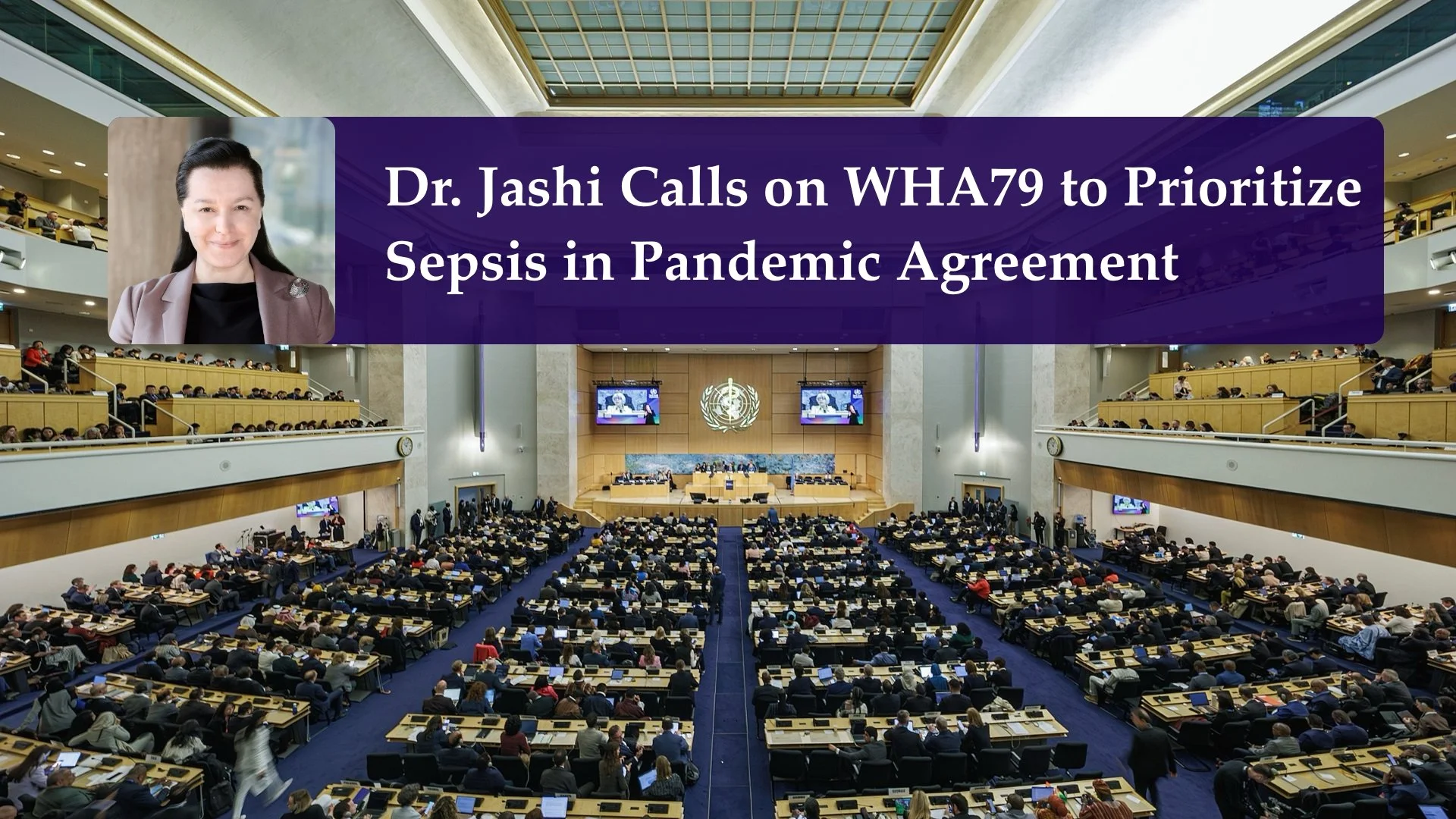
Yesterday, May 18, at the World Health Assembly (WHA) in Geneva, the CEO of the Global Sepsis Alliance (GSA), Dr. Mariam Jashi, called for stronger recognition of sepsis within the evolving global health emergency preparedness architecture.

Addressing ongoing negotiations around the Pandemic Agreement, GSA emphasized that sepsis remains a major but underrecognized consequence of infectious disease outbreaks and pandemics. Drawing on lessons from COVID-19 — during which 78% of intensive care patients developed sepsis — the intervention highlighted the urgent need to integrate sepsis prevention and management into future pandemic preparedness and response frameworks.

The statement called for stronger global efforts in risk communication, surveillance, workforce capacity building, and investment in research and innovation, including vaccines, antimicrobial therapies, diagnostics, and pathogen-agnostic immunology approaches.

Through its engagement at WHA, GSA continues to advocate for sepsis to become a visible and prioritized component of global health policy discussions and emergency preparedness strategies.

Simone Mancini
Register for the Official WHA79 Side Event: Protecting 26 Million Women and 20 Million Children from Sepsis – May 21, Palais des Nations, Geneva

The Global Sepsis Alliance is honored to join its strategic partner, the Medical Women’s International Association (MWIA), in convening a high-level official side event on Sepsis during the 79th World Health Assembly (WHA79) in Geneva for the second time.

Titled “Protecting 26 Million Women and 20 Million Children from Sepsis – A Global Health Imperative,” the official WHA79 side event will take place on Thursday, May 21, 2026, from 18:00 to 19:30 CEST in Room XI at the Palais des Nations in Geneva.

The event will bring together health ministers, representatives of international organizations, clinicians, advocates, parliamentarians, and global health leaders to strengthen political commitment and accelerate action against sepsis worldwide, especially for protecting newborns, children, and women.

Co-organizers of the event include Women in Global Health, the World Federation of Societies of Anesthesiologists (WFSA), the International Federation of Medical Students’ Associations (IFMSA), Egypt, and Georgia.

The event is co-sponsored by prominent global health partners, including the Laerdal Foundation, the UNITE Parliamentarians Network for Global Health, the Virchow Foundation, the Sepsis Stiftung, the UK Sepsis Trust (UKST), the Sepsis Trust New Zealand, the Swiss Sepsis Program (SSP), the African Sepsis Alliance (ASA), the European Sepsis Alliance (ESA), and the Eastern Mediterranean Sepsis Alliance (EMSA), as well as national associations of Medical Women from Egypt, Georgia, and the United States.


Why Sepsis?

Sepsis remains a leading cause of death and disability worldwide, affecting an estimated 48.9 million people annually, including 26 million women and 20 million children under the age of five. Sepsis accounts for 1 in every 5 deaths globally, claiming the lives of 2.9 million children each year and remaining as the third leading cause of maternal mortality.

 Women and children living in low-resource settings – both in low- and middle-income countries, as well as socially disadvantaged populations in high-income countries – are disproportionately affected. Furthermore, more than 360 million people affected by man-made or climate emergencies, humanitarian crises, and displacement due to man-made or climate emergencies, primarily women and children, face increased risks of sepsis. Finally, building on the lessons learned from the COVID-19 pandemic, during which 78% of ICU patients experienced viral sepsis, future pandemics are also likely to further increase the global burden of sepsis.

Without significant political commitment, research and resource investments into national, regional and global Sepsis responses, achieving the health-related 2030 Sustainable Development Goals (SDGs) will not be feasible – particularly those related to maternal, newborn and child health, as well as aspirations towards Universal Health Coverage (UHC).


Featured Speakers

The program will feature high-level opening remarks from global health leaders and policymakers, including special addresses by Dorothee Bär, Federal Minister of Research, Technology, and Space of Germany; H.E. Dr. Irakli Sasania - First Deputy Minister of IDPs from the Occupied Territories, Labor, Health and Social Affairs of Georgia, and H.E. Dr. Abla El-Alfy, Deputy Minister of Health for Population and Family Development of Egypt.

Featured speakers include Tore Laerdal, Executive Director, Laerdal Foundation; Hon. Ricardo Baptista Leite, President of the UNITE Parliamentarians Network for Global Health; Dr. Amany Asfour, President of the Medical Women’s International Association and Co-chair of Health Committee, National Council of Women of Egypt; Hannah Wu – Chief of Women’s Rights and Gender Section at the Office of the UN High Commissioner for Human Rights, and Prof. Konrad Reinhart, Founding President of the Global Sepsis Alliance. The meeting will be chaired by Hon. Mariam Jashi, CEO of the Global Sepsis Alliance, former Parliamentarian and Deputy Minister of Health of Georgia.

You will also have the opportunity to hear the perspectives from the World Health Organization, international medical associations, parliamentarians, youth representatives, and Sepsis advocates.

Healthcare professionals, policymakers, researchers, advocates, students, and partners attending the World Health Assembly in Geneva are warmly invited to participate in person.


Register before May 16 to Attend In-Person

Please note that access to the Palais des Nations during the World Health Assembly is strictly controlled.

Participants Already Registered for WHA79

Delegates officially registered for the 79th World Health Assembly as representatives of Member States, non-State actors, United Nations agencies, intergovernmental organizations, or other accredited organizations, and holding a valid WHA79 badge, may attend the event directly and are warmly invited to register in advance. WHA79 badges provide access to official side events at both the WHO Headquarters and the Palais des Nations.

Participants Without a WHA79 Badge

A limited number of special guest badges are available for participants who are not officially accredited to the World Health Assembly and wish to attend this official WHA79 side event. These badges are issued through the WHO Secretariat specifically for this official WHA79 side event and are subject to availability.

If you do not already hold a WHA79 delegate badge, kindly complete the registration form as soon as possible before May 16, 2026, to request a special guest pass. Please note that submitting the form does not automatically guarantee access. Confirmation and further instructions will be shared with selected participants ahead of the event.

Special guest badges:

  • are valid only for this specific side event

  • are valid only on the day of the event

  • do not provide access to official WHA plenary or committee sessions.

Approved participants will be required to collect their badges at the WHO Headquarters distribution desk on the day of the event before proceeding to the Palais des Nations. Badge collection for evening side events beginning at 18:00 opens from 15:00 onwards. Participants are kindly requested to allow sufficient time for badge collection, shuttle transportation, and security screening procedures at both the WHO Headquarters and the Palais des Nations.

Update May 17: Registration is now closed. We are working on making virtual participation possible for those who can't attend in person.
Marvin Zick
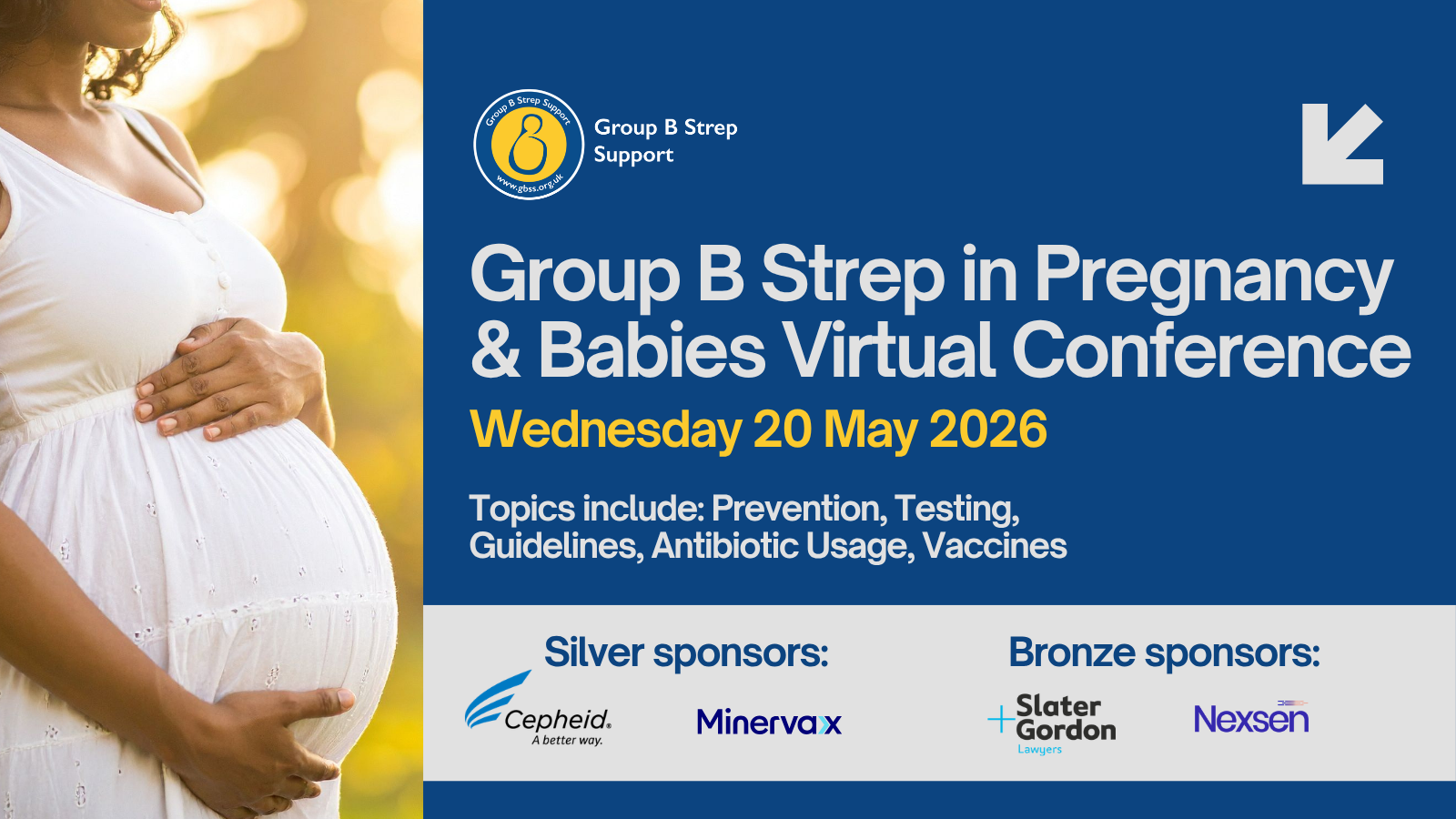
2026 Group B Strep in Pregnancy & Babies Virtual Conference – May 20, 2026

Next week, on Wednesday, May 20, 2026, our friends and colleagues from Group B Strep Support will host the “Group B Strep in Pregnancy & Babies Virtual Conference”.

Group B Strep is the leading cause of severe infection in newborn babies in the UK. Our 2026 Group B Strep in Pregnancy & Babies virtual conference will bring together leading experts to share their expertise on group B Strep, prevention policies, testing options, antibiotic usage, and the progress towards a vaccine.

The conference is for all health professionals interested in group B Strep and working in maternity/neonatal care, including Obstetricians, Microbiologists, Midwives, Neonatologists, Public Health Specialists, GPs, and Pediatricians.

The event brings together experienced speakers who are experts in their field. Further details and biographies can be found on the speaker profile page.

Marvin Zick
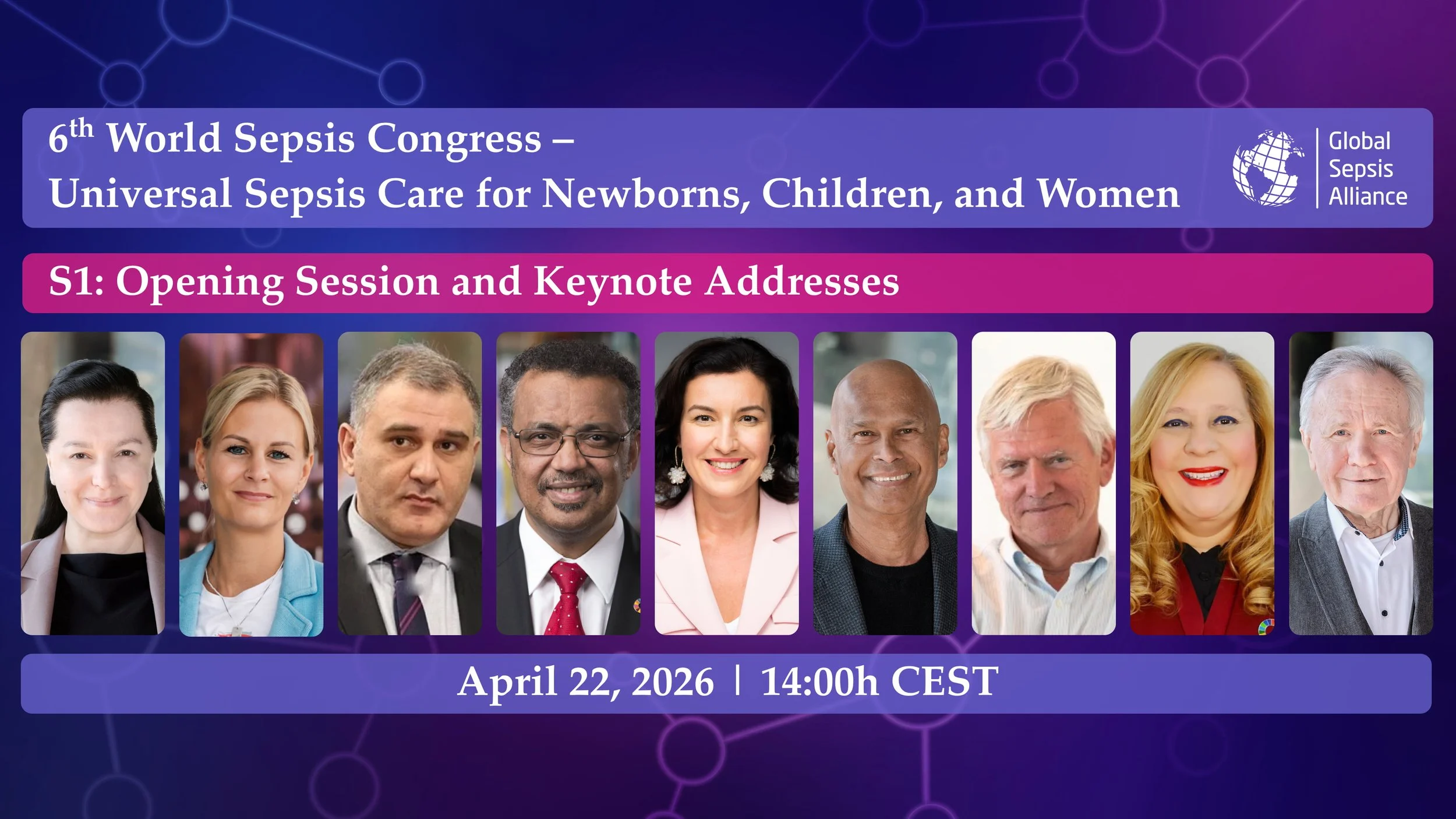
Dorothee Bär Calls for Global Action on Maternal and Newborn Sepsis at 6th World Sepsis Congress

In the Opening Session of the 6th World Sepsis Congress, Dorothee Bär, Federal Minister of Research, Technology, and Space of Germany, delivered a deeply personal and impactful address, underscoring the urgent global challenge of sepsis, particularly among newborns, children, and mothers.

Speaking as both a policymaker and a mother of three, she emphasized the profound tragedy of preventable deaths from sepsis, noting that while knowledge and effective treatments exist, they too often fail to reach those most in need. She highlighted Germany’s long-standing commitment to sepsis research through targeted funding programs focused on infection control, neonatal care, and the translation of research into clinical practice, even in remote settings.

Minister Bär stressed the importance of early detection, rapid response, and equitable access to care worldwide. She also pointed to the growing threat of antimicrobial resistance, warning that it could further exacerbate the dangers of sepsis if left unaddressed. In response, she reaffirmed Germany’s commitment to international collaboration, particularly through initiatives such as the STAIRS network, which aims to strengthen research capacity, training, and healthcare infrastructure in partner regions.

Reflecting on lessons from the COVID-19 pandemic, she called for continued global cooperation in science and research to protect vulnerable populations and improve outcomes.

We extend our heartfelt thanks to Minister Bär for her thoughtful and compassionate remarks and for her continued support of global efforts to combat sepsis. Her commitment to advancing research, fostering international partnerships, and ensuring that life-saving knowledge reaches every corner of the world is both encouraging and essential.

Marvin Zick
Watch All Sessions From the 6th World Sepsis Congress on Demand

The 6th World Sepsis Congress concluded – thank you so much for joining last week. You can watch the recordings of all 15 sessions here on the congress website, here on our YouTube Channel, or in the YouTube app (just search for World Sepsis Congress).

We’d really value your feedback on the 6th World Sepsis Congress. It only takes about 3 minutes, is completely anonymous, and helps us understand what worked well and where we can improve. Your input directly shapes future congresses, so if you can spare a moment, please take our survey.


Over two days, 90 leading experts, frontline clinicians, researchers, policymakers, sepsis survivors, and advocates from around the world shared state-of-the-art knowledge, evidence, innovations, and lived experiences. Together, examined what works: from community-based prevention to hospital-based critical care, and where critical gaps remain. We highlighted scalable solutions, explored the role of digital health and artificial intelligence, and forged practical pathways to reduce preventable deaths among newborns, children, and women.

Additionally, the congress featured two panel discussions, one featuring the voices of women, children, and families, and another focusing on emergency, critical, and operative care (ECO) pathways in mother-child settings.

Marvin Zick