
Sepsis Can Happen to Anyone
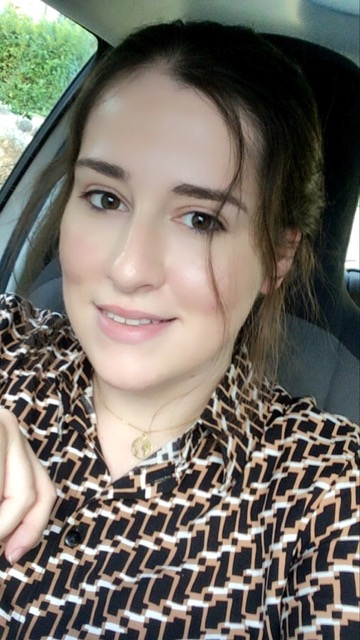
My sepsis story began earlier this year, more precisely on May 13, 2025.
Normally, very little can truly throw me off balance anymore. But what happened then was unlike anything I had ever known or experienced before.
Because I was born with spina bifida, I have been familiar with hospitals and their routines since childhood. That is why I initially didn’t think something could seriously surprise me so quickly.
On May 13, I had an appointment with my gynecologist for my annual check-up. For several days beforehand, I had been suffering from severe menstrual pain, and as a result, I was prescribed the pill.
However, since the pain in my abdomen and lower pelvic area did not subside, I visited my general practitioner. There, a bladder infection was diagnosed and treated.
By May 19, I still wasn’t feeling any better. During another visit to my GP, blood was drawn, and a comprehensive blood test was ordered. I was also given an infusion because I was dehydrated.
That same evening, my GP called me. She explained that my inflammatory markers were extremely high and that I needed to go to the hospital immediately. I was told to pack a few things and go straight to the emergency department.
My father took me to Freiburg University Hospital at around 5 p.m. There, I received immediate medical care. By that time, I was already in such severe pain that I could barely process what was happening around me.
In the resuscitation room, I was examined by a team of doctors and nurses. The diagnosis: urosepsis, which had already triggered organ failure. In addition, a kidney stone was discovered in my left kidney. Since my right kidney had already been damaged due to a severe kidney infection in childhood, my left kidney was now also affected.
My condition was critical: blood pressure of 75/55, severe chills, and recurring fever spikes. Immediate removal of the kidney stones was not possible. The doctors, therefore, decided to insert a ureteral stent as an initial measure. This procedure was performed during the night at around 3 a.m., after my circulation had been stabilized to some extent.
In total, I stayed in the hospital for one week: two to three days in the intensive care unit, followed by time on a general ward.
Today I know this: only because of the quick actions of my GP, the medical team, and my family am I still alive. The doctors later told me that without being admitted to the hospital, I probably would not have survived the next day.
From this experience, I take away one thing above all: gratitude. Gratitude for my family, especially my parents, who reacted immediately, and my father, who took me to the hospital. Gratitude for my partner, who stood by my side. And gratitude for life, which gave me a second chance.
The article above was written by Hanna and is shared here with his explicit consent. The views in the article do not necessarily represent those of the Global Sepsis Alliance. They are not intended or implied to be a substitute for professional medical advice. The whole team here at the Global Sepsis Alliance and World Sepsis Day wishes to thank her for sharing her story and for fighting to raise awareness for sepsis.