GSA Experts Highlight Advances in Sepsis Care at Geoanesthesia 2026
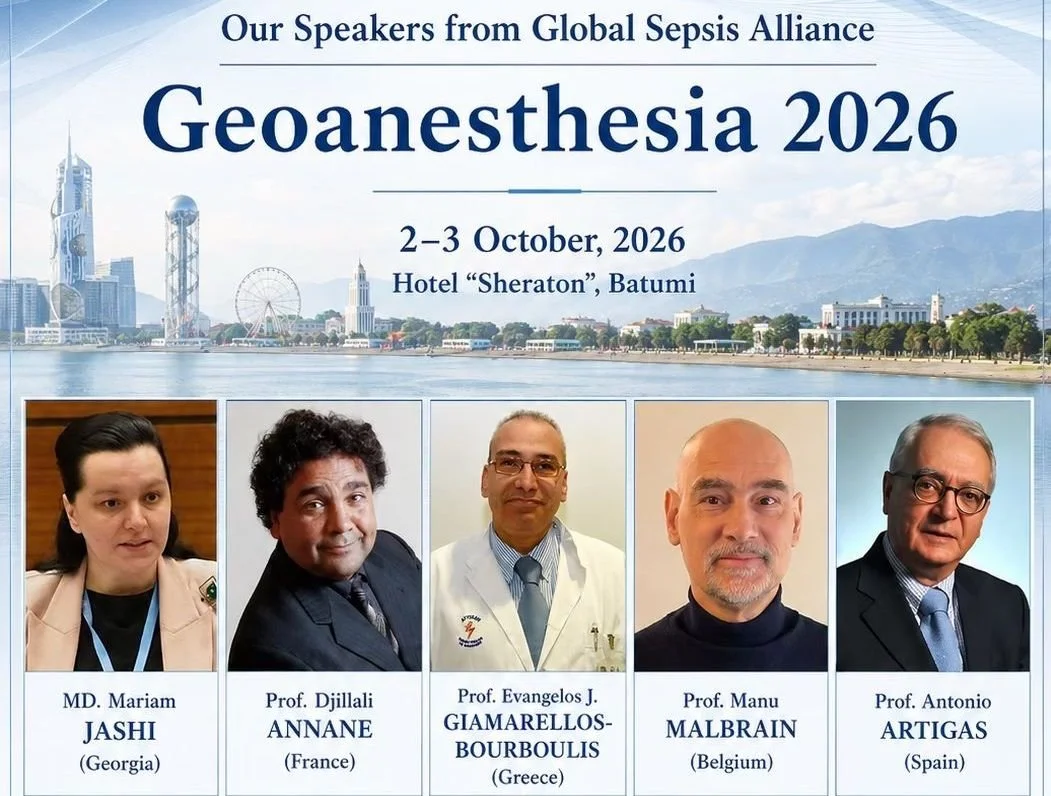
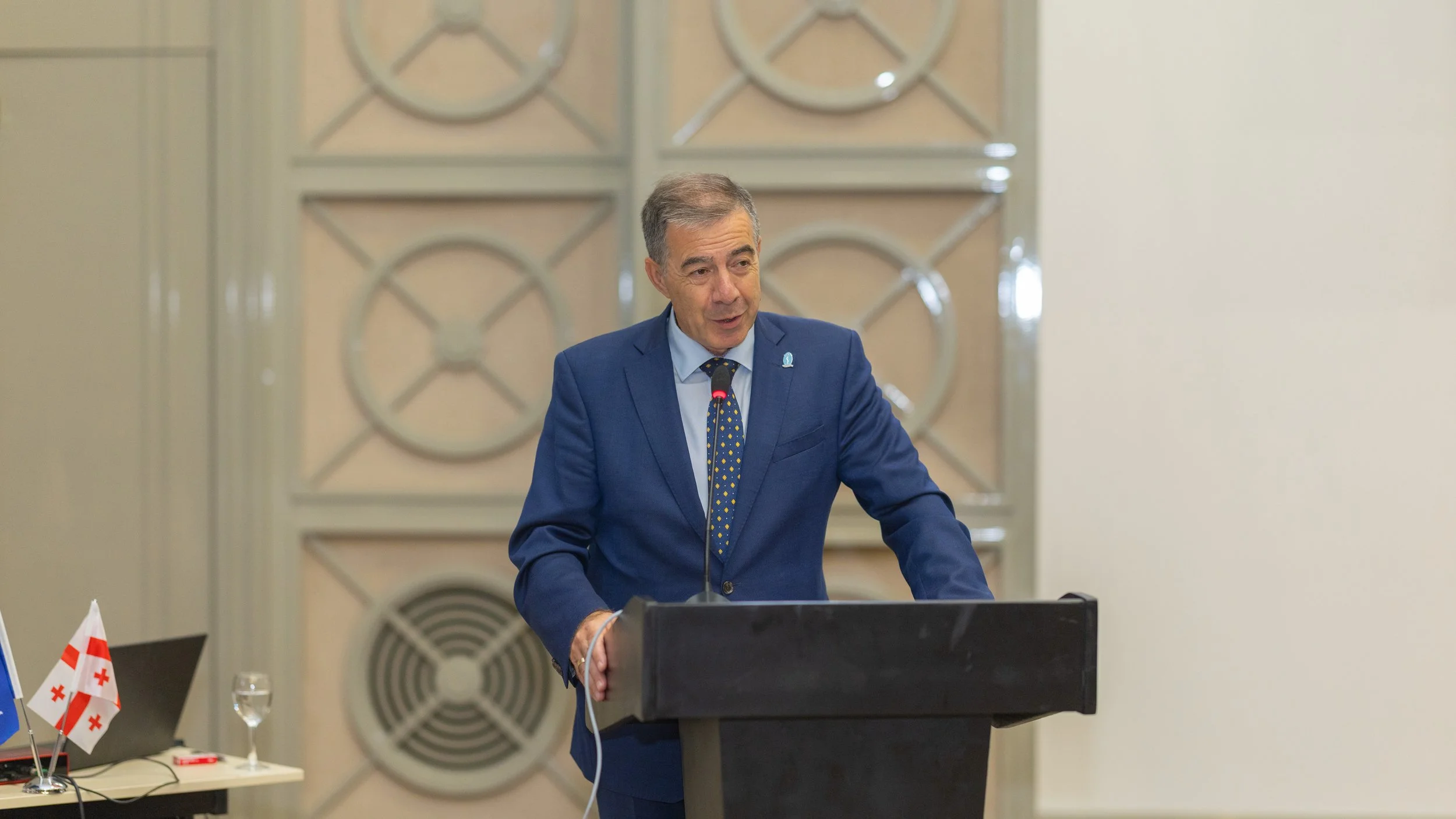
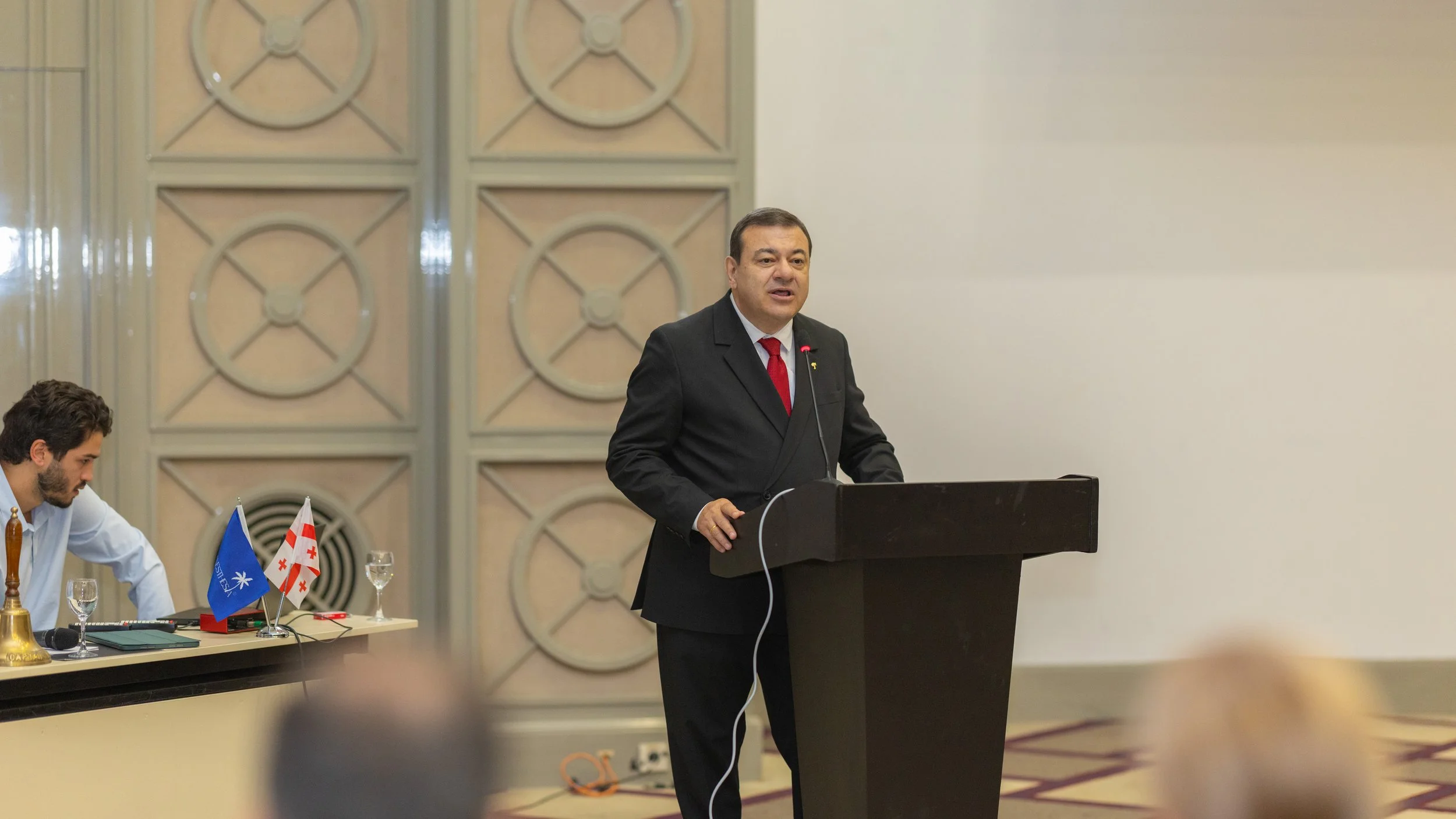
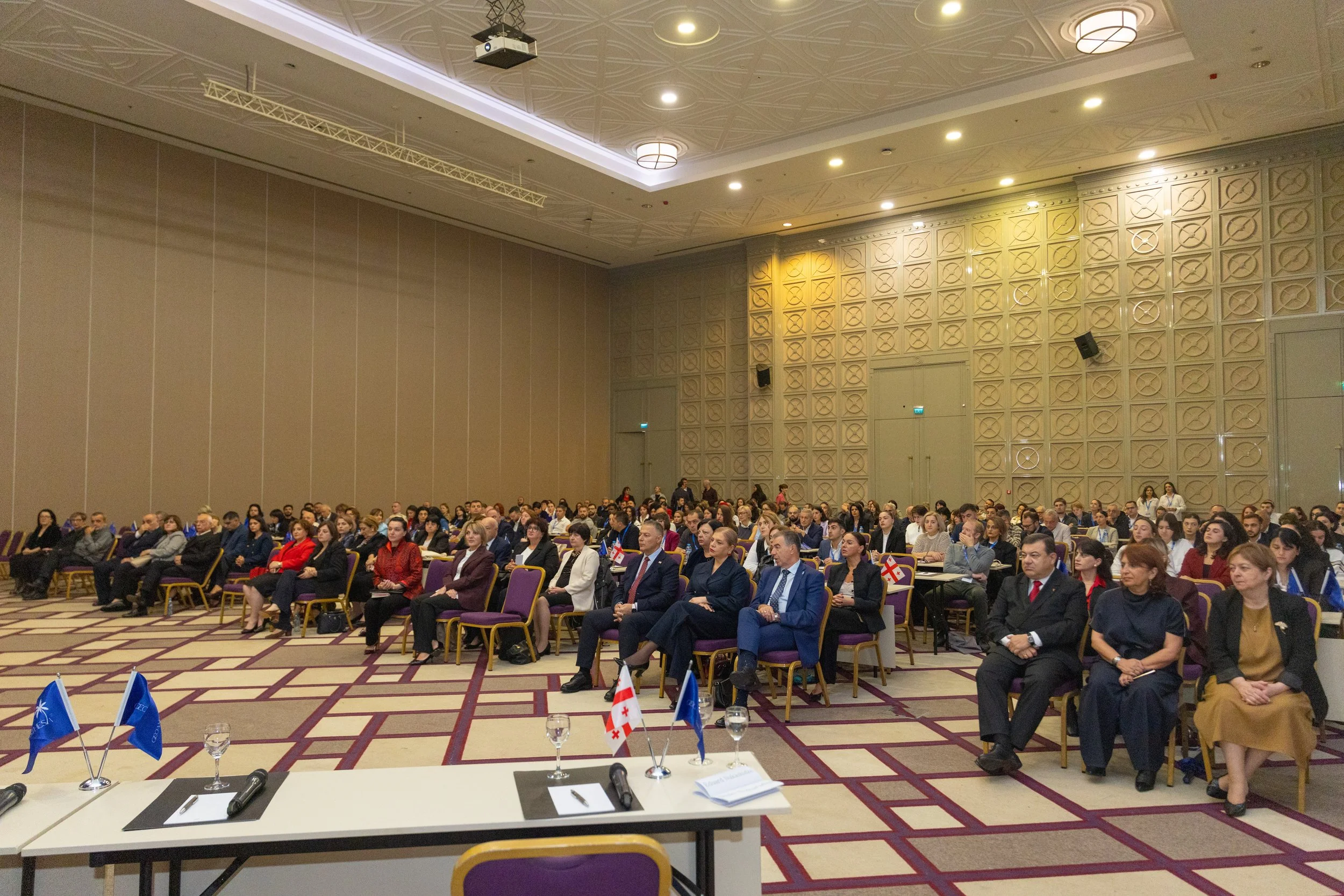
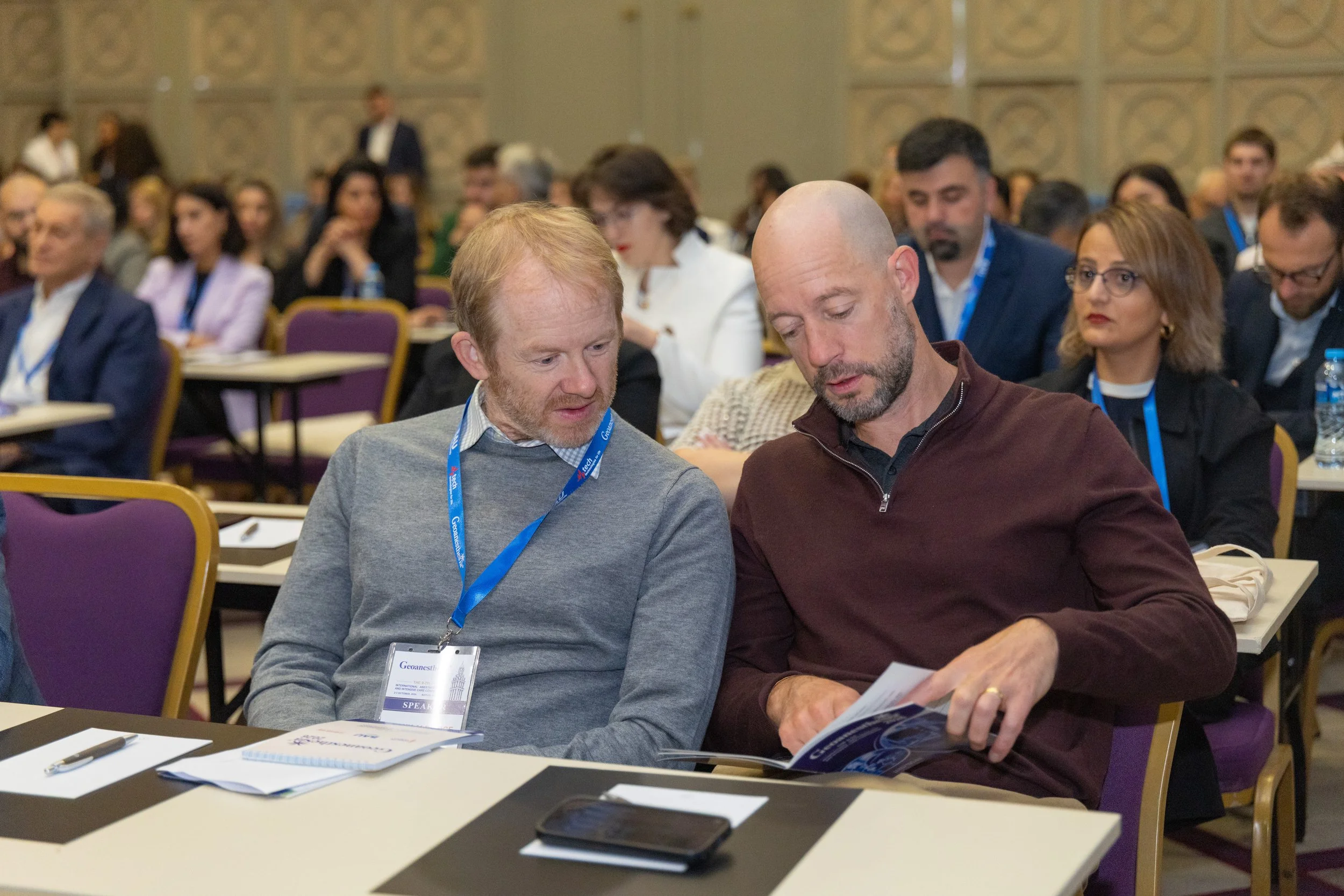
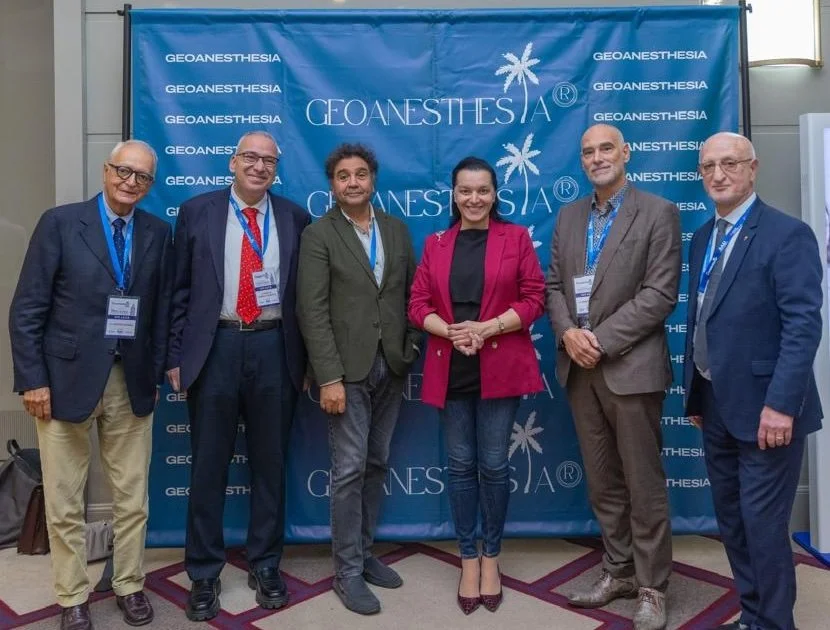
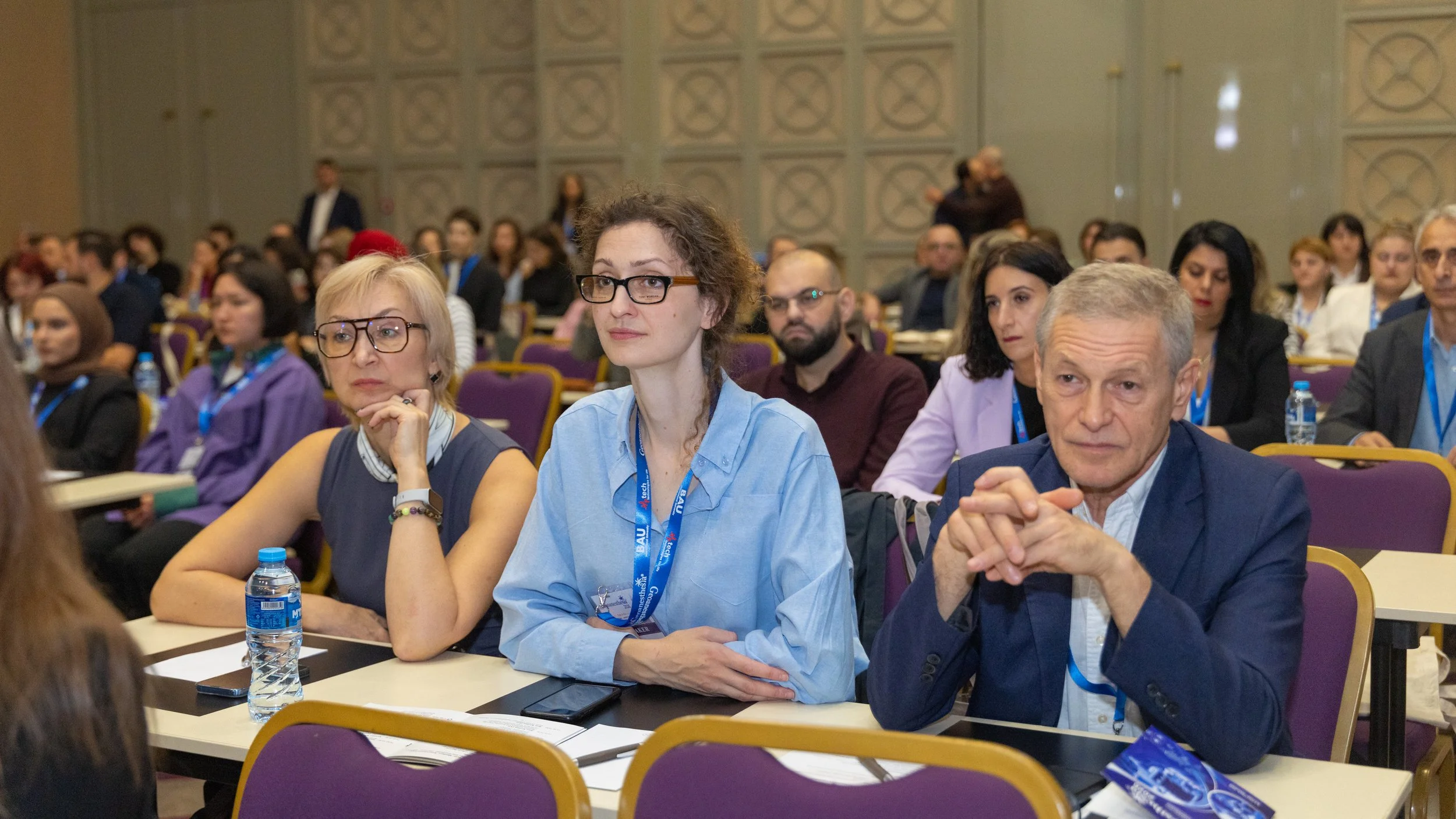
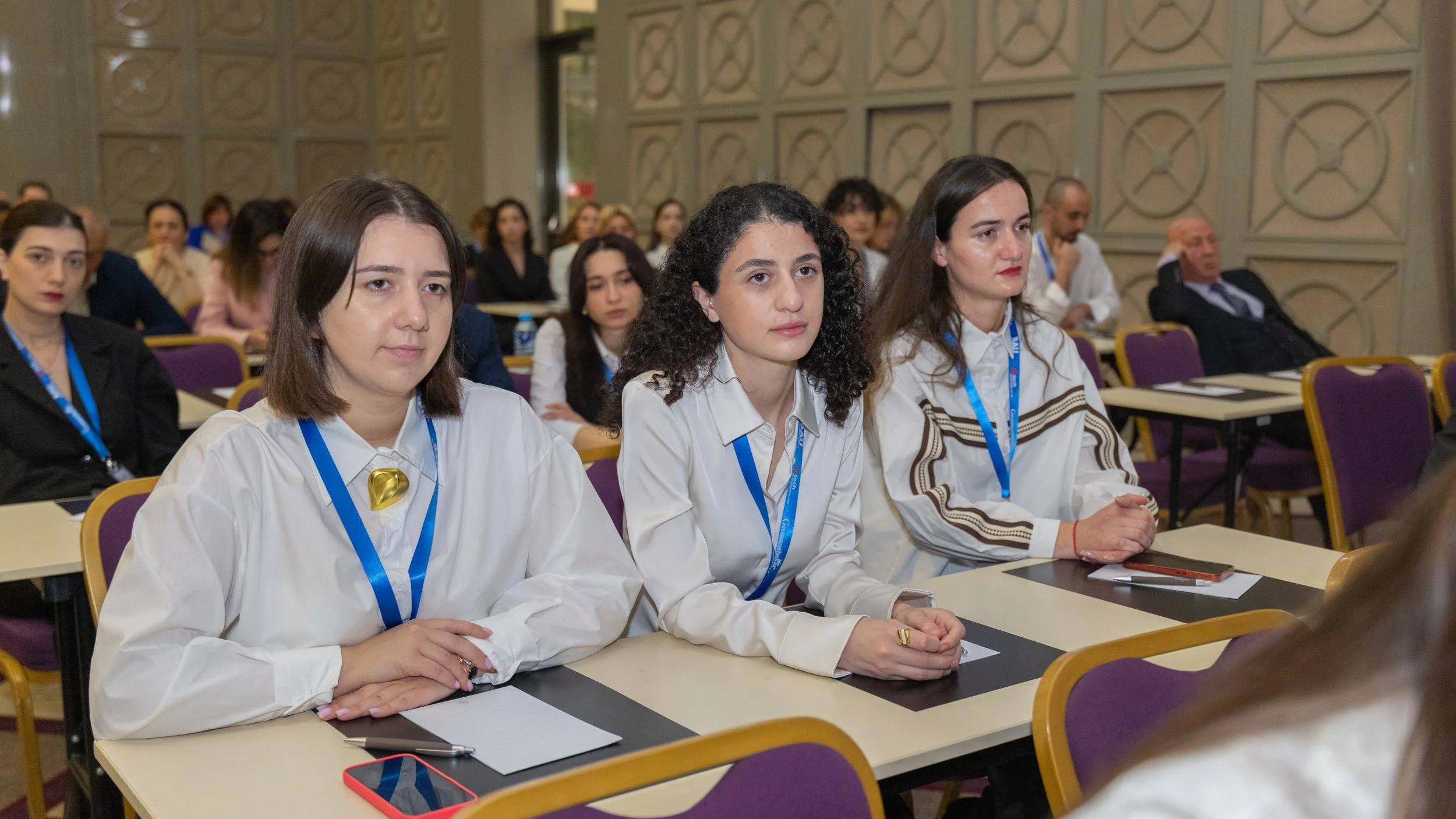
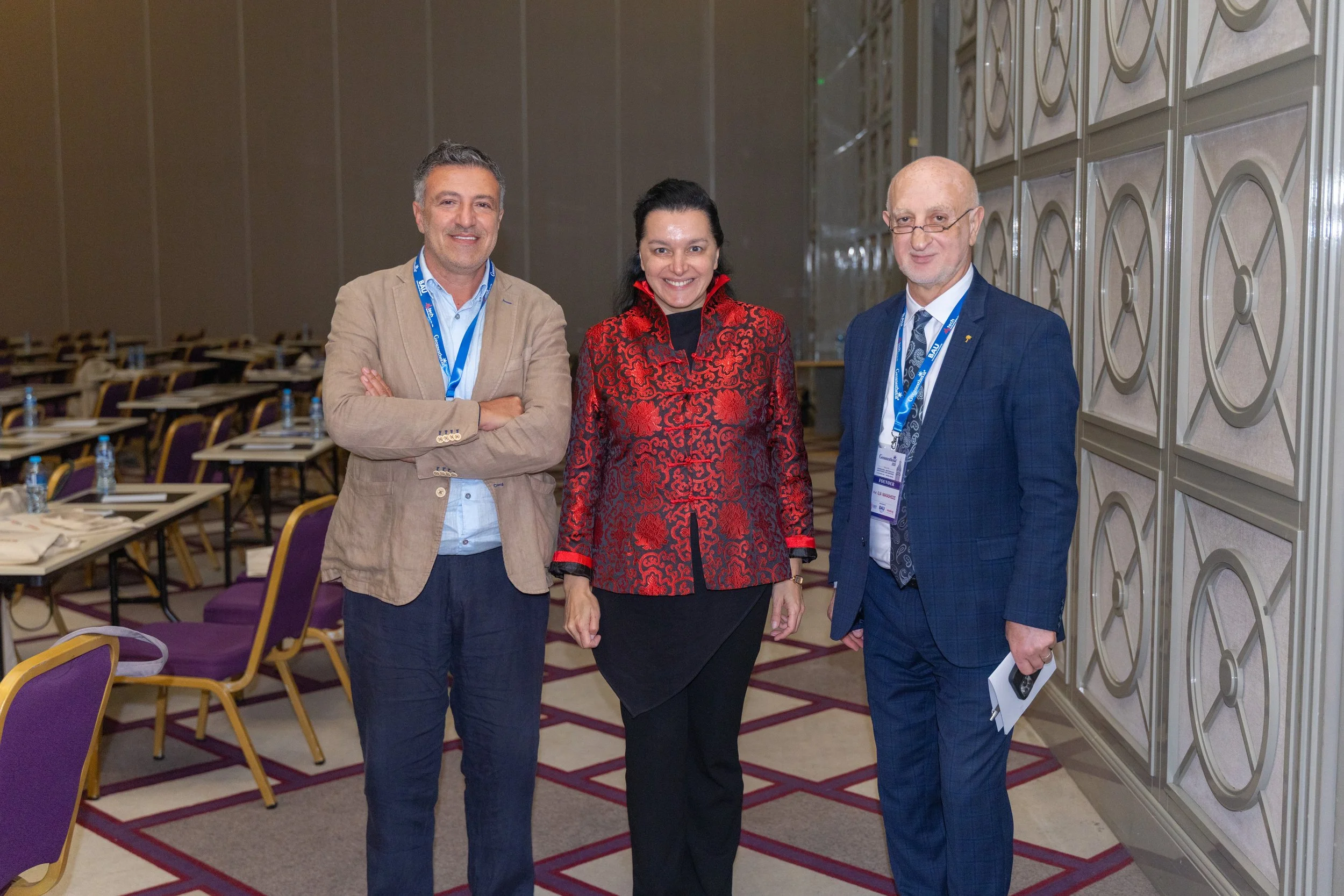
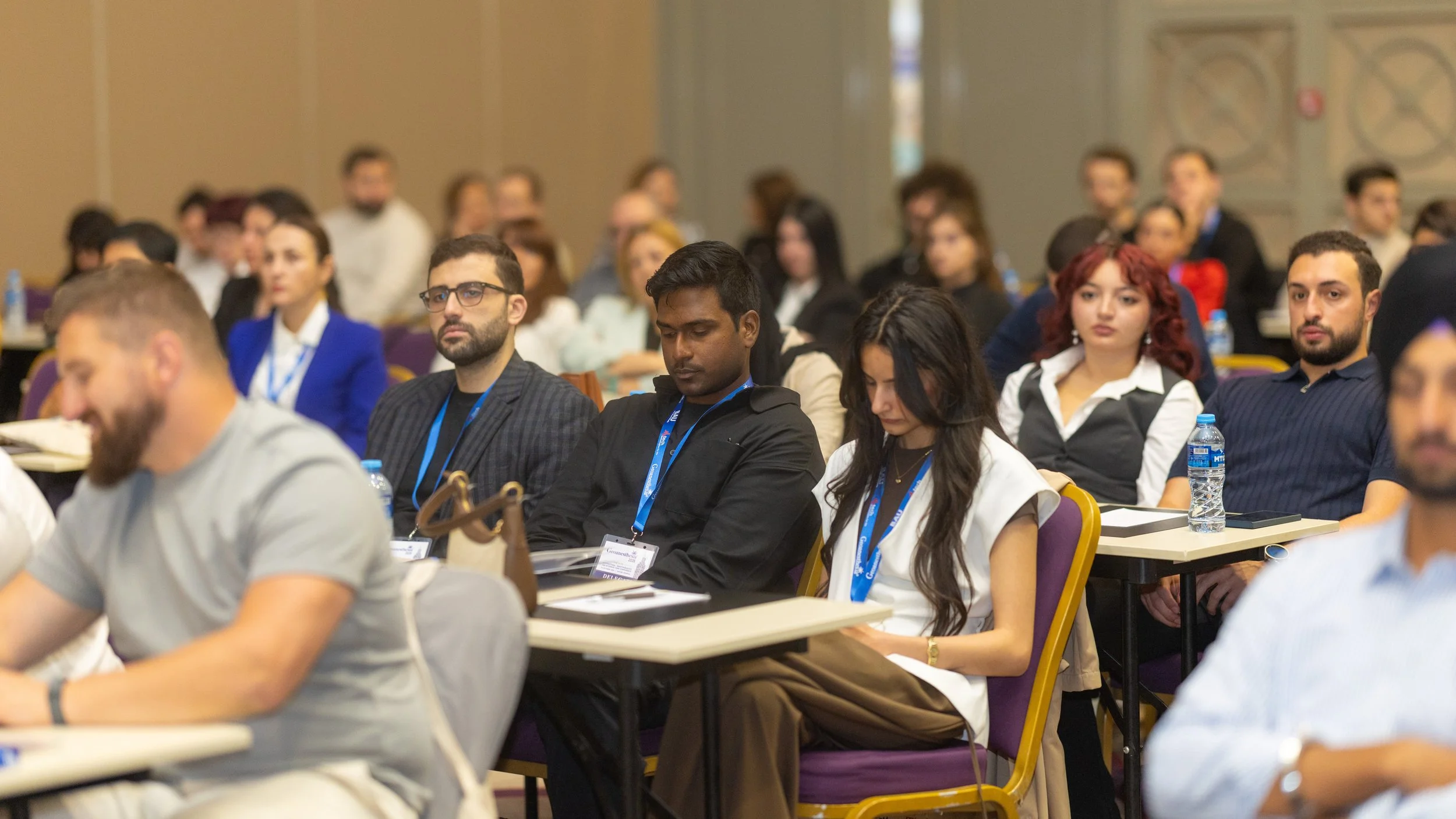
Leading international experts in sepsis, intensive care, and anesthesiology gathered in Batumi, Georgia, for the 9th International Scientific-Practical Conference in Anesthesiology and Intensive Therapy – Geoanesthesia 2026, held on 2–3 October 2026.
Leaders and scientists of the Global Sepsis Alliance (GSA) and the European Sepsis Alliance (ESA), including Dr. Mariam Jashi (Georgia), Prof. Evangelos J. Giamarellos-Bourboulis (Greece), Prof. Djillali Annane (France), Prof. Antonio Artigas (Spain), and Prof. Manu Malbrain (Belgium), made significant contributions to the international scientific program of the conference.
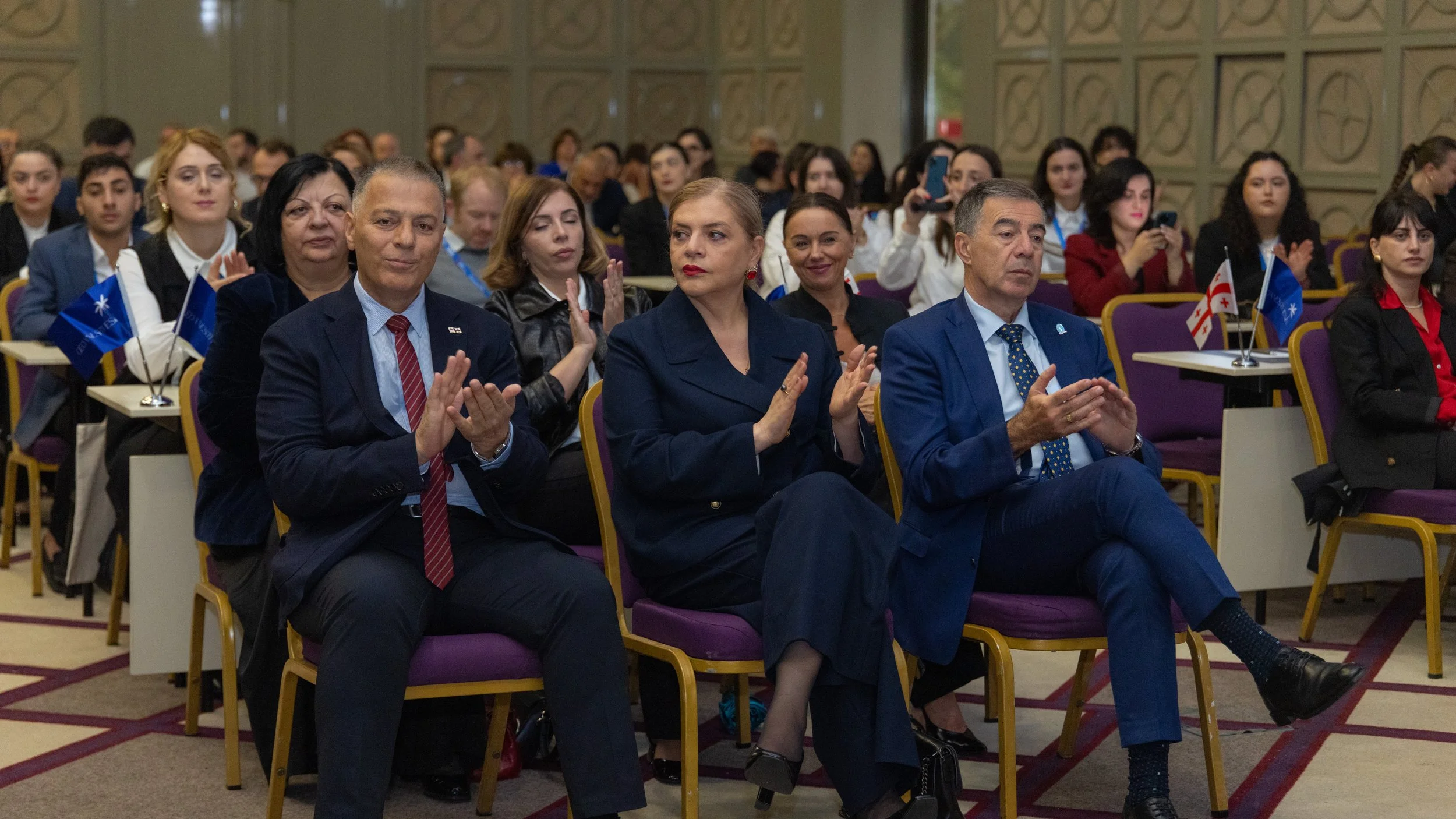
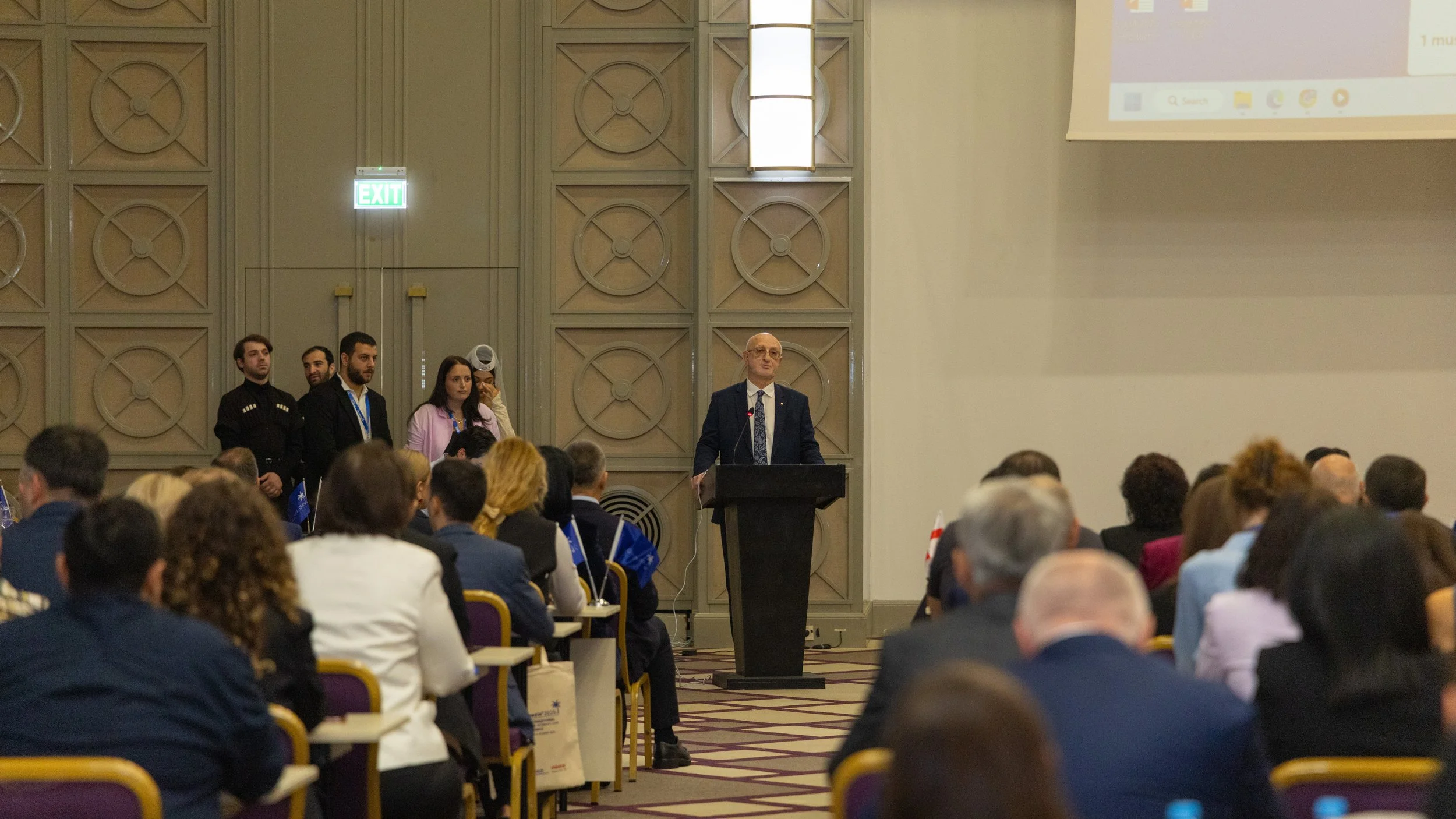
The conference opened with welcoming remarks from prominent healthcare and academic leaders, including:
· Prof. Ilia Nakashidze – President of Geoanesthesia and Former Vice Speaker of the Parliament of Georgia
· H.E. Nino Nizharadze - Minister of Health and Social Affairs of the Autonomous Republic of Adjara;
· Hon. Dr. Mariam Jashi – CEO of the Global Sepsis Alliance, Former Member of Parliament and Deputy Minister of Health of Georgia
· Hon. Dr. Zaal Mikeladze - Vice Chair of the Health Committee of the Parlaiment of Georgia.
· Dr. David Sergeenko – Former Minister of Labour Health and Social Affairs of Georgia
· Prof. Irakli Natroshvili - Rector of Tbilisi State Medical University;
· Prof. Zaza Bokhua - Head of Continuing Professional Development (CPD), Tbilisi State Medical University, and
· Prof. Tinatin (Tina) Chikovani - Professor of Medicine and Head of the Department of Immunology, Tbilisi State Medical University
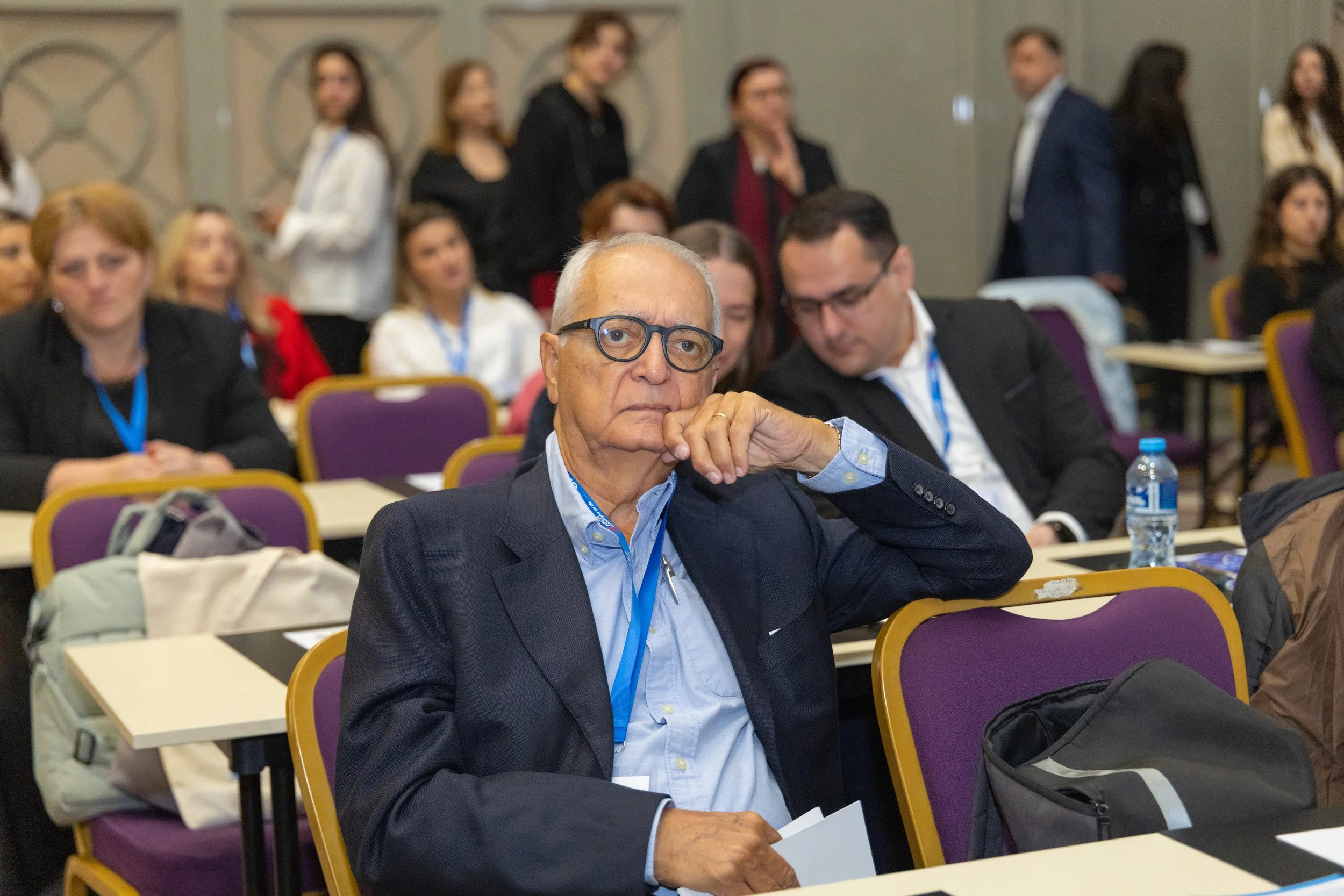
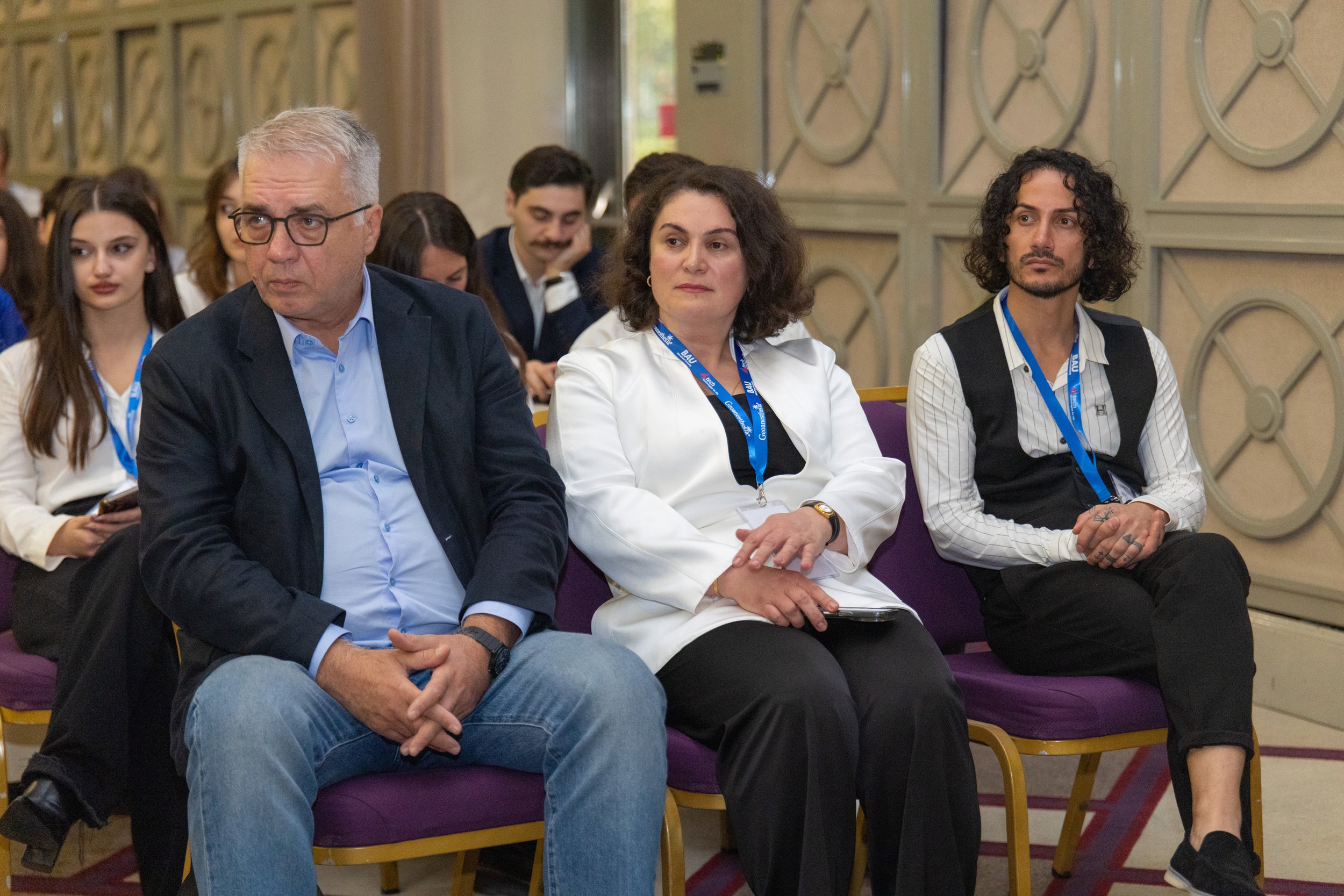
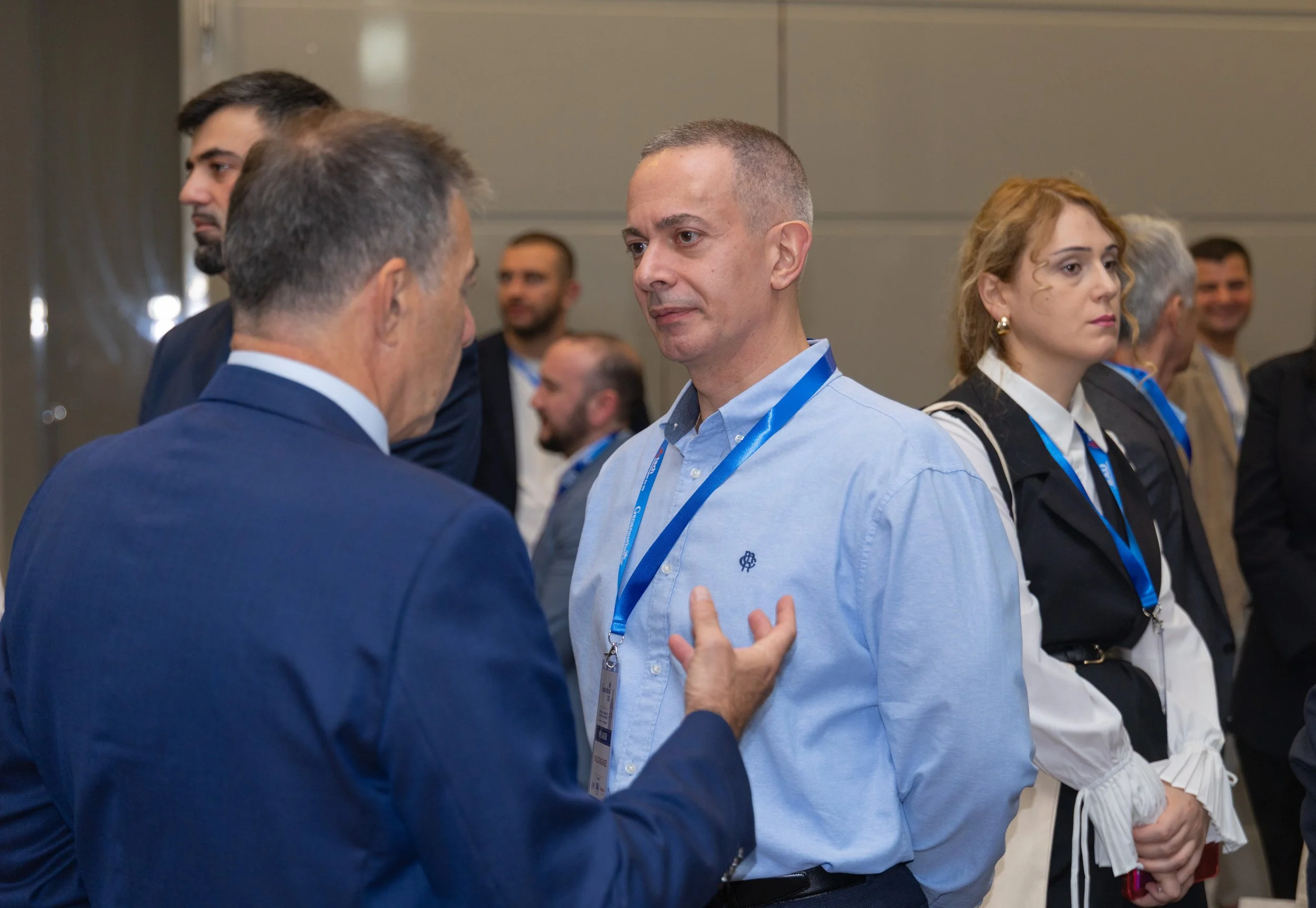
The meeting brought together distinguished clinicians, researchers, and healthcare professionals from Georgia and across Europe to exchange knowledge, discuss emerging scientific evidence, and explore innovative approaches to improving outcomes for critically ill patients.
A major highlight of the conference was its dedicated international scientific program on sepsis, featuring prominent experts associated with the Global Sepsis Alliance (GSA). Their contributions underscored the importance of international collaboration, evidence-based clinical practice, and continued progress toward reducing the global burden of sepsis.
Global Sepsis Alliance Experts at the Forefront of Scientific Discussions
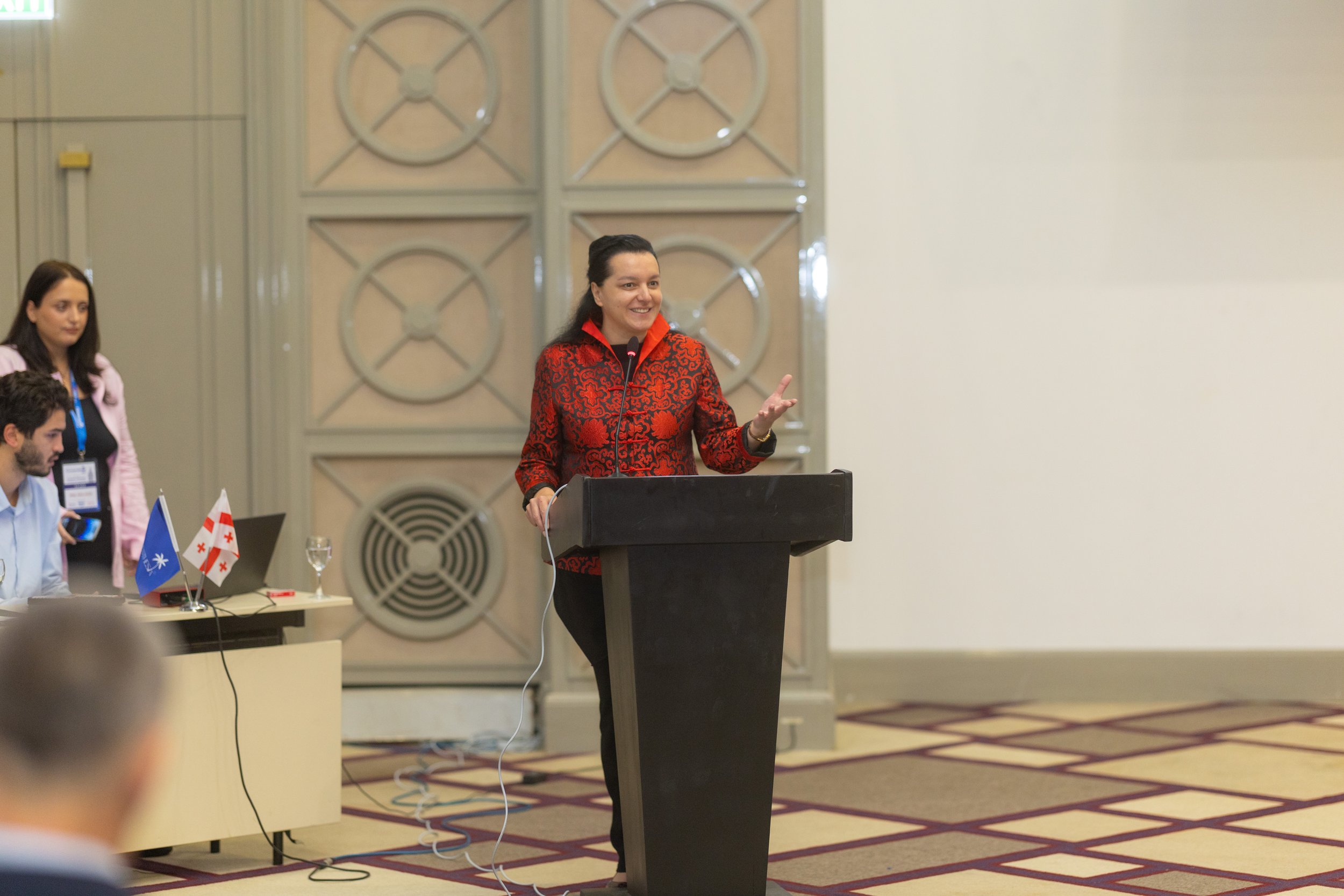
Dr. Mariam Jashi, who also served as a Conference Co-Chair, opened the international sepsis session with a presentation entitled “2030 Global Agenda for Sepsis”. Her presentation placed sepsis within the broader global health agenda, highlighting the importance of coordinated international action and sustained efforts to improve sepsis prevention, recognition, and management.
Prof. Evangelos J. Giamarellos-Bourboulis, Chair of the European Sepsis Alliance (ESA) and GSA Board Member contributed two presentations: “Precision Immunotherapy: An Emerging Hope for Sepsis Management” and “Macrolides for Severe Pneumonia”. His contributions brought attention to innovative treatment strategies and evolving approaches to managing severe infections.
Prof. Djillali Annane, Member of the ESA Executive Committee delivered two important presentations addressing key challenges in sepsis care: “The Use of Corticosteroids in Sepsis” and “Long-Term Sequelae of Sepsis”. These topics highlighted both the complexities of acute sepsis treatment and the importance of recognizing the lasting consequences of sepsis for patients and healthcare systems.
Prof. Antonio Artigas, GSA Board Member and Member of ESA Executive Committee presented “New Insights of Cell Therapy in Sepsis and ARDS”, exploring emerging therapeutic approaches, and “Early Diagnosis of Sepsis in the Emergency Room”, emphasizing the critical role of timely recognition and intervention in improving patient outcomes.
Prof. Manu Malbrain, Vice Chair of European Sepsis Alliance, addressed important aspects of both sepsis treatment and critical care practice through his presentations “The Role for Natural Agents with Anti-inflammatory and Antioxidative Properties in Sepsis? Potential Usefulness of Xanthohumol” and “The Role of Human Factors and Leadership When Implementing Sepsis Stewardship”. His contributions highlighted the importance of exploring novel therapeutic approaches while strengthening clinical leadership and implementation practices.
Advancing Sepsis Care Through International Collaboration
Beyond the contributions of GSA experts, Geoanesthesia 2026 featured a comprehensive scientific program addressing sepsis management, septic shock, emerging biomarkers, organ dysfunction, critical care rehabilitation, and prevention.
Additional presentations explored the Surviving Sepsis Campaign guidelines, extracorporeal life support for refractory sepsis, post-intensive care syndrome, and the challenges of translating scientific advances into everyday clinical practice.
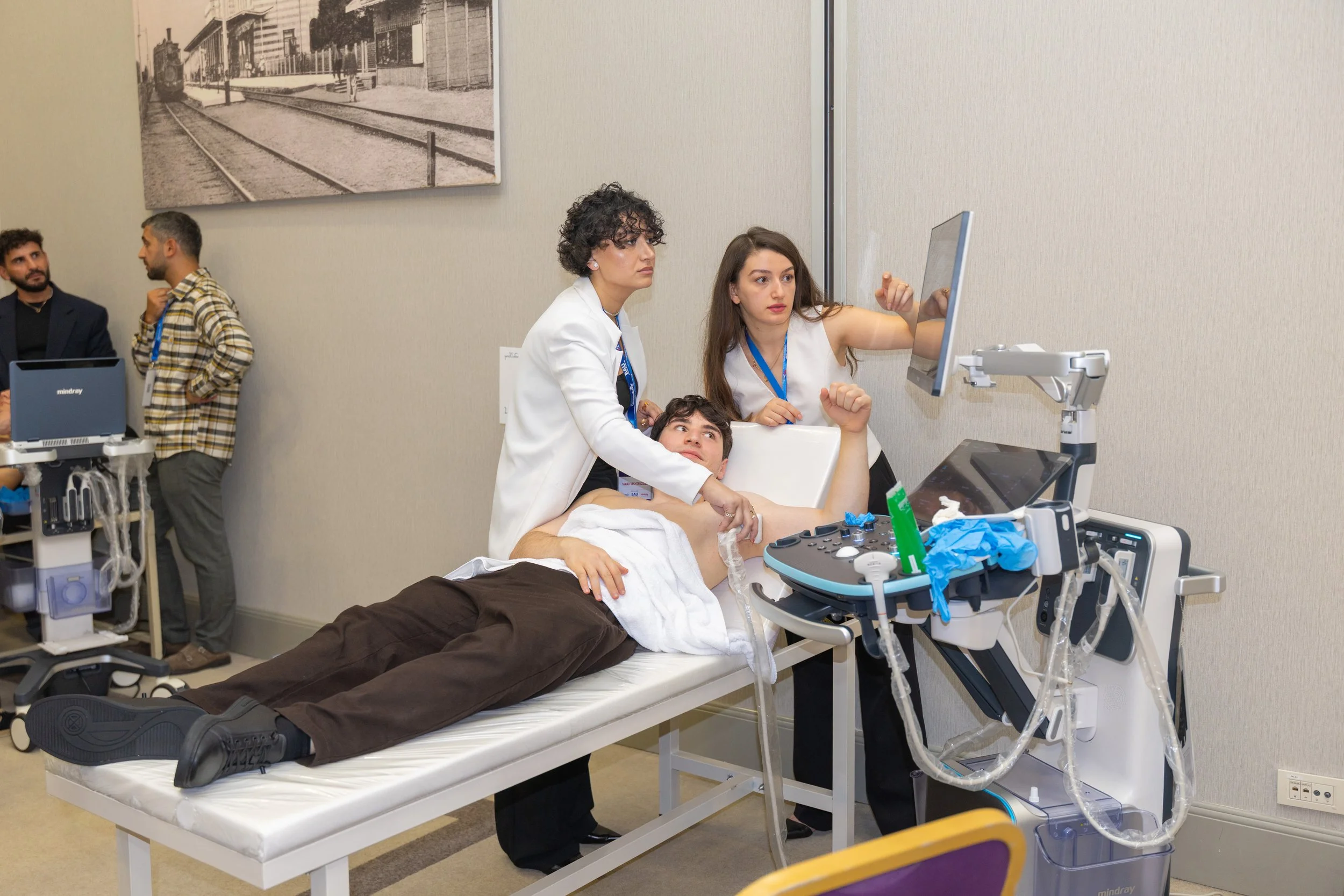
The conference also included parallel scientific sessions dedicated to modern anesthesiology and ultrasound-guided regional anesthesia, providing a multidisciplinary platform for professional education and collaboration.
Strengthening the Global Response to Sepsis
The participation of GSA experts at Geoanesthesia 2026 reflected the importance of bringing global sepsis expertise into regional scientific forums and strengthening connections between international specialists and local healthcare communities.
Through discussions spanning the 2030 Global Agenda for Sepsis, early diagnosis, precision immunotherapy, innovative treatments, long-term outcomes, and sepsis stewardship, the conference highlighted the need for a comprehensive approach to sepsis that extends from prevention and early recognition to acute management and long-term recovery.
The Global Sepsis Alliance welcomes opportunities for scientific exchange and international collaboration that contribute to greater sepsis awareness, stronger healthcare systems, and improved outcomes for patients worldwide.